← Back to Blog
Buying
Homes for Sale in Mount Pleasant: A Complete Buyer's Guide for 2026
By miguel velazquez
October 2, 2026 · 5 min read
If you are browsing homes for sale in Mount Pleasant, Texas, you are looking at a Titus County market that still offers space, lower price points than nearby Dallas, and a short drive to Lake Bob Sandlin. This guide walks through current price ranges, housing styles, neighborhoods, and what to expect from the buying process here in October 2026.
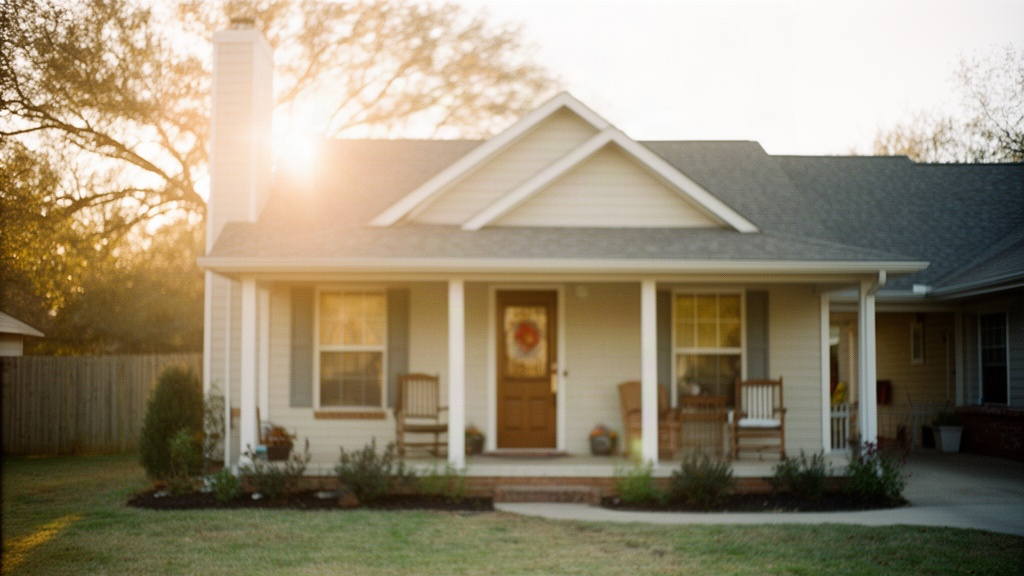
1. What Does the Mount Pleasant Housing Market Look Like Right Now?
As of October 2026, homes for sale in Mount Pleasant, Texas typically range from the low $150,000s for smaller or older homes to the $400,000s for newer builds on larger lots. Median sale prices in Titus County have stayed well below the statewide average, which keeps Mount Pleasant attractive to buyers coming from the Dallas-Fort Worth area looking for more square footage for their budget.
Inventory moves at a steadier pace here than in larger metro markets. Homes in good condition near downtown or close to Mount Pleasant ISD campuses tend to get offers within a few weeks, while properties on acreage outside the city limits can take longer simply because the buyer pool for rural land is smaller. Interest rates and overall housing supply still shape how competitive any given listing is, so checking current rate data from a source like Freddie Mac's mortgage rate tracker before you start shopping can help you set realistic monthly payment expectations.
Property taxes are another factor buyers ask about early. Titus County and the City of Mount Pleasant both set their own rates, and school district taxes from Mount Pleasant ISD are layered on top, so your total tax bill depends on the specific address and whether it falls inside city limits or in the surrounding unincorporated county.
2. What Types of Homes Can You Find in Mount Pleasant?
Mount Pleasant offers a mix of older brick ranch homes near downtown, mid-century houses in established residential pockets, and newer construction on the outer edges of town and along the county roads leading toward Lake Bob Sandlin. Lot sizes vary widely, from quarter-acre in-town lots to multi-acre parcels once you move past the city limits.
Established Neighborhoods Near Downtown
Streets within a mile or two of downtown Mount Pleasant and North Jefferson Avenue tend to feature homes built from the 1950s through the 1980s, many with mature shade trees and brick exteriors. These homes generally run between 1,200 and 2,200 square feet and often sit on lots under half an acre, with easy access to Mount Pleasant City Park and the downtown square.
Newer Construction and Acreage Properties
Buyers who want more land often look at properties along FM roads outside the city, where homes sit on one to ten acres and newer builds include open floor plans and three-car garages. These properties are popular with buyers who want room for horses, workshops, or simply more distance between neighbors, and prices per square foot are usually lower than comparable new construction closer to the Dallas metro.
3. What Should You Know About Mount Pleasant Before You Buy?
Mount Pleasant sits along U.S. Highway 271 and Interstate 30, giving residents direct access east toward Texarkana and west toward Dallas. Understanding the daily commute, local recreation, and basic services available helps you judge whether a specific listing fits how you actually live, separate from the price tag on the listing sheet.
Commutes and Access
I-30 puts Mount Pleasant about 25 miles from Mount Vernon and roughly 100 miles from downtown Dallas, which translates to a drive of around an hour and forty minutes depending on traffic through the DFW area. Many residents commute shorter distances within Titus County for work, while others travel to Longview or Texarkana, each about an hour away via I-30 or Highway 271.
Parks, Lake Access, and Daily Life
Lake Bob Sandlin State Park sits about 14 miles south of Mount Pleasant and offers fishing, boating, and camping across its 9,460 surface acres of water. In town, Mount Pleasant City Park provides walking trails, sports fields, and a community pool, and the Titus Regional Medical Center provides local hospital access without a drive to a larger city. Buyers can review local demographic and economic data directly through the U.S. Census Bureau's QuickFacts tool for Mount Pleasant to get a broader picture of the area before making a decision.
4. How Do You Start Searching for Homes for Sale in Mount Pleasant?
Start by narrowing down your budget, must-have features, and preferred distance from town, then search active listings through a licensed local agent who has current access to the MLS. Public listing sites often lag behind real-time inventory, so working with someone local means you see new listings the day they hit the market instead of days later.
Setting Your Criteria
Before touring homes, decide on your must-haves versus nice-to-haves. Think through square footage, garage space, acreage versus in-town lot, and whether you want proximity to specific Mount Pleasant ISD campuses, which you can research directly through the Texas Education Agency's school report card system rather than relying on secondhand opinions.
- Budget range: know your pre-approval amount before touring, since Mount Pleasant listings move from the $150,000s to $400,000s depending on size and lot.
- Commute tolerance: decide how far you're willing to drive on I-30 or Highway 271 for work.
- Lot preference: in-town lots under half an acre versus multi-acre properties outside city limits.
- Utilities and water source: some outlying properties use well water or septic systems instead of city utilities.
Working With a Local Agent
Miguel Velazquez works with buyers across Mount Pleasant and the surrounding Titus County area and can set up automatic alerts so you see new listings as soon as they're entered into the MLS. A local agent also knows which properties have pending water or foundation issues common to certain parts of the county, and can help you line up inspections quickly once you're under contract.
5. What Does the Buying Timeline Look Like?
Most buyers in Mount Pleasant move from first showing to closing in 30 to 60 days, depending on financing and whether the home needs repairs identified during inspection. Cash purchases can close in as little as two weeks, while financed purchases typically need 30 to 45 days for underwriting and appraisal.
- Pre-approval: get a lender letter before touring homes, usually takes a few days.
- Offer and negotiation: typically 1 to 5 days once you find the right home.
- Inspection period: usually 7 to 10 days under contract to identify repair needs.
- Appraisal and underwriting: generally 2 to 4 weeks for conventional loans.
- Closing: scheduled once financing is cleared, often at a local title company in Mount Pleasant.
Rural properties with well water or septic systems sometimes add time to the process because lenders may require additional testing before closing. Planning for this upfront, rather than discovering it mid-contract, keeps your timeline realistic and reduces last-minute stress.
FAQ
What is the average price range for homes for sale in Mount Pleasant, Texas?
As of October 2026, homes in Mount Pleasant generally range from the low $150,000s for smaller or older properties to the $400,000s for newer construction on larger lots. Price varies significantly based on lot size, proximity to downtown, and whether the property is inside city limits or on acreage along the surrounding county roads. Working with a local agent helps you compare recent closed sales rather than relying only on list prices, which gives a clearer picture of what homes are actually selling for in a given area.
How far is Mount Pleasant from Dallas?
Mount Pleasant sits roughly 100 miles northeast of downtown Dallas via Interstate 30, which typically takes about an hour and forty minutes depending on traffic through the metro area. Many people relocating from Dallas choose Mount Pleasant for more space and lower home prices while still being within reach for occasional trips to the city. The drive also passes through smaller communities along I-30, making it a manageable route for those who commute less frequently.
Is well water or city water more common in Mount Pleasant?
Homes within Mount Pleasant city limits typically connect to municipal water and sewer service, while properties outside the city, particularly on larger acreage tracts, often rely on well water and septic systems. This distinction matters for financing, since some lenders require water quality testing and septic inspections before closing on rural properties. Buyers should ask about the water source early in the search process, since it can affect both the closing timeline and ongoing maintenance costs.