← Back to Blog
Neighborhoods
Neighborhoods to Buy a Home in Chicago 2026
By Miguel Velazquez
August 14, 2026 · 5 min read
If you are searching for the best neighborhoods to buy a home in Chicago, you already know the city does not give you a simple answer. Chicago is a collection of distinct communities, each with its own personality, price point, and pace of life. This guide breaks down what makes several standout neighborhoods worth your serious attention right now.
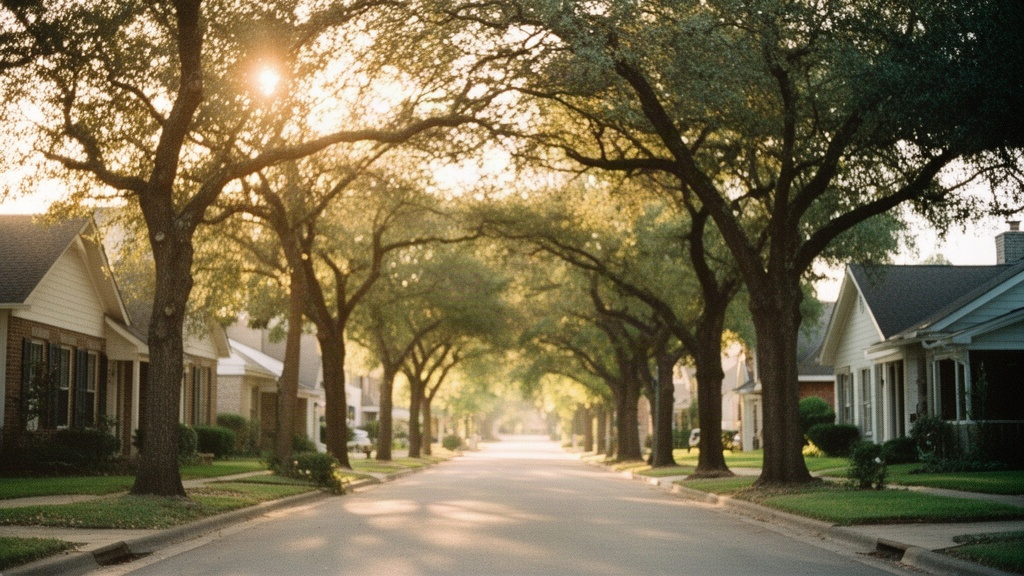
1. Why Neighborhood Choice Matters More Than Ever in Chicago's 2026 Market
Chicago's real estate market in August 2026 is competitive. Inventory remains constrained across many popular corridors, and buyers who enter the process with a clear neighborhood strategy are better positioned to move decisively on the right home at the right price.
Inventory Is Tight Across the City
As of August 2026, active listings in many Chicago neighborhoods are moving faster than they did a year ago. According to HousingWire's reporting on Chicago home prices, supply constraints have pushed prices upward across several parts of the city. Knowing which neighborhood fits your commute, budget, and long-term goals before you start searching is not just helpful; it is essential.
Prices Vary Dramatically by Area
A two-bedroom condo in River North and a two-bedroom greystone in Bridgeport can differ by hundreds of thousands of dollars. That gap is not just about square footage. It reflects transit access, the school district serving the area, walkability scores, and the pace of neighborhood development. Understanding those variables before you start touring homes will save you time and protect your budget.
2. Chicago Neighborhoods to Buy a Home: Housing Options Near Parks and Larger Floor Plans
Buyers shopping for homes with larger floor plans and proximity to parks often prioritize school access and green space. Two neighborhoods that come up frequently in those conversations are Norwood Park on the Northwest Side and Beverly on the Far South Side.
Norwood Park: Space, Schools, and Stability
Norwood Park offers something rare in Chicago: single-family homes with actual yards, tree-lined streets, and a neighborhood feel that does not require a suburban commute. The area is served by the Blue Line and Metra's Milwaukee District North line, making downtown accessible without a car. Norwood Park Elementary and nearby Taft High School are part of Chicago Public Schools; buyers can review school-specific data at cps.edu for any address they are considering. The neighborhood's historic bungalow belt gives it architectural character that buyers genuinely appreciate.
Beverly: Larger Lots and Prairie-Style Architecture on the Far South Side
Beverly is one of the more competitively priced neighborhoods on the South Side for buyers seeking larger lots and Prairie-style architecture. Its large lots and active block clubs are a consistent draw. The Metra Rock Island line connects Beverly residents to the Loop in under 30 minutes, and Morgan Park High School serves the area. Buyers can review school assignment and performance data at cps.edu. Buyers researching the Far South Side will find Beverly worth including in any side-by-side comparison of lot size, price per square foot, and transit access.
3. Chicago Neighborhoods for First-Time Buyers and Buyers Prioritizing Commute Access
Buyers balancing affordability with transit access often find Chicago still has options in this category, though the window in certain areas is narrowing quickly.
Pilsen: Culture, Community, and Relative Affordability
Pilsen has maintained buyer interest for several years and still offers price points that work for buyers who have been priced out of other parts of the city. The neighborhood's murals, independent restaurants, and community events give 18th Street a distinctive streetscape that draws consistent foot traffic. The Pink Line provides solid transit access, and the National Museum of Mexican Art anchors 18th Street as a genuine cultural destination. Buyers who purchase here are getting a home in a neighborhood with a well-established identity and active community institutions.
Logan Square: Walkability Meets Investment Potential
Logan Square has matured considerably over the past decade, but it still rewards buyers who know where to look. The Blue Line stops at Logan Square and California, making downtown commutes straightforward. Milwaukee Avenue is lined with independent restaurants, coffee shops, and bars that draw foot traffic year-round. Greystone two-flats and vintage courtyard buildings give buyers the option to house-hack, which is a practical strategy for first-timers trying to offset mortgage costs in a pricier market.
4. Chicago Neighborhoods for Buyers Who Want Established Character
Some buyers are not looking for the next area showing rapid price appreciation. They want a neighborhood that already has deep roots, a defined identity, and a track record of holding value. Andersonville and Bridgeport each have characteristics worth examining for buyers with those priorities.
Andersonville: Neighborhood Identity With Long-Term Value
Andersonville sits on the Far North Side and has a well-defined neighborhood identity built over several decades. Clark Street through the neighborhood is packed with independent bookstores, Swedish bakeries, and locally owned restaurants that have been operating for decades. The housing stock includes vintage condos, two-flats, and single-family homes, giving buyers real variety. Prices here are not cheap, but resale history in Andersonville is strong, and turnover has historically been low.
Bridgeport: Deep Roots and a Changing Skyline
Bridgeport is one of Chicago's oldest neighborhoods and one of its more interesting buys right now. Located just south of Chinatown and within reach of the Medical District, it offers proximity to downtown without downtown prices. The neighborhood's bungalow and row house stock is well-maintained, and ongoing development along the South Branch of the Chicago River is slowly reshaping its western edge. Buyers who research the area carefully tend to find options that are not yet reflected in broader market coverage.
5. How to Choose the Right Chicago Neighborhood for Your Situation
Finding the right neighborhood to buy a home in Chicago ultimately comes down to your personal priorities. No single neighborhood is objectively the right fit; the right one is the one that fits your commute, your budget, your lifestyle, and your five-year plan.
Match the Neighborhood to Your Commute
Chicago's CTA system and Metra rail network make transit-oriented living genuinely viable. Before falling in love with a home, map out your daily commute from that address. A neighborhood that pairs affordability with a manageable commute delivers lasting day-to-day value. Look at which CTA lines or Metra routes serve the area, and factor in the walk from the station to your front door.
Think About Resale Before You Buy
Every home purchase is also a financial decision, even if you plan to stay for decades. Look at how the neighborhood has performed over the past five years in terms of median sale prices and days on market. Chicago's Midwest stability is part of what has made the region attractive to buyers nationally, as noted in Zillow's analysis of Chicago neighborhoods. A neighborhood with consistent demand and low turnover is generally a more stable long-term bet than one that is purely trendy.
Working with a local agent who knows Chicago's neighborhood-by-neighborhood dynamics can make a significant difference in this process. Miguel Velazquez has worked with buyers across the city and understands how to match a buyer's real priorities to the right property in the right location for their specific situation.
FAQ
What are the most affordable neighborhoods to buy a home in Chicago right now?
As of August 2026, neighborhoods like Bridgeport, Pilsen, Roseland, and Auburn Gresham tend to offer lower entry prices compared to the North Side. Bridgeport and Pilsen in particular have seen growing buyer interest while still maintaining more accessible price points than areas like Lincoln Park or Lakeview. Commute times and proximity to specific amenities vary by location, so it is worth mapping out your daily routine and researching transit options before committing to any area. Working with a local agent helps you identify where value still exists before prices shift further.
Is it a good time to buy a home in Chicago in 2026?
For buyers who are financially ready, August 2026 presents a market with real opportunity alongside real competition. Inventory across many neighborhoods remains limited, which means well-priced homes still attract multiple offers. However, Chicago's relative affordability compared to coastal cities continues to draw buyers from across the country, and the city's Midwest stability has historically supported long-term appreciation. The key is entering the market with a clear neighborhood strategy, a realistic budget, and a pre-approval in hand so you can move quickly when the right property appears.
Which Chicago neighborhoods have housing options near schools and larger floor plans?
Norwood Park, Beverly, and Edison Park each offer concentrations of single-family housing stock with larger lot sizes. All three are served by Chicago Public Schools; buyers should review the district's own published data at cps.edu to evaluate the specific schools assigned to any address they are considering. Chicago also has a network of magnet and selective enrollment schools, which means buyers in many neighborhoods can apply to citywide programs regardless of their zip code. Researching both neighborhood-assigned schools and citywide selective enrollment options simultaneously gives buyers the most complete picture. A knowledgeable Chicago buyer's agent can walk you through enrollment timelines specific to each area you are considering.