← Back to Blog
Neighborhoods
Is Bridgeport Chicago a Good Area to Buy a Single Family Home in 2026 and What Are Prices Like Right Now
By Miguel Velazquez
September 25, 2026 · 12 min read
Bridgeport is one of Chicago's most established South Side neighborhoods, and right now in September 2026, buyers asking whether it is a good area to buy a single family home will find a market that has moved quickly and priced up noticeably over the past year. This guide covers current prices, what the housing stock actually looks like, how the neighborhood is laid out, commute times to the Loop, and what you need to know before making an offer.
1. What Is Bridgeport Chicago and What Makes It Distinct as a Neighborhood
Bridgeport sits on Chicago's South Side, roughly bounded by the Chicago River to the north, the Dan Ryan Expressway (I-90/94) to the west, Pershing Road (39th Street) to the north, and the rail yards near 35th Street forming part of its eastern edge. It is one of Chicago's oldest continuously inhabited neighborhoods, with a dense street grid, narrow lots, and housing stock that dates primarily from the late 1800s through the mid-20th century. The neighborhood sits about 3.5 miles southwest of the Loop, making it one of the closer South Side communities to downtown by both driving distance and transit access.
The Physical Layout and Character of the Area
Bridgeport's street grid is tight and walkable. Most residential blocks run east to west with alleys behind the homes, a classic Chicago configuration that gives homeowners rear parking and garage access without disrupting the front streetscape. The neighborhood is flat, which makes it easy to navigate on foot or by bike. Halsted Street and Wentworth Avenue are the two main commercial corridors running north to south through the neighborhood.
The neighborhood is anchored by Guaranteed Rate Field, home of the Chicago White Sox, at 35th and Shields. This gives Bridgeport a recognizable identity within the city and draws visitors on game days, which has historically supported local restaurant and bar activity along Wentworth and 35th Street. The area also borders Chinatown to the north, with Cermak Road serving as a natural connector between the two communities.
Housing Stock: What You Are Actually Buying
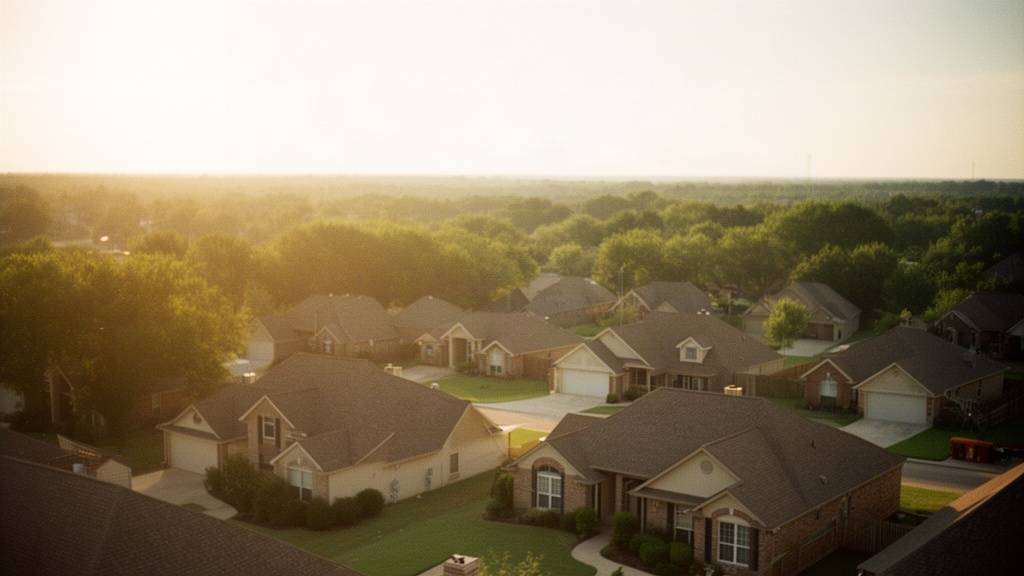
Single family homes in Bridgeport are predominantly brick bungalows and two-story frame houses, most built between 1900 and 1960. The Chicago bungalow is the defining architectural form here: a one-and-a-half-story brick structure with a raised basement, a front porch, and a footprint that typically runs about 1,000 to 1,400 square feet of finished living space before any basement conversion. Many owners have finished their basements over the decades, which can add meaningful square footage to the livable area.
You will also find two-flats and three-flats throughout the neighborhood, which are technically multi-unit buildings but are often owner-occupied with one unit rented out. If you are specifically looking for a detached single family home, expect to focus your search on the interior residential blocks rather than the main commercial streets. Lot widths in Bridgeport typically run 25 feet, which is standard for the South Side bungalow belt. Larger corner lots and double lots do appear occasionally and tend to command a premium.
2. Bridgeport Chicago Single Family Home Prices Right Now in 2026
Prices in Bridgeport have risen sharply. As of September 2026, detached single family homes in Bridgeport are trading at a median price of approximately $589,000, reflecting year-over-year growth of around 13.1 percent. That figure represents a meaningful shift from where the neighborhood was trading even 12 to 18 months ago, and it puts Bridgeport well above the citywide median for detached homes in many comparable South Side communities.
For more detail on how those figures have moved month by month, the June 2026 Bridgeport housing market update from Option Premier provides a granular look at detached home price trends in the neighborhood. The trajectory there is consistent with what buyers are experiencing on the ground right now in September 2026: inventory is limited, homes are moving, and prices have not softened.
Detached Home Prices in September 2026
Here is a practical breakdown of what buyers are encountering at different price points in Bridgeport right now.
- Entry-level detached homes (under $450,000): These are typically smaller bungalows in need of cosmetic or mechanical updates, often with original kitchens and bathrooms. They appear infrequently and move quickly when they do.
- Mid-range detached homes ($450,000 to $600,000): This is the most active price band in the neighborhood. Homes here are typically updated bungalows or two-story frame houses with finished basements, updated kitchens, and one-car or two-car garages. Many have had mechanical systems replaced within the last decade.
- Upper range ($600,000 to $750,000+): Fully renovated homes with open floor plans, new additions, or double lots. Some new construction infill homes also appear in this range, though they are rare given the density of the existing housing stock.
- Median price as of September 2026: Approximately $589,000 for detached single family homes, up roughly 13.1 percent year over year.
How Prices Have Changed Over the Past Year
The 13.1 percent annual gain in Bridgeport detached home prices significantly outpaces the broader Chicago market's year-over-year appreciation rate, which has been running in the mid-single digits for most of 2026. This acceleration reflects a combination of constrained inventory, buyer demand from people priced out of closer-in neighborhoods like Pilsen and McKinley Park, and the neighborhood's relative proximity to the Loop. Chicago's overall housing market has remained undersupplied throughout 2026, which you can track through the Illinois REALTORS market statistics page for monthly statewide and metro-level data.
Price Per Square Foot and What Drives It
On a per-square-foot basis, Bridgeport detached homes are trading in the range of $280 to $380 per square foot in September 2026, depending on condition, lot size, and whether the basement is finished. Fully gut-renovated homes with open layouts and high-end finishes push toward the top of that range. Original-condition bungalows with deferred maintenance sit at the lower end. The spread matters because a 1,200-square-foot bungalow that appears modestly priced on a per-listing basis can still require $80,000 to $150,000 in updates to reach modern standards, which buyers should factor into their total cost of ownership.
3. What the Buying Process Looks Like in Bridgeport Right Now
Buying a single family home in Bridgeport in September 2026 is a competitive process. Well-priced, updated homes in the $450,000 to $600,000 range routinely attract multiple offers within the first weekend on market. Buyers who are not pre-approved and ready to move quickly are frequently losing out to those who are. If you are a first-time buyer navigating this process for the first time, the First-Time Home Buyer Guide for Chicago Illinois on this site walks through the full pre-approval and offer process in detail.
How Competitive Is the Market
Inventory in Bridgeport has been running low throughout 2026, typically with fewer than 15 to 20 active detached single family listings at any given time. That is a thin supply for a neighborhood of Bridgeport's size, and it means buyers do not have the luxury of waiting. Days on market for updated homes has been running under 20 days, and some properties go under contract in under a week. Homes that sit longer are usually priced above market, in significantly distressed condition, or both.
What Buyers Are Competing Against
In Bridgeport, buyers are competing with a mix of owner-occupant purchasers and investors looking for rental properties or fix-and-flip opportunities. Investor activity tends to be concentrated at the lower end of the price range, where distressed bungalows can be acquired and renovated. At the $500,000 and above level, the competition is primarily other owner-occupants, which generally means cleaner offers with standard contingencies rather than all-cash waiver strategies. That said, escalation clauses and appraisal gap coverage have become common tools in competitive offer situations throughout Chicago's South Side in 2026.
Financing and Inspection Considerations for Older Homes
Because most Bridgeport single family homes were built before 1960, buyers should anticipate older mechanical systems, knob-and-tube or aluminum wiring in some cases, and potential issues with aging sewer laterals. A thorough home inspection is essential, and buyers financing with FHA or VA loans should be aware that certain property conditions (peeling paint, roof condition, electrical issues) can trigger repair requirements before closing. Conventional financing is generally more flexible, but appraisals on older homes can come in below the contract price if the comparables do not fully support rapid appreciation. Having a contingency plan for an appraisal gap is worth discussing with your lender before you make an offer.
4. Commute Times, Transit Access, and Getting Around from Bridgeport
Bridgeport offers solid transit access to downtown Chicago. The neighborhood sits close enough to the Loop that both driving and public transit are practical options for most commuters, which is one of the reasons demand for single family homes here has remained elevated even as prices have risen.
CTA Red Line and Bus Routes
The CTA Red Line runs along the eastern edge of Bridgeport, with the Sox-35th Street station at 35th and State Street providing direct service north to the Loop and beyond. A Red Line ride from Sox-35th to the Roosevelt stop in the South Loop takes approximately 5 to 8 minutes. Reaching the Washington or Monroe stops in the heart of the Loop adds another 3 to 5 minutes. Total door-to-door commute time from a Bridgeport home to a Loop office, including the walk to the station, typically runs 25 to 40 minutes depending on exactly where you are starting and ending.
The CTA also operates several bus routes through Bridgeport, including the 8 Halsted and the 35 35th Street routes, which connect the neighborhood to adjacent communities and CTA rail stations. For buyers who work somewhere other than the Loop, such as the Illinois Medical District, the University of Chicago in Hyde Park, or the Pilsen arts corridor, Bridgeport's central South Side position makes those destinations accessible without requiring a trip all the way into downtown first.
Driving to the Loop and Other Employment Centers
By car, Bridgeport is approximately 15 to 25 minutes from the Loop during off-peak hours via the Dan Ryan Expressway (I-90/94), which runs along the neighborhood's western boundary. During peak morning and evening rush hours, that drive can stretch to 35 to 45 minutes depending on traffic conditions. The proximity to the Dan Ryan also makes Bridgeport a reasonable starting point for commuters heading south toward the University of Chicago Medical Center in Hyde Park, which is about 3 miles east, or northwest toward O'Hare International Airport via the expressway system.
5. Parks, Amenities, and What Is Around the Neighborhood
Bridgeport has a meaningful amount of green space relative to its density. McGuane Park, located at 29th and Halsted, is a full-service Chicago Park District facility with a fieldhouse, outdoor pool, athletic fields, and a playground. It serves as a central community gathering point for the neighborhood. Armour Square Park, near 33rd and Shields, is another Chicago Park District property that includes tennis courts and additional athletic facilities.
Green Space and Recreational Facilities
The Chicago River runs along Bridgeport's northern edge, and the city has invested in improving river access and trail connectivity along the South Branch in recent years. Bridgeport also sits adjacent to the Chinatown neighborhood to the north, where Ping Tom Memorial Park offers riverfront green space, a boathouse, and kayak launch access along the river. For residents who want lakefront access, the Museum Campus and Northerly Island are reachable by car in about 10 minutes or by bus connections through the South Loop.
Local Dining, Shopping, and Community Anchors
Wentworth Avenue through Bridgeport and into Chinatown offers one of the most diverse restaurant corridors on the South Side, with Chinese, Vietnamese, Thai, and Mexican dining options within a short walk or drive of most Bridgeport homes. Halsted Street has a cluster of local bars and casual restaurants that have served the neighborhood for decades, many of them long-standing institutions with loyal regulars. For grocery shopping, residents use a mix of smaller neighborhood grocers and larger stores accessible via the Dan Ryan or Halsted Street corridor. The Guaranteed Rate Field footprint along 35th Street also includes parking infrastructure that doubles as event space during non-game periods.
6. Key Considerations Before You Buy a Single Family Home in Bridgeport
Before you make an offer on a Bridgeport single family home, there are several practical factors worth understanding that go beyond the purchase price. These are the details that affect your total cost of ownership, your daily experience as a resident, and your ability to resell the property in the future.
Lot Sizes, Alley Access, and Parking
Standard Bridgeport lots run 25 feet wide by 125 feet deep, which is typical for the Chicago bungalow belt. Most homes have a detached one-car or two-car garage accessed from the rear alley. If a home you are considering does not have a garage, check whether the lot has alley access and whether there is room to build one, because off-street parking is a meaningful quality-of-life factor in a dense urban neighborhood. Chicago's city permit process for garage construction is manageable but adds cost and time, so factor that into your planning if the existing structure is absent or in poor condition.
Property taxes in Bridgeport run in the range of $5,000 to $9,000 annually for a typical single family home in the $450,000 to $600,000 price range, though this varies based on assessed value and any applicable exemptions such as the homeowner exemption or the senior freeze. Cook County property tax assessments are conducted on a triennial cycle, and Bridgeport is in the City of Chicago township, which means assessments are reviewed on a schedule that can result in meaningful changes to your tax bill following a reassessment year. Checking the current assessed value and the recent assessment history through the Cook County Assessor's website before closing is a straightforward step that can prevent surprises.
What to Research on Your Own: Schools and Local Data
School assignment in Bridgeport is handled through Chicago Public Schools, and the specific schools serving a given address depend on the attendance boundaries in effect at the time of enrollment. Those boundaries can change, and CPS also offers a range of selective enrollment, magnet, and charter options citywide. For the most accurate and current information about which schools serve a specific property, the Chicago Public Schools website and the Illinois State Board of Education are the appropriate sources to consult directly. School selection is a personal decision that deserves direct research rather than reliance on any third-party summary.
For other local data points such as permit activity, zoning, and municipal services, the City of Chicago's data portal (data.cityofchicago.org) is a publicly available resource that lets you look up information by address. If you are relocating to Chicago from outside the city and want a broader overview of how to approach the neighborhood research process, the Relocating to Chicago, Illinois guide on this site covers how to think about neighborhood selection across the city.
If you are also considering selling a home in Chicago as part of this move, the article on selling a home in Chicago, pricing, timeline and what to expect provides a detailed look at what the process involves on the sell side.
FAQ
Is Bridgeport Chicago a good area to buy a single family home in 2026?
Bridgeport offers a dense, established housing stock of brick bungalows and two-story frame homes within 3.5 miles of the Loop, with CTA Red Line access via the Sox-35th Street station. Prices have risen approximately 13.1 percent year over year as of September 2026, reaching a median of around $589,000 for detached homes. Whether that price trajectory and the neighborhood's specific characteristics align with your goals is a personal decision that depends on your budget, your commute needs, and what you are looking for in a home. Buyers should research schools through Chicago Public Schools directly, review Cook County property tax history before closing, and budget for the mechanical updates that older bungalow-era homes commonly require.
What is the median price for a single family home in Bridgeport Chicago right now?
As of September 2026, the median price for a detached single family home in Bridgeport is approximately $589,000, up roughly 13.1 percent from September 2025. Entry-level bungalows in need of updates can be found below $450,000 when they appear, while fully renovated homes or those on larger lots push above $650,000. Price per square foot currently runs between approximately $280 and $380 depending on condition and lot size. Inventory is limited, with typically fewer than 20 active detached listings at any given time, which keeps upward pressure on prices.
How long does it take to commute from Bridgeport to the Loop in Chicago?
By CTA Red Line from the Sox-35th Street station, the ride to the Roosevelt stop in the South Loop takes approximately 5 to 8 minutes, with the central Loop stations reachable in about 10 to 15 minutes of total train time. Door-to-door commute time including the walk to the station typically runs 25 to 40 minutes. By car via the Dan Ryan Expressway, the drive to the Loop is 15 to 25 minutes during off-peak hours and can extend to 35 to 45 minutes during morning and evening rush. Several CTA bus routes also serve the neighborhood for connections to adjacent communities and rail stations.