← Back to Blog
Neighborhoods
Jumeirah, Dubai: Your Most Experienced Real Estate Market Guide to Prices, Neighborhoods and Timing
By Mohan Soneri
September 26, 2026 · 12 min read
Jumeirah is one of Dubai's most established coastal communities, stretching from the edge of Bur Dubai all the way to the base of Palm Jumeirah, and its real estate market is among the most layered and price-diverse in the entire emirate. This guide covers everything you need to know: current property prices, how the sub-areas differ from one another, what types of homes are available, and how to think about timing your purchase or sale in September 2026. Whether you are relocating to Dubai, buying your first home here, or selling an existing property, Jumeirah rewards buyers and sellers who understand its nuances.
1. What Makes Jumeirah Different From the Rest of Dubai
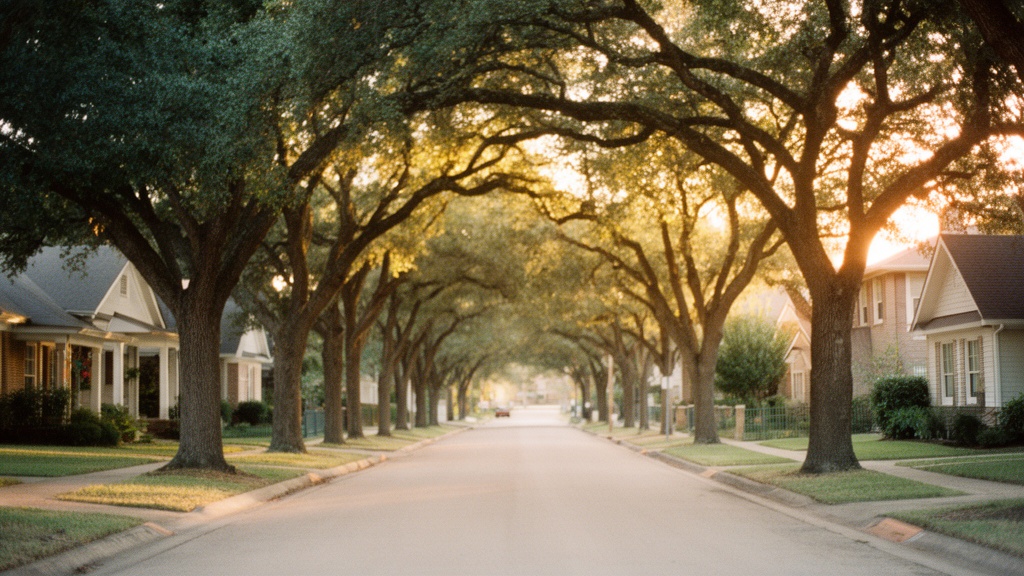
Jumeirah stands apart because it is one of the very few areas in Dubai where low-rise residential living sits directly alongside the Arabian Gulf coastline. Most of Dubai's waterfront development is high-rise: towers in Dubai Marina, mixed-use blocks in Business Bay, and the Palm's signature fronds. Jumeirah is different. The dominant housing form here is the detached and semi-detached villa on a generous plot, and the neighbourhood's beach road runs for roughly 15 kilometres from near the Jumeirah Mosque all the way toward Umm Suqeim.
A Coastal Strip With Distinct Character
The area developed primarily through the 1970s and 1980s, which means the original housing stock is older than most of Dubai's newer master-planned communities. Many of those original villas have since been demolished and replaced with contemporary builds, so the street-by-street mix of architectural eras is wide. You will find a 1980s villa sitting beside a 2022 contemporary build on the same block, and that contrast is part of what gives Jumeirah its texture.
The Jumeirah Mosque, completed in 1979 and one of the most photographed landmarks in Dubai, sits at the northern end of the area and marks the boundary with Satwa. Kite Beach and Sunset Beach are both within the Jumeirah corridor and draw residents throughout the cooler months from October through April.
Land Use and Ownership Rules
Much of Jumeirah 1, 2, and 3 is designated as non-freehold land, meaning ownership is restricted to UAE and GCC nationals. This is a critical point that international buyers often miss. If you hold a non-GCC passport, your purchasing options within Jumeirah itself are concentrated in specific freehold pockets and on Jumeirah Bay Island, which operates under a separate freehold designation. Always confirm the ownership category of a specific plot before making an offer. Your agent should pull the title deed classification from the Dubai Land Department records as a first step.
For UAE and GCC nationals, the non-freehold zones open up the widest selection of plots and villas in the area. For everyone else, Jumeirah Bay Island and select freehold buildings are the primary entry points. Understanding this distinction up front saves considerable time during your property search.
2. Jumeirah's Sub-Areas: What Each One Offers
Jumeirah is not a single homogeneous neighbourhood. It divides into three numbered sub-communities plus Jumeirah Bay Island, and each has a distinct character in terms of plot sizes, proximity to the beach, and price range.
Jumeirah 1
Jumeirah 1 is the closest sub-area to central Dubai, sitting roughly 10 to 12 kilometres from the DIFC and about 8 kilometres from the Burj Khalifa. The plots here tend to be smaller than those further south, and the area has a denser street grid. Jumeirah 1 contains some of the area's most recognisable retail strips, including the stretch of Beach Road lined with cafes, boutiques, and the Mercato Shopping Mall. Villa sizes in this sub-area typically run from around 3,000 to 6,000 square feet of built-up area on plots ranging from 5,000 to 10,000 square feet.
Jumeirah 2
Jumeirah 2 sits in the middle of the corridor and is characterised by slightly larger plots and a quieter internal street network. The area is roughly 14 to 16 kilometres from the DIFC via Al Wasl Road or the coastal road. Jumeirah 2 contains several international schools and a concentration of community parks, including Safa Park on its eastern boundary, which covers approximately 64 hectares and is one of the largest public green spaces in Dubai.
Jumeirah 3 and the Beach Road Corridor
Jumeirah 3 transitions into Umm Suqeim and sits closest to Kite Beach, one of the most active public beaches in Dubai. Plot sizes in Jumeirah 3 are among the largest in the corridor, and the area has seen consistent redevelopment activity over the past decade. Contemporary villas with private pools on plots exceeding 12,000 square feet are more common here than in Jumeirah 1. The drive to the DIFC from Jumeirah 3 typically runs 20 to 25 minutes during off-peak hours and can extend to 35 to 45 minutes during the morning rush between 7:30 and 9:00 am.
Jumeirah Bay Island
Jumeirah Bay Island is a man-made island connected to the Jumeirah 2 coastline by a single access bridge. It is a freehold development, which makes it accessible to international buyers, and it operates at the very top of the Jumeirah price spectrum. The island is home to the Bulgari Resort and Residences, and the residential product includes ultra-luxury villas and branded apartments.
According to a recent report covered by Arabian Business, Jumeirah Bay Island property prices jumped 24% in a single reporting period, making it one of the fastest-appreciating micro-markets in all of Dubai. That growth is driven by the scarcity of supply on the island combined with sustained demand from international ultra-high-net-worth buyers.
3. Current Property Prices in Jumeirah: September 2026
Jumeirah covers a wider price range than most buyers expect, from mid-market villas in Jumeirah 1 to nine-figure mansions on Jumeirah Bay Island. The figures below reflect transaction data as of September 2026.
Villa Prices
Entry-level villas in Jumeirah 1, typically older builds of 3 to 4 bedrooms on plots of around 5,000 to 7,000 square feet, are currently transacting in the range of AED 8 million to AED 14 million. Mid-range contemporary villas in Jumeirah 2 and Jumeirah 3, with 4 to 5 bedrooms, private pools, and built-up areas of 5,000 to 8,000 square feet, are generally priced between AED 15 million and AED 30 million. At the top of the market, newly built or fully renovated villas on large plots in Jumeirah 3 or with beach access are listed from AED 35 million upward.
On Jumeirah Bay Island, villa pricing starts at approximately AED 60 million for the smaller island villas and extends well beyond AED 200 million for the largest plots with full sea views. These are among the highest per-square-foot residential prices recorded anywhere in Dubai.
Apartment and Townhouse Prices
Apartment supply within Jumeirah proper is limited compared to areas like Dubai Marina or Downtown Dubai, but it exists in low-rise boutique buildings and small complexes scattered through Jumeirah 1 and 2. A 1-bedroom apartment in a well-maintained Jumeirah building currently ranges from approximately AED 1.4 million to AED 2.5 million. Two-bedroom units in the same stock run from AED 2.2 million to AED 4 million. These figures are for the non-freehold zones, so the buyer pool for apartments in these buildings is primarily GCC nationals.
Branded apartments on Jumeirah Bay Island, specifically within the Bulgari Residences, are a separate category entirely. These units trade at AED 10,000 to AED 15,000 per square foot and above, which places them in the same price tier as the most expensive units in Downtown Dubai and Palm Jumeirah. For context on how Jumeirah Bay Island compares to Palm Jumeirah pricing, the Palm Jumeirah real estate market guide on this site covers the Palm's current price benchmarks in detail.
Price Per Square Foot Context
For standard Jumeirah villas, the price per square foot of built-up area currently sits in the range of AED 2,000 to AED 4,500 depending on the sub-area, plot size, build quality, and proximity to the beach. Older villas in need of renovation trade closer to the AED 2,000 mark, while turnkey contemporary builds with pools and landscaped gardens push toward AED 4,000 and above. The land value itself is a significant component of the price in Jumeirah, more so than in many newer communities where the built structure carries more of the value.
4. Commutes, Amenities and Daily Infrastructure
Jumeirah's location on the western coast of Dubai puts it within reasonable driving distance of most major business districts, though it is not served by the Dubai Metro, which is a practical consideration for households without a car.
Getting to Key Business Districts
From Jumeirah 1, the drive to the DIFC via Al Wasl Road or Sheikh Zayed Road takes approximately 10 to 15 minutes off-peak and 20 to 30 minutes during morning rush hour. From Jumeirah 3, the same journey adds roughly 10 minutes to each estimate. Dubai Media City and Dubai Internet City are accessible from Jumeirah via the coastal road in 15 to 25 minutes depending on traffic. Dubai International Airport is approximately 25 to 40 minutes from most parts of Jumeirah, using the Al Khail Road interchange.
The area is served by several RTA bus routes along Beach Road and Al Wasl Road. Taxis and ride-hailing services are readily available throughout the day. The nearest Dubai Metro stations are at the World Trade Centre and Mall of the Emirates, both requiring a short drive or taxi connection from within Jumeirah.
Schools, Retail and Healthcare
Jumeirah contains a concentration of international schools operating under various curricula, including British, American, and IB frameworks. School fees, admission criteria, and curriculum details vary significantly between institutions. Prospective buyers with school-age children should research schools directly through the Knowledge and Human Development Authority (KHDA), which publishes inspection reports and fee schedules for every licensed school in Dubai. The KHDA's official portal is the most reliable source for current, verified data.
For retail, Jumeirah's Beach Road strip offers independent boutiques, cafes, and specialty grocery stores. The Mercato Mall in Jumeirah 1 and the Jumeirah Plaza provide everyday shopping. The Mall of the Emirates, which anchors the Jumeirah-Umm Suqeim boundary, is roughly a 10-minute drive from Jumeirah 3 and offers a full department store, hypermarket, and cinema complex. Mediclinic City Hospital and several specialist clinics serve the area from nearby locations.
The Better Homes area guide for Jumeirah provides a useful overview of the community's amenities and property types for buyers who want a broad orientation before going deeper into specific sub-areas. You can read it at the Better Homes Jumeirah area guide.
5. Timing Your Buy or Sale in Jumeirah
Timing in Jumeirah follows Dubai's broader seasonal rhythm, but the villa-dominated market here has some specific dynamics worth understanding before you list or make an offer.
The September Market Window
September 2026 sits at the start of Dubai's active transaction season. The summer months of June through August see reduced viewing activity as temperatures peak and many residents travel. From September onward, buyer activity picks up steadily, and the October to February window historically produces the highest transaction volumes across Dubai's residential market. Sellers who list in September position their properties to capture the first wave of returning buyers and relocating professionals before inventory builds through the autumn.
If you are weighing whether to list now or wait, the article on whether September or winter is the better time to list a property in Dubai covers the seasonal data in detail and is worth reading before you make that decision.
How Long Properties Take to Sell
Jumeirah villas at accurate market pricing currently sell in approximately 45 to 90 days from listing to signed agreement, depending on the sub-area and price tier. Entry-level and mid-range villas in Jumeirah 1 and 2 tend to move faster because the buyer pool is larger at those price points. Ultra-luxury villas above AED 30 million and Jumeirah Bay Island properties have a smaller pool of qualified buyers and typically take longer, often 3 to 6 months, to find the right match.
Overpricing is the single most common reason a Jumeirah villa sits unsold. Buyers in this market are well-informed and have access to transaction data through the Dubai Land Department's Oqood and DLD transaction records. A property priced 10 to 15 percent above comparable sales will attract viewings but rarely produces offers. Accurate pricing from the start shortens the selling timeline and generally produces a better final sale price than a series of reductions.
For sellers who need to move quickly, the guide on selling a Dubai property quickly and for the highest price outlines the specific steps that consistently produce faster closings without sacrificing on price.
6. What Buyers and Sellers Often Overlook in Jumeirah
Even experienced property buyers make avoidable mistakes in Jumeirah because the market has specific rules and conditions that do not apply to newer freehold communities.
Renovation Costs and Plot Potential
Many Jumeirah villas are purchased as demolish-and-rebuild projects rather than move-in-ready homes. A buyer paying AED 10 million for a dated villa in Jumeirah 1 may plan to spend an additional AED 3 to 5 million on a complete rebuild, ending up with a contemporary home at a total cost that is still below what a finished contemporary villa would sell for. This is a legitimate strategy, but it requires accurate contractor quotes, knowledge of Dubai Municipality building regulations, and a realistic timeline. Full rebuilds in Jumeirah typically take 18 to 24 months from permit to handover.
Transaction Costs Buyers Need to Budget For
The Dubai Land Department transfer fee is 4 percent of the purchase price, paid at the time of title deed transfer. On a AED 20 million Jumeirah villa, that is AED 800,000 in transfer fees alone. In addition, buyers pay a registration trustee fee of approximately AED 4,000, a mortgage registration fee of 0.25 percent of the loan amount if financing is used, and real estate agency commission of typically 2 percent of the purchase price. The full breakdown of these costs is covered in the article on Dubai Land Department transfer fees and who pays them.
Annual ownership costs in Jumeirah are relatively modest compared to apartment communities with high service charges. Most standalone villas in Jumeirah 1, 2, and 3 do not sit within a managed community, so there is no mandatory service charge. Owners pay for their own maintenance, utilities, and any shared infrastructure directly. For a full picture of what Dubai property owners pay to the government each year, the article on property taxes and annual ownership fees in Dubai covers the specifics.
Mortgage Availability in Non-Freehold Areas
UAE banks do lend on properties in Jumeirah's non-freehold zones, but the lending criteria and loan-to-value ratios may differ from freehold areas. Most banks require a minimum down payment of 20 percent for UAE residents and 40 percent for non-residents purchasing in freehold zones. For non-freehold properties, some banks apply additional conditions or require the borrower to be a UAE or GCC national. Confirm financing options with at least two banks before signing a memorandum of understanding, as the financing structure affects your timeline and negotiating position.
FAQ
Can non-UAE nationals buy property in Jumeirah?
Most of Jumeirah 1, 2, and 3 is designated as non-freehold land, meaning ownership is legally restricted to UAE and GCC nationals. International buyers from outside the GCC can purchase in freehold pockets within Jumeirah and on Jumeirah Bay Island, which is a fully freehold development accessible to all nationalities. Before making any offer, confirm the freehold or non-freehold status of the specific plot with the Dubai Land Department. Working with an agent who knows the area thoroughly saves significant time in filtering listings to those you are legally eligible to buy.
What is the price range for a villa in Jumeirah right now?
As of September 2026, villa prices in Jumeirah range from approximately AED 8 million for older 3 to 4 bedroom properties in Jumeirah 1 up to AED 35 million and beyond for contemporary 5 to 6 bedroom builds on large plots in Jumeirah 3. On Jumeirah Bay Island, villa pricing starts around AED 60 million and extends to well over AED 200 million for the largest and most prominent plots. The wide range reflects differences in sub-area, plot size, build quality, age of the structure, and proximity to the beach. An accurate current valuation requires reviewing recent comparable sales in the same sub-area, which a knowledgeable local agent can pull from Dubai Land Department transaction records.
Is September a good time to buy or sell a property in Jumeirah?
September 2026 marks the opening of Dubai's active real estate season. Buyer activity picks up from September onward after the quieter summer months, and the period from October through February typically sees the highest transaction volumes across Dubai's residential market. For sellers, listing in September means capturing the first wave of returning residents and relocating professionals before competing inventory builds. For buyers, September offers the opportunity to view properties before the market gets more competitive in the winter months. Both buyers and sellers benefit from acting with accurate pricing information and a clear timeline, which a local agent with deep Jumeirah experience can help establish.