← Back to Blog
Market Trends
San Juan, Florida Real Estate Market Guide: Prices, Neighborhoods and Timing
By Molly Assad
September 10, 2026 · 10 min read
If you are trying to make sense of the San Juan, Florida real estate market, this guide covers what you actually need to know: where prices stand right now in September 2026, what the housing stock looks like across different parts of the area, and how to think about timing your move whether you are buying or selling.
1. How the San Juan, Florida Real Estate Market Is Positioned Right Now
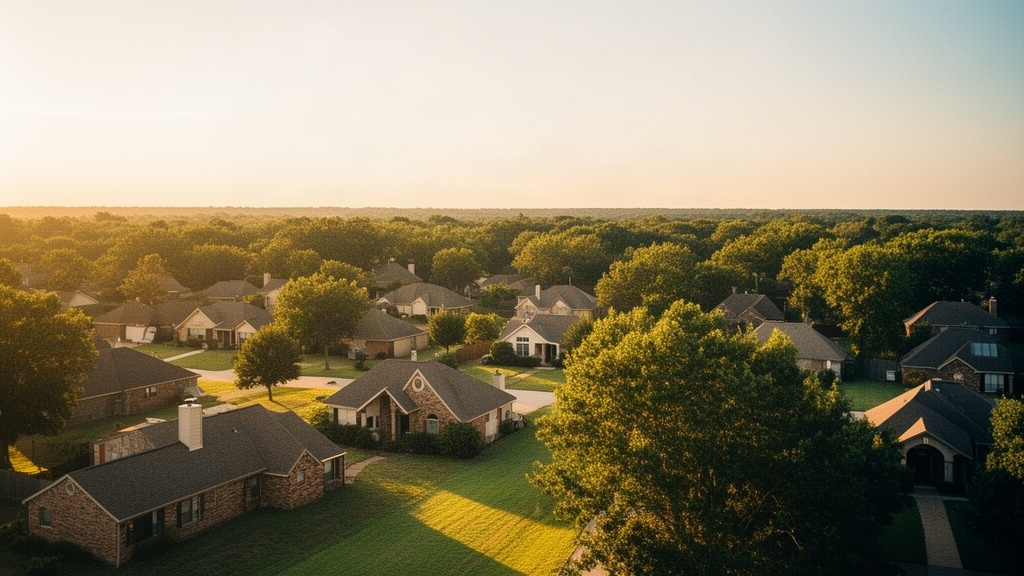
San Juan sits in the heart of Orange County, tucked between the urbanized corridors of Orlando to the north and the quieter residential stretches pushing toward the Osceola County line to the south. The market here is active but measured, reflecting conditions that have settled considerably from the frenzied pace of 2021 and 2022.
Where Prices Stand in September 2026
Median home values in San Juan currently sit in the low-to-mid $300,000s for single-family homes, with entry-level properties starting closer to $270,000 and larger four-bedroom homes on generous lots pushing past $420,000. Attached housing, including townhomes and villas, generally ranges from $225,000 to $310,000 depending on age, condition, and HOA amenities. For a deeper look at how those figures have shifted over recent months, the September 2026 price breakdown for San Juan covers the month-over-month movement in detail.
Price per square foot has stabilized in the $185 to $215 range for most resale homes, a meaningful cooldown from the $230-plus readings seen during peak demand. Sellers who priced aggressively in early 2026 found themselves making reductions, while homes priced accurately from day one continued to move within reasonable timeframes.
How San Juan Fits Into the Broader Florida Picture
Florida's statewide market has reached a notable inflection point in 2026. According to Florida Realtors, inventory has grown across most metro areas while price appreciation has slowed, shifting negotiating leverage back toward buyers in many segments. San Juan reflects that statewide shift: more homes are available compared to this time in 2025, and buyers have more room to negotiate on condition credits and closing cost contributions.
That does not mean prices are falling sharply. The Orlando metro, which includes Orange County and therefore San Juan, recorded home price appreciation in Q1 2026 consistent with the national trend reported by NAR showing gains in 71 percent of metro areas. The local market is correcting toward balance, not reversing.
2. Housing Stock and Neighborhood Character Across San Juan
Understanding what you will find on the ground in San Juan is essential to any real estate market guide for this area. The housing stock is more varied than many people expect, ranging from mid-century concrete block homes built in the 1960s and 1970s to newer subdivisions constructed in the 2010s.
Single-Family Homes and Lot Sizes
The dominant housing type in San Juan is the detached single-family home. Older blocks feature three-bedroom, two-bathroom homes on lots ranging from 6,000 to 9,000 square feet, many with carports rather than enclosed garages. These properties typically run 1,100 to 1,500 square feet of living space and appeal to buyers who want a concrete block structure with room to expand or renovate.
Newer subdivisions built between 2005 and 2020 tend to offer four-bedroom floor plans in the 1,800 to 2,400 square foot range, with two-car garages, covered lanais, and community amenities like pools and playgrounds. These homes sit on smaller lots, often 5,000 to 6,500 square feet, but the interior square footage and finishes are meaningfully updated compared to older stock.
Townhomes, Villas, and Attached Housing
Attached housing in and around San Juan covers a wide spectrum. Older villa communities built in the 1980s and 1990s offer two-bedroom, two-bathroom layouts at price points that remain accessible for first-time buyers or those downsizing from a larger home. Monthly HOA fees in these communities typically run $200 to $400 and cover exterior maintenance, landscaping, and community amenities.
Newer townhome communities, some constructed as recently as 2022 and 2023, offer three-bedroom layouts with two-car garages and modern kitchens. These properties sit closer to the $290,000 to $330,000 range and often carry HOA fees of $150 to $250 per month. Buyers comparing townhomes to single-family homes should factor the HOA into their monthly cost calculations before deciding.
Proximity to Orlando and Commute Realities
San Juan's location in Orange County places it roughly 10 to 15 miles from downtown Orlando, depending on which part of the community you are coming from. The Florida Turnpike and State Road 441 are the primary arteries connecting San Juan to employment centers in Orlando, the theme park corridor along US-192, and points south toward Kissimmee and Osceola County.
Drive times to downtown Orlando average 20 to 30 minutes outside of peak hours, stretching to 40 to 50 minutes during morning and evening rush. Buyers who work in the Lake Nona medical city corridor, roughly 8 to 12 miles east, often find San Juan's location particularly practical given that commute direction tends to run counter to the heaviest traffic flows.
3. What Drives Prices in San Juan, Florida
Several forces shape the price trajectory in this specific part of Orange County. Knowing them helps both buyers and sellers make smarter decisions about value and negotiation.
Land Constraints and Infill Pressure
San Juan is a largely built-out community with limited vacant land for new development. That constraint keeps resale inventory from being overwhelmed by new construction in the way that some outer-ring suburbs experience. When a well-maintained home in an established block comes to market here, it competes against a finite pool of comparable properties rather than an endless pipeline of brand-new builds.
Infill lots do exist, and occasional teardowns create opportunities for new construction on existing streets. These projects typically produce homes priced at a premium to surrounding resale stock, which in turn provides a ceiling reference that supports values across the immediate area.
Interest Rate Sensitivity in This Price Range
Homes in the $270,000 to $420,000 range are heavily financed, meaning mortgage rate movements have an outsized effect on buyer purchasing power here. When rates moved above 7 percent in late 2023 and into 2024, a meaningful portion of potential buyers in this price tier were priced out of their target payment. As rates have moderated into the mid-to-upper 6 percent range through 2026, more buyers have re-entered the market, which is one reason inventory has been absorbed steadily rather than piling up.
A one-point shift in mortgage rates changes the monthly payment on a $330,000 loan by roughly $200 per month. Buyers who are watching rates closely and waiting for a specific threshold should work with a lender to model their exact payment at different rate scenarios rather than trying to time the market by feel.
New Construction Competition
While San Juan itself has limited land for large-scale new construction, the surrounding areas of south Orange County and northern Osceola County have active builder communities within 10 to 20 miles. Builders in those corridors have been offering rate buydowns and closing cost incentives throughout 2026, which pulls some buyer demand away from San Juan resale inventory. Sellers of older homes need to price accurately and present their properties competitively to win buyers who might otherwise consider a new build with a builder incentive package.
4. Timing the Market: What Buyers and Sellers Should Know
Timing is one of the most common questions in any real estate market guide, and the honest answer is that the right time depends more on your personal circumstances than on any single market indicator. That said, there are seasonal and cyclical patterns in San Juan worth understanding.
The Best Windows for Buyers
September and October tend to bring a secondary opportunity for buyers in Central Florida. The spring buying rush has passed, sellers who listed in March through June and did not find a buyer are often more flexible on price and terms, and new listings that come to market in the fall face less competition from other buyers. This window, which we are entering right now in September 2026, is worth taking seriously if you have been on the sidelines.
January and February also present a quieter buying environment in San Juan, though inventory is typically thinner. The trade-off is less competition but fewer choices. Buyers with flexible timelines who can move quickly when the right property appears often do well entering the market in late fall or early winter.
When Sellers See the Most Activity
The highest buyer traffic in San Juan consistently runs from late February through May. Families planning to move before the next school year drive a surge of showings and offers during this period, and sellers who are market-ready by late February capture the widest audience. Homes listed in this window with accurate pricing and strong presentation have historically moved faster and with fewer price reductions than those listed in summer or fall.
For sellers thinking about listing in spring 2027, the preparation work starts now. Deferred maintenance items like roof condition, HVAC service records, and exterior paint take time to address. Sellers who start those projects in fall 2026 are positioned to list in February or March without scrambling.
How to Read Inventory Signals
Months of supply is the most useful single metric for understanding where negotiating power sits. A reading below three months generally favors sellers; above six months generally favors buyers; the range between three and six months is considered balanced. In San Juan right now, inventory is running in the three-to-four month range for single-family homes, which means the market is close to balanced with a slight seller edge in the most desirable price bands.
Days on market is the second signal worth tracking. Homes in San Juan that are priced correctly are going under contract in 20 to 35 days on average as of September 2026. Properties sitting past 45 days are almost always carrying a pricing problem, a condition issue, or both. You can read more about what drives those timelines in the full breakdown of how long it takes to sell a house in San Juan.
HousingWire's reporting on Florida's pricing realities in 2026 reinforces this point: sellers who anchor to peak-era comps rather than current data are consistently leaving their homes on the market longer and ultimately accepting lower prices than they would have with an accurate initial list price. You can read that analysis at HousingWire's Florida market coverage.
5. What to Look for When Evaluating a Specific Property in San Juan
A market guide for San Juan, Florida is only useful if it connects to the decisions you will face when you actually evaluate a specific home. Here are the factors that carry the most weight in this market.
Roof Age and Insurance Implications
Florida homeowners insurance has become a significant monthly cost, and roof age is the single biggest factor in what you will pay. Homes in San Juan with roofs older than 15 years are increasingly difficult to insure through standard carriers, and buyers who do not ask about roof age before making an offer sometimes face sticker shock when they receive insurance quotes during the inspection period. A roof replacement in Orange County currently runs $12,000 to $22,000 depending on size and materials, and that cost is a legitimate negotiating point.
Flood Zone Status
Orange County includes properties in both low-risk and moderate-to-high flood zones, and San Juan has pockets of each. Flood insurance through the National Flood Insurance Program adds $800 to $2,500 or more per year to carrying costs for properties in designated flood zones. Buyers should pull the FEMA flood map for any property they are seriously considering before falling in love with a price that does not account for that additional expense.
HOA Restrictions and Financial Health
Many of the newer subdivisions in and around San Juan are governed by homeowners associations. Before closing on any HOA property, buyers should request the association's financials, meeting minutes from the past two years, and a copy of the rules and restrictions. An HOA with inadequate reserves or a history of deferred maintenance on common areas is a liability that does not show up in the listing price but absolutely affects what you will pay over time.
For buyers who want to see what is currently available in the area, the homes for sale in San Juan guide walks through the current inventory landscape and what to expect at different price points.
FAQ
Is now a good time to buy a home in San Juan, Florida?
September 2026 is a reasonable entry point for buyers in San Juan. Inventory is higher than it was in 2023 and 2024, which means more choices and less pressure to waive contingencies. Sellers who have been on the market since spring are often willing to negotiate on price or contribute toward closing costs. Mortgage rates in the mid-to-upper 6 percent range are not ideal, but they are more predictable than the volatility of recent years. Buyers who find a home that fits their needs and budget should not wait for a perfect rate environment that may not materialize on any predictable schedule.
What price range should I expect for a three-bedroom home in San Juan, Florida?
A three-bedroom, two-bathroom single-family home in San Juan currently ranges from approximately $280,000 on the low end for an older concrete block home needing updates, to $380,000 or more for a move-in-ready property in a newer subdivision with a two-car garage and updated kitchen. The condition of the roof, HVAC system, and kitchen and bathrooms drives most of the variance within that range. Attached three-bedroom townhomes run somewhat lower, typically $270,000 to $320,000, but carry monthly HOA fees that affect the total cost of ownership. Getting a precise current value for a specific property requires a comparative market analysis based on recent closed sales.
How do I know if a seller in San Juan is overpriced?
The clearest signal of overpricing is days on market relative to the current average. In San Juan right now, correctly priced homes are going under contract within 20 to 35 days. A home sitting past 45 days with no price reduction is almost certainly carrying a price that the market has already rejected. You can also compare the list price to recent closed sales for similar homes in the same area, adjusting for square footage, lot size, age, and condition. A local agent can pull those comparables quickly and give you an objective read on whether a specific listing is priced to sell or priced to sit.