← Back to Blog
Buying
What Types of Homes Are Available in San Juan, Florida Right Now: Single-Family, Townhomes, and Condos Explained
By Molly Assad
September 24, 2026 · 12 min read
If you are wondering what types of homes are available in San Juan, Florida right now, the short answer is that single-family houses make up the clear majority of the housing stock, but townhomes and condos do exist here, and knowing where each property type shows up can save you a lot of time in your search. San Juan sits in Orange County just north of Orlando, and its residential landscape reflects the broader Central Florida pattern of suburban subdivisions built across several decades, with pockets of attached housing mixed in. This guide breaks down every property type you are likely to encounter so you can walk into your search with a clear picture.
1. The Big Picture: How San Juan's Housing Stock Breaks Down
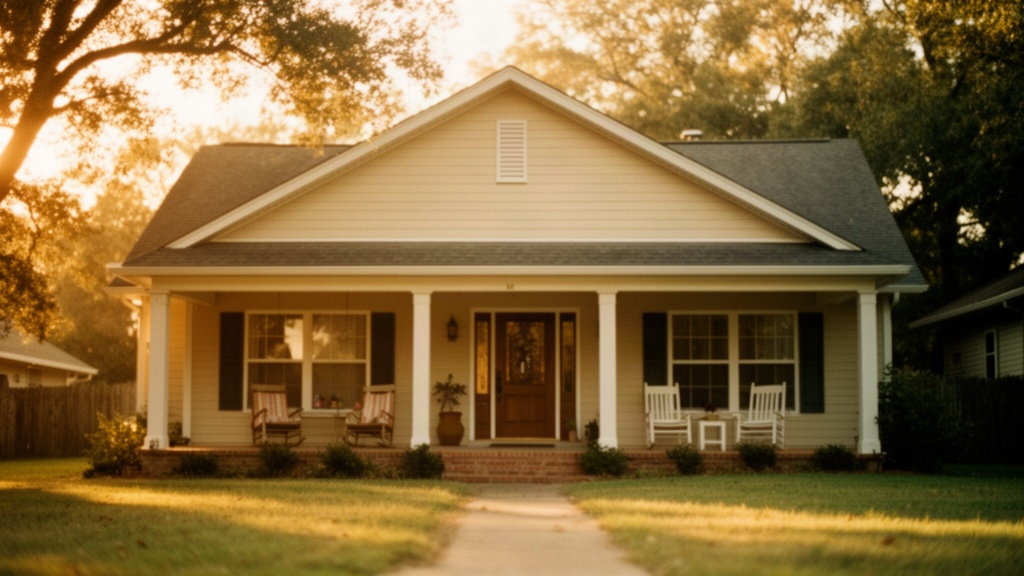
Single-family detached houses are the dominant property type in San Juan, Florida. They account for the large majority of homes on the market at any given time, and that is consistent with how the area developed over the past several decades. San Juan is an unincorporated community in Orange County, roughly bounded by State Road 436 to the south and sitting just minutes from Apopka and Maitland. Its residential character is primarily suburban, meaning the streets are lined with individual houses on defined lots rather than apartment towers or dense condo complexes.
That said, the housing mix is not purely single-family. Townhome communities have been built throughout the SR-436 corridor and along major collector roads, and there are condo units available closer to the commercial areas that border San Juan to the south and east. Understanding where each type concentrates helps buyers avoid searching the wrong pockets and helps sellers understand what they are competing with.
Single-Family Homes Dominate the Market
When buyers search for homes in San Juan, Florida right now, the overwhelming majority of active listings are detached single-family houses. This reflects the area's development pattern: most of the residential land was platted for suburban subdivisions starting in the 1960s and continuing through the 2000s, with individual lots ranging from about 6,000 square feet on the smaller end up to a quarter acre or more in the older, more established streets closer to Lake Weston and the surrounding lake chain.
How the Mix Has Shifted Over Time
The proportion of attached housing in San Juan has grown modestly over the past two decades as Central Florida developers responded to demand for lower-maintenance options near Orlando. Townhome communities built in the late 2000s and early 2010s added a meaningful layer of inventory to the area. Condo conversions and purpose-built condo buildings have also appeared along the SR-436 corridor, though they remain a small fraction of the overall market compared to what you would find closer to downtown Orlando or in communities like Altamonte Springs.
2. Single-Family Houses in San Juan: What to Expect
Single-family houses in San Juan cover a wide range of sizes, ages, and price points. Buyers will find everything from modest 1,100-square-foot, three-bedroom homes built in the 1970s to larger 2,500-plus-square-foot houses constructed in the 2000s with two-car garages and screened lanais. The variety is one of the practical strengths of the market here: there is genuine inventory across several price tiers, not just one narrow band.
Lot Sizes, Square Footage, and Price Ranges
As of September 2026, single-family homes in San Juan are trading across a broad price spectrum. Entry-level houses, typically older ranch-style homes from the 1970s and 1980s with around 1,100 to 1,400 square feet, are generally listed in the low-to-mid $300,000s. Mid-range homes in the 1,600 to 2,200 square foot range, often in subdivisions built in the 1990s and early 2000s, tend to fall between the mid-$300,000s and the low $500,000s depending on condition, updates, and lot position. Larger homes on oversized lots, particularly those with lake access or views of one of the area's many lakes, can move well above $500,000 and into the $700,000-plus range.
Lot sizes across San Juan's single-family neighborhoods vary considerably. Tighter subdivisions near SR-436 may have lots around 6,000 to 7,500 square feet, while older streets closer to the lake chain and the northern parts of the community often feature quarter-acre to half-acre lots with mature oak canopy. That difference in outdoor space is one of the more meaningful distinctions buyers notice when touring homes in person.
Architectural Styles You Will Actually See
The architectural character of San Juan's single-family stock is predominantly Florida ranch and traditional suburban. Homes from the 1970s and 1980s are typically single-story concrete block construction with low-pitched roofs, a format that was standard across Central Florida for its durability in the heat and humidity. Homes built in the 1990s and 2000s tend toward two-story designs with stucco exteriors, tile roofs, and the open floor plans that became common in that era. You will also find a smaller number of custom homes with more distinctive architectural details, particularly on lakefront lots where builders had more room to work with.
If you are evaluating a specific home's construction quality or age, a licensed home inspector familiar with Central Florida building practices is essential. Older concrete block homes can be excellent values, but they sometimes carry deferred maintenance on roofs, electrical panels, and HVAC systems that buyers need to price into their offers.
3. Townhomes in San Juan, Florida: Where They Exist and What They Cost
Townhomes are the second most common property type available in San Juan right now, though they represent a much smaller share of the market than single-family houses. They tend to cluster near the busier commercial corridors rather than deep in the residential streets, which makes sense given that townhome communities are typically developed on land that is zoned for higher-density residential use.
Location Patterns for Townhome Communities
Townhome communities in and immediately around San Juan generally sit along or near State Road 436, which is the main commercial spine connecting the area to Apopka to the northwest and Casselberry and Altamonte Springs to the southeast. Several townhome developments were built in the 2005 to 2015 window, offering two and three-story layouts with attached garages, small private patios, and community amenities like pools and tot lots. These developments typically sit on smaller footprints than single-family neighborhoods, so the buildings are closer together, but many include gated entries and maintained common areas.
Townhomes in this part of Orange County are also attractive for buyers who want proximity to the SR-434 and SR-436 interchange, which connects to I-4 and puts downtown Orlando roughly 15 to 20 minutes south by highway. For buyers relocating to the area and prioritizing commute access, that corridor is worth understanding. You can read more about commute patterns from this part of Orange County in the relocating to San Juan guide on this site.
HOA Structures and What They Cover
Virtually every townhome community in the San Juan area comes with a homeowners association, and the fees vary more than most buyers expect. Monthly HOA fees for townhomes in this part of Orange County currently range from roughly $150 to $350 per month depending on the community's amenities, age, and reserve fund health. Some associations cover exterior building insurance and roof maintenance, which is a meaningful financial benefit in Florida where roof replacement costs are significant. Others cover only landscaping and pool maintenance, leaving the owner responsible for the structure. Reading the HOA documents before making an offer is not optional here; it is one of the most important steps in the process.
As of September 2026, townhomes in the San Juan area are generally priced between the high $200,000s and the mid-$400,000s depending on size, condition, and community. Three-bedroom, two-and-a-half-bath townhomes with attached garages in well-maintained communities tend to land in the $320,000 to $380,000 range, which positions them as a more accessible entry point than many single-family houses in the same zip code.
4. Condos in San Juan: A Smaller Slice of the Market
Condos are available in San Juan, Florida, but they represent the smallest share of the housing mix compared to single-family homes and townhomes. Buyers specifically looking for condo inventory will find it, but they should expect fewer active listings at any given time and should be prepared to move quickly when a well-priced unit hits the market.
Where Condo Inventory Appears
Condo buildings and condo-conversion complexes in the San Juan area tend to appear near the SR-436 commercial corridor and at the edges of the community where it blends into Casselberry and the Maitland area. Some of these complexes were originally built as apartment communities and converted to condominiums in the early 2000s, a common pattern across Central Florida during that era. Others are purpose-built low-rise condo buildings, typically two to three stories, with surface or covered parking. The inventory mix can shift noticeably from month to month given the smaller total number of units.
Buyers considering a condo purchase should also be aware of the Florida-specific regulatory environment that has evolved since 2022. State legislation passed in response to structural safety concerns now requires condo associations in buildings three stories and taller to complete milestone inspections and maintain fully funded structural reserve accounts. These requirements affect monthly fees and can affect financing in older buildings. For a full breakdown of what condo buyers need to know in this market, the buying a condo in San Juan guide covers this in detail.
Pricing and Ownership Considerations
Condo prices in the San Juan area currently range from roughly the high $100,000s for smaller, older one-bedroom units in converted complexes up to the low-to-mid $300,000s for larger, updated two-bedroom units in well-maintained buildings. The lower entry price is one of the main draws, but buyers need to factor in HOA fees, which for condos in this area typically run $250 to $500 per month and sometimes higher in buildings with elevators, pools, and fitness facilities. The monthly carrying cost of a condo can rival that of a townhome or small single-family house once HOA fees are added to the mortgage payment.
Financing a condo also has additional layers compared to a single-family purchase. Lenders typically require the condo project to be on an approved list, and buildings with high investor-ownership ratios or pending special assessments can create financing complications. Working with a lender experienced in Florida condo loans before you start touring units is a practical step that saves time.
5. Other Property Types Worth Knowing About
Beyond the three main categories, San Juan's housing inventory includes a handful of other property types that buyers sometimes overlook. Knowing these exist can open up options that are not immediately obvious when searching online listings.
Manufactured and Mobile Homes
A small number of manufactured homes appear in the San Juan area, primarily in established mobile home parks or on individual lots in the more rural pockets of unincorporated Orange County that border the community. These properties can offer a lower purchase price, but buyers need to understand the land ownership situation clearly. Some manufactured homes sit on land the buyer owns outright; others sit on leased land in a park, which affects financing options and long-term equity. This distinction matters significantly for mortgage qualification.
Waterfront Properties Along Area Lakes
San Juan sits within Orange County's lake-rich landscape, and waterfront single-family homes on lakes like Lake Weston and nearby bodies of water are a distinct sub-category within the single-family market. These properties command a meaningful premium over comparable non-waterfront homes, and they come with their own considerations around flood zone designation, dock permitting, and insurance costs. The waterfront homes guide for San Juan covers the specific factors buyers and sellers need to understand in this niche.
Vacant Land and New Construction
Vacant residential lots appear occasionally in the San Juan area, though developable infill lots are not abundant given how built-out the community is. New construction activity in the broader area has been more active in adjacent communities like Apopka and parts of northwest Orange County, where larger tracts of land have been available for master-planned development. Some buyers who want a new home but are focused on the San Juan area find that looking at new construction in communities just to the north, within a 10 to 15-minute drive, expands their options meaningfully.
6. How to Match a Property Type to Your Situation
The right property type depends on what you are trying to accomplish, not just the price tag. Each of the main property types available in San Juan right now carries different ongoing cost structures, maintenance responsibilities, and financing considerations that affect the total cost of ownership over time.
Maintenance Expectations Vary Widely
Single-family homes give you the most control over your property but also the most maintenance responsibility. In Central Florida's climate, that means budgeting for roof maintenance, exterior painting, HVAC service, and landscaping. A house on a quarter-acre lot with mature trees is beautiful, but it also means regular yard work or a landscaping service. Buyers who want to minimize exterior maintenance often find that a townhome with an HOA covering lawn care and exterior upkeep is a better practical fit, even if the monthly fees feel like an added cost.
Condos represent the lowest individual maintenance burden since the association handles the building envelope, but the tradeoff is less control over costs and the risk of special assessments for major repairs. Florida's updated condo legislation means that reserve funds must now be more robustly maintained, which is better for long-term building health but can translate to higher monthly fees in older buildings that were previously underfunded.
Price Points Across Property Types in September 2026
To give buyers a working framework, here is how the three main property types in San Juan compare on price right now. Single-family homes span the widest range, from roughly $300,000 for an entry-level older ranch to $700,000 and above for a larger lakefront home. Townhomes cluster in the $270,000 to $400,000 range, with most of the active inventory in the $310,000 to $370,000 band. Condos start lower, with some units in the $180,000 to $220,000 range for smaller older units, and top out around $300,000 to $320,000 for updated two-bedroom units in better-maintained buildings.
These figures are consistent with the broader Orange County and Central Florida market trends tracked by Florida Realtors. According to Florida Realtors market data reports, single-family and condo/townhome segments are tracked separately at the MSA level, which gives buyers a useful tool for understanding how the two categories perform differently in terms of price appreciation and days on market.
For buyers who are still working through the full purchase process, the complete buyer guide for San Juan covers financing steps, offer timelines, and closing costs in detail.
FAQ
Are there mostly single-family homes for sale in San Juan, Florida, or is there a real mix of property types?
Single-family detached houses make up the clear majority of homes available in San Juan, Florida right now, but the market does include townhomes and condos as well. Townhomes are the second most common type, concentrated near the SR-436 corridor and in communities built between 2005 and 2015. Condos are the smallest segment, appearing primarily near commercial areas along the southern and eastern edges of the community. Buyers focused on a specific property type should filter their search accordingly, since the overall inventory numbers can be misleading if you are only interested in one category. Working with a local agent who knows where each property type is located saves significant time.
Do townhomes and condos in San Juan, Florida come with HOA fees, and how much are they?
Yes, virtually all townhomes and condos in the San Juan area are governed by a homeowners association, and fees vary considerably depending on the community, its age, and what the association covers. Townhome HOA fees in this part of Orange County currently run roughly $150 to $350 per month, with some communities covering exterior building insurance and roof maintenance while others cover only landscaping and pool upkeep. Condo fees tend to run higher, generally in the $250 to $500 per month range, and can be higher in buildings with more amenities or in older buildings that are now required under Florida law to maintain fully funded structural reserves. Reviewing the HOA financials, meeting minutes, and reserve study before making an offer is one of the most important steps in buying an attached property.
What is the price difference between a townhome and a single-family house in San Juan, Florida right now?
As of September 2026, townhomes in the San Juan area are generally priced between the high $200,000s and the mid-$400,000s, with most active inventory in the $310,000 to $370,000 range. Single-family homes span a wider band, from roughly $300,000 for an older entry-level ranch up to $700,000 and above for larger or lakefront homes. The price gap between a mid-range townhome and a comparable single-family house can be $50,000 to $100,000 or more, but buyers should factor in the HOA fees that come with townhomes, which add to the monthly carrying cost. In some cases the total monthly payment on a townhome with HOA fees is similar to or higher than a single-family home at a slightly higher purchase price. Running a side-by-side monthly cost comparison with your lender is a worthwhile step before deciding between the two types.