← Back to Blog
Neighborhoods
Amarillo Texas Neighborhoods: Prices & Housing Stock
By Natalia Molina Weatherly, Bilingual REALTOR®, GRI
Moreland Real Estate Group
September 8, 2026 · 11 min read
Amarillo Texas neighborhoods vary more than most buyers expect, from pre-war bungalows near downtown to large brick homes on the southwest side and brand-new construction spreading out along the Loop 335 corridor. This guide covers the prices, housing stock and what is nearby in each part of the city so you can compare areas on facts, not assumptions. Whether you are relocating, buying your first home, or sizing up for a move across town, here is what you need to know.
1. How Amarillo's Neighborhoods Are Laid Out
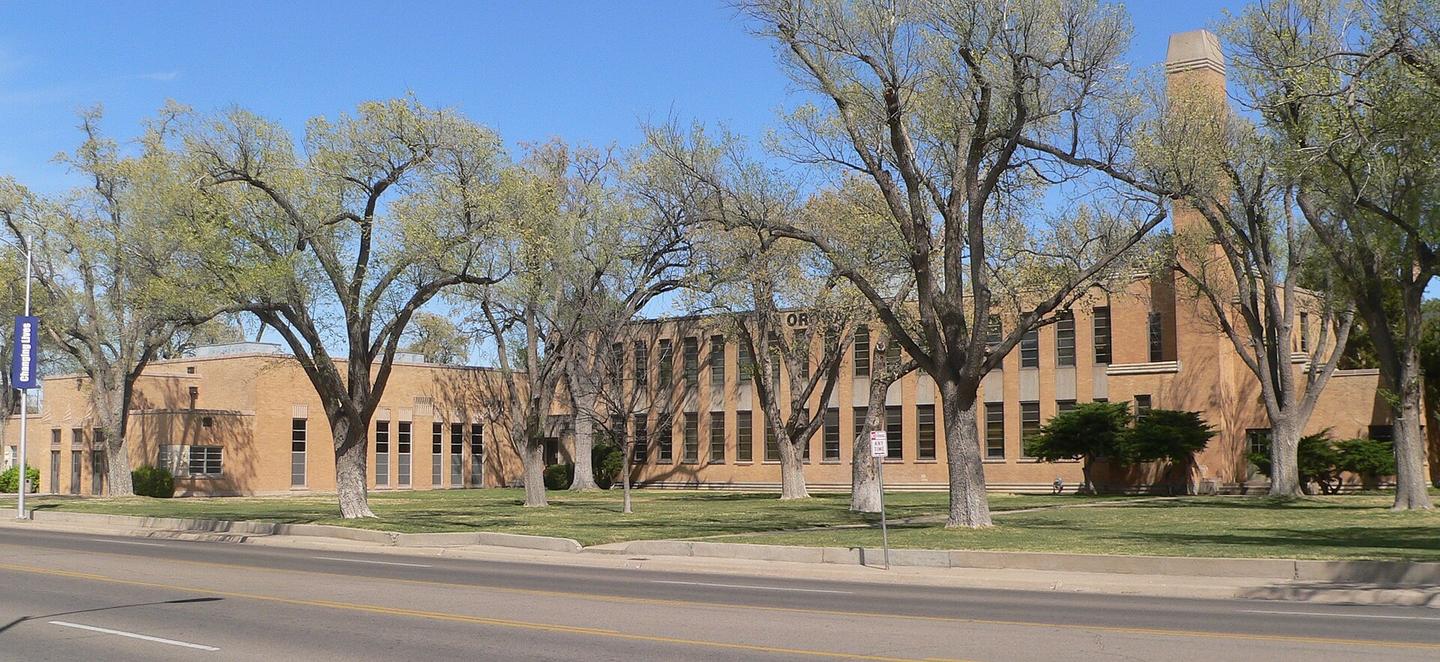
Amarillo sits on the Texas Panhandle's flat, open plain, and its street grid reflects that geography directly. The city is organized around a core downtown area near Polk Street and Western Street, with neighborhoods radiating outward in every direction. Loop 335 encircles most of the developed city, and growth in 2026 is concentrated along the western and northwestern edges of that loop, where new subdivisions are still being platted.
The Grid and the Loop
Most Amarillo addresses fall into one of five broad zones: central and near-central (Wolflin, Plemons-Eakle, Hayden), southwest (English Village, Sleepy Hollow, Tascosa Road corridor), northwest (areas near Soncy Road and Coulter Avenue), southeast (areas near Georgia Street and Airport), and east (near the industrial corridor off I-40 East). Each zone has its own age of construction, lot patterns, and price band.
What Drives Price Differences Across Areas
Age of construction, lot size, and proximity to retail and medical employment are the three factors that move prices most visibly across Amarillo Texas neighborhoods. A 1,400-square-foot brick home built in 1955 in the Wolflin area will be priced differently than a 1,400-square-foot home built in 2018 in a northwest subdivision, even if the square footage is identical. Understanding those differences is the starting point for any serious search.
2. Central and Near-Central Neighborhoods: Wolflin, Plemons-Eakle and Downtown Adjacent
The central neighborhoods of Amarillo contain some of the city's oldest and most architecturally distinct housing. Wolflin, Plemons-Eakle, and the blocks immediately surrounding downtown date primarily from the 1920s through the 1960s, and they offer a mix of Tudor Revival cottages, Colonial-style two-stories, and mid-century ranch homes that you simply will not find in newer parts of the city.
Housing Stock and Architecture
Homes in the Wolflin area typically range from about 1,200 to 2,800 square feet, sitting on lots that run 60 to 75 feet wide in many blocks. Brick and stone exteriors are common. Many homes retain original hardwood floors, plaster walls, and built-in cabinetry, though updated kitchens and bathrooms are increasingly standard after decades of renovation activity. The Plemons-Eakle Historic District carries a formal historic designation, which means exterior changes on contributing structures require review by the city's Historic Landmark Preservation Commission.
For a deeper look at what makes this part of the city distinctive, the article Amarillo, Texas Knows the Heritage Hills Area Inside: Real Estate Market Guide, Prices, Neighborhoods and Timing covers the Heritage Hills section in detail, including specific price ranges and what buyers should watch for in older construction.
Price Ranges and Lot Sizes
In September 2026, entry-level homes in the Wolflin and near-central area generally start around $180,000 for smaller, unrenovated properties and run up to $450,000 or more for fully updated homes on larger lots or with significant square footage. The mid-range of $240,000 to $350,000 captures the bulk of active listings in this zone. Lot sizes in older platted blocks tend to be smaller than what you will find in postwar southwest Amarillo, but the walkability to the Wolflin Village shopping area and the short drive to downtown medical facilities offsets that for many buyers.
What Is Nearby
The central neighborhoods sit within a few minutes of Wolflin Village, one of Amarillo's older strip shopping centers with grocery, pharmacy, and restaurant options. Downtown Amarillo is generally 5 to 10 minutes by car, putting residents close to the medical district anchored by Baptist St. Anthony Health System and University Medical Center. Ellwood Park, a neighborhood green space with mature trees along Hayden Street, is walkable from much of the Wolflin area. The Amarillo Museum of Art and Amarillo College's main campus are both within about a mile of this zone.
3. Southwest Amarillo: Established Subdivisions and Larger Lots
Southwest Amarillo holds the largest concentration of postwar and 1970s-through-1990s housing in the city. Subdivisions like Sleepy Hollow, English Village, and the neighborhoods along Tascosa Road and Western Street south of 45th Avenue were built primarily between 1955 and 1995, and they reflect the brick ranch and two-story Colonial styles that dominated Texas residential construction during that era.
Housing Stock and Architecture
Homes in the southwest zone typically range from 1,500 to 3,500 square feet, with many sitting on lots of 8,000 to 12,000 square feet, large enough for a full backyard, a two-car garage, and side yards. Brick construction is nearly universal in this price range. You will find more formal dining rooms, larger master suites, and dedicated utility rooms compared to the older central neighborhoods. Many homes in this zone have been updated with granite countertops, replaced HVAC systems, and added covered patios over the past decade.
Price Ranges
Southwest Amarillo is the city's broadest price band. In September 2026, smaller homes in the $200,000 to $280,000 range sit alongside larger, fully updated properties priced from $350,000 to $600,000 and above. The upper end of the southwest market, particularly along the Tascosa Road corridor and in gated communities near Western Street, overlaps with what Amarillo considers its luxury segment. For detail on that upper price tier, the article on the luxury home market in Amarillo covers those properties specifically.
What Is Nearby
The southwest side is the most retail-dense part of Amarillo. Westgate Mall, the Westover Park shopping corridor, and the concentration of restaurants and services along Western Street between 34th and 58th Avenues put most daily errands within a 5-minute drive for residents in this zone. Thompson Memorial Park, the city's largest municipal park at roughly 750 acres, sits in the southwest quadrant and includes Amarillo Zoo, a golf course, athletic fields, and picnic areas. The Amarillo Botanical Gardens is also located within this corridor. Medical access is strong, with both major hospital systems reachable in under 15 minutes.
4. Northwest Amarillo: Newer Construction and Growing Retail
Northwest Amarillo has been the fastest-growing part of the city for the past decade, and that growth is continuing into 2026. The area along Soncy Road, Coulter Avenue, and the subdivisions north and west of Bell Street contains the highest concentration of homes built after 2000, including a significant share built after 2015. If new construction with open floor plans and energy-efficient systems is your priority, this is the zone to focus on.
Housing Stock and Architecture
Northwest subdivisions feature predominantly open-concept layouts with kitchen-living combinations, three to four bedrooms, and attached two-car or three-car garages. Brick and stone veneer exteriors are standard. Lot sizes vary considerably: entry-level subdivisions often run 6,000 to 8,000 square feet, while upper-tier neighborhoods push toward 10,000 to 15,000 square feet. The article on new housing developments and subdivisions in Amarillo in 2026 has current detail on which builders are active and what lot premiums look like in this part of the city.
Price Ranges
New construction in the northwest zone starts around $280,000 for a basic three-bedroom plan and climbs to $500,000 and above for custom or semi-custom builds with upgraded finishes and larger lots. Resale homes in established northwest subdivisions built in the 2000s and early 2010s tend to list between $230,000 and $380,000, depending on size and updates. The northwest market moves relatively quickly; homes priced accurately often receive offers within the first two to three weeks of listing, consistent with Amarillo's broader days-on-market patterns.
What Is Nearby
The Soncy Road corridor has become one of the city's primary retail strips, with grocery stores, home improvement retailers, restaurants, and urgent care facilities all concentrated along a roughly two-mile stretch. Palo Duro Canyon State Park, one of the most significant natural landmarks in the Texas Panhandle at 30 miles long and up to 800 feet deep, is approximately 25 to 30 minutes by car from most northwest Amarillo addresses, making weekend access straightforward. Amarillo National Golf Club and several smaller parks and walking trails are distributed through the northwest subdivisions.
5. Southeast and East Amarillo: Value-Priced Inventory and Proximity to Industry
The southeast and east portions of Amarillo carry the city's most affordable price points and a housing stock that skews older, with most homes dating from the 1940s through the 1980s. This part of the city sits closest to the Rick Husband Amarillo International Airport, the I-40 industrial corridor, and a number of manufacturing and logistics employers, which makes commute times to those employment centers short.
Housing Stock and Architecture
Homes in the southeast and east zones are typically smaller, ranging from about 900 to 1,800 square feet, with a mix of wood-frame and brick construction. Lots in older platted blocks can be narrow, running 50 to 60 feet wide in some areas. Buyers who prioritize square footage per dollar will find more of it here than in any other Amarillo zone, though older mechanical systems and deferred maintenance are more common and should be factored into any offer.
Price Ranges
Entry-level pricing in the southeast and east zones starts below $130,000 for smaller homes in need of updates, with the bulk of the market running from $140,000 to $220,000 in September 2026. Fully renovated properties in better-maintained blocks can push toward $250,000. For buyers using FHA or VA financing, this part of Amarillo often produces the most options at the lower end of qualifying loan amounts.
What Is Nearby
The east side of Amarillo is home to the Rick Husband Amarillo International Airport, which serves the region with direct flights to Dallas, Denver, Phoenix, and Houston. The Georgia Street corridor has a concentration of auto-oriented retail, fast food, and service businesses. Sam Houston Park, located in the southeast quadrant near Georgia Street, provides open green space and athletic facilities. Access to I-40 is fast from most east-side addresses, putting the Cadillac Ranch public art installation, located just west of the city, about 15 minutes away.
6. What the Overall Amarillo Market Looks Like Right Now
Amarillo's housing market in September 2026 is one of the more stable in Texas, with prices that have moved modestly upward over the past year without the volatility seen in larger metros. The city-wide median sale price is in the range of $230,000 to $250,000, depending on the month and the mix of closed sales, which sits well below the national median and keeps Amarillo accessible to a broad range of buyers.
Median Prices and Inventory
Active inventory across all Amarillo Texas neighborhoods sits at a level that gives buyers reasonable choice without the months-long gluts seen in some other Texas markets. The National Association of Realtors tracks Amarillo in its Metropolitan Median Area Prices and Affordability report, which consistently shows Amarillo among the more affordable mid-size metros in the country. That affordability is not accidental; it reflects a combination of low land costs, a steady but not explosive local economy, and a construction pipeline that has kept pace with demand.
How Amarillo Compares to National Trends
NAR research has noted that Amarillo is one of a small number of metros that has continued to see inbound mobility even as national relocation rates slowed. A 2024 NAR Economists' Outlook post on Amarillo described the city as defying the national mobility slowdown, driven in part by affordability and a diversified local employment base in healthcare, agriculture, energy, and logistics. That inbound demand has kept the market from softening even as interest rates remained elevated through 2025 and into 2026.
If you are comparing neighborhoods from a cost-of-ownership standpoint, property taxes are a meaningful variable across different parts of the city. The article on property taxes in Amarillo, Texas explains how Potter and Randall County assessments work and what to expect at different price points.
7. Practical Tips for Comparing Amarillo Neighborhoods Before You Buy
Comparing Amarillo Texas neighborhoods on prices, housing stock and what is nearby requires looking at several factors simultaneously, not just the list price. The same budget will buy very different homes in different parts of the city, and the tradeoffs between lot size, age of construction, commute distance, and proximity to retail are real and worth mapping out before you start touring.
Use Objective Sources for Schools and Services
Amarillo is served by Amarillo Independent School District as well as Canyon ISD in areas that extend into Randall County. The specific campus assigned to a given address depends on the exact location, not the broader neighborhood name. For school assignment and performance data, go directly to the Texas Education Agency website and the individual district sites. Those are the authoritative sources, and the data there lets you make your own assessment rather than relying on third-party rankings. The article on researching school districts in the south Amarillo area walks through exactly how to do that lookup.
Factor in Commute and Lot Size
Amarillo is a mid-size city where most cross-town drives take 15 to 25 minutes even in moderate traffic, so commute time is rarely a dealbreaker on its own. That said, if your employer is on the east side near the airport or the I-40 industrial corridor, buying in the far northwest adds real daily drive time. Conversely, if your priority is a large lot for a workshop or garden, the southwest and northwest zones will give you more square footage of land per dollar than the central neighborhoods. Mapping your top three daily destinations against the neighborhoods you are considering takes about 10 minutes on Google Maps and can clarify the tradeoffs quickly.
For buyers who are still early in the process and want a broader framework for how the Amarillo market works before narrowing to a specific zone, the guide on relocating to Amarillo, Texas covers costs, timelines, and neighborhood context from the perspective of someone moving from outside the area.
FAQ
What is the most affordable neighborhood in Amarillo, Texas right now?
As of September 2026, the southeast and east Amarillo zones carry the lowest price points in the city, with many homes listing between $130,000 and $220,000. These areas have older housing stock, primarily from the 1940s through the 1980s, and a mix of brick and wood-frame construction. Buyers using FHA or VA financing often find the most options at the lower end of qualifying loan amounts in this part of the city. The tradeoff is that older mechanical systems and deferred maintenance are more common, so a thorough inspection is especially important in this price range.
How do Amarillo Texas neighborhoods compare on lot sizes?
Lot sizes vary significantly depending on the age and location of the neighborhood. Central neighborhoods like Wolflin and Plemons-Eakle were platted in the early to mid-20th century with lots that typically run 60 to 75 feet wide, which is narrower than what you find in postwar subdivisions. Southwest Amarillo, built primarily from the 1950s through the 1990s, has lots that frequently run 8,000 to 12,000 square feet, large enough for full backyards and side yards. Northwest subdivisions built after 2000 vary widely, from 6,000-square-foot entry-level lots to 15,000-square-foot premium lots in upper-tier neighborhoods. Knowing your minimum lot size requirement before you search will help narrow the zones quickly.
Does Amarillo have new construction neighborhoods, and where are they?
Yes. The northwest quadrant of Amarillo, particularly along and west of Soncy Road and Coulter Avenue, has the heaviest concentration of new construction activity in 2026. Several builders are actively platting and selling in subdivisions in this corridor, with base prices generally starting around $280,000 for a three-bedroom plan and climbing based on lot size, elevation, and finish level. There is also some new construction activity on the southwest edge of the city near the Loop 335 corridor. Amarillo's new construction pipeline has been consistent enough that buyers have real choices between spec homes ready for quick close and build-to-suit lots with longer timelines.