← Back to Blog
Market Trends
Kirkland, Washington real estate market guide: prices, neighborhoods and timing
By Nathan Scott, Real Estate Broker
Skyline Properties Inc · DRE# 25035471
September 11, 2026 · 10 min read
This Kirkland, Washington real estate market guide covers everything you need to know before buying or selling here: current price ranges, what the housing stock looks like across different parts of the city, and how to think about timing your move in today's market. Whether you are relocating from out of state, upsizing from a condo near Juanita Beach, or preparing to list a craftsman on the Eastside, the details here will help you make a more confident decision.
1. What the Kirkland Market Looks Like Right Now
Kirkland remains one of the most active real estate markets on the Eastside of Lake Washington. Demand is driven by proximity to major tech employment corridors along SR-520 and I-405, a walkable downtown waterfront, and a housing stock that ranges from 1960s ranch homes to newly constructed townhomes. Prices have held at elevated levels through 2026, though the pace of appreciation has moderated compared to the peak years of 2021 and 2022.
Where Prices Stand in September 2026
As of September 2026, the median sold price for a single-family home in Kirkland sits in the range of $1.35 million to $1.5 million, depending on the sub-area and lot size. Condos and townhomes trade in a wider band, from roughly $550,000 for a smaller unit in the Totem Lake area to $1.1 million or more for a newer townhome within walking distance of the downtown waterfront. For a deeper look at where prices moved month by month this year, see the September 2026 Kirkland home price breakdown published on this site.
Days on market have stretched slightly compared to the frenzied pace of 2022. Homes priced accurately are still moving in under three weeks in most Kirkland zip codes, but overpriced listings are sitting longer, and price reductions have become more common. According to HousingWire's analysis of the Washington state housing market, inventory across Washington dropped 13% while price cuts increased, a dynamic visible in Kirkland as sellers recalibrate expectations.
How Inventory Has Shifted
Active listings in Kirkland remain constrained by historical standards. Many homeowners who locked in mortgage rates below 4% between 2020 and 2022 have been reluctant to sell and take on a higher rate on a replacement home. This rate-lock effect has kept resale supply tight, which is part of why prices have not corrected sharply despite higher borrowing costs. New construction, particularly in the Totem Lake Urban Center, has added some supply, but not enough to fundamentally shift the balance toward buyers.
2. Kirkland Neighborhood Housing Stock: What You Actually Get
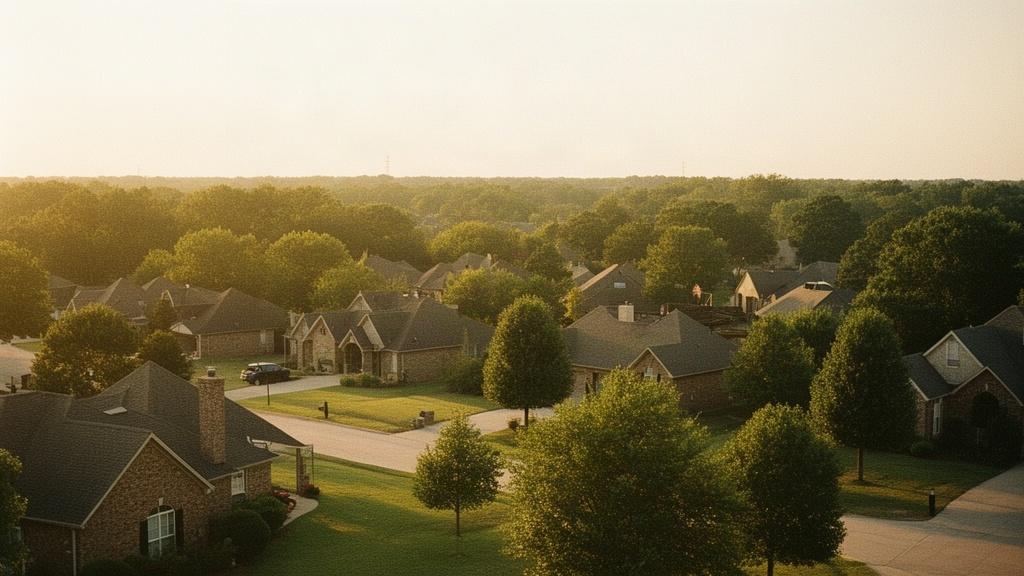
Kirkland is not a single housing market. It is a collection of distinct neighborhoods, each with its own lot sizes, architectural character, and proximity to amenities. Understanding what you are actually buying in each area is essential before making an offer. This Kirkland, Washington real estate market guide breaks those areas down by what the housing stock looks like on the ground.
Downtown Kirkland and the Waterfront Corridor
The blocks surrounding Marina Park and the central waterfront are dense with condos, townhomes, and a smaller number of older single-family homes on compact lots. Buildings along Lake Street South and Central Way range from mid-century low-rise condos to newer four and five-story mixed-use projects. Lot sizes for the detached homes that remain in this corridor are typically under 5,000 square feet. Walkability is high: coffee shops, restaurants on Lake Street, the Kirkland Urban retail complex, and the Cross Kirkland Corridor trail are all within a short walk.
New development activity in and around downtown has added inventory in recent years. If you want a full picture of what is being built right now in this part of the city, the article on downtown Kirkland new developments and construction in 2026 covers the active projects in detail.
Juanita and North Kirkland
Juanita sits along the north end of Lake Washington and is home to Juanita Beach Park, one of the few freshwater swimming beaches in the area with a lifeguarded beach, a boat launch, and open lawn space. Housing in this area skews toward post-war and 1970s single-family homes on lots ranging from 7,000 to 12,000 square feet. Many of these homes have been updated over the decades, though original condition properties still come to market. Streets like 98th Avenue NE and the blocks east of Juanita Drive NE offer a mix of split-levels, ramblers, and two-story colonials.
North Kirkland, closer to the Bothell border, includes neighborhoods like Denny Creek and Lakeview where lot sizes tend to be larger and the housing stock is more varied in age. Commute times to Bellevue via I-405 average 15 to 25 minutes depending on traffic, and access to Totem Lake Boulevard puts grocery stores and services within a short drive.
Totem Lake and the 124th Street Corridor
Totem Lake is Kirkland's designated urban center and has seen the most concentrated new construction activity in the city over the past five years. The Totem Lake Mall site was redeveloped into a mixed-use district branded as The Village at Totem Lake, with apartments, retail, and services anchored by a Whole Foods. New townhome developments line streets off NE 124th Street and NE 132nd Street, with attached homes typically running 1,600 to 2,200 square feet on minimal private lots. This area appeals to buyers who want newer construction without paying downtown waterfront premiums.
Finn Hill and Kingsgate
Finn Hill occupies the ridge above Juanita and offers some of the largest lot sizes within Kirkland city limits, with many parcels running from a quarter acre to over half an acre. The housing stock here is predominantly 1980s and 1990s construction: two-story homes with attached garages, formal living rooms, and yards with mature trees. O.O. Denny Park, a 47-acre King County park with a small beach on Lake Washington, sits at the base of the hill. Kingsgate, bordering Kirkland to the northeast near the SR-522 interchange, has a similar character with slightly smaller lots and more affordable entry points.
3. Understanding Price Ranges Across Kirkland
Price in Kirkland is driven by three variables above all others: proximity to Lake Washington, lot size, and condition of the home. A fully renovated 1,800-square-foot home on a 9,000-square-foot lot in Juanita will trade at a different price per square foot than a similarly sized home in Kingsgate with original finishes. Knowing where a specific property falls within these tiers helps buyers avoid overpaying and helps sellers price with confidence.
Entry-Level and Condo Pricing
The most accessible price points in Kirkland are in the attached housing category. Studio and one-bedroom condos in older complexes near Totem Lake and along NE 85th Street start around $450,000 to $550,000. Two-bedroom condos in the same areas range from $600,000 to $800,000 depending on updates and HOA fees. Buyers in this range should factor in monthly HOA costs, which in Kirkland's older condo buildings can run from $400 to over $700 per month and cover varying levels of maintenance and reserves.
Mid-Range Single-Family Homes
Single-family homes in the $1.1 million to $1.5 million range represent the largest segment of Kirkland's detached market. At this price point, buyers typically get three to four bedrooms, an attached two-car garage, and a lot between 6,000 and 10,000 square feet. Homes in Finn Hill, Kingsgate, and the blocks east of Juanita Drive NE fall into this range most consistently. Expect 1980s to early 2000s construction with varying levels of updating.
Upper-Tier and Waterfront Properties
Homes above $2 million in Kirkland generally fall into two categories: large newer construction on interior lots, or any property with direct Lake Washington frontage or panoramic lake views. Waterfront parcels along Holmes Point Drive NE and Lakeview Drive NE command significant premiums. A modest waterfront home with a private dock can exceed $4 million. New construction on premium interior lots in the $2 million to $3 million range typically offers 3,500 to 5,000 square feet with high-end finishes, open floor plans, and ADU potential under current zoning.
4. Timing the Kirkland Market: When to Buy and When to Sell
Timing matters in Kirkland, but not in the way most people assume. The best time to buy or sell is rarely about catching a perfect market moment; it is about understanding the seasonal rhythms and aligning your move with them. This Kirkland, Washington real estate market guide addresses timing because it is one of the most common questions buyers and sellers ask, and the answer depends on which side of the transaction you are on.
Seasonal Patterns in Kirkland
Kirkland's market follows a pattern common to the broader Pacific Northwest. Listing activity picks up sharply in late February and peaks between April and June, when longer daylight hours and dry weather bring the most buyers to open houses and showings. July and August see continued activity, though some buyers pause during vacation season. September through October represents a secondary active window, with motivated buyers trying to close before the holidays. November through January is the slowest period for new listings, but the buyers who are active in winter tend to be serious and less likely to walk away.
For sellers, listing in late March or April historically produces the most competition among buyers and the strongest sale prices. For buyers, the fall and winter windows often present less competition for any given home, though selection is also thinner. The tradeoff is real: fewer competing offers, but also fewer homes to choose from.
How to Read Current Conditions
In September 2026, Kirkland sits in a market that is more balanced than it was two years ago but still leans toward sellers in the most desirable sub-areas. Months of supply, which measures how long it would take to sell all current listings at the current pace of sales, remains below three months in most Kirkland zip codes. A balanced market is typically defined as four to six months of supply. Below that threshold, sellers retain pricing power, though not the unchecked power of 2021.
Buyers who have been waiting for a dramatic price correction may be waiting longer than they expect. The structural factors keeping Kirkland prices elevated, which include limited developable land, strong employer demand from companies along the SR-520 corridor, and constrained resale supply, have not changed materially in 2026. A detailed look at current trends and what analysts are projecting is available through Norada Real Estate's Kirkland market forecast, which covers both near-term pricing and longer-range outlook.
5. What Buyers and Sellers Need to Know Before Acting
Understanding the Kirkland market at a macro level is useful, but the decisions that actually protect your money happen at the transaction level. There are specific due diligence steps and preparation moves that matter more in this market than in others.
Due Diligence Steps Specific to Kirkland
Kirkland has a mix of older homes and newer construction, and the inspection priorities differ between them. For homes built before 1980, buyers should budget for sewer scope inspections, as the original clay or Orangeburg sewer lines in older Juanita and downtown-adjacent neighborhoods can be at or past their service life. Homes in hillside areas like Finn Hill and Holmes Point should be reviewed for drainage and slope stability, particularly on lots with steep rear yards. Kirkland's zoning has also evolved significantly, so buyers of older homes should verify permitted status of any additions, ADUs, or structural modifications.
For buyers who are newer to the Kirkland market, the Kirkland homes for sale buyer's guide on this site walks through the full purchase process with Kirkland-specific context, from offer strategy to closing costs.
Seller Preparation in This Market
Kirkland buyers in 2026 are more discerning than they were at the peak of the market. Homes that show well and are priced accurately still attract strong offers. Homes with deferred maintenance or aggressive pricing are sitting longer and often closing below list price after one or more reductions. Sellers who invest in pre-listing preparation, including a pre-inspection, fresh interior paint, and professional photography, consistently see better outcomes than those who list as-is at the top of the range.
Pricing strategy in Kirkland requires granular comparable analysis, not just a zip code average. A home on a quiet cul-de-sac in Finn Hill with a view of the Olympics will not price the same as a similarly sized home on a busy arterial in the same zip code. Micro-location variables, lot orientation, and the specific condition of finishes all move the needle meaningfully in a market where buyers are doing thorough research before making offers.
FAQ
What is the median home price in Kirkland, Washington right now?
As of September 2026, the median sold price for a single-family home in Kirkland is in the range of $1.35 million to $1.5 million, depending on the specific neighborhood and lot size. Condos and townhomes start considerably lower, with entry-level attached units near Totem Lake beginning around $450,000 to $550,000. Waterfront and view properties push well above the median, with Lake Washington frontage often exceeding $3 million to $4 million. These figures reflect the broader Eastside market dynamics, where limited inventory and strong employment demand have kept prices elevated through 2026. Checking recent closed sales in the specific neighborhood you are targeting will give you the most accurate picture.
Which Kirkland neighborhoods have the most affordable housing?
Within Kirkland city limits, Totem Lake and Kingsgate tend to offer the most accessible price points for single-family homes, with properties in the $950,000 to $1.2 million range appearing more frequently than in waterfront-adjacent areas. The Totem Lake corridor has also added newer townhome inventory at prices below the single-family median. Older condo complexes along NE 85th Street and near the Juanita area also represent lower entry points than detached homes. That said, every area of Kirkland has seen significant price appreciation over the past decade, and what counts as affordable here is relative to the broader Eastside market. Researching specific streets and recent closed sales will give you the clearest comparison.
Is now a good time to sell a home in Kirkland, Washington?
In September 2026, Kirkland's market still favors sellers in most sub-areas, with months of supply remaining below three months across most zip codes. Homes that are priced accurately and presented well continue to attract competitive offers, though the multiple-offer frenzy of 2021 and 2022 has calmed. Sellers who are realistic about pricing and invest in pre-listing preparation tend to see stronger net proceeds than those who test the market at aggressive price points. The fall window, running through October, is historically one of the more active secondary selling seasons in the Kirkland market. Consulting with a local agent who tracks closed sales at the neighborhood level is the best way to assess your specific home's position.