← Back to Blog
Selling
Selling a Home in Kirkland, Washington: Pricing, Timeline and What to Expect
By Nathan Scott, Real Estate Broker
Skyline Properties Inc · DRE# 25035471
September 12, 2026 · 11 min read
Selling a home in Kirkland, Washington involves more moving parts than most sellers anticipate, from landing on the right list price to navigating inspection negotiations while the market shifts beneath you. This guide covers the full picture: current pricing dynamics, a realistic week-by-week timeline, preparation costs, and the moments in the process where sellers most often lose money or momentum. Whether you own a craftsman bungalow near Juanita Bay or a newer construction townhome off Totem Lake Boulevard, the details here are specific to Kirkland's market as it stands in September 2026.
1. What Kirkland Home Prices Look Like Right Now
Kirkland's median home sale price sits in the range of $1.1 million to $1.3 million as of September 2026, depending on property type and precise location within the city. For a full breakdown of current figures by neighborhood and property type, the Kirkland home prices article for September 2026 on this site covers the data in detail. What matters for sellers is understanding where those numbers come from and how they apply to your specific property.
The Current Pricing Landscape
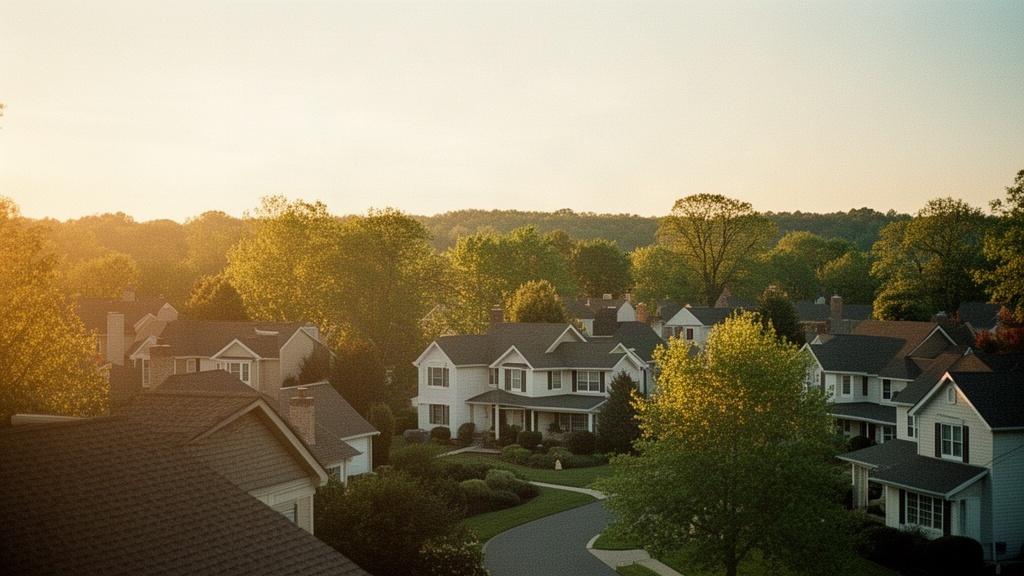
Kirkland's housing stock spans a wide range. You'll find mid-century ramblers on large lots in neighborhoods like Finn Hill and Lakeview, newer construction townhomes clustered around Totem Lake and the NE 85th Street corridor, waterfront and water-view properties along Lake Washington near Carillon Point and Houghton, and attached condos and co-ops concentrated near downtown Kirkland's Peter Kirk Park area. Each category trades at meaningfully different price points, and conditions within each segment can diverge sharply even when the headline median looks stable.
Statewide, Washington's housing market has seen a 13% inventory drop alongside rising price cuts, according to recent market reporting. That combination, tighter supply but more sellers reducing their list price, tells you the market is selective. Buyers have more choices than they did two years ago, but they are also more price-sensitive. Homes that are priced correctly for their condition and location still attract strong offers; homes that are priced aspirationally tend to sit.
How Your Home's Location Within Kirkland Affects Value
Proximity to Lake Washington commands the most significant premium. A water-view home on a street like Lake Washington Boulevard or Lakeview Drive can trade at 20 to 40 percent above a comparable home just a few blocks inland. Walkability to downtown Kirkland, which includes the waterfront park, Marina Park, and the restaurants and shops along Central Way and Lake Street, also adds measurable value. Homes within a half-mile walk of that core tend to sell faster and closer to list price than those requiring a drive to reach amenities.
Totem Lake and the NE 85th Street area have seen increased buyer interest since the I-405 express lane improvements and the continued buildout of the Totem Lake retail and residential corridor. Homes here, particularly newer attached townhomes in the $700,000 to $900,000 range, move quickly when priced correctly because they represent one of the more accessible entry points into Kirkland's market.
The Risk of Overpricing in This Market
Overpricing is the single most expensive mistake Kirkland sellers make. A home that sits on the market for three or four weeks in Kirkland starts to accumulate what agents call 'days on market stigma.' Buyers begin to wonder what is wrong with it. When a price reduction eventually happens, the seller often ends up accepting less than they would have received with a correct list price on day one. In a market where buyers are tracking inventory carefully and comparing your home against active listings on Finn Hill, Juanita, and Houghton simultaneously, a price that does not match the comps stands out immediately.
2. How to Price Your Kirkland Home to Sell
Pricing your home correctly from the start is the highest-leverage decision you will make in the entire selling process. The right number is not what you paid, not what you need to net, and not what Zillow's automated estimate says. It is what a ready, willing, and able buyer will pay for your specific home in its current condition, in September 2026, given what else is available in Kirkland right now.
Comparative Market Analysis vs. Online Estimates
A comparative market analysis, or CMA, is the tool a local agent uses to establish a defensible price range. It pulls recent closed sales of similar homes within roughly a half-mile to one-mile radius, adjusts for differences in square footage, lot size, condition, views, and updates, and produces a price range grounded in what buyers actually paid. Online automated valuation tools like Zillow's Zestimate or Redfin's estimate are useful for a rough ballpark, but they cannot account for the fact that your kitchen was renovated last year, that your backyard backs to a greenbelt, or that a competing listing two streets over is priced aggressively and pulling buyer attention.
In Kirkland's market, the gap between an automated estimate and a well-researched CMA can easily be $75,000 to $150,000 in either direction. That gap matters enormously, both for attracting buyers and for surviving the appraisal that a financed buyer's lender will require.
Pricing Strategy: List High, List Right, or List Slightly Under
There are three broad pricing strategies, and the right one depends on your home's condition, your timeline, and how much competition exists in your segment. Listing at the top of the justifiable range works when your home is genuinely differentiated, perhaps a remodeled craftsman with a lake view in Houghton, and demand in that micro-segment is strong. Listing at fair market value is the most common and most reliable approach; it generates serious inquiries quickly and keeps the appraisal from becoming a problem. Listing slightly below market value is a deliberate strategy to create multiple-offer competition, which can push the final sale price above what a single-offer scenario would have produced. This third approach works best in low-inventory conditions and requires a seller who is comfortable with the process.
For additional context on what expert pricing analysis looks like in practice, HousingWire's guide to pricing properties to sell faster outlines the core principles that apply across markets, including how to read days-on-market data and absorption rates, both of which Nathan Scott tracks closely for Kirkland specifically.
3. The Selling Timeline: Week by Week
From the moment you decide to sell to the day you hand over keys, the process in Kirkland typically runs eight to fourteen weeks for a well-prepared home. Sellers who skip preparation steps or encounter complications during inspection can stretch that to four to five months. Here is what each phase actually looks like.
Pre-Market Preparation: Weeks One Through Four
This phase is where most of the work happens, and most sellers underestimate how long it takes. During weeks one and two, you will meet with your agent, walk through the home together, and identify what needs to be repaired, updated, or decluttered before photos are taken. Common items in Kirkland homes include aging roof sections, older HVAC systems that will flag on inspection, and landscaping that has been deferred through the rainy season. Weeks three and four are typically consumed by contractor work, deep cleaning, staging (either professional or DIY), and photography. Professional photos and, increasingly, drone footage and 3D virtual tours are standard in Kirkland's market at this price point.
Some sellers choose to do a pre-listing inspection, paying $400 to $600 to have a home inspector walk through before the home goes on the market. This surfaces issues you can address proactively rather than having them appear on a buyer's inspection report mid-contract, when your negotiating leverage is lower.
Active Listing Period: Weeks Four Through Seven
Once your home is live on the MLS, the first ten days are the most critical. Buyer interest peaks immediately after a new listing appears, because active buyers have alerts set and are watching inventory daily. In Kirkland's market, homes priced correctly and presented well often receive offers within the first week. Some sellers set an offer review date five to seven days after listing to allow all interested buyers to tour before committing, which can create a structured multiple-offer situation.
If your home does not receive offers in the first two weeks, that is important market feedback. It almost always points to one of two things: price or presentation. Your agent should be pulling showing feedback and monitoring what competing listings are doing so you can make an informed decision about whether to adjust.
Under Contract to Closing: Weeks Seven Through Fourteen
Once you accept an offer, Washington State's standard purchase and sale agreement sets the clock for the remaining contingencies. A buyer's inspection contingency typically runs five to ten business days. The financing contingency, if the buyer is not paying cash, usually runs twenty-one to thirty days from mutual acceptance. Appraisal, if required by the lender, happens within that financing window. Closing itself, handled through a title and escrow company in Washington, typically takes thirty to forty-five days from mutual acceptance. Cash transactions can close in as few as two weeks if all parties are motivated.
4. Costs Sellers Pay in Kirkland
Sellers in Kirkland typically net between 88 and 93 percent of their gross sale price after all costs are accounted for. The exact figure depends on what you spend on preparation, what you negotiate in closing costs, and how long the home sits before selling. Understanding these costs before you list prevents unpleasant surprises at the closing table.
Closing Costs and Commissions
Real estate commission in Washington is negotiable and has evolved since the National Association of Realtors settlement changes took effect. Sellers should discuss commission structure openly with their agent at the outset. Beyond commission, sellers in Washington pay excise tax on the sale, which is structured on a graduated scale: the rate is 1.1% on the portion of the sale price up to $525,000, 1.28% on the portion between $525,000 and $1.525 million, and 2.75% on the portion between $1.525 million and $3.025 million. On a $1.2 million Kirkland sale, that excise tax alone runs approximately $14,000 to $15,000. Title insurance, escrow fees, and prorated property taxes round out the closing cost picture.
Preparation and Repair Costs
What you spend before listing varies enormously by the home's condition and age. A well-maintained newer construction townhome near Totem Lake might need only a deep clean, fresh paint in a couple of rooms, and landscaping tidying, totaling $1,500 to $3,000. A 1960s rambler in Finn Hill or a 1980s split-level in Lakeview might need a new roof section, updated electrical panel covers, fresh exterior paint, and refinished hardwoods before it photographs well, easily $15,000 to $30,000 in preparation costs. The question is always whether the spend will produce a return in the sale price, which a good agent can help you evaluate based on what buyers in that price range expect.
Carrying Costs During the Listing Period
Every month your home sits on the market costs you money beyond the mortgage payment. On a $1.2 million Kirkland home with a $600,000 remaining mortgage at a 6.5% rate, your monthly interest alone is roughly $3,250. Add property taxes, which in Kirkland run approximately $700 to $900 per month on a home in that price range, plus utilities and any HOA dues, and a slow sale can cost $5,000 or more per month in carrying costs. This is another reason why pricing correctly from the start is so financially significant.
5. What to Expect During the Contract and Closing Process
Going under contract is not the finish line. The period between mutual acceptance and closing is where deals can unravel, and where sellers who understand the process stay calm while those who do not can make reactive decisions that cost them money.
Inspection and Repair Negotiations
Nearly every buyer who uses an inspection contingency will submit a repair addendum after the inspection. In Kirkland's market, buyers commonly flag items like older water heaters, evidence of moisture in crawl spaces (which are common in the Pacific Northwest climate), aging roofing, and deferred exterior maintenance. Sellers have three options: repair the items, offer a credit at closing, or decline and let the buyer decide whether to proceed. There is no universally right answer. It depends on the item's severity, the buyer's financing, and how much leverage each side has given the current market.
Sellers who did a pre-listing inspection and addressed major items ahead of time typically receive shorter, less aggressive repair requests. That investment in preparation pays off here.
Appraisal Considerations
If your buyer is financing the purchase, the lender will order an appraisal. The appraiser's job is to confirm that the home is worth at least the purchase price. In a market where prices have risen steadily, appraisals generally keep pace, but they can come in below the contract price if your home sold significantly above comparable sales. When that happens, the buyer and seller must negotiate: the buyer can make up the difference in cash, the seller can reduce the price, or the parties can meet somewhere in the middle. Having a well-documented list of your home's improvements and upgrades ready for the appraiser can support the valuation.
Title, Escrow, and Closing Day in Washington State
Washington is an escrow state, which means a neutral third-party escrow company handles the funds and paperwork for the transaction. You will sign your closing documents a day or two before the actual closing date in most cases. The escrow company coordinates payoff of your existing mortgage, collection of the buyer's funds, payment of all closing costs and commissions, and disbursement of your net proceeds. In King County, recording happens electronically and is typically confirmed the same day. You will receive your net proceeds by wire transfer, usually within one business day of recording.
If you are also buying a home in Kirkland or elsewhere after the sale, coordinating your closing dates and any bridge financing or rent-back arrangement is something to plan well in advance. The homes for sale in Kirkland buyer's guide on this site covers what the purchase side of that equation looks like.
FAQ
What is the best time of year to sell a home in Kirkland, Washington?
Kirkland's market historically sees the highest buyer activity in the spring window, roughly March through June, when inventory rises and buyers are motivated to be settled before summer. That said, September in Kirkland also carries strong buyer demand because families who did not find a home in the spring push into early fall. The 'best' time for your specific home depends on its condition, your timeline, and what competing inventory looks like in your segment when you are ready. A well-prepared home priced correctly can sell well in any month of the year in Kirkland's market.
How long does it take to sell a home in Kirkland, WA from start to finish?
For a well-prepared home priced at market value, the full process from deciding to sell to receiving your proceeds typically runs eight to fourteen weeks in Kirkland. That breaks down into roughly three to four weeks of preparation before listing, one to three weeks on the market to receive and accept an offer, and thirty to forty-five days from mutual acceptance to closing. Homes that need significant repairs before listing, or that are overpriced and require a price reduction, can take four to six months or longer. Cash transactions with motivated buyers can compress the timeline to as few as six to eight weeks total.
Do Kirkland sellers need to make repairs before listing, or can they sell as-is?
Selling as-is is a legitimate option in Kirkland, and some sellers choose it when they want speed, certainty, or cannot afford upfront repair costs. The trade-off is that as-is listings typically attract investors and buyers who expect a meaningful discount to account for the risk they are taking on. In a market where the median Kirkland home sells for over $1 million, that discount can be substantial, sometimes $50,000 to $150,000 below what a prepared home would fetch. Sellers who invest in targeted repairs and preparation, focusing on items that will appear on a buyer's inspection report or that affect first impressions, generally recover those costs and then some in the final sale price.