← Back to Blog
Neighborhoods
Totem Lake vs South Kirkland: Walkability and Access to Amenities Compared
By Nathan Scott, Real Estate Broker
Skyline Properties Inc · DRE# 25035471
September 24, 2026 · 11 min read
If you are weighing what is the difference between living in Totem Lake versus South Kirkland in terms of walkability and access to amenities, the short answer is that these two Kirkland neighborhoods sit at opposite ends of the walkability spectrum, and that gap has real consequences for your daily life, your commute, and the price you will pay to get in.
1. How Walkability Actually Works in Kirkland
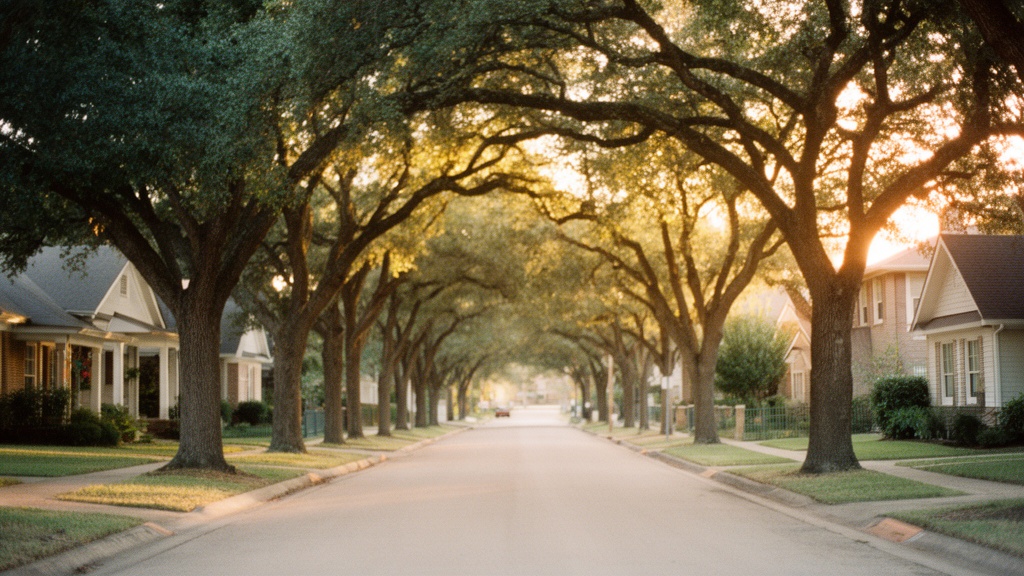
Walkability in Kirkland is not uniform. The city covers roughly 18 square miles of varied terrain, from the flat commercial corridors near I-405 in the north to the hilly, quieter residential streets that slope toward Lake Washington in the south. Two neighborhoods can carry the same city name and still deliver completely different day-to-day experiences on foot.
What Walk Score Measures and What It Misses
Walk Score assigns a number based on proximity to destinations like grocery stores, restaurants, schools, and parks. Totem Lake typically scores in the 50s to low 60s, which Walk Score labels "Somewhat Walkable," meaning some errands can be done on foot. South Kirkland generally scores in the 30s to low 40s, placing it in the "Car-Dependent" range for most daily tasks.
Those numbers do not capture everything. South Kirkland sits adjacent to the Cross Kirkland Corridor, a 5.75-mile paved multi-use trail that runs along a former rail line. That trail connects to parks, neighborhoods, and the South Kirkland Park and Ride, giving residents a meaningful off-street walking and cycling network that a raw Walk Score does not fully reflect.
Why Walkability Affects Home Prices in Kirkland
Walkability has become one of the most discussed factors in housing demand nationally. NAR survey data on walkable communities shows that a significant share of buyers actively prioritize neighborhoods where daily errands do not require a car. In a market like Kirkland, where both Totem Lake and South Kirkland draw buyers from across the Eastside and from Seattle, walkability preferences can meaningfully shift which neighborhood a buyer targets.
South Kirkland's proximity to Lake Washington and its trail network, combined with its location between Downtown Kirkland and Bellevue, tends to push prices higher per square foot even though the neighborhood scores lower on traditional walkability metrics. Totem Lake offers more square footage for the dollar in part because it trades waterfront proximity for retail convenience.
2. Totem Lake: Walkability and Amenities on the North End
Totem Lake sits in the northeast corner of Kirkland, bordered by NE 124th Street to the south, the Juanita neighborhood to the west, and Bothell to the north. It is Kirkland's most commercially active district outside of Downtown, and that commercial density is the primary driver of its walkability advantage over South Kirkland.
Retail and Grocery Access in Totem Lake
The Totem Lake Mall area anchors the neighborhood's retail core. A Whole Foods Market sits on 120th Avenue NE, and a Fred Meyer is located on NE 124th Street, giving residents two full-service grocery options within roughly a half-mile of most Totem Lake addresses. A Trader Joe's on 116th Avenue NE adds a third option that many Kirkland residents drive from other neighborhoods to reach.
Beyond groceries, Totem Lake has a Target, a Home Depot, multiple urgent care clinics, a EvergreenHealth Medical Center campus, dental offices, and a growing stretch of restaurants and coffee shops along 120th Avenue NE. For residents who want to handle most weekly errands without getting on I-405, Totem Lake delivers that more reliably than any other Kirkland neighborhood.
The caveat is that most of this retail is oriented toward cars. Wide parking lots and arterial roads like NE 124th Street and 120th Avenue NE make walking between stores functional but not particularly pleasant. Residents in the apartment and townhome developments closest to the mall core will find the walk genuinely convenient; those in single-family homes a few blocks east or north may still find themselves driving to the same parking lots.
Parks, Trails, and Outdoor Space
Totem Lake Park is the neighborhood's central green space, covering about 103 acres along Totem Lake itself. The park includes a wetland preserve, walking paths, and open lawn areas. It connects to the Kirkland Urban trail network and to the North Rose Hill neighborhood to the south.
The neighborhood also has access to the northern terminus of the Cross Kirkland Corridor, which enters the Totem Lake area near NE 132nd Street. From that access point, a walker or cyclist can travel south through the corridor all the way to the South Kirkland Park and Ride, covering most of Kirkland's length on a dedicated off-street path.
Transit and Commute Options from Totem Lake
Totem Lake has direct access to I-405 via the NE 124th Street interchange, making it one of Kirkland's most freeway-convenient neighborhoods. The Totem Lake Transit Center on 120th Avenue NE serves multiple King County Metro routes, including express service toward Bellevue and connections to the Bellevue Transit Center, where riders can access Link Light Rail.
For a deeper look at commute times and transit options across Kirkland, the article on commuting from Kirkland to Downtown Seattle covers the 405 express lanes and light rail connections in detail.
3. South Kirkland: Walkability and Amenities on the South End
South Kirkland is a quieter, predominantly residential neighborhood that runs roughly from NE 68th Street north to NE 85th Street, bounded by Lake Washington to the west and the city of Bellevue to the east. It has far less retail density than Totem Lake, but it offers something different: proximity to the lake, a connected trail system, and easy access to both Downtown Kirkland and Downtown Bellevue.
Retail, Dining, and Daily Errands in South Kirkland
South Kirkland does not have a grocery store within the neighborhood itself. The closest full-service options are a QFC on Central Way in Downtown Kirkland, roughly 1.5 to 2 miles north, and a Safeway on 108th Avenue NE in Bellevue, approximately 1 mile east. For most South Kirkland residents, grocery runs require a car or a bike on the Cross Kirkland Corridor.
The neighborhood's retail footprint is minimal: a small cluster of businesses near the South Kirkland Park and Ride on 108th Avenue NE includes a coffee shop and a few service businesses, but nothing approaching the commercial density of Totem Lake. Residents who want restaurants, coffee shops, or specialty retail within walking distance will find themselves heading north toward Downtown Kirkland or east into Bellevue.
That said, Downtown Kirkland's waterfront dining, boutiques, and weekly farmers market are genuinely accessible from South Kirkland by bike or a longer walk along the corridor. The Downtown Kirkland real estate and neighborhood guide covers what is available there in more detail.
Parks, Trails, and Waterfront Access
South Kirkland's outdoor amenities are its strongest card. Waverly Beach Park on Lake Washington Boulevard provides a small sandy beach, a boat launch, and picnic areas with direct views of Lake Washington and the Seattle skyline. Marsh Park, just north of Waverly Beach, adds another lakefront access point. These are public parks open year-round, and they sit within a short walk of many South Kirkland addresses.
The Cross Kirkland Corridor runs directly through South Kirkland, with a major trailhead and parking area at the South Kirkland Park and Ride. From this point, the 5.75-mile paved corridor extends north through Houghton, Kirkland Urban, and into Totem Lake. The trail is wide, well-maintained, and popular with commuter cyclists, joggers, and dog walkers throughout the week.
Transit and Commute Options from South Kirkland
The South Kirkland Park and Ride on 108th Avenue NE is one of the most used transit hubs on the Eastside. King County Metro routes from this location connect to Downtown Seattle, Bellevue, and Redmond, with several express options during peak hours. The park-and-ride's proximity to SR-520 also gives drivers a direct route across the lake to Seattle, which typically runs faster than I-405 during morning commutes headed westbound.
I-405 access from South Kirkland requires driving east to the NE 70th Street or NE 85th Street interchanges, adding a few minutes compared to Totem Lake's more direct freeway access. For commuters whose destination is Bellevue or Redmond, South Kirkland's SR-520 and 108th Avenue NE corridor can actually be faster than navigating I-405 from the north end of the city.
4. Side-by-Side Comparison: Totem Lake vs South Kirkland
Understanding what is the difference between living in Totem Lake versus South Kirkland in terms of walkability and access to amenities comes down to what kind of access matters most to you. Here is how the two neighborhoods compare across the factors that most buyers ask about.
Housing Stock and Price Ranges
Totem Lake has a more varied housing mix. The neighborhood includes a growing inventory of newer condos and townhomes in the Kirkland Urban development near 6th Street S and 120th Avenue NE, older single-family homes on streets like NE 132nd Street and 112th Avenue NE, and apartment buildings scattered throughout the commercial core. As of September 2026, entry-level condos and townhomes in Totem Lake start in the mid-$500,000s, while single-family homes range from the high $700,000s to well over $1.2 million depending on lot size and condition.
South Kirkland is more uniformly single-family. The neighborhood's housing stock consists largely of mid-century ranches and split-levels built in the 1960s and 1970s, many of which have been updated or expanded over the decades. Prices in South Kirkland as of September 2026 generally start around $1.1 million for a modest updated home and climb toward $2.5 million or more for larger homes with lake views or significant renovation. The price-per-square-foot premium reflects the neighborhood's lakefront proximity and its position between two major employment centers.
For a full breakdown of Totem Lake's real estate market, the Totem Lake Kirkland real estate market guide covers pricing trends, inventory, and what buyers are competing for right now.
What Each Neighborhood Trades Off
Totem Lake trades waterfront proximity and quiet residential character for retail convenience and a lower entry price. You get groceries within a 10-minute walk from many addresses, a hospital nearby, and easier freeway access. What you give up is the lake, the quieter streets, and the dual-city positioning that South Kirkland offers.
South Kirkland trades retail convenience for lake access, trail connectivity, and a location that splits the distance between Seattle and Bellevue's employment cores. You will drive for groceries. You will not drive for a trail run along Lake Washington or a Saturday morning at Waverly Beach. Research from the National Association of Realtors suggests that buyers are increasingly willing to pay a premium for walkable, amenity-rich locations, and South Kirkland's lakefront and trail access appears to function as that premium amenity even without strong retail walkability.
5. Which Neighborhood Fits Your Priorities
Neither neighborhood is objectively better. The right choice depends on what you value in daily life, your commute destination, your budget, and the type of home you want. The comparison below is meant to help you identify which trade-offs you are willing to make, not to steer you in one direction.
Questions to Ask Before You Decide
Start with your commute. If your office is in Redmond or Bellevue, both neighborhoods give you reasonable options, but South Kirkland's SR-520 access can save real time heading east. If you commute to Seattle by transit, the South Kirkland Park and Ride's express routes are a meaningful advantage. If you drive north toward Bothell or Woodinville, Totem Lake's I-405 access at NE 124th Street is more direct.
Next, consider how you use a neighborhood day to day. If you walk to coffee in the morning, run errands on foot during lunch, and want to avoid getting in the car on weekends, Totem Lake's retail density serves that lifestyle better. If your priority is outdoor recreation, lakefront access, and a quieter residential street, South Kirkland offers that more consistently.
Finally, consider your budget ceiling. If you are buying a single-family home and your budget is under $1 million, South Kirkland's inventory will be extremely limited in September 2026. Totem Lake has more options in the $750,000 to $1.1 million range, particularly for townhomes and updated older homes. If condos are on the table, Totem Lake's newer Kirkland Urban units give you walkable retail access at a lower price point than anything comparable near the south end of the city.
How to Research Schools, Safety, and Demographics
Both Totem Lake and South Kirkland fall within the Lake Washington School District. For school-specific information, the Washington State Office of Superintendent of Public Instruction at ospi.k12.wa.us publishes enrollment data, program details, and annual reports for every school in the district. Those are the most reliable primary sources, and they let you draw your own conclusions based on what matters to your household.
For crime and public safety data, the Kirkland Police Department publishes a community crime map and annual statistics at kirklandwa.gov. For demographic and population data, the U.S. Census Bureau's American Community Survey at data.census.gov provides block-level information for both neighborhoods. These are decisions that every buyer should research directly using primary sources rather than relying on third-party rankings.
If you are relocating to Kirkland from outside the area, the broader guide to relocating to Kirkland, Washington covers neighborhood overviews, cost of living, and what to expect during the buying process.
FAQ
Is Totem Lake or South Kirkland more walkable for daily errands?
Totem Lake is more walkable for daily errands by a significant margin. The neighborhood has a Whole Foods, a Fred Meyer, a Trader Joe's, a Target, and a Home Depot all within roughly half a mile of the commercial core, along with urgent care clinics and a hospital campus. South Kirkland has minimal retail within the neighborhood itself; grocery shopping requires driving or biking to Downtown Kirkland or into Bellevue. If walking to the grocery store or coffee shop on a regular basis is important to you, Totem Lake is the more practical choice between the two.
Does South Kirkland have good trail and outdoor access even though it scores lower on walkability?
Yes, South Kirkland's outdoor access is one of its strongest attributes. The Cross Kirkland Corridor runs directly through the neighborhood with a major trailhead at the South Kirkland Park and Ride, giving residents off-street access to 5.75 miles of paved trail extending north through Kirkland. Waverly Beach Park and Marsh Park provide direct Lake Washington waterfront access within a short walk of many South Kirkland addresses. The standard Walk Score metric does not fully capture this trail connectivity, so the raw number understates how usable the neighborhood is for walking and cycling in a recreational context.
How do home prices in Totem Lake compare to South Kirkland as of September 2026?
South Kirkland is meaningfully more expensive than Totem Lake on a per-home basis. Single-family homes in South Kirkland start around $1.1 million for a modest updated property and commonly exceed $2 million for larger or view homes. Totem Lake single-family homes range from the high $700,000s to around $1.2 million, with newer condos and townhomes starting in the mid-$500,000s. The price gap reflects South Kirkland's lakefront proximity, its dual access to Seattle via SR-520 and Bellevue via 108th Avenue NE, and its quieter, more established residential character. Buyers with a budget under $900,000 will find substantially more inventory in Totem Lake.