← Back to Blog
Market Trends
Whitefield, Bangalore Real Estate Market Guide: Prices, Neighborhoods and Timing
By Nausheer khan
September 16, 2026 · 12 min read
Whitefield is one of Bangalore's most active residential corridors, and if you are buying, selling, or relocating here in 2026, the pricing gaps between micro-markets can run to thousands of rupees per square foot. This Whitefield, Bangalore real estate market guide covers current prices, the distinct character of each pocket, commute realities after the Purple Line metro extension, and the seasonal timing patterns that actually move deals.
1. What Whitefield Actually Looks Like as a Real Estate Market
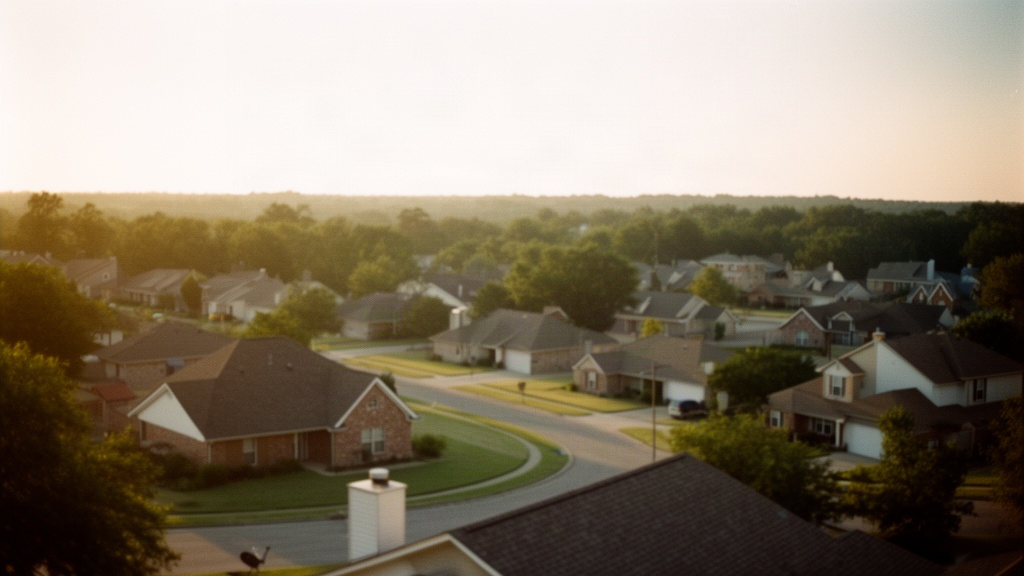
Whitefield is not a single neighbourhood. It is a sprawling residential and commercial zone in east Bangalore, stretching roughly 20 kilometres from Marathahalli in the west to Hoskote on the outer ring, and bounded by Sarjapur Road to the south and Hennur Road to the north. The BBMP limits, the Bruhat Bengaluru Mahanagara Palike jurisdiction, cover most of the core area, while newer developments near Varthur and Kadugodi sit in a mix of BBMP and gram panchayat zones. Understanding which zone a property falls in matters for khata transfers and utility connections.
Scale and Housing Stock
The dominant product in Whitefield is the gated community apartment. Projects from 200 to over 1,000 units are common, and most were built between 2010 and 2022. You will find 2 BHK units ranging from 1,050 to 1,400 square feet and 3 BHK units from 1,500 to 2,200 square feet as the bread-and-butter inventory. Larger luxury towers with 3.5 BHK and 4 BHK configurations above 2,500 square feet have come up near ITPL and Hope Farm Junction, particularly in projects by established developers. Independent villas and plotted layouts exist but are concentrated in pockets like Varthur, Channasandra, and along Whitefield Main Road, typically on sites of 1,200 to 3,600 square feet.
How Whitefield Differs from Other Bangalore Corridors
Unlike Sarjapur Road, where new launches still dominate the conversation, Whitefield has a thick secondary market. Resale apartments from projects completed between 2012 and 2018 make up a large share of active listings, which means buyers can compare ready-to-move inventory with new launches in the same area. This also gives sellers a cleaner comparable set when pricing. For a broader look at how Whitefield fits into Bangalore's overall property landscape, the Bangalore real estate market guide on this site covers city-wide trends and how the east corridor compares to the north and south.
2. Current Prices Per Square Foot Across Whitefield Micro-Markets
As of September 2026, Whitefield apartment prices range from roughly Rs 6,500 per square foot at the affordable end in outer pockets to Rs 12,500 and above per square foot in premium gated communities near ITPL. That is a wide band, and location within Whitefield explains most of the gap. According to property rate data on 99acres, the weighted average for apartments in Whitefield as a whole currently sits near Rs 8,200 to Rs 8,800 per square foot, but that average blends very different micro-markets and should not be used as a single benchmark.
Apartment Pricing Bands
- ITPL and Brookefield core: Rs 9,500 to Rs 12,500 per sq ft for mid-to-premium gated communities. Ready-to-move projects in this belt have seen year-on-year appreciation of roughly 10 to 13 percent between September 2025 and September 2026.
- Hope Farm Junction and Whitefield Main Road: Rs 8,000 to Rs 10,500 per sq ft. New launches from RERA-registered developers in 2026 are pricing in this range for 3 BHK units above 1,700 sq ft.
- Kadugodi and Channasandra: Rs 6,500 to Rs 8,500 per sq ft. This pocket offers the widest selection of resale 2 BHK units in the Rs 65 lakh to Rs 90 lakh all-in range.
- Varthur and outer Marathahalli fringe: Rs 6,800 to Rs 9,000 per sq ft depending on project quality and proximity to the Outer Ring Road. Older projects here can be had at the lower end, while new launches with amenity decks push toward the top.
Villa and Plotted Development Pricing
Independent villas in Whitefield's established layouts are priced more on land value than built-up area. A 1,200 sq ft plot with a G plus 1 construction in Channasandra or Nallurhalli currently trades between Rs 1.1 crore and Rs 1.6 crore. Plotted development sites approved under BMRDA or BBMP layout schemes in Kadugodi range from Rs 3,500 to Rs 5,500 per sq ft of land area, depending on corner position, road width, and whether the layout has a completion certificate. Row houses and villa projects within gated communities near Hope Farm command Rs 1.8 crore to Rs 3.5 crore for units between 2,000 and 3,200 sq ft of super built-up area.
What Is Driving the Price Gap Between Pockets
Three variables account for most of the per-square-foot difference across Whitefield: metro walkability, road width, and project vintage. Projects within 800 metres of a Purple Line station are commanding a clear premium over comparable projects 2 kilometres away. Roads wider than 60 feet in front of a project also correlate with higher prices because they reduce the peak-hour bottleneck problem. Newer projects built after 2019 tend to have larger amenity areas, better waterproofing specifications, and solar provisions that older complexes lack, which pushes their resale values higher relative to older stock in the same sub-locality.
3. Whitefield Neighborhoods: What Each Pocket Offers
Each pocket within Whitefield has a distinct physical character, and choosing between them depends on your commute anchor, your budget, and whether you want a ready apartment or a new launch. Here is what differentiates the main sub-markets on the ground.
ITPL and Brookefield
ITPL, the International Tech Park Bangalore, anchors this pocket and has done so since the late 1990s. The residential supply around it is the densest in the Whitefield corridor, with large-format gated communities from developers like Prestige, Sobha, Brigade, and Puravankara sitting within 2 to 4 kilometres of the tech park campus. Brookefield has a concentration of mid-size complexes built between 2008 and 2016, many of which have undergone society-level upgrades to amenities. The Forum Shantiniketan mall on Whitefield Main Road and the Phoenix Marketcity mall on Mahadevapura Road are both within 10 to 15 minutes by road from this pocket on a non-peak hour, giving residents walkable or short-drive access to retail, multiplexes, and dining.
Varthur and Marathahalli Fringe
Varthur sits at the southern edge of the Whitefield zone, bordered by Varthur Lake, one of the larger water bodies in east Bangalore at roughly 220 hectares. The lake and its surrounding area are subject to ongoing BBMP lake rejuvenation work, and buyers looking at properties within 500 metres of the lake boundary should verify the buffer zone restrictions applicable to their specific plot. The Marathahalli fringe, where Whitefield meets the Outer Ring Road, has seen significant commercial development, including large office campuses for multinational firms. This makes it a practical location for residents whose workplaces are on the ORR corridor between Marathahalli and Bellandur. Apartment sizes here tend to be slightly larger per rupee compared to the ITPL core.
Kadugodi and Channasandra
Kadugodi is the easternmost residential pocket that most buyers still classify as Whitefield, sitting roughly 6 kilometres beyond ITPL toward Hoskote. The Kadugodi metro station on the Purple Line is the eastern terminus as of September 2026, which makes this pocket directly metro-connected to MG Road and the central business district in about 45 to 50 minutes on a good day. The housing stock here is a mix of older apartment complexes, newer plotted layouts, and a handful of villa projects. Channasandra, just north of Kadugodi, has a higher proportion of independent houses and smaller apartment buildings, which appeals to buyers who want more land and less density. Prices in both pockets are the most accessible in the Whitefield zone.
Hope Farm Junction to Whitefield Main Road
Hope Farm Junction is the geographic and social centre of Whitefield, where Whitefield Main Road intersects with the road to ITPL. The Whitefield railway station, served by MMTS suburban rail and a handful of long-distance trains, sits within 1 kilometre of this junction. The Whitefield metro station on the Purple Line is also close by, making this the best-connected node in the entire corridor for multi-modal commuters. Commercial streets along Whitefield Main Road have restaurants, clinics, supermarkets like More and Reliance Fresh, and weekly vegetable markets. New residential launches in 2026 within 1 kilometre of Hope Farm Junction are pricing at a premium because of this connectivity, and for a detailed look at which specific projects are currently RERA-registered, see the article on new residential projects launching in Whitefield in 2026.
4. Commute, Infrastructure, and the Metro Factor
Commute time is the single biggest variable in Whitefield property decisions, and it has changed materially since the Purple Line metro extension became operational. Understanding what the metro actually covers, and where it does not, helps you avoid buying in a pocket that looks connected on a map but still requires a long auto or cab ride to reach the nearest station.
Purple Line Coverage and Gaps
The Purple Line's eastern extension runs from Baiyappanahalli through Krishnarajapura, Benniganahalli, Hoodi, Garudacharapalya, Mahadevapura, Whitefield, and terminates at Kadugodi. That gives the corridor six stations across the Whitefield zone itself, but the catchment of each station is limited. Most stations serve residents within a 700 to 800 metre walking radius comfortably. Beyond that, residents rely on e-rickshaws, autos, or feeder buses, which add 10 to 20 minutes to each trip. Pockets like Varthur, southern Brookefield, and parts of Channasandra are more than 2 kilometres from the nearest station, meaning the metro's practical benefit for those residents is limited unless last-mile connectivity improves.
Road Connectivity and Peak-Hour Reality
The Outer Ring Road from Marathahalli to Sarjapur remains the primary east-west arterial for Whitefield residents commuting to Electronic City, Bellandur, or Koramangala. Peak-hour travel from Whitefield Main Road to Koramangala via the ORR can take 60 to 90 minutes in the morning window between 8 and 10 AM. The ITPL road itself, a 4-lane stretch connecting Whitefield to the tech park, is a known bottleneck. BBMP has widened sections of Old Airport Road and Varthur Road in recent years, but the internal roads within older residential layouts remain narrow and poorly maintained in places. Buyers who plan to drive daily should physically test their likely commute route at peak hours before committing to a specific micro-pocket.
Upcoming Infrastructure That Affects Pricing
Two infrastructure projects are being tracked closely by buyers and investors in the Whitefield corridor as of September 2026. The first is the proposed Peripheral Ring Road, which if completed on its revised timeline would significantly reduce through-traffic on internal Whitefield roads and connect the east corridor to the north and south of Bangalore without passing through the city centre. The second is the planned extension of the suburban rail network, with Whitefield station potentially getting more frequent services. Neither project should be priced into a purchase decision as certainty, but both are worth monitoring because they have historically driven pre-announcement appreciation in adjacent pockets.
5. Timing: When to Buy or Sell in Whitefield
Whitefield has a distinct seasonal rhythm driven by the tech sector employment cycle. Knowing when demand peaks and when inventory builds up gives both buyers and sellers a real negotiating edge.
Seasonal Demand Patterns
The strongest buying demand in Whitefield typically runs from January through April, coinciding with appraisal cycles and annual bonuses in the IT sector. A second, smaller demand pulse happens in October and November, when employees who joined mid-year have completed their probation periods and are eligible for home loans from their employers at subsidised rates. The slowest period is May through July, which overlaps with school admissions pressure and the monsoon season. Sellers who list in August or September, as we are in right now, are slightly ahead of the October demand wave and can attract serious buyers who are already pre-approved and actively comparing options.
Market Signals to Watch in September 2026
Inventory levels in Whitefield's resale market have tightened compared to September 2025, with fewer units listed below Rs 80 lakh in the 2 BHK segment. This is partly because sellers who were waiting out the post-pandemic correction have now sold, and partly because new launches in 2025 and 2026 are pricing above the older resale floor, pulling the market upward. Days-on-market for well-priced 3 BHK units in Brookefield and near ITPL currently runs between 25 and 45 days, which is faster than the 60 to 75 day average seen in 2024. For an overview of how property registration and BBMP khata transfer timelines affect your closing schedule, that article covers the current process in detail.
One cost that buyers often underestimate is the stamp duty and registration charge on top of the agreed price. In Karnataka, stamp duty currently stands at 5 percent of the property value for units above Rs 45 lakh, plus a 1 percent registration charge. On a Rs 1 crore apartment in Whitefield, that adds Rs 6 lakh to your upfront cost before any legal or brokerage fees. The article on stamp duty and registration charges in Karnataka has the current slab structure and calculation examples.
Seller Timing Considerations
Sellers in Whitefield with properties held for more than two years are currently benefiting from both price appreciation and the long-term capital gains tax structure. If you purchased before September 2024, you are now past the two-year LTCG threshold. Properties held for less than two years are taxed at your income slab rate, which for most sellers in this corridor means a significantly higher tax outgo. Listing in September or October positions your property for the pre-Diwali buyer wave, when sentiment is positive and buyers are motivated to close before the year ends. Pricing accurately at the outset matters more than ever because overpriced listings in Whitefield now sit visibly on portals for 90 or more days, which signals to buyers that something is wrong even if the issue is simply the asking price.
For those comparing Whitefield to other Bangalore corridors on value and lifestyle, the detailed breakdown of flat prices per square foot on Sarjapur Road provides a useful side-by-side reference point, since Sarjapur Road is the other major east Bangalore corridor competing for the same buyer pool.
For a broader view of what Whitefield property rates have done over recent years and where analysts see them heading, NoBroker's Whitefield property rate analysis aggregates transaction data across the corridor and is worth reading alongside this guide.
FAQ
What is the average price per square foot for an apartment in Whitefield, Bangalore right now?
As of September 2026, the average price per square foot for apartments in Whitefield ranges from roughly Rs 6,500 in outer pockets like Kadugodi and Channasandra to Rs 12,500 or more in premium gated communities near ITPL and Brookefield. The corridor-wide weighted average sits near Rs 8,200 to Rs 8,800 per square foot, but this number blends very different micro-markets. A 2 BHK in Kadugodi might cost Rs 70 lakh all-in, while a comparable-size unit in a newer Brookefield complex could be Rs 1.2 crore. Always compare within the same sub-locality and project vintage for a meaningful benchmark.
Does the Purple Line metro actually help with commuting from Whitefield?
The Purple Line metro extension is genuinely useful for residents within 700 to 800 metres of one of the six stations in the Whitefield corridor, including Whitefield, Hope Farm Junction, Kadugodi, Hoodi, and Mahadevapura. For those within walking distance, the travel time to MG Road drops to around 45 to 50 minutes, which is a significant improvement over road commutes that can run 75 to 90 minutes in peak traffic. However, residents in pockets like southern Varthur, parts of Channasandra, or the interior roads of Brookefield that are more than 2 kilometres from a station still depend on autos or cabs for the last mile, which adds time and cost. Before buying, physically check the walking distance from the specific project to the nearest station entrance, not just the distance shown on a map.
Is this a good time to buy in Whitefield or should I wait?
September 2026 sits at the start of Whitefield's pre-Diwali demand window, when serious buyers are active and sellers are motivated to close before year-end. Inventory in the sub-Rs 80 lakh 2 BHK segment has tightened compared to September 2025, and days-on-market for well-priced units has shortened to 25 to 45 days in the ITPL and Brookefield belt. Waiting for a price correction is a reasonable strategy only if you have a long horizon and are comparing against a specific alternative use of your capital. For buyers who need to move in within six to twelve months, the current market offers enough ready inventory and competitive new launches that waiting risks both higher prices and fewer choices. The decision ultimately depends on your loan eligibility, the specific sub-locality you are targeting, and whether you are comparing new launches to resale options in the same pocket.