
← Back to Blog
Market Trends
Burlington, Canada Real Estate Market Guide: Prices, Neighborhoods and Timing
By Nayaki Penumarthy
September 24, 2026 · 13 min read
Burlington, Canada sits at the western tip of Lake Ontario, roughly 50 kilometres from downtown Toronto, and its real estate market reflects that position: close enough to the city to attract commuters, distinct enough to have its own character and price dynamics. This Burlington, Canada real estate market guide covers current prices, neighbourhood distinctions, and the timing questions buyers and sellers are asking most in September 2026. Whether you are relocating from outside the region, upsizing within Burlington, or preparing to list, here is what the market actually looks like right now.
1. What the Burlington Real Estate Market Looks Like Right Now
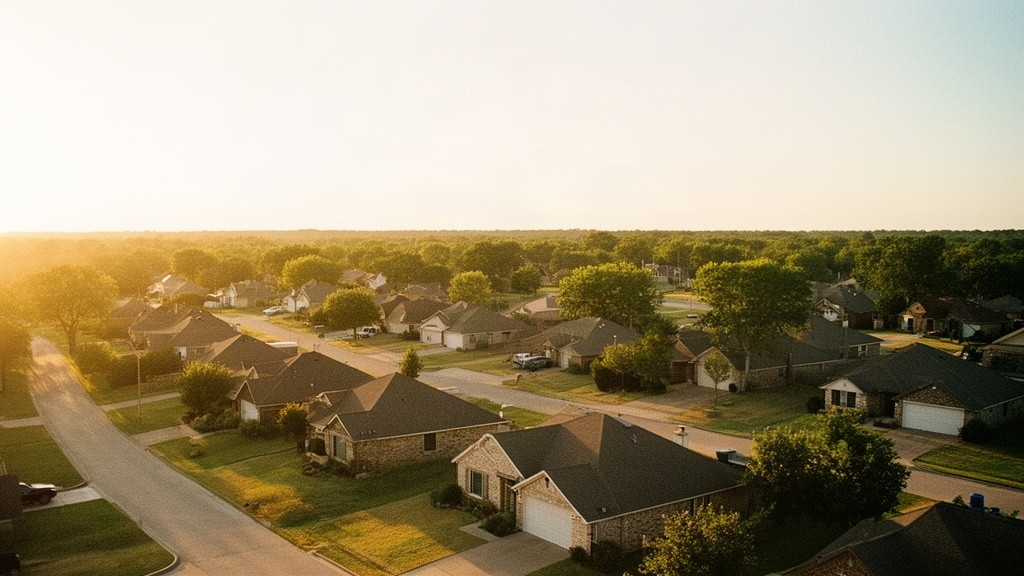
Burlington's market in September 2026 is balanced, leaning slightly toward buyers in some segments. Inventory has risen compared to the tight conditions of 2021 and 2022, giving buyers more time to evaluate properties and more room to negotiate. That said, well-priced, well-maintained homes in established neighbourhoods still attract competitive interest, sometimes within the first week of listing.
For a detailed breakdown of current price benchmarks by property type, the Burlington Housing Market Report on WOWA.ca tracks monthly benchmark prices and sales volume across freehold and condo segments. It is a useful reference point alongside what local agents are observing on the ground.
How Prices Have Shifted in 2026
Benchmark prices for detached homes in Burlington have stabilized after the correction that followed the 2022 peak. The benchmark for a detached home currently sits in the range of $1.1 million to $1.35 million depending on the neighbourhood, lot size, and finishes. Semi-detached and townhomes are trading in the $750,000 to $950,000 range, while condos and stacked towns start around $550,000 and can reach $750,000 or more for larger suites in newer buildings near the waterfront.
For a more granular look at what average prices are doing across property types right now, the article What Are Average Home Prices in Burlington Ontario Right Now in September 2026 goes deeper into the numbers, including how different areas of the city are performing relative to each other.
What Is Selling and What Is Sitting
Detached homes priced below $1.2 million in move-in-ready condition are moving relatively quickly, typically within two to three weeks. Properties that need significant updating, or those priced above $1.5 million without premium finishes or lot size to justify it, are sitting longer. In the condo segment, units in buildings with higher maintenance fees are facing more scrutiny from buyers who are closely calculating total monthly carrying costs.
New construction activity in Burlington's north end, particularly around Alton Village, continues to add supply to the market. Buyers considering new builds should be aware that builder incentives have become more common in 2026 as developers work to move remaining inventory. Pre-construction condos and towns in Burlington's newer corridors are worth comparing directly against resale options before committing.
2. A Neighbourhood-by-Neighbourhood Overview of Burlington Housing Stock
Burlington spans roughly 185 square kilometres and contains a wide range of housing stock, from century-old lakeside properties to brand-new subdivisions in the north. Understanding what each neighbourhood physically offers is the first step in narrowing your search. The descriptions below focus on housing stock, lot sizes, price positioning, and what is physically in each area, because those are the details that shape daily life most concretely.
Downtown Burlington and the Waterfront Area
The area immediately around downtown Burlington and Spencer Smith Park along Lake Ontario contains some of the city's most varied housing. You will find century-old detached homes on tree-lined streets, low-rise condo buildings within walking distance of the waterfront, and a handful of newer mid-rise towers. Lot sizes in the older residential streets tend to be narrower and deeper than what you find further north. Prices for detached homes in this pocket regularly exceed $1.3 million, with updated properties on premium streets reaching $1.6 million and above.
The area is walkable to Brant Street's shops, restaurants, and the Burlington Performing Arts Centre. Spencer Smith Park hosts the Sound of Music Festival each June and provides a continuous waterfront path stretching several kilometres. The Burlington GO station is a short drive or bus ride away, making rail access to Toronto realistic from this neighbourhood. For a detailed comparison of the waterfront area against another established Burlington neighbourhood, see the article on Burlington Waterfront Area vs Headon Forest.
Alton Village and Millcroft
Alton Village is Burlington's newest major residential development, located in the northwest corner of the city near Dundas Street and Appleby Line. The housing stock here is almost entirely post-2000 construction: detached two-storey homes with attached garages, townhomes, and a growing number of stacked condo towns. Lot sizes are generally smaller than older Burlington neighbourhoods, but homes tend to offer more interior square footage. Prices for detached homes in Alton Village typically range from $1.0 million to $1.3 million depending on size and finishes.
Millcroft, just south of Alton Village, was developed primarily in the 1990s and early 2000s and centres around the Millcroft Golf Club. Homes here are larger on average, with more mature landscaping and bigger lots. The area has a mix of executive detached homes and some semi-detached properties. Prices in Millcroft generally run $1.1 million to $1.5 million for detached homes, with premium backing-onto-golf-course lots pushing higher.
Headon Forest and Palmer
Headon Forest sits in Burlington's northwest quadrant, bounded roughly by Walkers Line and Headon Road. The neighbourhood developed mainly through the 1980s and 1990s and features a mix of detached two-storey homes, backsplits, and sidesplits on generous lots. Many properties have been substantially renovated, meaning you will find a wide range of interior finishes even on streets where the exterior architecture looks uniform. Prices generally range from $950,000 to $1.25 million for detached homes.
The Palmer neighbourhood borders Headon Forest and shares a similar vintage of housing stock. Mountainside Arena and Mountainside Park are within easy reach, and the area connects to a network of trails that run through the Niagara Escarpment at the city's northern boundary. The Bruce Trail, which passes through Burlington's Conservation Halton lands, is accessible within a short drive.
Tyandaga and Brant Hills
Tyandaga is one of Burlington's more established residential areas, situated on elevated land near the Escarpment in the city's northwest. The housing stock includes detached bungalows, two-storey homes, and some larger executive properties, many built between the 1960s and 1980s. Lots in Tyandaga tend to be wide and deep by Burlington standards, and several streets back onto ravines or conservation land. Prices span a wide range, from around $900,000 for an original-condition bungalow to over $1.5 million for a substantially updated two-storey on a premium lot.
Brant Hills, adjacent to Tyandaga, contains a mix of townhomes and detached homes from the same general era. The area is served by Brant Hills Community Centre, which has an indoor pool and arena. Prices in Brant Hills tend to run slightly below Tyandaga, making it a point of comparison for buyers weighing lot size and finishes against budget.
Roseland and Shoreacres
Roseland and Shoreacres are located in south Burlington, between the QEW and Lake Ontario, and represent some of the city's most established residential streets. Housing stock here includes detached homes from the 1940s through the 1970s, with many properties sitting on oversized lots that are rare to find in newer Burlington developments. Bungalows, raised bungalows, and two-storey homes all appear in this corridor. Prices in Roseland and Shoreacres regularly exceed $1.3 million and can reach $2 million or more for properties with significant lot depth or proximity to the lake.
The LaSalle Park and Marina area is nearby, and the Centennial Bike Path runs through this part of the city connecting south Burlington to the waterfront. Appleby GO station is accessible from this area, giving residents a second rail option in addition to Burlington GO.
3. Understanding Burlington Property Types and Price Ranges
Burlington's housing supply covers a wider range of property types than many buyers assume before they start searching. Knowing what each type typically costs and what trade-offs come with it will sharpen your search considerably.
Detached Homes
Detached homes make up the largest share of Burlington's housing stock by value. Entry-level detached homes, typically bungalows or older two-storeys needing updates, start around $900,000 in the current market. Updated detached homes in established neighbourhoods trade in the $1.1 million to $1.4 million range. Larger executive homes on premium lots in areas like Roseland, Tyandaga, or Millcroft can reach $1.7 million to $2.5 million. Square footage varies significantly: a 1960s bungalow might offer 1,100 square feet on the main floor, while a newer two-storey in Alton Village could offer 2,500 to 3,000 square feet of finished living space.
Townhomes and Semi-Detached
Freehold townhomes are the most common entry point into Burlington ownership for buyers who want more space than a condo but cannot yet reach detached prices. Freehold towns in Burlington typically range from $750,000 to $950,000. Condo townhomes, which carry monthly fees covering exterior maintenance and common elements, can be found starting around $650,000. Semi-detached homes are less common in Burlington than in Hamilton or Toronto but do appear in older south Burlington neighbourhoods and in some pockets of the north end, generally priced between $800,000 and $1.1 million.
Condos and Stacked Towns
Burlington's condo market is smaller than Toronto's but has expanded meaningfully over the past decade, particularly near the waterfront and along major transit corridors. One-bedroom suites in established buildings start around $520,000 to $580,000. Two-bedroom units range from $650,000 to $800,000, with newer waterfront-adjacent buildings at the higher end. Stacked townhomes in north Burlington, particularly in Alton Village, offer an alternative to traditional condo buildings with slightly more private entry points, typically priced between $600,000 and $750,000.
Maintenance fees in Burlington condo buildings currently range from roughly $0.50 to $0.75 per square foot per month in well-managed buildings, though older buildings with deferred capital work can run higher. Reviewing the status certificate before waiving conditions is essential in any condo purchase, as the reserve fund health and any pending special assessments will directly affect your total cost of ownership.
4. Timing the Burlington Market: When to Buy or Sell
Market timing in Burlington follows recognizable seasonal patterns, though those patterns are not absolute and local conditions in any given year can shift them. Understanding the rhythm of the Burlington market helps buyers and sellers make decisions that are grounded in how the market actually behaves rather than assumptions carried over from other cities or earlier market cycles.
Seasonal Patterns in Burlington
Spring, from March through May, is historically Burlington's busiest listing season. Inventory peaks, buyer competition is highest, and sale prices tend to reflect that demand. The fall market, from September through November, is the second most active period and often offers a better balance between selection and negotiating room than the spring frenzy. Summer, particularly July and August, sees reduced activity as families manage vacations and the school calendar. The December-to-February window is typically the quietest, with the lowest inventory but also the least buyer competition.
What September 2026 Means for Buyers
September 2026 is a reasonable time to buy in Burlington if you are ready to act. The fall market brings new listings from sellers who missed the spring window or who have been waiting for market conditions to firm up. Buyers right now have more inventory to choose from than they did in early 2025, and the pace of multiple-offer situations has moderated in most price bands. Interest rates have pulled back from their 2023 highs, improving affordability slightly, though qualifying criteria remain rigorous under the federal stress test.
According to the Burlington Housing Market Outlook published by RE/MAX Canada, Burlington has been one of the more resilient markets in the Greater Golden Horseshoe through the broader correction, supported by its employment base, GO Transit access, and the relative scarcity of developable land in the city's established southern half.
What September 2026 Means for Sellers
Sellers listing in September 2026 are entering a market with active buyers but also more competition from other listings than existed two years ago. Pricing accurately from the outset matters more than it did during the peak years, when overpriced homes still attracted offers. A home that sits for more than three or four weeks in the current Burlington market will face questions from buyers about what is wrong with it, even if the answer is simply that it was priced too high initially.
For sellers weighing whether to list now or hold until spring, the detailed breakdown in Is September 2026 a Good Time to Sell a House in Burlington or Should I Wait Until Spring? works through the specific trade-offs, including how fall inventory levels, buyer psychology, and carrying costs factor into the decision.
5. Practical Considerations Before You Move in Burlington
Beyond the purchase price, several other financial and logistical factors shape what owning a home in Burlington actually costs and feels like day to day. Getting clear on these before you make an offer prevents surprises at closing and in the months that follow.
Property Taxes and Closing Costs
Burlington's property tax rate for 2026 sits at approximately 0.599% of assessed value, which is lower than Hamilton and Oakville but higher than some Toronto suburbs. On a home assessed at $900,000, that works out to roughly $5,390 annually in property taxes. For a precise calculation and context on how Burlington's rate compares within Halton Region, the article on property taxes on a $900,000 home in Burlington covers the full breakdown.
Closing costs in Ontario for a Burlington purchase typically add 1.5% to 4% on top of the purchase price. The largest single closing cost is Ontario's provincial land transfer tax, which applies to all purchases, and Halton Region does not levy a municipal land transfer tax on top of it, unlike the City of Toronto. Legal fees, title insurance, home inspection, and any adjustments for prepaid property taxes or utilities round out the typical closing cost picture.
Commute and Transit
Burlington has two GO Train stations: Burlington GO on Fairview Street and Appleby GO on Appleby Line, both on the Lakeshore West line. Peak-hour trains reach Union Station in Toronto in approximately 55 to 70 minutes depending on the service. All-day two-way service on the Lakeshore West corridor means trains run throughout the day, not only during rush hours, which is useful for anyone with non-traditional work schedules. For a full breakdown of service frequency, trip times, and what the commute looks like in practice, the article on commuting from Burlington to downtown Toronto by GO Train covers it in detail.
By car, Burlington connects to Highway 403, the QEW, and Highway 407, making it accessible to Mississauga, Hamilton, and the broader GTHA road network. Drive times to downtown Toronto vary considerably depending on time of day and which route you take, but off-peak trips along the QEW typically run 45 to 55 minutes. Rush-hour driving can stretch that to 75 minutes or more.
Researching Schools and Amenities
Burlington is served by the Halton District School Board for English public schools and the Halton Catholic District School Board for Catholic schools. French-language instruction is available through Conseil scolaire Viamonde and Conseil scolaire catholique MonAvenir. School boundaries shift periodically, so the most reliable way to confirm which school a specific address is assigned to is to use the boundary lookup tools on each board's official website. Researching schools is a personal decision, and the boards' own data and the Ontario Ministry of Education are the appropriate sources for that research.
Burlington's amenity infrastructure includes the Burlington Public Library system with five branches, the Art Gallery of Burlington on the waterfront, the Burlington Performing Arts Centre, and extensive trail networks including segments of the Bruce Trail and the Waterfront Trail. The city's recreation centres, including the Tansley Woods Community Centre and the Haber Recreation Centre in the north end, offer programming across age groups. Joseph Brant Hospital on Brant Street provides acute care services for the city.
FAQ
What is the average home price in Burlington, Ontario right now?
As of September 2026, the benchmark price for a detached home in Burlington sits in the range of $1.1 million to $1.35 million depending on the neighbourhood, lot size, and condition. Townhomes and semi-detached properties trade in the $750,000 to $950,000 range, while condos start around $520,000 for a one-bedroom suite and reach $800,000 or more for larger two-bedroom units in newer buildings. These figures reflect the stabilized market that has followed the 2022 price correction, with modest variation across Burlington's different neighbourhoods. For a more detailed breakdown by property type and area, the average home prices article on this site covers the current numbers in full.
Is Burlington, Ontario a good place to buy real estate right now compared to nearby cities?
Burlington sits between Hamilton to the west and Oakville to the east, and its pricing generally falls between those two markets: higher than Hamilton for comparable properties, and somewhat lower than Oakville for detached homes. The city's GO Train access, established neighbourhoods, and the relative scarcity of developable land in its southern half have supported price resilience through the broader correction that affected much of the GTHA. Buyers comparing Burlington to nearby cities should weigh commute times, property tax rates, and the type of housing stock available in their target price range in each market. Halton Region does not charge a municipal land transfer tax, which is a meaningful cost advantage over purchasing in the City of Toronto.
Which Burlington neighbourhoods have the most affordable home prices?
Within Burlington, the most accessible price points for detached homes are generally found in Brant Hills and some pockets of Palmer and Headon Forest, where original-condition homes or properties needing updates can still be found below $1.0 million. Alton Village offers newer construction townhomes and stacked towns starting in the $600,000 to $700,000 range, which represents one of the more accessible entry points into Burlington ownership for buyers who want newer finishes without the full detached price tag. Condo apartments near the downtown core and along major corridors provide options starting around $520,000. Every neighbourhood in Burlington has a range of prices depending on lot size, finishes, and specific street location, so working with a local agent who knows current active listings is the most reliable way to identify where your budget has the most traction right now.