
← Back to Blog
Market Trends
What New Condo or Housing Developments Are Currently Being Built in Burlington in 2026
By Nayaki Penumarthy
September 24, 2026 · 9 min read
Burlington's development pipeline is one of the most active it has been in years. If you are wondering what new condo or housing developments are currently being built in Burlington in 2026, the short answer is: a lot, and spread across very different parts of the city. This article breaks down the major active projects, their locations, price ranges, and what each one means for buyers and sellers navigating the Burlington market right now.
1. Why Burlington's Development Pipeline Is So Active Right Now
Burlington is in the middle of a significant growth phase. Ontario's provincial government has placed intensification targets on municipalities across the Greater Golden Horseshoe, and Burlington is no exception. The city's updated Official Plan directs the bulk of new density toward urban growth centres, major transit station areas, and specific corridors, which is why you are seeing crane activity and construction hoarding in places that looked very different just five years ago.
Provincial Pressure and the Official Plan
Burlington's Official Plan designates the downtown core and the Midtown area around Appleby GO as the two primary intensification zones. The province's More Homes Built Faster Act pushed municipalities to update zoning rules to allow more units, faster. Burlington responded by permitting greater building heights in key nodes and streamlining certain approvals. The result is a development pipeline that includes projects ranging from 12-storey condos on Brant Street to stacked townhouses along New Street.
Where Growth Is Being Directed
Three corridors are absorbing the majority of new construction activity in Burlington right now. The downtown waterfront area along Brant Street and Lakeshore Road is seeing the highest concentration of condo towers. The Midtown node, roughly centered on Appleby Line and Upper Middle Road near the Appleby GO station, is attracting mixed-use mid-rise projects. And the city's north end, particularly around Dundas Street in Alton Village, continues to see low-rise subdivision and townhouse activity on remaining land parcels.
2. Major Condo and Mixed-Use Developments Currently Under Construction
Several significant condo and mixed-use projects are in active construction or in the final pre-construction sales phase as of September 2026. The projects below represent the most discussed and most relevant ones for buyers currently researching Burlington's new condo or housing developments in 2026.
Downtown Burlington High-Rise Projects
The downtown core has seen the most dramatic transformation. Several towers in the 12 to 26-storey range are either under construction or in active pre-sale along the Brant Street corridor and near the intersection of Lakeshore Road and Pearl Street. These projects typically offer one-bedroom units starting in the low-to-mid $500,000s, two-bedroom suites ranging from the high $600,000s into the $900,000s, and penthouse-level units that can exceed $1.2 million depending on the floor plan and view.
Many of these downtown towers include ground-floor retail, which aligns with the city's goal of creating a walkable mixed-use core. Amenities in these buildings commonly include rooftop terraces, concierge service, co-working lounges, and underground parking. Given Burlington's proximity to Spencer Smith Park and the waterfront, units with lake views command a noticeable premium over those facing inland.
Midtown and Appleby GO Corridor
The Midtown node is Burlington's second major development hub. Projects in this area are generally 8 to 16 storeys and are positioned specifically around transit access, with the Appleby GO station offering service into Union Station in Toronto in roughly 50 to 60 minutes depending on the time of day. If you want to understand that commute in detail, the article on commuting from Burlington to downtown Toronto by GO Train covers the current schedule and travel times.
Midtown condo pricing tends to run slightly below downtown waterfront levels. One-bedroom units in this corridor are generally listed in the $480,000 to $560,000 range for pre-construction, with two-bedroom layouts in the $650,000 to $800,000 range. Several of these projects include a mix of market condos and purpose-built rental units within the same building, which is increasingly common under current provincial housing policy.
South End and Lakeshore Road Area
Burlington's south end, particularly along Lakeshore Road between Burloak Drive and Appleby Line, has several projects in various stages of planning and construction. One closely watched development involves hundreds of housing units proposed for a site in Burlington's south end, which has drawn significant attention from residents and city planners alike. You can read the full details of that project in this coverage of the Burlington south end housing project. The south end's existing stock of bungalows and 1960s-era detached homes on larger lots has also attracted infill builders who are constructing semi-detached pairs and garden suites on previously single-family parcels.
3. New Housing Developments and Low-Rise Projects in 2026
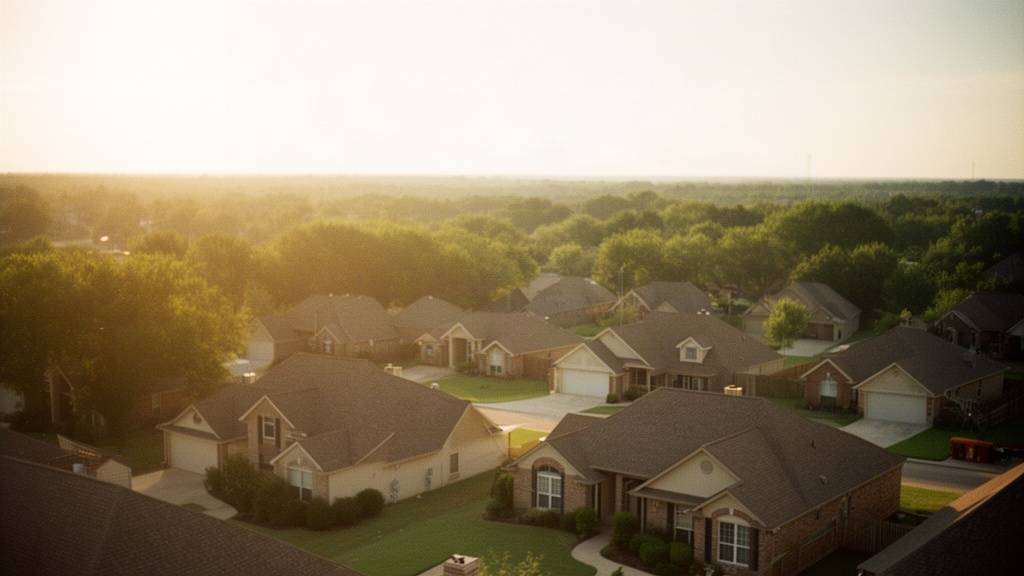
Not every new development in Burlington in 2026 is a high-rise condo. A meaningful portion of the city's new housing supply is coming in the form of townhouses, stacked townhouses, semi-detached homes, and infill singles, particularly in the northern parts of the city where some undeveloped land remains.
Alton Village and North Burlington Infill
Alton Village, Burlington's northernmost established community near Dundas Street and Appleby Line, continues to see builder activity on its remaining undeveloped parcels. New detached homes in this area are generally priced from the high $900,000s to $1.3 million for builder inventory, with lot sizes typically ranging from 30 to 40 feet wide. Some builders are also introducing 25-foot lots with narrower detached or semi-detached designs to bring entry prices down slightly. The area is well connected to Dundas Street, which provides access to Highway 407 in under 10 minutes.
North Burlington also borders the Niagara Escarpment, and several pockets near Walkers Line and Dundas Street are seeing new construction on previously agricultural land that received approval under earlier planning processes. These projects tend to be smaller in scale, often 50 to 150 units, and focus on single-detached and freehold townhouse product rather than condo apartments.
Townhouse and Stacked Townhouse Projects
Freehold and condominium townhouses are one of the most active segments of Burlington's new construction market in 2026. These projects are scattered across multiple Burlington neighbourhoods, including areas near New Street, Guelph Line, and the Headon Forest perimeter. Stacked townhouses, which are two-storey units arranged vertically in a two-over-two configuration, typically start in the $650,000 to $750,000 range. Traditional back-to-back or rear-lane freehold towns are priced from the high $700,000s to just over $1 million depending on square footage and finishes.
Townhouse projects appeal to buyers who want new construction but find condo fees and high-rise living less attractive. Freehold townhouses carry no monthly condo fee, while condominium townhouses typically charge between $200 and $400 per month for exterior maintenance and common elements. Understanding the total cost of ownership, including property taxes, is important when comparing new builds to resale. The article on property taxes on a $900,000 home in Burlington gives a useful breakdown of what to expect.
4. What These Developments Mean for Buyers and Sellers
New supply entering the market has real implications for both buyers and current homeowners. Burlington's development activity in 2026 is reshaping which price points are most competitive and where resale inventory faces the most direct comparison from new product.
Pre-Construction Pricing Versus Resale
Pre-construction condos in Burlington currently carry a price premium over comparable resale units in many cases. Buyers pay for new finishes, modern layouts, and the ability to customize selections, but they also accept a closing date that may be 18 to 36 months away and the risk of builder delays. Resale condos in Burlington's downtown, by contrast, offer immediate occupancy and established condo corporations with audited financials, which matters when evaluating reserve fund health.
For context on what resale prices look like right now, the article on average home prices in Burlington in September 2026 provides current benchmark figures across property types. Comparing those numbers to pre-construction asking prices is one of the most useful exercises a buyer can do before committing to a new build.
How New Supply Affects the Broader Market
A growing pipeline of new condos increases competition for buyers, particularly in the one-bedroom and two-bedroom condo segment. Sellers of older condo units in Burlington's downtown or Orchard area need to be aware that buyers now have more choices, including brand-new product with builder incentives. This is one reason pricing strategy matters more than it did two or three years ago. If you are weighing whether to sell now or hold, the article on whether September 2026 is a good time to sell in Burlington addresses that question directly.
For detached home sellers in north Burlington, the new builder product nearby creates a clear reference point for buyers. A resale home priced above comparable new builds will need to justify that premium through lot size, finishes, location, or other tangible factors. Conversely, a well-maintained resale home priced competitively against new construction often wins on value because buyers avoid the HST applicable to new builds and the uncertainty of builder timelines.
5. How to Track Burlington's Development Activity Yourself
Burlington's development landscape changes regularly as new applications are submitted, approved, and moved into construction. Knowing where to look helps you stay current whether you are a buyer watching for a specific project or a seller monitoring what new competition is entering your neighbourhood.
City of Burlington Resources
The City of Burlington's planning and development portal is the most authoritative source for active applications. It lists every official plan amendment, zoning by-law amendment, site plan application, and subdivision application, along with the current status of each. You can search by address or by project type. The portal is updated as decisions are made, so it reflects the real state of the pipeline rather than marketing materials from developers.
Burlington City Council meetings also address development applications regularly, and the agendas and minutes are publicly available online. If a project is contested or involves a variance, the council discussion often surfaces details that do not appear in developer marketing, including community feedback, servicing constraints, and proposed phasing timelines.
Third-Party Listing Platforms
Several platforms aggregate Burlington's pre-construction and new condo listings in one place. For a broad overview of what is currently listed and in pre-sale, Livabl's Burlington new condo listings is a useful starting point. These platforms are helpful for comparing projects side by side, but they do not replace the city's official planning portal when it comes to understanding approval status, density permissions, or development charges.
One important caveat: listings on third-party platforms sometimes include projects that are still in the application stage and have not yet received full approval. Before placing a deposit on any pre-construction unit, confirm the project's approval status with the city and review the purchase agreement with a lawyer who has experience in Ontario new home transactions. The Tarion New Home Warranty program covers most new freehold and condo purchases in Ontario, but the scope of coverage and the process for making a claim are worth understanding before you sign.
FAQ
What is the difference between buying a pre-construction condo and a resale condo in Burlington?
Pre-construction condos are purchased before or during construction, meaning you pay a deposit today and take possession 18 to 36 months later when the building is complete. Resale condos are existing units you can move into within a standard 30 to 90-day closing period. Pre-construction purchases in Ontario are subject to HST on the full purchase price, though a partial rebate applies for principal residences. Resale condos are not subject to HST. Both come with their own risks: pre-construction carries builder delay and market shift risk, while resale requires careful review of the condo corporation's status certificate and reserve fund.
Are there any new purpose-built rental buildings being constructed in Burlington in 2026?
Yes. Several mixed-use projects in Burlington's downtown and Midtown corridors include a purpose-built rental component alongside market condos. Purpose-built rentals are a growing part of Burlington's new housing supply, encouraged by both provincial policy and federal incentives that reduce development charges for rental construction. These buildings are not sold as individual units but are rented directly by the developer or a property management company. If you are a buyer rather than a renter, these projects still matter because they add to the overall housing supply and can influence resale condo pricing in the surrounding area.
How do development charges and HST affect the cost of buying a new build in Burlington?
New homes in Burlington are subject to Ontario's HST, which is 13 percent of the purchase price. A partial HST rebate is available for buyers who intend to use the property as their primary residence, but the rebate has an income threshold and a maximum eligible purchase price, so not all buyers qualify for the full amount. Development charges are fees the city collects from builders to fund infrastructure like roads, water, and parks; these costs are typically built into the builder's asking price rather than charged separately to buyers. Together, these costs can add tens of thousands of dollars to the effective price of a new build compared to a resale purchase at the same list price, which is why comparing pre-construction to resale requires a careful apples-to-apples calculation.