

← Back to Blog
Neighborhoods
What Are the Different Neighborhoods in Mount Holly NJ and What Is Each One Like to Live In?
By Nicholas Dougray, REALTOR® | Salesperson
Pat McKenna Realtors brokered by eXp Realty LLC · ## 2669416
September 19, 2026 · 11 min read
Mount Holly, New Jersey is a small township in Burlington County with a surprisingly varied housing landscape, from 18th-century row homes in the historic downtown core to mid-century ranches and newer suburban streets on the township's outer edges. If you are asking what the different neighborhoods in Mount Holly NJ are and what each one is like to live in, this guide breaks it down by area, covering housing stock, price ranges, lot sizes, commute distances, and the physical features that make each part of town distinct. Whether you are relocating, buying your first home, or selling and curious how your street fits into the bigger picture, read on.
1. Understanding How Mount Holly Is Laid Out
Mount Holly is a compact township covering roughly 3.9 square miles in Burlington County, New Jersey. Its geography shapes everything about how the different neighborhoods feel. The Rancocas Creek wraps around the western and southern edges of the township, the historic town center sits at the geographic and civic heart, and the residential streets fan out from there toward the township boundaries.
The Historic Downtown Core
The town center is anchored by the Burlington County Courthouse complex, the Mount Holly Library, and the pedestrian-friendly stretch of High Street. This is one of the oldest continuously inhabited areas in New Jersey, and the built environment reflects that: brick sidewalks, Federal-style facades, and homes that date to the 1700s and 1800s sit alongside commercial storefronts and civic buildings. The physical density here is higher than on the outer streets, with homes set close to the sidewalk and lots that are narrow but sometimes surprisingly deep.
The Surrounding Residential Streets
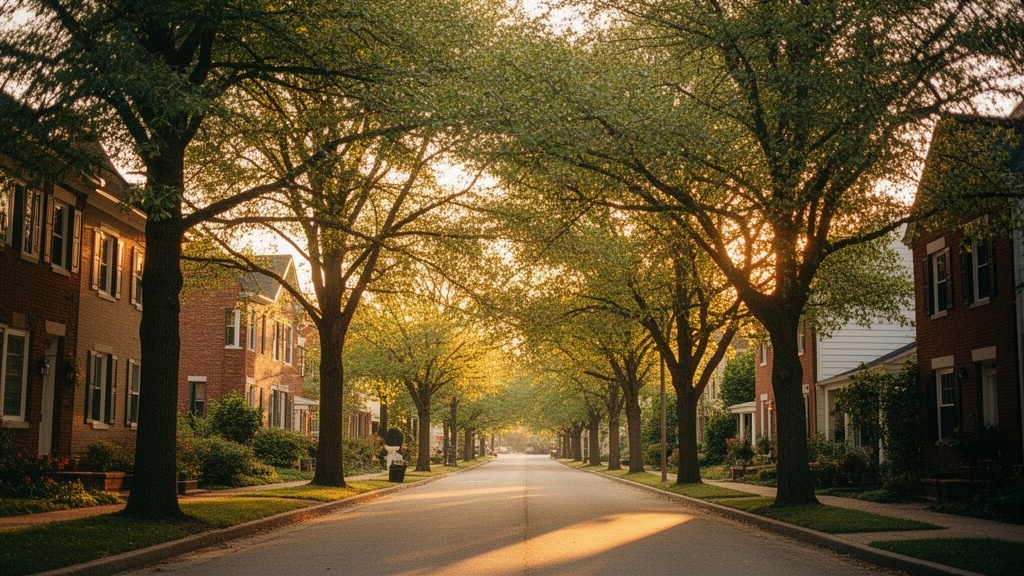
Step a few blocks from the courthouse and the character shifts. The residential neighborhoods that ring the historic core include a mix of Victorian-era two-story homes, early 20th-century bungalows, and post-war ranches and capes. Lot sizes grow as you move outward, and by the time you reach the northern and eastern edges of the township, you find streets with quarter-acre to half-acre lots and homes built between the 1950s and 1990s.
2. The Different Neighborhoods in Mount Holly NJ and What Each Is Like
Mount Holly does not have formally named neighborhoods the way a large city does. Instead, locals and real estate professionals tend to describe areas by their dominant streets, their proximity to the downtown core, and their general character. Here is a breakdown of the distinct pockets that buyers and sellers most commonly reference, along with the factual details that distinguish each one.
Historic District and Downtown Vicinity
The Historic District is the most architecturally distinctive part of Mount Holly. Homes here are primarily attached or semi-attached row houses and freestanding two-story colonials, many of them listed on state and national historic registers. Streets like Garden Street, Washington Street, and Brainerd Street contain homes built as early as the mid-1700s, and many retain original wide-plank floors, deep window sills, and brick or stone exterior details.
Lot sizes in this area are typically small, ranging from roughly 2,000 to 5,000 square feet, and parking is often on-street. The Burlington County Prison Museum, the Lyceum, and the Friends Meeting House are all within walking distance, giving this pocket a density of historical landmarks you will not find anywhere else in the township. Buyers drawn to this area are generally looking for character and walkability to the High Street commercial corridor, with its restaurants, boutiques, and municipal services.
Pine Street and High Street Corridor
Moving slightly north and east of the courthouse, the Pine Street and High Street corridor blends the walkability of the historic core with slightly larger homes and more varied architectural styles. You will find Victorian-era two-story homes with front porches alongside early 20th-century foursquares and the occasional converted multi-unit building. This is one of the more active stretches for foot traffic, given its proximity to the Burlington County government offices, the library, and the retail storefronts along High Street.
Homes in this corridor tend to have small-to-medium yards, often with detached garages or off-street parking pads added in later decades. The Mount Holly Mill Race, a historic waterway that once powered grist mills along the creek, runs through this part of town and is visible from several streets, adding a physical feature that sets this pocket apart.
Rancocas Road and the Eastern Side
The eastern side of Mount Holly, running along and off Rancocas Road toward the border with Hainesport Township, has a noticeably different feel from the historic core. This area developed primarily in the post-World War II decades, and the housing stock reflects that: single-story ranches, split-levels, and modest cape cods on lots ranging from about 6,000 to 10,000 square feet. Driveways, attached garages, and front lawns are standard here, which is a meaningful contrast to the street-facing row homes of the historic district.
Rancocas Road itself connects Mount Holly to Route 38 and the broader Burlington County road network, making this side of town convenient for drivers heading toward the New Jersey Turnpike (Exit 5 is roughly 3 miles away) or toward the Route 295 corridor. The Rancocas Creek State Park boundary is also accessible from this general direction, giving residents on the eastern side relatively quick access to trail systems and creek-side open space.
Garden Street and the Western Residential Areas
The western residential streets, including blocks around Garden Street and the areas that back up toward the Rancocas Creek, offer some of the most varied housing in the township. You will find everything from 19th-century frame homes to mid-century brick ranches within a few blocks of each other. The creek itself forms a natural boundary on the western and southern edges, and several streets in this area have views of or direct access to the waterway.
This part of town is also close to the Smithville Park entrance, a Burlington County park covering several hundred acres with walking trails, picnic areas, and the historic Smithville Village complex. The park is accessible via Smithville Road and offers one of the more substantial green spaces in the immediate area.
Levis Drive and the Northern Developments
The northern portion of Mount Holly, including streets around Levis Drive and the developments that sit closer to the Mount Holly-Lumberton border, represents the township's newest residential construction. Homes here were built primarily from the 1970s through the early 2000s and include colonial-style two-stories, bi-levels, and some townhouse-style units. Lot sizes in this area tend to be larger than in the historic core, with many properties sitting on a quarter acre or more.
The northern streets have a quieter, more suburban feel compared to the downtown vicinity. Route 541 (Burlington-Mount Holly Road) runs through this part of town and connects directly to the commercial corridor along Route 38, where you will find grocery stores, pharmacies, and big-box retail within a 5-to-10-minute drive.
3. Housing Stock and Price Ranges by Area
Understanding what homes cost and what you get for your money in each part of Mount Holly is one of the most practical things you can know before you start touring. The township's overall median home price as of September 2026 sits in the low-to-mid $300,000s, but that number masks real variation between the historic core and the outer residential streets. You can explore current listings across the township on the Homes for Sale in Mount Holly, NJ 2026 page for up-to-date inventory.
What Homes Actually Look Like
Historic District homes are typically 1,000 to 1,800 square feet of finished living space, with two to three bedrooms and one or two bathrooms. Many have been renovated over the decades, so you might find updated kitchens behind original brick facades. On the eastern and northern sides, ranches and colonials more commonly run 1,200 to 2,200 square feet, often with full basements and attached garages, features that are rare in the historic core.
What Buyers Are Currently Paying
In the historic downtown vicinity, entry-level attached homes and row houses have been trading in the $200,000 to $290,000 range in 2026, depending on condition and whether the property has off-street parking. Renovated or larger detached homes in the same area push into the $300,000 to $380,000 range. On the eastern and northern residential streets, mid-century ranches and split-levels have been selling in the $280,000 to $360,000 range, while larger colonials and bi-levels on quarter-acre lots have gone for $340,000 to $430,000 in the current market.
For a deeper look at how prices have moved across the township, NeighborhoodScout's Mount Holly market data provides granular breakdowns of home values by property type and location within the township.
4. Commute Times, Transit, and Getting Around
Where you land within Mount Holly affects your commute more than you might expect from a township this size. The eastern and northern sides have faster access to major roads, while the historic core requires navigating a few more turns to reach the highway interchanges.
Driving to Philadelphia and Trenton
Philadelphia is approximately 22 miles from Mount Holly via the New Jersey Turnpike or Route 295. Under normal traffic conditions, that drive runs 30 to 40 minutes; during peak morning hours heading westbound into the city, plan for 45 to 60 minutes. Trenton is about 19 miles to the north via Route 541 to Route 295 North, typically a 25-to-35-minute drive. Joint Base McGuire-Dix-Lakehurst is roughly 12 miles to the southeast, accessible via Route 38 to Route 537.
NJ Transit and Bus Access
Mount Holly does not have a direct NJ Transit rail station within the township. The closest rail access is the River LINE light rail, with the Hainesport Station located approximately 2 miles from the Mount Holly town center. The River LINE runs between Trenton and Camden, connecting to PATCO Speedline service into Philadelphia at the Walter Rand Transportation Center in Camden. NJ Transit bus routes also serve Mount Holly, with Route 317 providing service along the Route 541 corridor toward Burlington City and Trenton.
5. Parks, Amenities, and Local Landmarks by Area
One of the practical questions buyers ask when comparing different neighborhoods in Mount Holly NJ is what is physically nearby: green space, shopping, dining, and civic amenities. The answer varies meaningfully depending on which part of the township you are in.
Smithville Park and the Rancocas Creek
Smithville Park is a Burlington County park spanning over 300 acres along the Rancocas Creek, with a restored 19th-century village, a lake, paved walking and cycling paths, boat launches, and open meadow areas. The main entrance is on Smithville Road, making it most accessible from the western and southern residential streets. Residents on the Garden Street side of the township can reach the park entrance in under 10 minutes on foot or by bike.
The Rancocas Creek itself is navigable by kayak and canoe in several stretches, and the Rancocas Creek State Park, managed by New Jersey State Parks, offers additional trail access along the northern branch of the creek system.
Downtown Amenities and Mill Race Village
The High Street commercial corridor in the downtown core has independent restaurants, a coffee shop, a hardware store, and a handful of boutique retail shops, all walkable from the historic district homes. The Mount Holly Library on Garden Street serves the entire township and is within a short walk of most downtown-area addresses. The Mill Race Village area, where the historic waterway channel runs through a preserved section of the downtown, is a distinctive physical feature that draws visitors and adds a sense of place to the streets immediately surrounding it.
For residents on the northern and eastern sides, the Route 38 commercial strip in neighboring Mount Holly and Hainesport offers grocery stores, pharmacies, national chain restaurants, and big-box retail within a 5-to-15-minute drive. The Moorestown Mall is approximately 8 miles to the east, and the Burlington Center area along Route 541 North is about 5 miles away.
6. What to Research Before You Decide Where to Buy in Mount Holly
Choosing between the different neighborhoods in Mount Holly NJ is a personal decision that depends on your priorities, and there are several things worth researching independently before you commit to a specific street or section of town.
For school information, the Mount Holly School District's own website and the New Jersey Department of Education's public data portal are the most accurate sources. For crime and public safety data, the Mount Holly Township Police Department publishes reports and the NJ State Police Uniform Crime Reporting data is publicly accessible. For demographic and census information, the U.S. Census Bureau's data explorer allows you to look up Mount Holly by census tract. These are personal decisions that every buyer should research directly rather than relying on any single source.
Flood zone status is another practical consideration in Mount Holly, particularly for properties near the Rancocas Creek. FEMA's flood map service center allows you to look up any address by parcel. Homes in or near Special Flood Hazard Areas will require flood insurance, which adds to your annual carrying costs and should factor into your offer price and budget calculations.
Historic District properties may also be subject to Burlington County or state historic preservation review if you plan to make exterior changes. This is worth confirming with the township's zoning office before purchase if renovation is part of your plan.
FAQ
What are the main neighborhoods in Mount Holly NJ?
Mount Holly does not have formally named neighborhoods with official boundaries, but buyers and real estate professionals commonly refer to several distinct areas: the Historic District and downtown vicinity near High Street and the courthouse; the Pine Street and High Street corridor; the Rancocas Road and eastern side; the Garden Street and western residential areas near the Rancocas Creek; and the Levis Drive and northern developments closer to the Lumberton border. Each area has different housing stock, lot sizes, and proximity to parks, transit, and commercial amenities. Understanding these distinctions helps buyers narrow down which part of the township fits their priorities before they start scheduling showings.
How much do homes cost in different parts of Mount Holly NJ?
As of September 2026, home prices in Mount Holly range roughly from the low $200,000s to the mid-$400,000s depending on location, size, and condition. Historic district attached homes and row houses tend to start in the $200,000 to $290,000 range, while renovated detached homes in the same area can reach $300,000 to $380,000. On the eastern and northern sides, mid-century ranches and split-levels have been selling in the $280,000 to $360,000 range, with larger colonials on quarter-acre lots going for $340,000 to $430,000. These figures reflect general market activity in 2026 and can shift with inventory levels, so checking current active listings gives the most accurate picture.
Is Mount Holly NJ a good commuter location?
Mount Holly sits at a practical midpoint between Philadelphia and Trenton in Burlington County. Philadelphia is about 22 miles away via Route 295 or the New Jersey Turnpike, typically a 30-to-40-minute drive under normal conditions. Trenton is approximately 19 miles to the north, about 25 to 35 minutes by car. For those who prefer transit, the River LINE light rail at Hainesport Station (roughly 2 miles from the town center) connects to Camden and the PATCO Speedline into Philadelphia. The New Jersey Turnpike's Exit 5 is about 3 miles from the township, making it accessible for drivers heading north toward Newark and New York as well.