
← Back to Blog
Neighborhoods
Hyde Park Tampa Real Estate Market Guide: Prices, Neighborhoods, Timing
By Nina Windham, Licensed Realtor
The Somerday Group · DBPR# SL3542542
September 10, 2026 · 11 min read
Hyde Park is one of Tampa's most talked-about real estate markets, and for good reason: it combines walkable brick-lined streets, Bayshore Boulevard waterfront access, and a housing stock that ranges from century-old Craftsman bungalows to newer luxury condos, all within three miles of downtown. This Hyde Park Tampa real estate market guide covers current prices, what the different pockets of the neighborhood look like, and how to think about timing whether you are buying or selling in 2026.
1. What Is Hyde Park Tampa and What Makes It Distinct
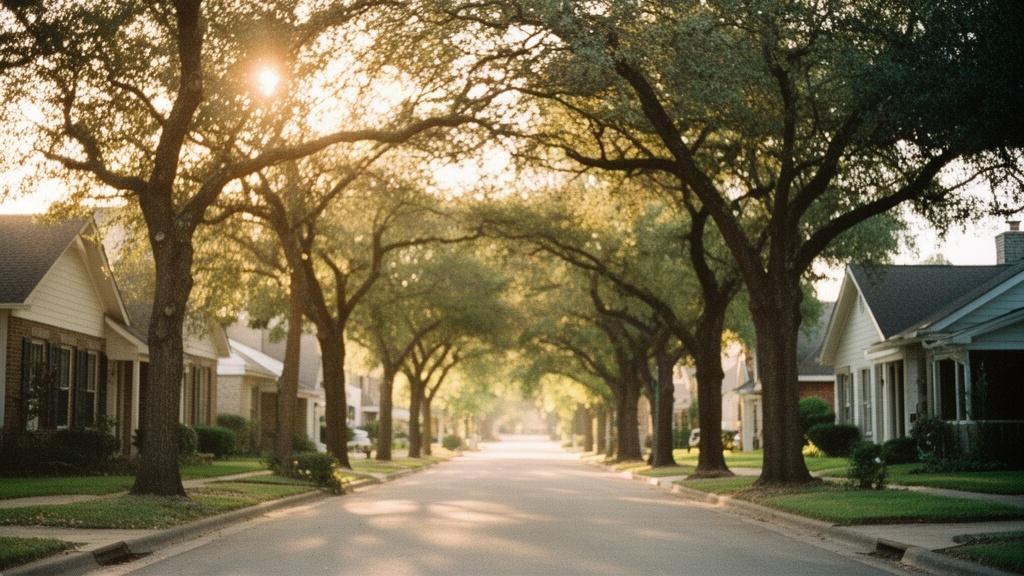
Hyde Park sits on the western edge of the Tampa Peninsula, bordered by the Hillsborough River to the north, Bayshore Boulevard to the south, and Howard Avenue to the west. It is roughly 2.5 miles from the heart of downtown Tampa, close enough that many residents commute by bicycle or on foot. The neighborhood was platted in the 1880s and developed rapidly through the early 1900s, which is why so much of its residential fabric still carries the architectural character of that era.
The Physical Layout
Hyde Park is not one uniform district. The area commonly called Hyde Park covers several distinct sub-neighborhoods that locals treat differently: the historic core near Hyde Park Village, the Bayshore-adjacent streets, and the northern blocks closer to Kennedy Boulevard. Each pocket has its own price range, lot sizes, and street character, so understanding the geography matters before you start shopping.
The street grid is mostly walkable and human-scaled. Swann Avenue, Morrison Avenue, and Platt Street serve as the main east-west corridors, while Rome Avenue and Howard Avenue anchor the western boundary. Many blocks still have their original brick paving, which gives the neighborhood a texture that newer Tampa developments do not replicate.
Housing Stock and Architecture
The residential architecture in Hyde Park is genuinely varied. You will find Queen Anne Victorians from the 1890s, Craftsman bungalows from the 1910s and 1920s, Mediterranean Revival homes from the 1920s boom period, and mid-century ranches that filled in the remaining lots after World War II. Newer construction exists too, mostly in the form of townhomes and low-rise condominiums built since the early 2000s near the Village and along Bayshore.
Lot sizes in the historic core typically run from 5,000 to 7,500 square feet, though corner lots and double lots do appear. Many homes have been renovated to modern standards while keeping original exterior details, which is part of what drives buyer interest in the area. For a broader look at the neighborhood's physical character, the Hyde Park Neighborhood Guide on Homes.com provides a useful overview of the area's layout and amenities.
2. Hyde Park Tampa Home Prices Right Now
Hyde Park is among the higher-priced residential markets in Tampa, with single-family home prices generally running between $700,000 and well over $2 million depending on size, condition, and proximity to Bayshore. As of September 2026, the median sale price for a single-family home in the Hyde Park zip code (33606) sits in the range of $850,000 to $950,000, reflecting the premium buyers place on walkability, lot character, and the neighborhood's established infrastructure.
Single-Family Homes
Entry-level single-family homes in Hyde Park proper, meaning smaller bungalows needing cosmetic updates, typically start around $650,000 to $750,000. Fully renovated three-bedroom Craftsmans in the 1,500 to 2,000 square foot range are selling in the $900,000 to $1.3 million range. Larger historic homes on premium lots, especially those with original details intact and modern systems updated, regularly trade above $1.5 million. Bayshore-facing properties with views of the bay command the highest prices in the entire submarket, sometimes exceeding $3 million for larger parcels.
Days on market for well-priced single-family homes currently averages around 30 to 45 days, which reflects a market that is active but no longer the frenzied multiple-offer environment of 2021 and 2022. Sellers who price accurately at the outset are still seeing strong results; those who push above comparable sales are sitting longer. For context on how Hyde Park prices compare to Tampa broadly, see the current breakdown in our article on what home prices are doing in Tampa right now in September 2026.
Condos and Townhomes
Condos and townhomes in Hyde Park offer a lower entry point into the neighborhood. Two-bedroom condos near Hyde Park Village typically list between $450,000 and $650,000. Townhomes, which are more common along the western edges of the neighborhood, generally run from $550,000 to $850,000 depending on square footage and whether they include a private garage. HOA fees vary considerably, so buyers should factor those into their monthly cost calculations before comparing condos to single-family options.
How Hyde Park Compares to Broader Tampa
Hyde Park runs roughly 60 to 80 percent above the Tampa metro median home price. The Tampa metro median as of September 2026 sits near $420,000 to $440,000 for all property types, which puts Hyde Park's single-family market in a significantly different tier. That premium reflects the combination of lot character, walkability, proximity to downtown, and the limited supply of historic homes that cannot be replicated elsewhere in the metro.
Property taxes are another cost buyers need to model carefully at these price points. Our detailed breakdown of property taxes on a $450,000 home in Tampa gives you the framework, and the same calculation scales proportionally for Hyde Park price points.
3. The Different Pockets of Hyde Park
Hyde Park is not a single monolithic market. The three main pockets each have their own price dynamics, street feel, and housing mix, and knowing the differences helps you focus your search or price your listing accurately.
Historic Hyde Park Village Area
The blocks immediately surrounding Hyde Park Village, the open-air retail center anchored by Pottery Barn, West Elm, and a collection of local restaurants, represent the geographic and commercial heart of the neighborhood. Homes within a three-block radius of the Village on streets like Swann Avenue, Morrison Avenue, and De Leon Street carry a premium because of the walkability factor. A two-block walk to coffee, dinner, or weekend shopping is a tangible convenience that buyers consistently pay for.
This pocket is also where you find the highest concentration of historic designations. Some homes fall within the Hyde Park Historic District, which means exterior changes require approval from the City of Tampa's Architectural Review Commission. Buyers interested in renovating should confirm the historic designation status of any specific property before making assumptions about what modifications are permitted.
Bayshore Beautiful and Bayshore Gardens
The streets running south from Platt Street toward Bayshore Boulevard include the sub-neighborhoods commonly called Bayshore Beautiful and Bayshore Gardens. These blocks contain some of the largest historic homes in the entire Hyde Park area, with many properties on lots of 8,000 to 12,000 square feet or more. The proximity to Bayshore Boulevard, the 4.5-mile waterfront promenade that runs along Hillsborough Bay, adds measurable value here. Homes one or two blocks from Bayshore with bay views or easy walking access to the path routinely achieve the highest per-square-foot prices in the 33606 zip code.
Architecture in this pocket skews toward Mediterranean Revival and Colonial Revival styles from the 1920s and 1930s, with a number of homes exceeding 3,500 square feet. Renovation costs in this tier are substantial because of the scale and age of the structures, so buyers should budget for thorough inspections and factor potential infrastructure updates into their offer calculations.
Hyde Park North
The northern section of Hyde Park, roughly the blocks between Kennedy Boulevard and Azeele Street, offers a more accessible price range within the same zip code. Homes here tend to be smaller, often 1,200 to 1,800 square feet, and the mix includes more mid-century ranches alongside the older bungalows. Prices in this pocket start closer to $600,000 for move-in-ready properties, making it the entry point for buyers who want a Hyde Park address without stretching to the $1 million-plus tier.
Kennedy Boulevard itself is a busy arterial road, so buyers should walk the specific blocks they are considering to get a feel for traffic noise and the pedestrian environment before committing. Streets set back a block or two from Kennedy feel considerably quieter.
4. Commute Times, Walkability, and Day-to-Day Living
One of the most concrete reasons buyers pay a premium for Hyde Park is the proximity to employment centers and daily amenities. The neighborhood's location on the Tampa Peninsula puts it within reach of multiple major destinations without requiring highway driving for most trips.
Getting to Downtown Tampa
Downtown Tampa is approximately 2 to 3 miles from the center of Hyde Park. By car during off-peak hours, the drive takes 8 to 12 minutes via Kennedy Boulevard or the Crosstown Connector. During peak morning commute hours, expect 15 to 25 minutes. By bicycle, the ride along the Riverwalk or through the street grid takes roughly 15 to 20 minutes for most people. The TECO Line Streetcar connects Channelside and Ybor City to the downtown core, and while Hyde Park is not directly on the streetcar line, the network is expanding and biking to a streetcar stop is a practical option for some commuters.
Tampa International Airport is about 7 miles northwest of Hyde Park, a 15 to 20 minute drive via the Veterans Expressway or Interstate 275. For buyers who travel frequently for work, this is a meaningful advantage over neighborhoods farther east or south in Hillsborough County.
Bayshore and Parks
Bayshore Boulevard is the neighborhood's most prominent outdoor amenity. The 4.5-mile continuous sidewalk running along Hillsborough Bay is one of the longest continuous sidewalks in the United States, and it is used daily by runners, cyclists, and walkers. Residents of the southern blocks of Hyde Park can reach Bayshore on foot in under five minutes. Plant Park, situated at the University of Tampa along the Hillsborough River, is another green space within easy walking distance of the northern parts of the neighborhood.
Dining and Retail
Hyde Park Village anchors the neighborhood's retail and dining scene. The Village includes a Publix grocery store, making it one of the few walkable grocery options in South Tampa. Restaurants on and around Swann Avenue and Howard Avenue cover a wide range, from casual neighborhood spots to sit-down dining. SoHo, the stretch of South Howard Avenue running south from Kennedy Boulevard, adds a dense concentration of bars, restaurants, and boutiques that residents access without getting on a highway.
5. Timing the Hyde Park Tampa Market: When to Buy or Sell
Timing in the Hyde Park Tampa real estate market follows Tampa's broader seasonal rhythms but with some important nuances specific to a high-price, low-inventory submarket. Understanding those patterns helps both buyers and sellers make better decisions about when to act.
Seasonal Patterns
Hyde Park's busiest listing season runs from February through May. This is when sellers who want to capture maximum buyer competition typically list, and when buyers face the most active multiple-offer situations on well-priced properties. Summer months, June through August, see somewhat lower activity because of Tampa's heat and the school calendar, though serious buyers who need to be settled before fall often remain active through July.
September through November is historically an underrated window for buyers. Listings that did not sell over summer are often re-priced, and sellers who list in the fall are frequently motivated. Competition from other buyers eases, which means more room to negotiate on price and terms. For sellers, the fall window can still produce strong results if the property is priced correctly from day one, because serious buyers are active year-round in a neighborhood like Hyde Park.
Current Market Conditions in September 2026
As of September 2026, Hyde Park is in a more balanced market than it was during the 2021 to 2022 peak. Inventory has increased compared to those years, giving buyers more options and more time to evaluate properties. However, Hyde Park's supply remains structurally constrained because the neighborhood is essentially built out. There are no large vacant parcels for new development, and the historic district protections limit teardown-and-rebuild activity on many lots. That supply ceiling means price corrections here tend to be shallower than in newer suburban submarkets.
Mortgage rates remain a headwind for buyers across all Tampa submarkets in September 2026, and Hyde Park is not immune. At current rate levels, the monthly payment on an $850,000 home with 20 percent down is roughly $4,800 to $5,200 depending on the exact rate secured, before taxes and insurance. Buyers should model their full carrying costs carefully and get pre-approved before touring homes at this price point. For a full picture of the Tampa market context, HousingWire's Tampa housing trends coverage provides useful macro context on where the broader market is heading.
What Buyers and Sellers Should Do Now
For buyers, September 2026 is a reasonable time to be active in Hyde Park. You have more inventory to choose from than you would have had in 2022, and sellers are more willing to negotiate on inspection items and closing timelines. The risk of waiting is that mortgage rates could move in either direction, and Hyde Park's limited supply means well-priced properties still attract multiple offers when they are correctly positioned.
For sellers, the key variable right now is pricing discipline. Homes that are priced at or just below recent comparable sales are still moving within 30 to 45 days. Homes priced above comps are sitting and accumulating days on market, which creates negotiating leverage for buyers. If you are planning to sell in Hyde Park, working with an agent who has current, specific comparable sales data for the exact pocket of the neighborhood your home sits in is essential, not just broad 33606 averages.
Closing timelines in Tampa currently average 35 to 50 days for financed transactions. If you need to understand what to expect between contract and keys, our article on how long it takes to close on a house in Tampa right now walks through the full timeline step by step.
FAQ
What is the median home price in Hyde Park Tampa right now?
As of September 2026, the median sale price for single-family homes in the Hyde Park area, zip code 33606, runs between approximately $850,000 and $950,000. Condos and townhomes offer a lower entry point, generally from $450,000 to $650,000 for two-bedroom units near Hyde Park Village. The specific price you will encounter depends heavily on which pocket of the neighborhood you are shopping in, the size of the home, its condition, and how close it is to Bayshore Boulevard. Buyers should review recent comparable sales in their target block range rather than relying solely on zip-code-wide averages.
Is Hyde Park Tampa a good time to buy in September 2026?
September 2026 offers buyers more inventory and more negotiating room than the peak market years of 2021 and 2022. Days on market have lengthened to roughly 30 to 45 days for well-priced homes, and sellers are more open to negotiating on inspection findings and closing terms than they were during the height of the seller's market. The structural constraint on Hyde Park supply, meaning the neighborhood is essentially built out with no large development parcels remaining, means significant price drops are unlikely. Buyers who are financially ready and have secured pre-approval are in a reasonable position to act this fall.
How does Hyde Park differ from other South Tampa neighborhoods?
Hyde Park's primary distinction from other South Tampa areas is its walkable street grid, concentration of pre-World War II architecture, and the presence of Hyde Park Village as a true pedestrian-oriented retail center with a grocery store. Neighborhoods like Palma Ceia and Sunset Park have their own character and price ranges, but Hyde Park's proximity to both downtown Tampa and Bayshore Boulevard within a walkable environment is relatively uncommon in the metro. The historic district designation on portions of Hyde Park also limits the kind of teardown-and-rebuild activity that has reshaped other South Tampa streets, which preserves the neighborhood's architectural continuity over time.