
← Back to Blog
Market Trends
Tampa, FL Real Estate Market Guide: Prices, Neighborhoods and Timing
By Nina Windham, Licensed Realtor
The Somerday Group · DBPR# SL3542542
September 9, 2026 · 11 min read
This Tampa, FL real estate market guide covers what buyers, sellers, and relocating households need to know right now: where prices stand in September 2026, what the housing stock looks like across different parts of the city, and how to time a move in a market that has shifted meaningfully over the past two years. Whether you are comparing waterfront bungalows in South Tampa to newer builds near New Tampa, or trying to decide whether to list before the holidays, the details below will give you a grounded starting point.
1. Where Tampa Home Prices Stand in September 2026
The median sale price for a single-family home in Tampa sits at approximately $415,000 in September 2026, down from the peak of roughly $450,000 reached in mid-2022 but still well above pre-pandemic levels. Condos and townhomes are trading closer to $310,000 at the median, with significant variation depending on whether the unit is in a flood zone and what the HOA's reserve status looks like after recent state-mandated structural inspections.
Median Price and Price-Per-Square-Foot
Price per square foot tells a more granular story. Across Tampa as a whole, the median price per square foot for single-family homes is running around $240 to $255 in September 2026. That number climbs sharply in walkable, older neighborhoods close to the water and drops in areas farther from downtown where lot sizes are larger and the homes are newer construction.
Days on market have stretched out compared to 2022 and 2023. Homes are sitting an average of 45 to 55 days before going under contract, which gives buyers more time to do thorough due diligence, including flood zone checks, insurance quotes, and inspection contingencies. Sellers who price accurately from day one are still moving homes; those who test the market high are seeing price reductions after 30 or more days.
For broader context on how Tampa fits within the Florida picture, HousingWire's analysis of Florida's housing markets outlines the inventory buildup and affordability pressures affecting Tampa alongside Miami, Orlando, and Jacksonville. Tampa's dynamics are real but not uniform across every zip code.
How Inventory Has Shifted
Active listings in Hillsborough County are running at roughly 3.5 to 4 months of supply as of September 2026, which puts the market in balanced-to-buyer-favoring territory. That is a meaningful change from the sub-one-month supply of 2021 and 2022. Buyers have negotiating room they simply did not have three or four years ago, particularly on condos where the new reserve-funding requirements have pushed some sellers to accept offers below asking.
The single-family home market remains tighter than the condo market. Well-maintained houses in flood-zone-X areas, meaning those with lower flood risk, are still drawing multiple offers when priced correctly. The condo segment, particularly buildings four stories and taller, is carrying more supply and longer days on market as buyers weigh HOA fee increases and special assessment risk.
2. Tampa Neighborhood Housing Stock: What You Actually Get
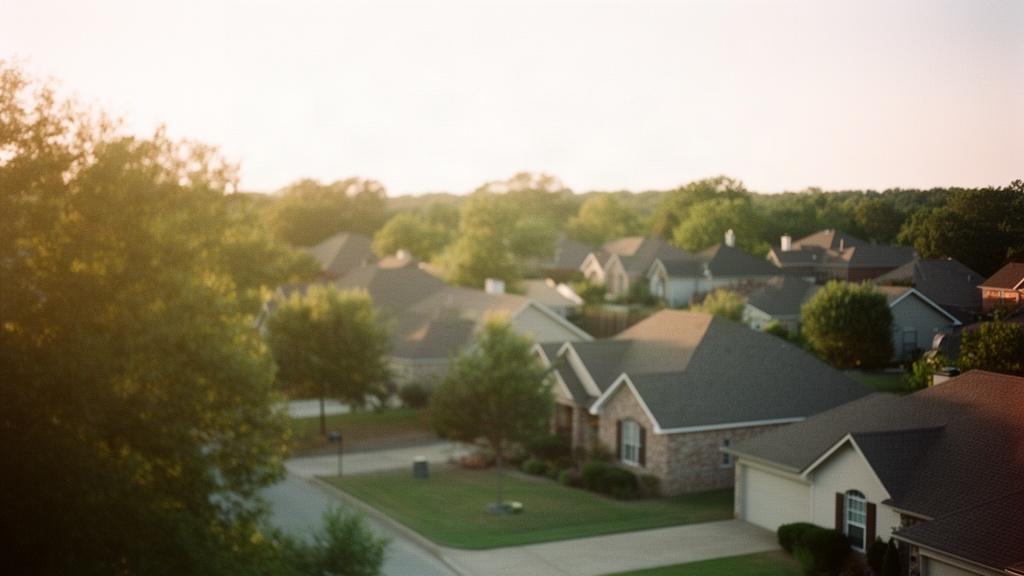
Tampa's housing stock varies dramatically by area, and understanding what you are buying matters as much as understanding the price. A bungalow in Seminole Heights, a 1920s Craftsman in Hyde Park, a 1990s stucco home in Westchase, and a 2024 townhome in New Tampa are four completely different ownership experiences in terms of maintenance, insurance, and flood exposure.
South Tampa and Hyde Park
South Tampa covers the peninsula between Old Tampa Bay and Hillsborough Bay, and it holds some of the city's oldest and most architecturally varied housing. Hyde Park's tree-lined streets are filled with early-20th-century Craftsman bungalows, Colonial Revivals, and Mediterraneans on lots that typically run 50 to 75 feet wide. Prices in Hyde Park proper start around $700,000 for a smaller bungalow and push well past $2 million for fully renovated larger homes on premium blocks.
Palma Ceia and Bayshore Beautiful, also within South Tampa, offer a mix of mid-century ranch homes and newer infill construction. Median prices in these sub-areas run from roughly $650,000 to $900,000 depending on lot size and flood zone designation. Proximity to Bayshore Boulevard, the 4.5-mile waterfront promenade that runs along Hillsborough Bay, is reflected in pricing throughout the peninsula.
Flood zone exposure is a real variable in South Tampa. Many streets are in AE or VE flood zones, which require federal flood insurance in addition to standard homeowners coverage. Buyers should request an elevation certificate for any property they are seriously considering and get flood insurance quotes before submitting an offer, not after.
Seminole Heights and Riverside Heights
Seminole Heights sits just north of downtown along the Hillsborough River and is known for its concentration of 1920s and 1930s bungalows on tree-canopied streets. The area is divided into Old Seminole Heights, Seminole Heights proper, and Southeast Seminole Heights, each with slightly different lot configurations and price points. Median prices here run from approximately $350,000 to $480,000 for a single-family home, making it one of the more accessible parts of the city for buyers who want older architecture and a walkable street grid.
Riverside Heights borders Seminole Heights to the south and shares a similar bungalow-heavy housing stock. Lots tend to be 50 feet wide and 120 to 140 feet deep. Many homes have been renovated over the past decade, and buyers will find a mix of move-in-ready properties and homes that still need updating. For a deeper look at what daily life and the housing market look like in this part of the city, the guide to Seminole Heights on this site covers the neighborhood in detail.
New Tampa and the University Area
New Tampa, developed primarily from the 1990s onward, offers a very different ownership profile from the older neighborhoods closer to downtown. Homes here are typically single-story or two-story stucco construction on larger lots, often within gated communities that include amenity centers, ponds, and common-area landscaping. Prices range from roughly $380,000 for a smaller three-bedroom to $650,000 and above for larger homes in communities like Cory Lake Isles or K-Bar Ranch.
The University Area, adjacent to the University of South Florida campus along Fowler Avenue, has a denser mix of single-family homes, apartment complexes, and smaller commercial corridors. Single-family homes here tend to be 1960s and 1970s ranch-style construction on 60 to 80-foot lots, with prices generally in the $280,000 to $380,000 range. The area also borders the ongoing development activity along Bruce B. Downs Boulevard, where new retail and medical facilities have added to the corridor over the past several years.
Westchase and Citrus Park
Westchase is a master-planned community in northwest Hillsborough County, developed in the late 1980s and 1990s, with a mix of single-family homes, townhomes, and a town center with retail and dining. Homes range from roughly $450,000 for a smaller villa-style property to $750,000 and above for larger homes on golf course or pond-front lots. The community maintains a network of ponds, parks, and trails, and has direct access to the Veteran's Expressway, which connects to Tampa International Airport in about 15 minutes.
Citrus Park, just east of Westchase along Gunn Highway, offers a broader mix of housing ages and price points. You will find 1980s ranch homes, 2000s two-story builds, and newer townhome developments, with prices generally running from $320,000 to $520,000. The Citrus Park Town Center mall and proximity to the Upper Tampa Bay Trail, a paved multi-use path, are two features buyers frequently ask about in this area.
3. Commute Times, Distances, and Getting Around Tampa
Where you live in Tampa has a direct impact on how long you spend in the car, and that calculus matters when you are comparing neighborhoods at similar price points. Tampa does not have a heavy rail network, so most commutes are car-dependent, and the city's major corridors, including I-275, I-4, and the Selmon Expressway, experience meaningful congestion during morning and evening peaks.
Driving and the Crosstown Expressway
From South Tampa to downtown, the drive along the Selmon Expressway (Lee Roy Selmon Crosstown) covers roughly 5 to 7 miles and takes 10 to 20 minutes depending on the time of day. From New Tampa to downtown via I-275, you are looking at 22 to 26 miles and 35 to 50 minutes in peak traffic. From Westchase to downtown via the Veterans Expressway and I-275, the distance is about 18 miles and the drive runs 30 to 45 minutes. These are real numbers to factor into a decision, especially if you are in the office four or five days a week.
Tampa International Airport is one of the city's most convenient assets for frequent travelers. From most parts of the city, the airport is reachable in 15 to 30 minutes. From South Tampa via the Selmon and Veterans Expressways, it is roughly 12 to 18 minutes. From New Tampa, plan on 35 to 45 minutes. For buyers who travel regularly for work, proximity to the airport is a legitimate factor in neighborhood selection.
Streetcar, Bus, and Water Taxi Options
The TECO Line Streetcar connects the Channel District and Ybor City to downtown, covering about 2.7 miles. It is free to ride and runs daily, making it useful for residents of the Channel District and downtown condos who work or dine in Ybor City. HART bus service covers a wider footprint but operates on schedules that make it less practical for most suburban commutes. The Pirate Water Taxi runs along the Hillsborough River and connects several parks and the Riverwalk, though it functions more as a leisure option than a commuter route.
4. Timing the Tampa Market: When to Buy and When to Sell
Timing in Tampa's real estate market is shaped by seasonal demand patterns, mortgage rate movements, and, increasingly, the cost and availability of homeowners and flood insurance. All three of those factors are in play right now in September 2026, and understanding how they interact will help you make a better-timed decision whether you are buying or selling.
Seasonal Patterns in Tampa Real Estate
Tampa's busiest buying season runs from February through May, when snowbirds, corporate relocations, and families trying to move before the school year drive the highest volume of transactions. Sellers who list in late January or February consistently see stronger competition among buyers and shorter days on market than those who list in July or August, when Florida's heat and hurricane season tend to suppress showing activity.
September and October represent a secondary window of activity. Buyers who did not find a home during the spring rush often return to the market in the fall, and sellers who list in September can capture that demand before the market slows again heading into November and December. If you are a buyer right now, you have more inventory to choose from than you would have had in March, and sellers are more willing to negotiate.
The Greater Tampa REALTORS have published detailed market forecasts that provide additional context on volume and pricing trends. Their 2025 Tampa Bay Housing Predictions outlined the inventory normalization and affordability headwinds that have continued to define the market through 2026.
What Elevated Insurance Costs Mean for Timing
Insurance is no longer a closing-table afterthought in Tampa; it is a budget line that can make or break affordability. Homeowners insurance premiums in Hillsborough County have risen sharply since 2022, and flood insurance costs through the National Flood Insurance Program's Risk Rating 2.0 methodology have added hundreds to thousands of dollars annually for properties in flood-prone zones. A home priced at $415,000 in a moderate flood zone can carry combined insurance costs of $8,000 to $14,000 per year, which affects how much mortgage a buyer can actually afford.
For sellers, elevated insurance costs have become a negotiating variable. Buyers are increasingly asking for insurance quotes as part of their due diligence before waiving contingencies, and homes in flood zone X with lower insurance exposure are commanding a premium over comparable homes in AE zones. Sellers in higher-risk flood zones who have invested in mitigation measures, such as elevation certificates showing the home is above base flood elevation, should document that clearly in the listing.
If you are navigating the buying process and want a fuller picture of what to expect from offer to closing, the complete buyer's guide on this site walks through each step in detail, including how to structure offers in today's market.
5. Key Numbers to Know Before You Make a Move
A useful Tampa, FL real estate market guide should leave you with concrete figures you can actually use, not just general impressions. Here is a snapshot of where the market stands in September 2026, organized by the numbers that matter most to buyers and sellers.
- Median single-family sale price: Approximately $415,000 as of September 2026, down from the 2022 peak of roughly $450,000.
- Median condo and townhome price: Approximately $310,000, with significant variation based on flood zone, building age, and HOA reserve status.
- Price per square foot (single-family): Roughly $240 to $255 across Tampa, higher in walkable older neighborhoods, lower in newer suburban areas.
- Average days on market: 45 to 55 days for single-family homes; longer for condos in buildings with unresolved reserve requirements.
- Months of supply (Hillsborough County): Approximately 3.5 to 4 months, indicating a balanced to slightly buyer-favoring market.
- Annual insurance costs (estimate, flood zone AE): $8,000 to $14,000 combined homeowners and flood insurance for a home priced around $415,000.
- Downtown commute from New Tampa: 22 to 26 miles; 35 to 50 minutes in peak traffic via I-275.
- Downtown commute from South Tampa: 5 to 7 miles; 10 to 20 minutes via the Selmon Expressway.
These figures are useful benchmarks, but every transaction is specific. A home's flood zone designation, HOA financial health, age of roof, and proximity to employment centers all affect value in ways that a market-wide median cannot capture. Working with someone who knows these variables at the street level makes a real difference in what you pay or what you net.
FAQ
Is Tampa a buyer's market or seller's market right now?
As of September 2026, Tampa is best described as a balanced market leaning slightly toward buyers, with approximately 3.5 to 4 months of supply in Hillsborough County. Homes are sitting on the market 45 to 55 days on average, which gives buyers time to negotiate, conduct inspections, and get insurance quotes before committing. Well-priced single-family homes in flood zone X are still attracting competitive offers, while condos and homes in higher flood-risk zones are seeing more price reductions and longer market times. The dynamic varies enough by zip code and property type that a blanket characterization does not serve buyers or sellers well; knowing the sub-market for your specific target area is essential.
What should I know about flood zones before buying in Tampa?
Flood zone designation is one of the most important variables in any Tampa real estate decision, affecting both insurance costs and long-term resale value. Properties in FEMA flood zones AE and VE require flood insurance if they carry a federally backed mortgage, and premiums under the NFIP's Risk Rating 2.0 system are now tied to the specific property's risk rather than a community-wide rate. Before making an offer, request the current elevation certificate from the seller and get a flood insurance quote from at least two carriers. Homes elevated above base flood elevation can qualify for significantly lower premiums. You can look up any Tampa property's flood zone designation on FEMA's Flood Map Service Center at msc.fema.gov.
How does the Tampa real estate market compare across different parts of the city?
Tampa's market is not one market; it is several operating at different price points and with different supply levels. South Tampa and Hyde Park carry the highest price-per-square-foot figures, often $300 and above, driven by lot scarcity, older architecture, and proximity to the water and downtown. Seminole Heights and Riverside Heights offer older bungalow stock at lower price points, generally $350,000 to $480,000 at the median. New Tampa and Westchase offer newer construction with larger lots and more amenity-driven community features at $380,000 to $750,000 depending on size and community. Each area also carries different flood exposure, HOA structures, and commute profiles, so comparing across them requires looking at total cost of ownership, not just list price.