← Back to Blog
Market Trends
Westchase, Tampa Real Estate Market Guide: Prices, Neighborhoods and Timing
By Nina Windham, Licensed Realtor
The Somerday Group · DBPR# SL3542542
September 9, 2026 · 11 min read
If you are researching the Westchase, Tampa real estate market and want a clear picture of prices, neighborhoods, and timing, this guide covers everything you need to make a confident decision. Westchase is a master-planned community in northwest Tampa, roughly 15 miles from downtown, and it draws consistent buyer interest because of its mix of housing types, deed-restricted villages, and access to the Westchase Golf Course and two community pools. Whether you are relocating to Tampa, buying your first home, or thinking about selling, here is what the market looks like right now.
1. What Is Westchase and What Makes It Distinct in Tampa
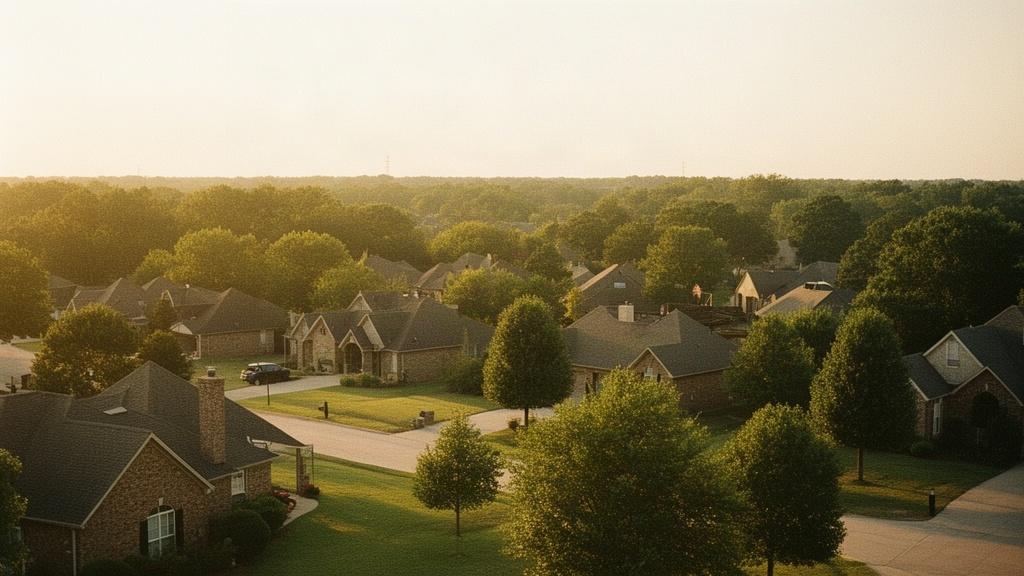
Westchase is one of Tampa's most cohesive master-planned communities. Built out primarily in the 1990s and early 2000s, it sits in the 33626 zip code along the Countryway Boulevard and Linebaugh Avenue corridors in northwest Hillsborough County. The community spans roughly 2,500 acres and is organized into more than 20 distinct villages, each governed by its own deed restrictions and connected by an internal trail system.
What sets Westchase apart from other Tampa suburbs is the intentional infrastructure built into the original plan. The community includes two heated pools, lighted tennis and pickleball courts, a 27-hole public golf course, and a town center along Countryway Boulevard with walkable retail, restaurants, and a Publix. Most of that was in place before the first residents moved in, which is not something you find in many Tampa neighborhoods of the same era.
The Master-Plan Layout
Westchase is divided into two main sections: Westchase proper to the east and West Park Village to the west. West Park Village has a distinctly different feel, with front-porch homes on narrower lots, alley-loaded garages, and a more compact, walkable grid layout. Westchase proper contains most of the larger single-family homes on wider lots with rear-facing garages. The two areas share HOA amenities but have separate architectural identities, which matters when you are comparing listings.
For a deeper look at how the master-plan holds up today, this overview of Westchase Tampa walks through the community's structure and what buyers typically weigh before committing.
Housing Stock and Architecture
The vast majority of homes in Westchase are single-family detached houses built between 1991 and 2005. You will find a consistent architectural vocabulary of stucco exteriors, tile roofs, and attached two-car garages. Lot sizes in the standard villages typically run from 6,000 to 10,000 square feet, while the larger estate-style sections like Woodbay push past 12,000 square feet. Townhomes and villas exist in smaller pockets, particularly near the West Park Village town center, and they tend to attract buyers who want lower maintenance without leaving the community.
2. Westchase Tampa Real Estate Prices Right Now
As of September 2026, the Westchase real estate market is showing a median home price in the range of $590,000 to $640,000 for single-family homes, depending on the specific village and lot size. That figure has held relatively steady through 2026 after a period of modest correction from the peak prices seen in 2022. Inventory has loosened compared to the extreme shortage of 2021 and 2022, which means buyers have more options and sellers need to price with more precision than they did two years ago.
Current Median Prices by Housing Type
Prices in Westchase vary meaningfully by housing type and village. Entry-level townhomes and villas in the community tend to list in the $380,000 to $450,000 range. Standard single-family homes in villages like The Vineyards, Keswick Forest, and The Fords typically run from $520,000 to $650,000. Larger homes in premium villages such as Woodbay, with lakefront or golf-course-adjacent lots, regularly list above $750,000 and occasionally push past $900,000 for updated four-bedroom and five-bedroom homes exceeding 3,000 square feet.
Price per square foot in Westchase currently sits around $240 to $290 for most single-family homes, with updated kitchens and newer roofs pushing toward the upper end of that band. Homes that have not been updated since their original build tend to sit longer and require sellers to price closer to $220 per square foot to generate offers. Days on market for competitively priced homes is running around 25 to 40 days in September 2026, which is longer than the sub-10-day pace of 2021 but still reflects a functional market with active buyer demand.
How Westchase Compares to the Broader Tampa Market
Westchase prices sit above the Tampa metro median, which is tracking around $420,000 to $440,000 for single-family homes in September 2026. The premium reflects the community's deed restrictions, maintained common areas, and the built-in amenity package. Buyers comparing Westchase to nearby Citrus Park, Carrollwood, or the Countryway area will generally find Westchase commands a 10 to 20 percent price premium for equivalent square footage, and that gap has been consistent over the past decade.
For a broader picture of where Tampa's housing market stands right now, HousingWire's Florida market analysis provides useful context on inventory trends, price movement, and demand drivers across the Tampa metro area.
If you want to understand how property taxes factor into your monthly carrying costs on a Westchase home, this breakdown of Tampa property taxes on a $450,000 home explains the Hillsborough County millage rate and how homestead exemptions affect your bill.
3. Westchase Neighborhoods and Villages: A Breakdown
Westchase contains more than 20 named villages, and each has a distinct character in terms of lot size, home age, and proximity to community amenities. Understanding the differences between villages is one of the most useful things a buyer can do before scheduling showings, because a home listed at $580,000 in The Fords will feel very different from a home at the same price in Glencliff or Radcliffe.
The Vineyards and Keswick Forest
The Vineyards is one of the most established villages in Westchase, with homes built primarily in the mid-1990s on lots that back to conservation areas or retention ponds. Floor plans here tend to run from 1,800 to 2,800 square feet, and the village has a quiet, tree-lined character because the mature landscaping planted in the 1990s has fully grown in. Keswick Forest sits adjacent and offers similar vintage homes with slightly larger lots, making it a village where buyers often find more outdoor space than the price suggests.
Woodbay and Glencliff
Woodbay is the community's premier lakefront village. Homes here sit on Lake Frazier or adjacent conservation land, with larger footprints typically starting at 2,500 square feet and running well past 4,000 square feet. The combination of water views, mature oaks, and larger lot sizes pushes Woodbay prices to the top of the Westchase range, and these homes tend to hold value well because the lakefront inventory is genuinely limited. Glencliff, by contrast, is a smaller village of attached and detached homes at more accessible price points, positioned near the community's trail connections and within walking distance of the Westchase Town Center.
The Fords and Radcliffe
The Fords is one of the larger villages in terms of home count and offers a broad mix of floor plans from roughly 1,600 to 3,200 square feet. Homes here were built in the late 1990s and early 2000s, and many have been updated with new kitchens, flooring, and roof replacements over the past decade. Radcliffe sits on the western edge of Westchase proper and is notable for its proximity to the Westchase Golf Course, with some lots backing directly to the fairways. Golf-course-adjacent homes in Radcliffe carry a meaningful premium over comparable non-golf lots in the same village.
West Park Village deserves its own mention because it functions almost like a separate neighborhood within the larger community. The homes here are neo-traditional in style, with front porches, narrow lots, and alley garages that create a more pedestrian-oriented streetscape. The West Park Village town center has its own cluster of restaurants and services, and the internal street layout is walkable in a way that most of Westchase proper is not. Buyers who want a more urban-feeling layout within a suburban master plan often find West Park Village a compelling option.
4. Commute Times, Amenities, and Daily Life in Westchase
Westchase's location in northwest Tampa puts it roughly 15 to 18 miles from downtown Tampa, with the primary access routes being the Veterans Expressway (SR-589) and Sheldon Road connecting to the Hillsborough Avenue corridor. The Veterans Expressway is a toll road, and commuters heading downtown or to Tampa International Airport typically budget 20 to 30 minutes during off-peak hours and 35 to 50 minutes during the morning and evening rush. Tampa International Airport is approximately 12 miles from the community, which is a practical advantage for frequent travelers.
Getting Around from Westchase
The Westchase area is car-dependent for most daily errands, which is typical for northwest Tampa. The Veterans Expressway provides the fastest route north toward Citrus County or south toward the Gandy Bridge and St. Petersburg, making Westchase a reasonable base for people who work across the bay. The Selmon Expressway connection via the interchange at the Crosstown adds another routing option for commuters heading to Brandon or east Hillsborough. Hillsborough Area Regional Transit (HART) bus service does reach the Westchase area, though most residents rely on personal vehicles for their daily routines.
Parks, Recreation, and Local Retail
Inside the community, the Westchase Recreation Center serves as the social hub, with two heated pools, tennis courts, a splash pad, and a playground. The 27-hole Westchase Golf Course is public and accessible from multiple points within the community. The internal trail system connects most villages and loops around retention ponds and conservation areas, giving residents a practical way to walk or bike between sections of the neighborhood without using Linebaugh Avenue or Countryway Boulevard.
For daily errands, the Westchase Town Center on Countryway Boulevard has a Publix, a handful of local restaurants, a dry cleaner, and service businesses. The larger retail corridor along Sheldon Road and the Citrus Park Town Center mall, about four miles north, handles bigger shopping needs. Citrus Park Town Center includes Target, Dick's Sporting Goods, and a movie theater, and most Westchase residents can reach it in under 10 minutes. The proximity of Moffitt Cancer Center and the University of South Florida campus, both roughly 20 minutes east via Linebaugh Avenue and I-275, matters to buyers in healthcare and academic fields.
5. Timing the Westchase Market: When to Buy or Sell
Timing matters in any Tampa neighborhood, and Westchase follows a seasonal pattern that is worth understanding before you list or make an offer. The community sees its highest listing activity between February and May, when out-of-state buyers are most active and Tampa's weather makes in-person tours more appealing. That spring window typically brings the most competition among buyers and the strongest offers for sellers.
Seasonal Patterns in Westchase
Summer inventory in Westchase tends to thin out as some sellers pull listings during the hottest months, but buyer activity does not disappear entirely because corporate relocation buyers are active year-round. The fall window, roughly September through November, is a period where motivated sellers who did not close during the spring season often reprice, and buyers can sometimes negotiate more favorable terms than they could in March or April. That dynamic is playing out right now in September 2026, with a subset of listings that have been on market since spring showing price reductions of $15,000 to $40,000 from their original ask.
For sellers, the strategic window to list is typically late January through early March to catch the leading edge of spring buyer demand. Homes listed in that window in Westchase historically receive more showings in their first two weeks than homes listed in July or August. If you missed the spring 2026 window, listing in October or November can still work well if the home is priced correctly, because inventory typically drops heading into the holidays and motivated buyers have fewer choices.
What September 2026 Conditions Mean for You
Right now in September 2026, Westchase sits in a balanced-to-slightly-buyer-favorable market compared to the seller-dominated conditions of 2021 and 2022. Active listings in the 33626 zip code have increased compared to September 2025, giving buyers more choices and more leverage on inspection contingencies and closing timelines. Mortgage rates remain a factor for buyers financing their purchase, and the rate environment has kept some would-be buyers on the sidelines, which further supports negotiating room for those who are ready to move.
For sellers, this means pricing accurately from day one matters more than it did three years ago. Overpriced homes in Westchase are sitting longer and accumulating price reductions that can signal weakness to buyers, even when the home itself is in excellent condition. Sellers who price at or just below recent comparable sales are still closing within 30 days and in some cases receiving multiple offers, particularly in the $520,000 to $620,000 range where buyer demand is most concentrated.
If you are a buyer trying to understand what the full purchase process looks like once you go under contract, this guide on how long it takes to close on a house in Tampa walks through the typical timeline from accepted offer to keys in hand.
For a broader view of what home prices are doing across Tampa right now, this September 2026 Tampa home price update compares current figures to where the market stood a year ago and highlights which submarkets are moving fastest.
FAQ
What is the average home price in Westchase, Tampa right now?
As of September 2026, the median price for a single-family home in Westchase is in the range of $590,000 to $640,000, depending on the village, lot size, and how recently the home has been updated. Townhomes and villas in the community start closer to $380,000, while larger lakefront or golf-course-adjacent homes in villages like Woodbay and Radcliffe regularly exceed $750,000. Price per square foot for most single-family homes is running between $240 and $290. Homes that have been updated with new kitchens, roofs, and flooring tend to command the upper end of that range and move faster than original-condition properties.
Is Westchase a good place to buy a home right now?
Whether Westchase fits your situation depends on your budget, commute needs, and lifestyle priorities, and that is a decision worth researching carefully. What is factually true right now is that the market in September 2026 is more balanced than it was in 2021 and 2022, meaning buyers have more inventory to choose from and more room to negotiate on terms like inspection contingencies and closing dates. The community's deed restrictions and maintained amenities have historically supported price stability compared to nearby neighborhoods without HOA oversight. You can review current active listings and recent sale prices through the Hillsborough County Property Appraiser's website to build your own picture of value.
What are the HOA fees in Westchase, Tampa?
Westchase HOA fees vary by village because the community has two layers of governance: the master HOA that covers shared amenities like the pools, trails, and common areas, and individual village sub-associations that may have their own additional fees for village-specific maintenance. As of 2026, the master Westchase Community Association fee runs approximately $290 to $320 per year for most single-family home owners, which is notably low compared to many master-planned communities in Florida. Village-level fees vary and can add another $100 to $400 per year depending on the specific sub-association. Buyers should request the full HOA disclosure package during the inspection period to confirm the exact fees and any pending special assessments for the specific home they are purchasing.