
← Back to Blog
Market Trends
What Are Home Prices in Melbourne Florida Looking Like Right Now in September 2026
By Norma Gutierrez
REMAX Elite
October 2, 2026 · 10 min read
If you are wondering what home prices in Melbourne Florida are looking like right now in September 2026, the short answer is this: the market has cooled from its 2022 peak but remains active, with median prices holding in a range that reflects real local demand rather than speculative momentum. This article breaks down current pricing by property type, how inventory levels are shaping negotiations, what different parts of Melbourne are trading for, and what buyers and sellers should realistically expect as they enter the market this fall.
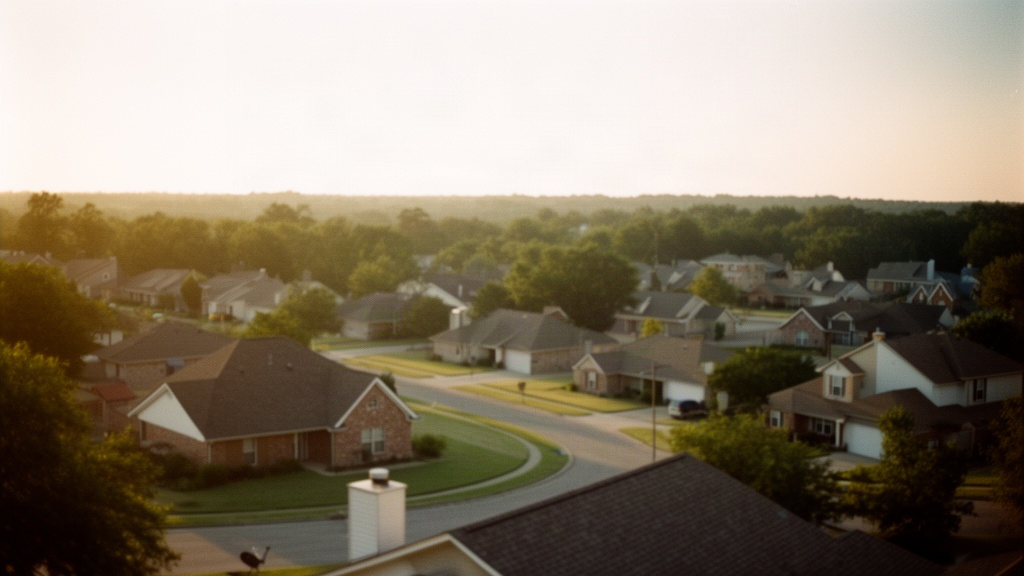
1. The Melbourne Florida Housing Market at a Glance: September 2026
Melbourne's housing market in September 2026 is best described as a stabilized seller's market with selective buyer leverage. Prices are not falling sharply, but they are not climbing at the pace seen during 2021 and 2022 either. Sellers who price correctly are still finding buyers. Buyers who do their homework are finding more room to negotiate than they had two years ago.
Median Sale Price Right Now
As of September 2026, the median sale price for a single-family home in Melbourne, Florida sits in the range of approximately $370,000 to $395,000, depending on the data source and the specific zip code being measured. According to Redfin's Melbourne housing market data, the city has seen modest price adjustments over the past twelve months as higher mortgage rates continued to temper demand from the peak years. That said, Melbourne's fundamentals, including its proximity to Kennedy Space Center, a growing aerospace and defense employment base, and consistent in-migration from higher-cost Florida metros, have kept a floor under prices.
The median for all residential properties, including condos and townhomes, comes in somewhat lower, closer to the $310,000 to $340,000 range. Condos along the US-1 corridor and near the Eau Gallie Causeway tend to anchor the lower end of that spread, while newer townhome communities in West Melbourne push toward the higher end.
How Prices Have Shifted Over the Past Year
Compared to September 2025, median single-family prices in Melbourne are roughly flat to down about 2 to 4 percent, depending on the neighborhood. That is a meaningful shift from the 8 to 12 percent annual appreciation the market was posting in 2021 and 2022, but it is not a collapse. Homes that are well-maintained, correctly priced, and located near major employment corridors along I-95 and US-192 are still attracting multiple showings within the first two weeks of listing.
For a broader picture of how Melbourne compares to state and national trends, the Melbourne FL housing market overview on Resideline provides useful context on year-over-year price movement and inventory shifts that are worth reviewing alongside local data.
2. What Are Home Prices Looking Like Across Melbourne's Different Areas
Melbourne is not a single uniform market. Prices vary considerably depending on whether you are looking at older in-town neighborhoods, the arts district corridor, newer developments to the west, or barrier island properties east of the Indian River Lagoon. Understanding those distinctions is essential before making any offer or setting any list price.
Downtown and Historic Melbourne
The area surrounding Historic Downtown Melbourne, anchored by New Haven Avenue and the Brevard County Courthouse, contains a mix of older bungalows, mid-century ranch homes, and a growing number of renovated properties. Homes here typically range from the high $200,000s for smaller original-condition bungalows to the mid $400,000s for fully updated three-bedroom homes on larger lots. The walkability to restaurants, the Henegar Center for the Arts, and the Saturday morning farmer's market along Strawbridge Avenue adds a premium that buyers are still willing to pay in September 2026.
Eau Gallie Arts District Corridor
The Eau Gallie area, which sits just north of downtown Melbourne along Highland Avenue and the Indian River waterfront, has seen sustained buyer interest through 2026. Single-family homes in this corridor are trading in the $320,000 to $480,000 range depending on lot size, proximity to the water, and the extent of renovations. Smaller homes on interior streets without water views tend to sit at the lower end of that range, while properties with Indian River frontage or dock access push considerably higher.
For a deeper look at how the Eau Gallie submarket is performing and what buyers should know before shopping there, the Eau Gallie area market guide on this site covers the specifics in detail.
West Melbourne and Viera-Adjacent Zip Codes
West Melbourne, which borders the city along Minton Road and the US-192 corridor, offers newer construction subdivisions on larger lots at prices that generally run from the mid $300,000s into the low $500,000s for four-bedroom homes built in the 2010s and 2020s. The proximity to Interstate 95 and the Hammock Landing shopping center makes this area convenient for households that commute north toward Titusville or south toward Palm Bay.
Properties in the zip codes bordering Viera, particularly around the Viera Boulevard interchange and the Duran Golf Club area, have held their value well through 2026. Newer homes in planned communities here are priced from the high $300,000s to well above $600,000 for larger homes with premium lots. The newer the construction and the larger the floor plan, the more pricing power sellers retain even in the current environment.
Beachside and Barrier Island Properties
Melbourne Beach and the barrier island communities east of the Eau Gallie Causeway and Melbourne Causeway represent a distinct submarket with their own pricing logic. Single-family homes within a short walk or bike ride of the Atlantic Ocean typically start around $450,000 for smaller, older homes and climb past $900,000 for direct oceanfront properties or larger renovated homes on A1A.
Insurance costs are an important consideration on the barrier island, as flood zone designations and wind mitigation requirements affect carrying costs significantly. If you are evaluating beachside properties, it is worth reading through the flood zone and homeowners insurance guide for Melbourne before finalizing your budget.
3. How Inventory and Days on Market Are Affecting Prices
Inventory levels are the single biggest driver of whether Melbourne's market tilts toward buyers or sellers in any given month. Right now in September 2026, active inventory in the Melbourne metro area has risen compared to the historically low levels of 2021 and 2022, but it remains below what would be considered a fully balanced market. That imbalance continues to give correctly priced listings an advantage.
Current Inventory Levels
Melbourne and the surrounding Brevard County market are currently carrying roughly two to three months of supply for single-family homes in the most active price bands, which is the $300,000 to $500,000 range. A balanced market typically requires four to six months of supply, so sellers still hold a modest structural advantage in that segment. Above $600,000, supply is somewhat higher and buyers have more negotiating room, particularly for properties that have been sitting on the market beyond 45 days.
How Long Homes Are Sitting Before Selling
The median days on market for Melbourne homes in September 2026 is running approximately 35 to 50 days for properties priced accurately from the start. That is up from the 10 to 15 day medians seen at the height of the market in early 2022, but it is not alarming. It simply means buyers have time to conduct proper due diligence, schedule inspections, and compare options without the extreme pressure that defined the pandemic-era market.
Homes that are overpriced relative to comparable sales are sitting considerably longer, sometimes 70 to 90 days, and then requiring price reductions that ultimately net sellers less than if they had priced correctly from day one. If you are selling and want to understand how to avoid that outcome, the article on selling a home in Melbourne when it is hard to move walks through exactly what happens when a listing stalls and what you can do about it.
4. What Buyers Are Paying Per Square Foot Right Now
Price per square foot is one of the most useful metrics for comparing value across Melbourne's varied housing stock, because it strips out the distortion that comes from comparing a 1,200-square-foot bungalow to a 2,800-square-foot new construction home. In September 2026, the numbers break down as follows across the two main property categories.
Single-Family Homes
Single-family homes in Melbourne are currently selling at a median of approximately $195 to $225 per square foot across the broader city. Homes in established in-town neighborhoods with mature trees and original character, such as those in the Riverview Park area or near Lipscomb Street, tend to trade at the lower end of that range because buyers factor in renovation costs. Newer construction homes in West Melbourne and the Viera-adjacent communities push toward $230 to $260 per square foot, reflecting modern floor plans, impact-resistant windows, and lower expected maintenance costs in the near term.
Barrier island single-family homes command a premium that can push price per square foot to $280 or higher, particularly for properties with ocean views or direct beach access. The premium reflects land scarcity on the barrier island as much as it reflects the homes themselves.
Condos and Townhomes
Condos in Melbourne are trading at roughly $175 to $210 per square foot in September 2026, with significant variation based on building age, HOA financial health, and location. Older condo buildings along US-1 and near the Melbourne Square area tend to sit at the lower end of that range. Newer townhome communities in West Melbourne with attached garages and updated interiors are closer to $210 to $240 per square foot.
One factor worth monitoring for condo buyers specifically is HOA reserve funding. Florida's updated condo reserve legislation, which took effect in stages after 2022, has led some older associations to levy special assessments or significantly raise monthly dues. Those costs affect your effective price per square foot in a way that the list price alone does not reveal, so reviewing the association's financials before making an offer is essential.
5. What This Market Means for Buyers and Sellers in September 2026
Understanding what home prices in Melbourne Florida are doing right now is only useful if you know how to act on that information. The current market rewards preparation on both sides of the transaction. Buyers who are pre-approved and informed about local price benchmarks can move decisively when the right property appears. Sellers who price based on current comparables rather than 2022 peak values are closing deals within a reasonable timeframe.
Advice for Buyers Entering the Market Now
Buyers in September 2026 have more options and more time than they did two or three years ago, but the market is not a buyer's market in the traditional sense. Inventory in the core price bands remains lean enough that well-priced homes still attract competition. The most important thing a buyer can do right now is get fully pre-approved, not just pre-qualified, before beginning serious showings. Sellers in Melbourne's active price range are not entertaining offers from buyers who have not demonstrated financing readiness.
Buyers should also budget carefully for total carrying costs, not just the purchase price. Property taxes, homeowners insurance, and HOA fees in Melbourne can add anywhere from $400 to $900 per month to your housing cost depending on the property. Understanding what those numbers look like before you fall in love with a listing prevents painful surprises at the closing table. The typical closing costs guide for Melbourne buyers is a good starting point for building that full-cost picture.
Advice for Sellers Pricing Their Home This Fall
Sellers who are listing in September 2026 need to price against the last 60 to 90 days of closed sales in their specific zip code, not against what a neighbor sold for in 2022 or even early 2025. The market has recalibrated, and buyers are doing their homework. An overpriced listing in today's Melbourne market will sit, accumulate days on market, and ultimately sell for less than a home that was priced correctly from the start.
Presentation still matters enormously. Homes that are professionally photographed, decluttered, and in good repair are outperforming comparable homes that are not. In a market where buyers have slightly more time to compare options, first impressions carry real weight. For a detailed look at what sellers should expect from pricing through closing in the current environment, the article on selling a home in Melbourne: pricing, offers, and buyer expectations covers the full picture.
FAQ
What is the median home price in Melbourne, Florida right now in September 2026?
The median sale price for a single-family home in Melbourne, Florida in September 2026 is approximately $370,000 to $395,000, depending on the specific neighborhood and data source. Condos and townhomes bring the overall residential median somewhat lower, into the $310,000 to $340,000 range. Prices are roughly flat to down 2 to 4 percent compared to September 2025, reflecting a market that has stabilized after the sharp appreciation of 2021 and 2022. Barrier island and waterfront properties command premiums well above those medians, often starting above $450,000 for entry-level beachside homes.
Is Melbourne, Florida a buyer's market or a seller's market in September 2026?
Melbourne is best described as a mild seller's market in September 2026, particularly in the $300,000 to $500,000 price band where inventory remains below a balanced level of four to six months of supply. Buyers have more time and options than they did in 2021 and 2022, and homes are sitting on the market longer than they were at the peak, but well-priced listings in desirable locations are still attracting multiple showings and competitive offers. Above $600,000, the market is closer to balanced and buyers have more room to negotiate. The dynamic varies meaningfully by neighborhood and price point, which is why working with a local agent who tracks the specific submarket you are targeting is important.
How long does it take to sell a home in Melbourne, Florida right now?
Homes that are priced accurately based on current comparable sales in Melbourne are spending approximately 35 to 50 days on the market before going under contract in September 2026. That is a meaningful increase from the 10 to 15 day medians seen during the 2021 and 2022 peak, but it is a healthy timeframe that allows for proper buyer due diligence. Homes that are priced above market are sitting considerably longer, sometimes 70 to 90 days, and often requiring price reductions that erode the seller's net proceeds. Pricing correctly from the first day of listing remains the most effective strategy for minimizing time on market and maximizing the final sale price.