← Back to Blog
Buying
Buying a Home in Virginia-Highland, Atlanta: Process, Costs and Timeline
By Patrice Green
September 8, 2026 · 12 min read
Buying a home in Virginia-Highland, Atlanta is one of the most specific real estate decisions you can make in this city, and the process looks a little different here than it does in most other Atlanta neighborhoods. This guide walks you through every stage, from your first mortgage conversation to the day you pick up keys, with real numbers tied to what homes actually cost in Virginia-Highland right now in September 2026.
1. What Makes Virginia-Highland Distinct as a Buying Market
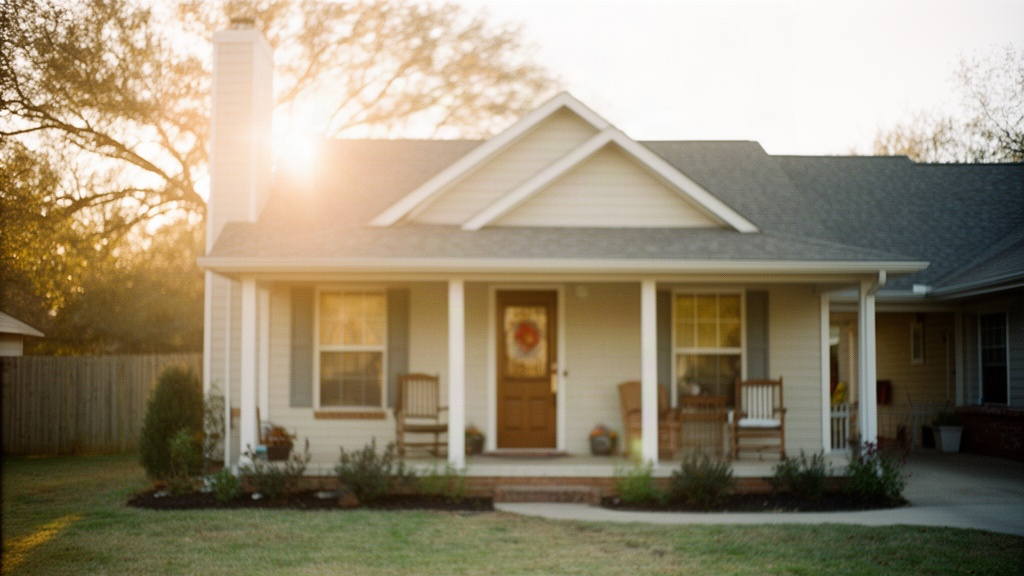
Virginia-Highland is one of Atlanta's most established intown neighborhoods, and that shapes everything about buying here. The neighborhood sits roughly two miles northeast of Midtown, bounded by Ponce de Leon Avenue to the south, Piedmont Avenue to the west, and the Morningside and Druid Hills communities to the north and east. It is a walkable, grid-style neighborhood where most lots were platted in the early twentieth century, which means you are generally looking at smaller lots with mature tree canopies and homes built between the 1920s and the 1970s, with a meaningful number of renovations and additions layered on top of that original stock.
The Housing Stock
The dominant architectural styles in Virginia-Highland are Craftsman bungalows, Tudor cottages, and American Foursquares. You will also find a smaller number of ranch-style homes from the mid-century period, and a growing inventory of newer townhomes and infill construction on previously vacant or redeveloped lots. The neighborhood has very few large condominium buildings, which distinguishes it from Midtown. Most buyers here are purchasing detached single-family homes or attached townhomes.
Lot Sizes and Street Layout
Typical lot sizes in Virginia-Highland run between 5,000 and 8,500 square feet, which is modest by suburban standards but generous for an intown Atlanta neighborhood. Streets are tree-lined and relatively narrow. Sidewalks are present on most blocks, and the Virginia Avenue and North Highland Avenue commercial corridors are within walking distance of the majority of residential blocks. The BeltLine Eastside Trail connects at Ponce City Market, roughly a half-mile walk or bike ride from the southern edge of the neighborhood, which has been a consistent driver of buyer interest since the trail opened.
Proximity to Intown Atlanta
Virginia-Highland sits within about three miles of both Downtown and Midtown Atlanta, making it one of the closer-in residential neighborhoods in the city. The drive to Midtown via Monroe Drive or Piedmont Avenue typically runs ten to fifteen minutes outside of peak hours, and fifteen to twenty-five minutes during morning and evening rush. For buyers who want intown access without high-rise living, Virginia-Highland is one of the few neighborhoods in Atlanta that delivers both. If you want to compare commute times across other intown neighborhoods, this breakdown of Atlanta neighborhoods with the shortest commute times to Downtown and Midtown is worth reading before you narrow your search.
2. What Homes Cost in Virginia-Highland Right Now
Virginia-Highland is one of Atlanta's higher-priced intown neighborhoods, and that has been true consistently for the past decade. In September 2026, the median sale price for a single-family home in Virginia-Highland sits in the range of $875,000 to $1,050,000, depending on square footage, renovation quality, and proximity to the commercial strip on North Highland Avenue. Entry-level properties, typically smaller bungalows under 1,400 square feet that have not been fully updated, are trading in the $700,000 to $800,000 range. Fully renovated or newly built homes with four or more bedrooms regularly exceed $1.2 million.
Current Price Ranges by Property Type
- Original bungalow, unrenovated or partially updated (under 1,400 sq ft): $680,000 to $800,000
- Renovated Craftsman or Tudor, 1,500 to 2,200 sq ft: $875,000 to $1,100,000
- Larger renovated or expanded home, 2,500 to 3,500 sq ft: $1,100,000 to $1,500,000
- New infill construction or substantial rebuild: $1,300,000 and above
- Townhomes (attached, newer construction): $650,000 to $850,000
How Virginia-Highland Prices Compare to the Broader Atlanta Market
The citywide median home price in Atlanta in September 2026 is considerably lower than what you will pay in Virginia-Highland. For context on where the broader market sits right now, this article on the average home price in Atlanta in September 2026 gives a useful baseline. Virginia-Highland commands a premium because of its walkability score, the condition of its housing stock, the maturity of its tree canopy, and the concentration of restaurants, coffee shops, and retail on North Highland and Virginia Avenues. Buyers should budget accordingly and not assume that Atlanta-wide median figures apply to this specific neighborhood.
Property Tax Expectations
Virginia-Highland falls within the City of Atlanta limits and is taxed under the Fulton County and City of Atlanta millage rates. On a home assessed at $900,000, annual property taxes typically run between $9,500 and $12,500 depending on any exemptions you qualify for, including the homestead exemption available to owner-occupants. Georgia's homestead exemption can meaningfully reduce your taxable assessed value once you establish the property as your primary residence. For a full explanation of how Atlanta property taxes are calculated and what exemptions apply to new buyers, read this detailed guide on property taxes in Atlanta, Georgia.
3. The Step-by-Step Buying Process in Virginia-Highland
The buying process in Virginia-Highland follows Georgia's standard real estate transaction framework, but the specifics of this market add some important nuances. Inventory is tight, well-priced homes move quickly, and older construction means inspection findings are more common here than in newer suburban neighborhoods. Here is how the process unfolds from start to finish.
Step 1: Get Pre-Approved
Pre-approval is non-negotiable in Virginia-Highland. Sellers in this price range consistently reject offers that arrive without a lender letter. You will need to provide two years of tax returns, recent pay stubs, bank statements, and documentation of any other assets. At the price points common in Virginia-Highland, many buyers are putting down 20 percent or more to avoid private mortgage insurance, which on a $950,000 purchase means a down payment of $190,000. Get your pre-approval letter before you tour a single home.
Step 2: Work With a Local Buyer's Agent
Virginia-Highland is a neighborhood where local knowledge makes a measurable difference. An agent who knows the streets can tell you which blocks have drainage issues, which homes have had foundation work, and which properties have been sitting for reasons that are not obvious from the listing photos. They can also tell you when a home is priced correctly versus when a seller is testing the market. This is not a neighborhood where you want to navigate the process alone.
Step 3: Search and Tour Homes
Active inventory in Virginia-Highland in September 2026 is limited. At any given time, there are typically between 15 and 30 active listings across the neighborhood, which is low relative to buyer demand. Homes that are priced correctly and show well are going under contract within one to two weeks. You should be prepared to tour quickly and make decisions without extended deliberation. Setting up automated MLS alerts with your agent the moment you are pre-approved is the right move.
Step 4: Make an Offer
Georgia uses a standard Purchase and Sale Agreement, and your offer will include your price, earnest money deposit, due diligence period, and financing contingency. In Virginia-Highland, earnest money deposits typically run one to two percent of the purchase price. On a $950,000 home, that is $9,500 to $19,000 delivered to the closing attorney's escrow account within a few days of acceptance. Georgia is an attorney-state, meaning a licensed Georgia real estate attorney must handle the closing, and the buyer typically selects the closing attorney. Your agent will help you choose one.
Step 5: Due Diligence and Inspection
Georgia's due diligence period is one of the most buyer-friendly provisions in the state's standard contract. During this window, typically negotiated to seven to fourteen days in Virginia-Highland, you can walk away for any reason and get your earnest money back. You should use this time to complete a general home inspection, a sewer scope inspection (older homes in this neighborhood have cast-iron or clay sewer lines that can fail), and potentially a structural inspection if the home has a basement or shows any signs of foundation movement. Budget $600 to $1,200 for a thorough inspection package on a home in this price range.
Older homes in Virginia-Highland frequently have findings related to knob-and-tube wiring, galvanized plumbing, or aging HVAC systems. These are not automatic deal-killers, but they are negotiating points. Your agent can help you determine which findings warrant a price reduction or seller credit and which are standard for a home of this age. For a detailed look at what the Georgia closing process looks like step by step, this guide on how long it takes to close on a house in Georgia is a helpful companion read.
Step 6: Appraisal and Loan Finalization
Once you are past due diligence, your lender will order an appraisal. In Virginia-Highland, appraisals can be tricky because the neighborhood has a wide spread of home values on the same block. A fully renovated 2,800-square-foot home next to an original 1,100-square-foot bungalow makes comparable sales analysis complex. If the appraisal comes in below your offer price, you will need to negotiate with the seller, pay the difference in cash, or exercise any appraisal contingency in your contract. Your agent should help you anticipate this risk before you go under contract.
Step 7: Closing
Closing in Georgia happens at the office of the closing attorney, and you will receive your Closing Disclosure at least three business days before the closing date. You will wire your down payment and closing costs before or on the day of closing. Once all documents are signed and funds are confirmed, the deed is recorded with Fulton County and you receive the keys. The entire process from accepted offer to close typically takes 30 to 45 days when financing is involved.
4. Closing Costs and Total Upfront Costs to Budget
Buyers in Georgia typically pay between two and five percent of the purchase price in closing costs, on top of their down payment. On a $950,000 Virginia-Highland home, that means budgeting an additional $19,000 to $47,500 at the closing table, separate from your down payment. According to Bankrate's breakdown of closing costs in Georgia, the average buyer pays around $3,000 to $5,000 in lender fees alone, plus title insurance, attorney fees, prepaid property taxes, and homeowners insurance escrow.
Buyer Closing Costs in Georgia
- Loan origination fee: Typically 0.5 to 1 percent of the loan amount; on a $760,000 loan, that is $3,800 to $7,600.
- Appraisal fee: $600 to $900 for a home in this price range.
- Title insurance (lender's policy): Required by your lender; typically $1,000 to $2,000.
- Owner's title insurance: Optional but strongly recommended; adds $800 to $1,500.
- Closing attorney fee: $600 to $1,200 for the attorney's services.
- Prepaid homeowners insurance: First year's premium due at closing; budget $2,000 to $3,500 for a home at this value.
- Prepaid property taxes and escrow: Two to three months of taxes collected upfront; $2,000 to $3,500 depending on closing date.
- Recording fees: Paid to Fulton County; typically $50 to $100.
Additional Upfront Costs to Plan For
Beyond closing costs, buyers in Virginia-Highland should budget for several additional expenses that are easy to underestimate. Home inspection and sewer scope fees run $600 to $1,200. If the inspection reveals issues that require specialist evaluations, such as a structural engineer or an electrician's assessment, add another $300 to $600. Moving costs within Atlanta typically run $1,500 to $4,000 for a full-service move. And if you are buying a home that needs cosmetic updates or immediate repairs, it is wise to hold a cash reserve of at least $10,000 to $20,000 after closing.
Development activity in surrounding intown neighborhoods can also affect what you pay over time. Projects along the BeltLine corridor and in adjacent areas like Ponce City Market and Old Fourth Ward have supported property values in Virginia-Highland over the past several years. For a broader picture of how new construction and development are shaping Atlanta home values right now, this article on new construction and development projects in Atlanta in 2026 is worth reviewing before you finalize your budget.
5. How Long Does Buying in Virginia-Highland Actually Take
From the day you start your search to the day you close, most buyers in Virginia-Highland spend between two and five months in the process. The range is wide because the search phase varies so much. In a market with limited inventory, some buyers find the right home within a few weeks; others search for three or four months before the right property comes available. The transaction itself, from accepted offer to closing, typically takes 30 to 45 days.
Timeline From Pre-Approval to Close
- Pre-approval: 3 to 7 days to gather documents and receive a lender decision.
- Active home search: 2 to 12 weeks, depending on inventory and how quickly you find the right fit.
- Offer and negotiation: 1 to 5 days from offer submission to executed contract.
- Due diligence period: 7 to 14 days; inspections typically happen in the first half of this window.
- Appraisal and underwriting: 2 to 3 weeks after due diligence ends.
- Closing preparation: 3 to 5 business days for Closing Disclosure review and wire transfer.
- Total from accepted offer to close: 30 to 45 days is the standard range in Georgia.
When to Start Your Search
If you have a target move-in date, work backward from it by at least four months. Virginia-Highland does not have the kind of inventory depth that lets you find, negotiate, and close quickly if you start late. The neighborhood sees its highest listing volume in the spring, typically March through May, and a secondary bump in September and October. Starting your search and getting pre-approved in August or September positions you well for fall listings.
Atlanta's overall inventory picture has shifted somewhat in 2026, with more sellers listing than in the previous two years. According to HousingWire's analysis of Atlanta's housing inventory trends, the metro area has seen a gradual increase in active listings, which has softened some of the extreme competition buyers faced in 2022 and 2023. Virginia-Highland has benefited from this shift, though it remains a seller-leaning market for well-maintained homes in the core of the neighborhood.
If you are also considering nearby intown neighborhoods as part of your search, the buying process in Midtown Atlanta follows a similar framework but with a very different housing stock and price profile. This detailed guide on buying a home in Midtown Atlanta covers the process, costs, and timeline for that neighborhood specifically.
FAQ
Is Virginia-Highland a competitive market for buyers right now in September 2026?
Yes, Virginia-Highland remains a competitive market, particularly for move-in-ready homes priced correctly. Active inventory typically sits between 15 and 30 listings at any given time, and well-presented homes in the $875,000 to $1,100,000 range often go under contract within one to two weeks of listing. Buyers who are pre-approved and working with an agent who monitors the market daily are in a much stronger position than those who are still gathering documents when a good property hits. Homes that have been sitting for more than 30 days sometimes represent negotiating opportunities, and your agent can help you identify why a particular property has not sold.
What are the total upfront costs for buying a home in Virginia-Highland, Atlanta?
On a $950,000 home in Virginia-Highland with a 20 percent down payment, your total upfront cash requirement will typically fall between $228,000 and $250,000. That breaks down as $190,000 for the down payment, $19,000 to $47,500 in closing costs (two to five percent of the purchase price), plus inspection fees of $600 to $1,200 and a cash reserve for any immediate repairs or updates. Georgia buyers also prepay the first year of homeowners insurance and two to three months of property taxes at closing, which adds another $4,000 to $7,000 on a home at this value. It is important to have these funds liquid and documented before you make an offer, because sellers in this price range expect buyers to be financially ready.
Can I buy a home in Virginia-Highland for under $800,000?
It is possible but uncommon in September 2026. The sub-$800,000 segment of the Virginia-Highland market is primarily made up of smaller original bungalows under 1,400 square feet that have not been significantly updated, and occasionally townhomes on the edges of the neighborhood. These properties do come to market but move quickly when they are priced correctly. If your budget is in this range, you should be pre-approved and ready to act within 24 to 48 hours of a listing appearing. You may also want to explore adjacent neighborhoods such as Poncey-Highland or Ormewood Park, which offer some intown Atlanta character at lower price points, though those are distinct markets with their own dynamics.