← Back to Blog
Market Trends
Appleton, Wisconsin Real Estate Market Guide: Prices, Neighborhoods and Timing
By Peyton Kloehn
September 1, 2026 · 11 min read
If you are trying to understand the Appleton, Wisconsin real estate market guide covering prices, neighborhoods, and timing, you are in the right place. This article breaks down what homes actually cost right now, how the different parts of the city differ in terms of housing stock and price points, and what the market data says about when to make your move.
1. Where Appleton Home Prices Stand Right Now
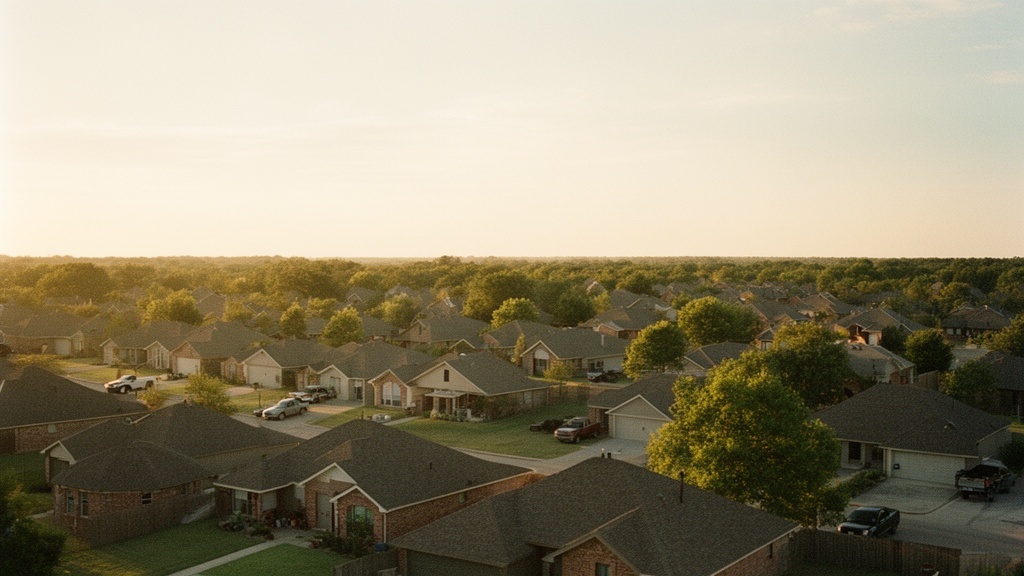
Appleton home prices have risen meaningfully over the past several years, and September 2026 is no exception. The median sale price in Appleton sits in the low-to-mid $300,000s as of this month, with price per square foot hovering around $175 to $195 depending on the neighborhood and the age of the home. That is a notable climb from where the market stood just two years ago, reflecting steady demand against a limited supply of listings.
Median Sale Price and Price Per Square Foot
Entry-level homes in Appleton, typically smaller ranches and two-bedrooms built between the 1950s and 1970s, generally list in the $180,000 to $240,000 range. Mid-range homes, which include three- and four-bedroom colonials and split-levels from the 1980s and 1990s, cluster around $260,000 to $340,000. Newer construction and larger homes on the west side of the city push into the $380,000 to $500,000 range and above.
For a deeper look at current price trends and historical appreciation data, Redfin's Appleton housing market page tracks median sale prices, list-to-sale price ratios, and month-over-month changes in real time. It is a useful benchmark to check before you set a budget or price a listing.
How Appleton Compares to the Broader Fox Valley
Appleton sits at the center of the Fox Cities metro, which also includes Neenah, Menasha, Kaukauna, Little Chute, and Kimberly. Prices in Appleton proper tend to run slightly higher than in some of the smaller surrounding communities, largely because of the city's employment base, the concentration of amenities along College Avenue, and the draw of the Fox River waterfront. Buyers who need more square footage for their dollar sometimes look at Kaukauna or Little Chute, which are roughly 10 to 15 miles from downtown Appleton.
Neenah and Menasha, located about 10 miles south along the Fox River, offer a different mix of waterfront properties and older craftsman-style homes. Understanding where Appleton sits within this broader corridor helps buyers and sellers set realistic expectations for price and competition.
2. Appleton Neighborhoods: Housing Stock and Price Ranges
Appleton's neighborhoods each have a distinct character defined by when they were built, what the lots look like, and what price range they occupy. Understanding those differences is one of the most practical things you can do before starting your search or pricing your home. The city spans roughly 25 square miles, and a move from one side to the other can mean a $100,000 difference in median price for a comparable home.
West Side Appleton
The west side of Appleton, roughly the area west of Ballard Road and extending toward the town of Grand Chute, contains the city's largest concentration of homes built after 1995. Subdivisions here feature larger lots, attached garages with three stalls, open-concept floor plans, and proximity to newer commercial development along Westhill Boulevard and Wisconsin Avenue. Homes in this corridor frequently list between $320,000 and $550,000, with custom builds on larger parcels going higher.
Grand Chute, which borders Appleton to the west and is home to Fox River Mall, shares many of the same housing characteristics. Buyers sometimes find slightly more competitive prices there compared to Appleton addresses, though the communities blend together seamlessly from a practical standpoint.
East Side and Downtown Appleton
East Appleton and the neighborhoods close to downtown along College Avenue represent the city's older housing stock. Craftsman bungalows, two-story foursquares, and brick homes from the 1910s through the 1950s are common here, often on narrow lots with mature trees and detached garages. These homes typically range from $160,000 on the low end for a fixer-upper to around $280,000 for a well-maintained home with updated mechanicals.
The draw of this part of the city includes walkable access to College Avenue's restaurants, the Fox Cities Performing Arts Center, the Appleton Public Library, and Jones Park along the Fox River. Homes here tend to move quickly when they are priced correctly, because the inventory of older character homes is finite and does not grow the way new-construction areas do.
North Appleton and the Darboy Area
North Appleton, including the unincorporated Darboy area just to the northeast, offers a mix of ranch homes from the 1970s and 1980s alongside newer infill construction. Lot sizes tend to be more generous than in the older east-side neighborhoods, and the area provides relatively quick access to Highway 41 for commuters heading north toward Green Bay or south toward Oshkosh. Prices here generally fall in the $220,000 to $320,000 range for a typical three-bedroom home.
The Darboy area, technically within the Town of Vandenbroek, sits about five miles northeast of downtown Appleton. Buyers looking for more land, sometimes a half-acre or more, often find options here that are difficult to locate within the city limits at comparable price points.
Surrounding Communities Worth Knowing
Buyers with flexibility in their search area often expand into Kimberly, Combined Locks, and Hortonville. Kimberly and Combined Locks sit about eight miles southeast of downtown Appleton along the Fox River, with a mix of 1960s through 1990s housing and some newer developments. Hortonville is roughly 15 miles northwest, offering more rural character and lower price points, typically in the $180,000 to $270,000 range for a three-bedroom home.
If you are weighing specific neighborhoods and want a factual rundown of what is currently listed, the homes for sale in Appleton, Wisconsin 2026 article on this site walks through active inventory by area.
3. Market Conditions: Supply, Demand, and What They Mean for You
Appleton's housing market in September 2026 remains competitive, with demand outpacing the available supply of move-in-ready homes. Months of supply, a measure of how long current inventory would last at the current pace of sales, has been running below three months for most of 2026. Historically, a balanced market sits at around five to six months of supply, so Appleton is still firmly in seller's market territory.
Inventory Levels and Days on Market
The median days on market for homes in Appleton has been running between 10 and 20 days for well-priced listings in 2026. Homes that are updated, staged well, and priced within the current comparable sales range are routinely going under contract within the first week. Homes that need significant work or are priced above what the comps support tend to sit longer, sometimes 45 to 60 days, before sellers adjust.
New listings coming to market in Appleton have increased modestly compared to late 2025, but not enough to shift the balance meaningfully toward buyers. The shortage is most acute in the $200,000 to $300,000 range, where demand from first-time buyers and move-up buyers converges.
What Sellers Are Experiencing
Sellers in Appleton who price accurately are seeing list-to-sale price ratios at or above 100 percent in many cases, meaning final sale prices are meeting or exceeding asking price. Multiple-offer situations are still common on homes priced under $325,000. Sellers with updated kitchens, newer roofs, and finished basements are capturing the strongest premiums.
One thing sellers should be aware of: buyers in 2026 are more informed than they were a few years ago. Overpricing by even 5 percent above the market tends to result in longer days on market, which can signal to buyers that something is wrong with the property even when it is not.
What Buyers Are Up Against
Buyers in the Appleton market right now need to be prepared to move quickly and come in with strong, clean offers. Pre-approval from a lender is not optional in this environment; sellers routinely reject offers that arrive without documented financing. Escalation clauses and waived contingencies have become more common, though buyers should weigh those decisions carefully with their agent.
For first-time buyers navigating this environment, the article on finding a trustworthy Realtor in Appleton who specializes in first-time buyers covers what to look for in an agent who can help you compete without overpaying.
4. Timing the Appleton Market: When to Buy or Sell
Timing matters in real estate, but it is rarely as simple as picking a single month and waiting for conditions to align perfectly. In Appleton's market, the most useful approach is understanding the seasonal rhythm of local inventory and layering in your own financial readiness and life circumstances. Those two factors, combined, matter more than trying to call the absolute top or bottom of the market.
Seasonal Patterns in Appleton Real Estate
Like most Wisconsin markets, Appleton sees its highest volume of new listings hit the market between April and July. Spring is when sellers who have been waiting out the winter list their homes, and competition among buyers peaks during this window. Homes that list in May and June in Appleton tend to attract the most showings and the most offers.
By August and September, inventory levels typically dip as the summer selling season winds down. Right now, in September 2026, buyers who are still actively searching will find less competition than they would have faced in May, though the total number of available homes is also lower. October through February tends to be the quietest stretch, with fewer listings but also fewer competing buyers on the ones that do come up.
For sellers, listing in late winter, specifically February or early March before the spring rush, can capture buyers who have been searching for months and are eager to act. Listing in the heart of spring maximizes exposure but also means competing against more other sellers for buyer attention.
Interest Rate Context in 2026
Mortgage rates have remained a central factor in buyer purchasing power throughout 2026. Rates on a 30-year fixed mortgage have been fluctuating in a range that meaningfully affects what buyers can afford at Appleton's current price points. A buyer financing a $300,000 home sees a roughly $150 to $200 per month difference in payment for every one-percentage-point change in rate.
Buyers who locked in rates earlier in 2026 during brief dips have fared better on monthly payments than those who waited. The broader takeaway for Appleton buyers is that waiting for rates to drop significantly while home prices continue to rise is not a guaranteed winning strategy. The math depends heavily on your specific loan amount, down payment, and how long you plan to stay in the home.
How to Think About Timing as a Buyer or Seller
For buyers, the honest answer is that the best time to buy in Appleton is when you are financially ready, have a stable income, and plan to stay in the area for at least three to five years. Appleton's long-term appreciation trend has been consistent, and buyers who purchased at various points over the past decade have generally seen their equity grow.
For sellers, the market right now still favors you if your home is in good condition and priced correctly. That advantage may narrow if inventory continues to build gradually, so sellers who have been on the fence should factor in how conditions are trending rather than assuming the current environment will hold indefinitely.
If you want to understand what questions to ask a local agent about timing your transaction, the article on questions to ask when interviewing a real estate agent in Appleton is a practical starting point.
5. Long-Term Appreciation and What the Data Shows
Appleton's real estate market has appreciated at a pace that compares favorably to many similarly sized Midwest cities over the past decade. The combination of a diversified local economy anchored by healthcare, manufacturing, insurance, and education has provided a stable employment base that supports housing demand across market cycles.
Employment and Economic Drivers
Major employers in the Appleton area include ThedaCare, Ascension Wisconsin, Appvion, U.S. Venture, and Fox Valley Technical College, among others. Lawrence University, located in downtown Appleton, contributes to the rental and entry-level housing market. This employment diversity means that Appleton's housing market is not dependent on a single industry, which has historically provided a buffer against sharp downturns.
Appleton's position along Highway 41, roughly 30 miles south of Green Bay and 100 miles north of Milwaukee, also makes it a practical base for people who work in those cities but prefer the Fox Cities' lower cost of living and housing prices.
Appreciation Trends and What Buyers Should Know
For detailed historical appreciation data by neighborhood, NeighborhoodScout's Appleton real estate page breaks down appreciation rates at a granular level, including how different ZIP codes within Appleton have performed over one-year, five-year, and ten-year windows. It is worth checking before you decide which part of the city to focus your search on.
Buyers should understand that appreciation is not uniform across Appleton. Neighborhoods with higher proportions of older housing stock and deferred maintenance have appreciated more slowly than areas with newer construction or recent renovation activity. Knowing which pockets of the city have the strongest track record helps you make a more informed decision about where to put your money.
What Relocating Buyers Should Prioritize
If you are moving to Appleton from outside the Fox Cities, a few things are worth understanding before you start scheduling showings. Appleton is a genuinely walkable downtown by Wisconsin standards, with College Avenue serving as the commercial and cultural spine of the city. The Fox River Trail runs along the river and connects several communities. Outdoor recreation includes High Cliff State Park about 20 miles to the southwest and access to Lake Winnebago, one of the largest freshwater lakes in the United States, a short drive away.
Relocating buyers often underestimate how quickly the Appleton market moves. Homes that look available online on Monday can be under contract by Thursday. Working with a local agent who has access to coming-soon listings and strong relationships with other agents in the market gives you a meaningful advantage over buyers who are searching remotely without that local intelligence.
FAQ
What is the median home price in Appleton, Wisconsin right now?
As of September 2026, the median sale price in Appleton sits in the low-to-mid $300,000s, with price per square foot ranging from roughly $175 to $195 depending on the neighborhood and the age of the home. Entry-level homes start around $180,000, while newer construction on the west side of the city can reach $500,000 or more. The market has appreciated steadily over the past several years, so buyers should expect prices to reflect that trend rather than the figures from 2022 or 2023. Checking a resource like Redfin's Appleton housing market page gives you the most current median figures updated in near real time.
Is Appleton, Wisconsin a buyer's market or a seller's market in 2026?
Appleton is currently a seller's market in September 2026. Months of supply have been running below three months for most of the year, well under the five-to-six-month threshold that defines a balanced market. Well-priced, move-in-ready homes are going under contract in one to two weeks, and multiple-offer situations remain common in the $200,000 to $325,000 price range. Buyers need to be pre-approved and ready to act quickly, while sellers who price accurately are frequently seeing offers at or above their asking price.
When is the best time to buy or sell a home in Appleton, Wisconsin?
For sellers, late winter through early spring, roughly February through May, tends to produce the most buyer activity and the strongest sale prices in Appleton. For buyers, the fall and winter months from October through February offer less competition, though inventory is also lower during that period. The most honest answer is that the best time to buy is when you are financially prepared and plan to stay in the home for at least three to five years, since Appleton's long-term appreciation trend has been consistent enough that timing the market precisely matters less than being ready to act when the right home comes up. Working with a local agent who monitors Appleton inventory daily gives you an edge regardless of the season.