

← Back to Blog
Buying
Luxury Home Market in New Haven, Connecticut: What Buyers Should Know
By Pierre Fitzenberger
Yellow Brick LLc
September 12, 2026 · 11 min read
The luxury home market in New Haven, Connecticut moves differently from the broader market, and buyers who treat it like a standard purchase often leave money on the table or miss properties entirely. This guide covers what the upper tier of New Haven real estate actually looks like in September 2026: price thresholds, the neighborhoods where luxury inventory concentrates, how offers work at this level, and what due diligence looks like on a high-value property in this city.
1. How New Haven Defines Luxury Real Estate Right Now
The luxury threshold in New Haven sits at roughly $750,000 and above as of September 2026. That number places New Haven well below the luxury floor in Greenwich or Westport, which means buyers relocating from those markets or from New York City often find that their budget goes considerably further here. The broader New Haven market has a median home price in the low-to-mid $300,000s, so properties crossing the $750,000 mark represent a genuinely distinct tier in terms of both product and buyer pool.
For context on where the overall market stands, the average home price guide for New Haven in September 2026 lays out the full price distribution across the city. The luxury segment is a small slice of total inventory, typically fewer than 40 to 50 active listings at any given moment, which shapes everything from how quickly deals move to how sellers price their properties.
Where the Luxury Threshold Sits
In practice, most real estate professionals working in New Haven County treat $700,000 to $800,000 as the entry point for the luxury conversation, with the true upper tier beginning around $1.2 million. Homes priced between $1.5 million and $3 million are uncommon but do trade in New Haven proper, particularly in the historic ridge street corridors and along certain stretches of Edgewood Avenue. Properties above $3 million are rare within city limits and tend to appear in the surrounding towns of Woodbridge, Orange, and Hamden rather than New Haven itself.
What That Price Buys You Here
At $800,000 to $1.1 million in New Haven, buyers typically find large Victorian and Colonial Revival homes on the ridge streets of East Rock, often with 3,500 to 5,000 square feet, original millwork, updated kitchens, and substantial lots by urban standards. At $1.2 million and above, expect either extensively renovated historic properties with modern mechanical systems, or newer construction with open floor plans, primary suites with spa bathrooms, and two-car garages. High-rise condominiums in the downtown and Ninth Square area also appear at this level, with units offering city and harbor views, concierge services, and deeded parking.
2. Where Luxury Homes Concentrate in New Haven
Luxury inventory in New Haven is not evenly distributed across the city. It clusters in a handful of specific corridors and pockets, each with its own architectural character and price range. Knowing where to look, and what distinguishes each area, saves buyers significant time in a market where the total active luxury inventory is small.
East Rock and the Ridge Streets
The streets running along and below East Rock Park, including Livingston, Edwards, Canner, and Whitney Avenue north of Orange Street, contain the densest concentration of large historic homes in the city. Many of these properties were built between 1880 and 1930 and feature Queen Anne, Shingle Style, and Colonial Revival architecture. Lot sizes range from roughly 6,000 square feet to over 15,000 square feet, which is substantial for an urban neighborhood. The park itself, with its 425-acre traprock ridge and the East Rock summit accessible by car or trail, is a defining feature of the area.
For a deeper look at how this part of the city functions day to day, the East Rock neighborhood living guide covers walkability, proximity to Wooster Square, the farmers market on Orange Street, and what the commute to downtown Yale and the medical district looks like from this part of the city.
Westville and Edgewood Avenue Corridor
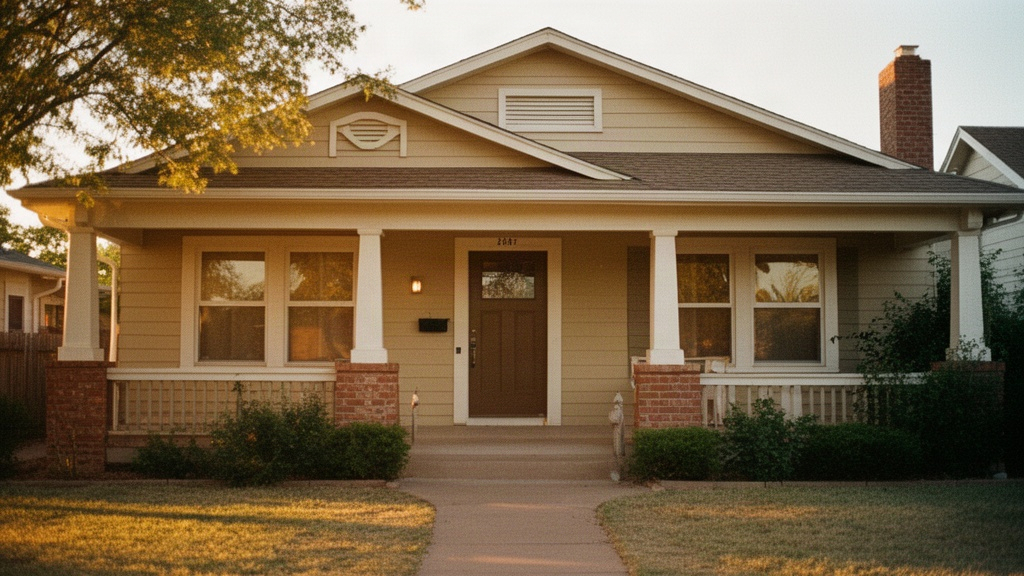
Westville, anchored by Whalley Avenue and the village center near Fitch Street, offers a different flavor of luxury. The housing stock here skews toward large Craftsman bungalows, Dutch Colonials, and mid-century ranches on generous lots, with some properties backing up to West River Memorial Park. Luxury listings in Westville tend to cluster in the $700,000 to $1.1 million range, making it the more accessible entry point into the upper tier. The neighborhood sits about two miles from downtown New Haven, with the Westville arts district and several independent restaurants and galleries within walking distance of many of the larger homes.
The Downtown and Harbor District High-Rise Tier
New Haven's downtown core and the emerging Harbor District along Long Wharf have produced a growing stock of high-end condominiums and loft conversions. Buildings near the New Haven Green, Chapel Street, and the Ninth Square district include converted historic structures with exposed brick, timber beams, and high ceilings alongside newer construction with rooftop terraces and water views. Units in this tier typically range from 1,200 to 2,500 square feet and are priced between $600,000 and $1.5 million depending on floor, view, and finish level. For buyers who want walkability to the Yale campus, Union Station, and the city's restaurant corridor on Chapel and Crown Streets, this segment of the luxury market is worth a close look.
The new residential developments and construction projects in New Haven in 2026 article covers several of the active projects adding to this downtown and harbor-area inventory, including timelines and what types of units are coming to market.
3. How the Luxury Market in New Haven Behaves Differently
The luxury home market in New Haven, Connecticut operates by different rhythms than the sub-$500,000 segment. Buyers who have experience purchasing in the mid-market sometimes find the pace and negotiating dynamics at the upper tier unfamiliar. Understanding these differences before you start touring properties puts you in a stronger position.
Inventory Dynamics at the Top of the Market
Luxury inventory in New Haven is thin. At any given point in September 2026, there are typically between 30 and 50 active listings priced above $700,000 across the entire city. That number shrinks further when you filter by specific neighborhoods, property types, or must-have features like a two-car garage or a primary suite on the main floor. The practical implication: buyers cannot afford to wait several weeks before deciding on a property they like. Unlike the broader market where new listings appear constantly, the luxury tier may produce only two or three new listings per week across all of New Haven.
Days on Market and Pricing Patterns
Luxury homes in New Haven tend to sit on the market longer than mid-tier properties, but that average is pulled by a small number of overpriced listings. Well-priced luxury homes, particularly those in East Rock with updated mechanicals and move-in condition finishes, can still attract multiple offers and close at or above asking price. The spread between list price and sale price is wider at the luxury level, sometimes 3 to 8 percent below asking for properties that have been on market more than 60 days. Buyers who understand this pattern can negotiate more effectively, while sellers who price accurately from day one consistently outperform those who start high and reduce.
The Role of Off-Market Listings
A meaningful share of luxury transactions in New Haven never appear on the MLS. Sellers at this price point sometimes prefer a quiet sale to avoid the disruption of public showings, and they rely on their agent's network to find qualified buyers directly. This is one of the clearest reasons why working with a locally connected agent matters more in the luxury segment than anywhere else. If your agent does not have relationships with other agents who regularly list high-end properties in New Haven, you are likely missing a portion of the available inventory.
4. What Buyers Need to Prepare Before Making an Offer
Luxury sellers in New Haven expect buyers to come prepared. An offer on a $1.2 million home without a pre-approval letter or proof of funds will rarely be taken seriously, and in some cases sellers will not even accept a showing request without some evidence of financial qualification. Getting your documentation in order before you start touring is not optional at this level.
Financing and Proof of Funds
Jumbo mortgage financing applies to most luxury purchases in New Haven, since the conforming loan limit for Connecticut in 2026 sits at $806,500 for a single-family home. Loans above that threshold require jumbo underwriting, which typically means stricter debt-to-income requirements, larger cash reserves (often 12 months of mortgage payments), and a more detailed review of income sources. Buyers using jumbo financing should plan for a longer underwriting timeline than a conventional loan. Cash buyers need a recent bank or brokerage statement showing available funds. Either way, having this documentation ready before your first offer gives you a real advantage in a market where sellers have limited buyer traffic.
Inspections and Due Diligence on High-Value Homes
Due diligence on a luxury home in New Haven typically goes well beyond a standard home inspection. Many of the large historic homes in East Rock and Westville were built over a century ago, which means buyers should budget for specialist inspections covering the roof, chimney, foundation, knob-and-tube wiring if present, and any outbuildings or carriage houses. A sewer scope is standard practice in New Haven given the age of the city's infrastructure. For properties with pools, irrigation systems, or geothermal HVAC, those systems warrant their own specialist review. Plan for inspection costs in the $1,500 to $3,500 range for a comprehensive review of a large historic property.
Closing timelines at the luxury level can also run longer than the city-wide average, particularly when jumbo financing is involved. The New Haven closing timeline guide explains what drives those timelines and how buyers can avoid common delays.
Property Taxes at the Luxury Level
New Haven's mill rate is one of the highest in the state, and it has a significant impact on the carrying cost of a luxury property. On a home assessed at $900,000, the annual property tax bill in New Haven can exceed $20,000 to $25,000 depending on the current mill rate and any applicable exemptions. Buyers relocating from suburban towns in New Haven County sometimes find this figure surprising. The property tax comparison between New Haven and surrounding towns is worth reading before you finalize your budget, especially if you are weighing a city property against options in Hamden, Woodbridge, or Orange.
5. Broader Trends Shaping Luxury Buying in New Haven in 2026
The luxury home market in New Haven, Connecticut does not exist in isolation. National trends in high-end real estate are influencing what buyers want, what sellers are willing to offer, and how quickly the upper tier moves. Understanding the broader context helps buyers make sense of what they are seeing locally.
National Luxury Market Context
The global luxury real estate market is projected to exceed $330 billion by 2030, driven by wealth concentration, international mobility, and a sustained preference for tangible assets among high-net-worth buyers. According to HousingWire's analysis of the luxury market trajectory, secondary and tertiary markets with strong institutional anchors, like university cities, are capturing a growing share of that demand as buyers seek value relative to primary coastal markets. New Haven, with Yale University and the Yale New Haven Health system as its two dominant economic engines, fits that profile closely.
The 2026 luxury outlook has also shifted in terms of what buyers want from their homes. According to Inman's 2026 luxury real estate outlook, precision buying, meaning buyers who know exactly what they want and move quickly when they find it, is defining the upper tier this year. That pattern is visible in New Haven, where well-matched luxury listings are moving faster than the overall luxury average.
What New Haven Buyers Are Prioritizing
In conversations with buyers active in the New Haven luxury market this fall, a few priorities come up consistently. Updated mechanicals rank near the top: buyers are willing to pay a premium for a large historic home that has already had its electrical, plumbing, and HVAC modernized, rather than taking on that capital expenditure themselves after closing. Dedicated home office space is a strong secondary priority, reflecting the continued prevalence of hybrid and remote work arrangements among the professional and academic households drawn to this city. Outdoor space, particularly a private yard or a rooftop terrace for condo buyers, has also moved up the priority list compared to a few years ago.
New Construction and Renovation Activity
New construction at the luxury price point within New Haven city limits is limited but active. Several infill projects in East Rock and the Westville village center have produced custom homes in the $1 million to $1.6 million range over the past two years, and a handful of high-end gut renovations of historic properties are coming to market in late 2026. The downtown condominium pipeline is more active, with projects in the Long Wharf and Ninth Square areas adding upper-tier units with modern finishes and building amenities that older New Haven condo stock does not offer.
For buyers weighing whether to act now or wait for more inventory, the fall 2026 versus spring buying timing guide for New Haven walks through how seasonal patterns affect both inventory levels and negotiating leverage in this market.
FAQ
What price range is considered luxury in New Haven, Connecticut in 2026?
In New Haven, the luxury threshold generally starts around $700,000 to $750,000 as of September 2026, with the upper tier beginning at approximately $1.2 million. This is considerably lower than the luxury floor in coastal Connecticut towns like Greenwich or Westport, which means buyers from those markets or from New York City often find their budget stretches further here. The top of the market within city limits sits in the $2 million to $3 million range, with most transactions between $750,000 and $1.5 million. Properties above $3 million are more commonly found in the surrounding towns of Woodbridge, Orange, and Hamden than in New Haven proper.
Are there off-market luxury homes available in New Haven?
Yes, a notable share of luxury transactions in New Haven happen off-market, meaning the property never appears on the MLS or public listing sites. Sellers at this price point sometimes prefer a quiet sale to avoid the disruption of open houses and public showings, and they rely on their agent's professional network to identify qualified buyers. This makes working with a locally connected agent particularly important in the luxury segment. Buyers who rely solely on online search portals will miss a portion of the available inventory. Asking your agent directly about their off-market relationships and pocket listings is a reasonable first step.
How do property taxes affect the cost of owning a luxury home in New Haven?
New Haven has one of the higher mill rates in Connecticut, which makes property taxes a significant line item in the carrying cost of a luxury home. On a property with an assessed value of $900,000, annual taxes can reach $20,000 to $25,000 or more depending on the current mill rate and any applicable exemptions. Buyers who are also considering properties in surrounding towns like Hamden, Orange, or Woodbridge should compare tax burdens carefully, since the mill rates in those towns differ from New Haven's. Connecticut assesses property at 70 percent of fair market value, so the assessed value on a $1.2 million home would be approximately $840,000 before any exemptions. Factoring taxes into your monthly budget calculation before you set a price ceiling is essential at the luxury level.