
← Back to Blog
Selling
Selling a Home in New Haven, Connecticut: What Sells Homes the Fastest, Pricing, Timeline and What to Expect
By Pierre Fitzenberger
Yellow Brick LLc
September 24, 2026 · 11 min read
When selling a home in New Haven, Connecticut, what sells homes the fastest comes down to three things: precise pricing, strategic preparation, and understanding how this specific market moves. New Haven is not a generic suburb; it has a layered housing stock, a compressed inventory, and buyer demand that behaves differently than in surrounding Hamden, Woodbridge, or Orange. This guide covers the pricing tactics, realistic timelines, and local details you need to sell quickly and at a strong number.
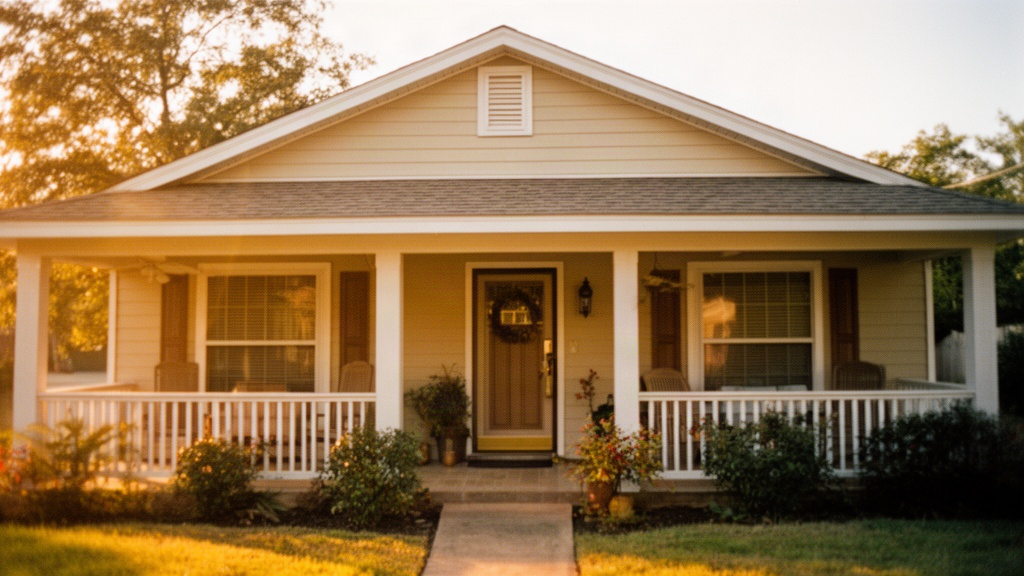
1. Why New Haven Homes Sell Faster Than You Might Expect
New Haven moves quickly. In September 2026, the median days on market for single-family homes in New Haven proper sits in the low teens, meaning most correctly priced listings go under contract within two weeks of hitting the MLS. That pace is faster than the statewide Connecticut median and reflects a structural imbalance: more buyers are competing for fewer available homes than at almost any point in the past decade.
Compressed Inventory Drives Urgency
New Haven's active inventory in September 2026 hovers around 1.5 to 2 months of supply, well below the 4 to 6 months that economists consider a balanced market. The city's housing stock is largely pre-1950 construction: triple-deckers and two-family colonials in Newhallville and Fair Haven, Victorian and Craftsman singles in Westville and Beaver Hills, and brick row houses and converted multifamilies near Whalley Avenue and Edgewood Park. Because very few new single-family homes are being built within city limits, each listing that comes to market draws outsized attention from buyers who have been searching for months.
How New Haven Compares to the Broader Connecticut Market
Connecticut as a whole has been one of the tighter housing markets in the Northeast. Research from HousingWire has documented how tri-state area homes sell faster despite high prices, a pattern that holds strongly in New Haven County. Buyers relocating from New York City, drawn by Metro-North access at Union Station and a sub-two-hour ride to Grand Central, compete alongside Yale-affiliated buyers, medical professionals at Yale New Haven Hospital, and local move-up buyers. That mix of demand from multiple directions keeps absorption rates high even as mortgage rates remain elevated.
For sellers, this environment is favorable, but it is not automatic. Homes that are overpriced or poorly presented still sit. The difference between a 10-day sale and a 60-day sale in New Haven almost always comes down to the decisions made before the listing goes live.
2. Pricing Strategy: The Single Biggest Factor in How Fast Your Home Sells
Price it right from day one. In New Haven's low-inventory market, the first week of showings generates the most buyer activity. A home priced correctly in that window routinely receives multiple offers. A home priced even 5 to 8 percent too high loses that momentum, and price reductions later rarely recover the same energy.
How to Read New Haven's Micro-Market Comps
New Haven is not one market; it is a collection of distinct neighborhoods where prices per square foot can vary by 30 to 40 percent within a mile. A three-bedroom colonial near Edgewood Park on the west side of the city prices differently than a similar home on Ellsworth Avenue closer to the Whalley commercial strip, even though both are technically in the same zip code. Accurate pricing requires pulling closed sales from the same neighborhood, the same housing type, and the same condition tier within the past 90 days, not county-wide averages.
Condition tiers matter enormously here. New Haven's older housing stock means buyers have learned to distinguish between a home that has been thoughtfully updated (new electrical panel, modern kitchen, refinished hardwoods) and one that has deferred maintenance layered under fresh paint. Buyers in the $350,000 to $500,000 range, which is the most active segment in the city right now, are often financing with FHA or conventional loans that require the property to meet condition standards. Pricing a home as if it is turnkey when it is not will surface problems during inspection and appraisal.
The Risk of Overpricing in a Low-Turnover Market
New Haven has relatively low turnover compared to larger metros. That means the pool of comparable sales is smaller, and buyers notice quickly when a listing has been sitting. Industry guidance on pricing homes in a low-turnover market consistently points to the same risk: once a listing accumulates more than 21 days on market without an accepted offer, buyer perception shifts. Shoppers begin to wonder what is wrong with the property, and even a price reduction may not fully restore urgency.
The practical takeaway is to price at or just below the top of the comparable range rather than above it. In a multiple-offer situation, buyers will push the price up. In a single-offer situation, you preserve negotiating position. Either way, you sell faster.
Price Bands That Move Quickly Right Now
As of September 2026, the most active price bands in New Haven are $290,000 to $420,000 for condos and smaller single-families, and $420,000 to $600,000 for larger single-family homes and two-families in Westville, East Rock, and the Annex. Homes priced above $650,000 in the city proper face a thinner buyer pool and longer average days on market, though well-maintained properties with parking and updated systems still move within 30 days. For a broader look at how these price points fit into the overall listings picture, the New Haven CT real estate listings guide on this site breaks down what buyers are actively searching for right now.
3. Preparation and Presentation: What Actually Moves the Needle
Presentation is the second lever after price. In New Haven's market, where buyers are often choosing between two or three available homes in a neighborhood at any given moment, the listing that photographs best and shows cleanest wins the first showing appointments and the strongest offers.
The Condition Checklist New Haven Buyers Use
New Haven buyers, particularly those working with buyer's agents, arrive at showings with a mental checklist shaped by the city's older housing stock. The items that most often derail deals or trigger price renegotiations after inspection are knob-and-tube wiring (still present in many homes built before 1940), galvanized steel water supply lines, aging oil tanks (above-ground or buried), and roof systems with less than five years of remaining life. Addressing or disclosing these items before listing, rather than waiting for the inspection report, keeps the transaction on track and avoids the renegotiation that typically costs sellers more than the repair itself.
Cosmetic updates with the highest return in this market include refinishing original hardwood floors (common in East Rock and Westville Victorians), repainting in neutral warm whites, replacing dated light fixtures, and deep-cleaning or professionally sealing older tile grout. These are not expensive projects, but they move a listing from the "needs work" tier to the "move-in ready" tier in buyer perception, which directly affects both speed and final price.
Photography, Staging, and First-Week Traffic
Professional photography is not optional in this market. Over 90 percent of buyers begin their search online, and in New Haven's compressed inventory, a buyer who dismisses a listing based on poor photos may never come back to it. Wide-angle interior shots that capture the scale of New Haven's characteristically high ceilings, original woodwork, and period details are especially effective. Drone photography adds value for corner lots, properties near East Rock Park or Lighthouse Point Park, or two-families with usable outdoor space.
Staging does not require renting furniture for an empty house. In most New Haven listings, strategic decluttering, furniture editing, and adding a few well-placed accessories is enough to shift how a room reads on camera and in person. The goal is to let the architecture speak: a Craftsman bungalow in Beaver Hills with original built-ins and a tiled fireplace surround should look like those features are the selling point, because they are.
4. The Full Selling Timeline in New Haven, Connecticut
From the decision to sell to the closing table, the full process in New Haven typically runs eight to twelve weeks. That timeline breaks into three distinct phases, each with its own demands and decision points.
Pre-Listing Phase: Weeks One Through Three
This phase covers the work that happens before the home appears on Zillow or the MLS. It includes a comparative market analysis to set the price, any agreed-upon repairs or cosmetic updates, professional photography, and the preparation of disclosure documents. Connecticut requires sellers to complete a Residential Property Condition Disclosure Report, which covers the home's systems, structural components, and known defects. Getting this done early prevents delays later.
Sellers who have owned their home for many years sometimes discover title issues, unpermitted additions, or lapsed certificates of occupancy during this phase. In New Haven, where a significant portion of the housing stock was built or modified before modern permitting systems were in place, these discoveries are not rare. Identifying them in week one rather than week six of the listing keeps the deal from falling apart at the finish line.
Active Listing Phase: Days One Through Ten
The first ten days on market are the highest-value window. In New Haven's current market, a correctly priced listing in a sought-after area, such as Westville near Edgewood Avenue, East Rock near Orange Street, or Fair Haven Heights near the Quinnipiac River, will typically generate five to fifteen showings in the first week. Setting an offer review deadline of seven to ten days after listing, rather than accepting the first offer immediately, creates a competitive dynamic that often pushes the final sale price above the asking price.
Open houses on the first weekend remain effective in New Haven, particularly for homes priced under $500,000 where buyers are actively touring multiple properties. A well-attended open house signals market interest and can motivate fence-sitting buyers to submit offers before the deadline.
Under Contract Through Closing: Four to Six Weeks
Once a purchase agreement is signed, the clock runs on the buyer's inspection period (typically seven to ten days in Connecticut), the appraisal (ordered by the lender within the first two weeks), and the loan commitment deadline (usually 21 to 30 days after contract). Closing in Connecticut is handled by an attorney, not a title company, so both buyer and seller retain separate real estate attorneys. Attorney fees typically run $900 to $1,500 per side.
The most common cause of delays in this phase is the appraisal. If a home sells above the list price in a multiple-offer situation, the appraisal must support the contract price or the buyer and seller need to renegotiate. In New Haven's current market, where sale prices are frequently at or above asking, sellers benefit from working with an agent who can provide the appraiser with a thorough package of supporting comparable sales. If you want a deeper look at the closing timeline specifically, the article on how long it takes to close on a house in New Haven covers each step in detail.
5. Costs, Net Proceeds, and What to Expect at the Table
Understanding your net proceeds before you list prevents surprises at closing. Connecticut has one of the more complex seller cost structures in the region, and New Haven sellers should budget for several line items that do not exist in some other states.
Seller Closing Costs in Connecticut
Connecticut imposes a Real Estate Conveyance Tax on sellers, which is one of the more significant costs in the transaction. The state portion is 0.75 percent of the sale price up to $800,000, and 1.25 percent on any amount above $800,000. The municipality of New Haven adds its own local conveyance tax of 0.25 percent. On a $450,000 sale, that totals approximately $4,500 in conveyance taxes alone. Add seller attorney fees of roughly $1,000 to $1,500, any agreed-upon buyer closing cost credits, and the real estate commission, and total seller costs typically run 7 to 9 percent of the sale price before mortgage payoff.
Property tax proration is also a closing cost item. New Haven's mill rate is among the higher ones in the state, so sellers who have paid taxes in advance will receive a credit, while those who are behind will owe a proration to the buyer at closing. The city's fiscal year runs July 1 through June 30, so the exact proration depends on the closing date.
How to Estimate Your Net Proceeds
A simple net sheet works from the expected sale price downward: subtract the mortgage payoff balance, conveyance taxes, commission, attorney fees, any repair credits negotiated after inspection, and the tax proration. What remains is your net. For sellers who purchased before 2020, New Haven's appreciation over that period means net proceeds are often substantially higher than anticipated, even after accounting for all costs.
Sellers who are also buying their next home in New Haven or elsewhere in Connecticut should think carefully about timing. If you are planning to downsize, the article on downsizing in New Haven walks through how to sequence the sale and purchase to avoid carrying two mortgages or landing in temporary housing.
Sellers who own two-family or three-family properties should also account for any tenant-related considerations. Connecticut has specific notice requirements for occupied rental units, and buyers of income properties will want to review leases, rent rolls, and utility billing arrangements as part of their due diligence. For a full breakdown of how investment properties transact in New Haven, the investment property guide for New Haven covers those specifics in depth.
FAQ
What time of year sells homes fastest in New Haven, Connecticut?
Spring, from late March through early June, historically generates the highest buyer activity in New Haven, as families time purchases around the school calendar and the weather makes touring easier. That said, September 2026 is showing strong activity as well, with buyers who paused over the summer returning to the market before the holiday slowdown. Inventory is typically lowest in winter, which can actually benefit sellers who list in November or December because fewer competing homes are available. The right time to list depends on your specific home and situation more than the calendar alone, and a current market analysis will give you a clearer picture than seasonal generalizations.
Should I sell before I buy in New Haven's current market?
In New Haven's low-inventory environment, selling first gives you a clear picture of your net proceeds and eliminates the financial risk of carrying two mortgages. The tradeoff is that you may need temporary housing between closing on your sale and closing on your purchase. Some sellers negotiate a rent-back agreement with the buyer, allowing them to remain in the home for 30 to 60 days after closing while they complete their purchase. Bridge loan financing is another option, though it adds cost and complexity. The best approach depends on your equity position, your target purchase price, and how quickly you can identify your next home.
Do I need to make repairs before listing my home in New Haven?
Not always, but the answer depends on the severity of the issues and your target buyer pool. Homes with significant deferred maintenance, such as failing roofs, outdated electrical systems, or foundation concerns, will either attract a lower price or a buyer who negotiates aggressively after the inspection. In many cases, addressing the most critical items before listing, or pricing the home to reflect its condition transparently, produces a better outcome than listing at full price and renegotiating later. Cosmetic updates, such as fresh paint, refinished floors, and clean landscaping, almost always pay for themselves in New Haven's market because they affect how quickly the home sells and how many offers it attracts.