← Back to Blog
Neighborhoods
Portland Neighborhoods for Families: Housing Guide
By MELISSA YOUNG
Portland Real Estate Consulting
August 30, 2026 · 7 min read
If you are researching neighborhoods in Portland for your household, the sheer variety of the city's districts can feel overwhelming. Every area has its own housing stock, price range, commute profile, and set of parks and amenities worth understanding before you make a move. This guide breaks down what several of Portland's most active residential areas actually look like on the ground, so you can research them with clear, factual information.
1. How Portland's Neighborhoods Are Organized
Portland is divided into six geographic quadrants. North, Northeast, Northwest, Southeast, Southwest, and the sliver of North Portland that locals simply call "the peninsula" each carry their own character in terms of housing age, density, and price. The Willamette River splits the east and west sides, and the West Hills create a natural boundary to the northwest. Understanding this grid is the first step toward narrowing down where you want to focus your search.
The East Side vs. West Side Divide
The west side of Portland, particularly the neighborhoods tucked into the West Hills, tends to have larger lots, older tree canopy, and higher price points. The east side covers far more geographic territory and offers a wider range of housing types, from early twentieth century craftsman bungalows in the inner rings to mid-century ranch homes and newer construction farther out. Buyers relocating from denser coastal cities often find the east side's lot sizes and street-level walkability a notable shift from what they expected.
What the Bureau of Planning Designations Mean
Portland's Bureau of Planning and Sustainability designates neighborhoods formally, and the city recognizes 95 of them. That number sounds large, but many buyers end up focusing on a handful of corridors based on commute needs and housing budget. Knowing which formal neighborhood a listing sits in matters for zoning, future development context, and how the city allocates infrastructure investment.
2. Northwest Portland and the West Hills
Northwest Portland and the West Hills corridor offer some of the city's most varied terrain, ranging from dense urban blocks near NW 23rd Avenue to wooded residential streets in Hillside and Dunthorpe. A recent feature in Forbes examined how areas like Dunthorpe represent a distinct tier of Portland real estate, with larger parcels and significant privacy, at price points that reflect that scarcity. Buyers researching Portland neighborhoods often overlook this western corridor in favor of the more publicized east side, which means inventory here can behave differently than the broader market.
For more context on how Dunthorpe fits into Portland's broader real estate picture, this Forbes overview of the area is worth reading before you write it off as out of reach.
Housing Stock and Price Range
The NW District near Nob Hill features a dense mix of Victorian-era homes, early twentieth century apartment buildings, and newer condominiums. Single-family homes here are relatively scarce and command a premium, with many properties in the $700,000 to $1.2 million range depending on condition and proximity to Forest Park. Farther up into the West Hills, lot sizes expand and homes tend to be mid-century or newer custom construction, with prices that can range well above $1 million for properties with canyon or city views.
Commute and Access
The NW District sits roughly one mile from downtown Portland, making it one of the shorter commutes in the city for those working in the central business district. The West Hills neighborhoods above require a car for most errands, and US-26 access can add meaningful time to eastside commutes during peak hours. Buyers who prioritize walkability and transit should look closely at the lower NW District blocks, where TriMet bus lines run frequently.
3. Inner Southeast and the Division Street Corridor
Inner Southeast Portland, covering neighborhoods like Sellwood, Woodstock, Richmond, and the blocks surrounding Division Street, represents one of the city's most active residential markets for buyers looking at single-family homes in the $450,000 to $750,000 range. The housing stock here is predominantly craftsman bungalows and foursquares built between 1905 and 1940, sitting on standard 5,000 square foot city lots. Larger corner lots and homes with detached garages or accessory dwelling units tend to move quickly when they come to market.
What the Housing Looks Like
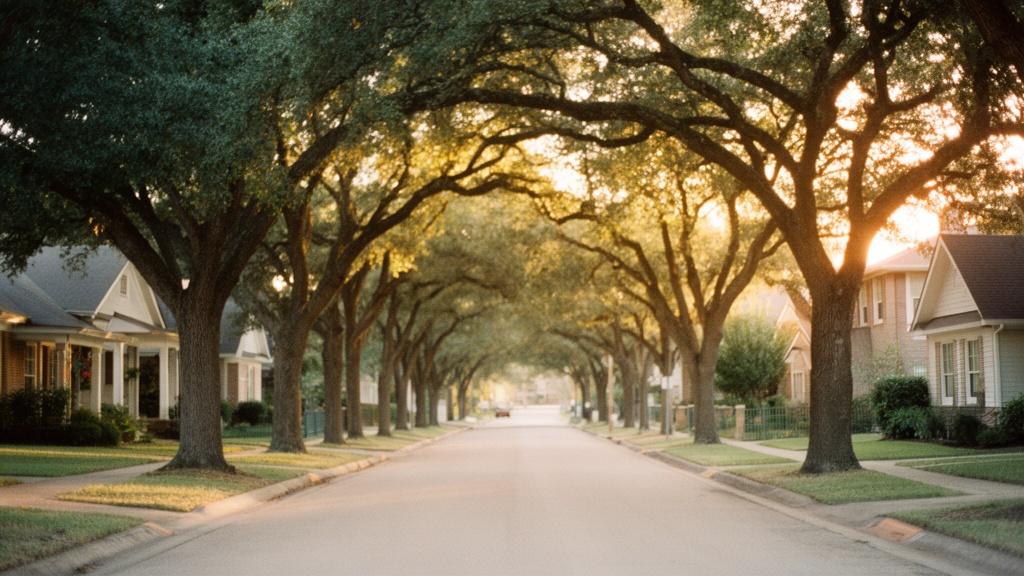
Homes in Sellwood and Woodstock often feature original hardwood floors, covered front porches, and mature street trees that create a distinct canopy effect in summer. Richmond and the blocks just north of Division tend to have slightly smaller lots but higher walkability scores given the density of retail along the corridor. Buyers who want a home with an accessory dwelling unit already permitted will find more options here than in most other Portland quadrants, since the city's ADU incentive programs took hold strongly in inner Southeast.
Parks and Green Space
Sellwood Riverfront Park runs along the Willamette and offers boat ramps, open lawn areas, and direct trail connections. Westmoreland Park a few blocks inland includes a casting pond, sports fields, and a community garden. Woodstock Park on the southern end of the corridor has a playground and open green space. Buyers with dogs or those who want accessible off-leash areas should note that the Leach Botanical Garden and the trails connecting to Powell Butte Nature Park are within a short drive.
4. North Portland: St. Johns and the Peninsula
North Portland, and St. Johns in particular, offers some of the most accessible price points for single-family homes anywhere inside Portland city limits. The St. Johns neighborhood sits at the northern tip of the peninsula, anchored by the Cathedral Park area beneath the St. Johns Bridge, one of Portland's most recognizable landmarks. Buyers who need more square footage or lot size for their budget than inner Southeast or Northwest can provide often find North Portland worth a closer look.
Architecture and Lot Sizes
The housing stock in St. Johns and the surrounding peninsula neighborhoods is a mix of early twentieth century workers' cottages, craftsman bungalows, and mid-century ranches. Lot sizes here are often standard or slightly larger than inner Southeast, and the neighborhood still has pockets of unrenovated homes that attract buyers willing to do cosmetic work. Prices for move-in-ready single-family homes in North Portland currently range from roughly $380,000 to $550,000 depending on condition, lot size, and proximity to the waterfront.
Distance to Downtown
St. Johns sits approximately seven to eight miles north of downtown Portland by road. The drive on a non-peak morning typically runs 20 to 30 minutes via Interstate 30 or Lombard Street, though rush hour can extend that considerably. TriMet bus service connects the area to the Yellow Line MAX at Expo Center, giving transit-dependent buyers a viable route into the city center without a car.
5. How to Research Schools, Amenities, and Market Conditions
No real estate article can tell you which school or neighborhood is right for your household, because that determination depends on your own priorities and research. What a good agent can do is point you toward the sources that give you objective, unfiltered data so you can make that call yourself. The decisions that touch on schools, local services, and market timing are personal, and the sources below are where that research should start.
Official Sources to Use
For school information, the Oregon Department of Education publishes enrollment data, program offerings, and performance reports at ode.oregon.gov. Portland Public Schools and the surrounding districts each maintain their own websites with boundary maps, so you can confirm which school a specific address feeds into before you write an offer. For municipal services and infrastructure, Portland Maps at portlandmaps.com lets you look up any address and see zoning, permit history, and nearby city assets. These are the tools that give you verifiable, address-specific information rather than generalized rankings.
What to Ask Your Agent
A knowledgeable local agent should be able to tell you current days-on-market figures, list-to-sale price ratios, and how inventory has shifted in a given area over the past twelve months. As of August 2026, Portland's market has seen a gradual increase in buyer negotiating power compared to the tighter conditions of prior years, with more sellers agreeing to price reductions or concessions. You can read more about the current state of the Portland housing market in this Housing Wire overview of recent price trends, which provides useful context for buyers entering negotiations right now.
Ask your agent about specific streets, not just neighborhood names. Within any Portland neighborhood, a two-block difference can mean a meaningful change in lot size, noise level from a nearby arterial, or proximity to a park. Knowledgeable local agents know those distinctions and can walk you through them before you spend time touring homes that do not fit your actual criteria.
FAQ
How do I find out which school district a Portland home is in?
The most reliable method is to use the Portland Public Schools boundary lookup tool or the Oregon Department of Education's district finder at ode.oregon.gov. School boundaries do shift periodically, so it is worth confirming directly with the district rather than relying on a listing description or a third-party website. You can also contact the specific school directly to verify enrollment eligibility for a given address. Your agent can help you identify which district covers a property, but the official district source is always the authoritative answer.
What is the current price range for single-family homes in Portland as of August 2026?
Prices vary significantly by quadrant and proximity to the city core. In North Portland and outer East Portland, entry-level single-family homes can still be found in the $380,000 to $500,000 range, while inner Southeast and inner Northeast tend to run from $500,000 to $750,000 for move-in-ready craftsman homes. The West Hills and NW District command higher prices, often starting above $700,000 and extending well past $1 million for larger parcels. Portland's market in August 2026 has more inventory than it did two years ago, which gives buyers more room to negotiate than they had during the tighter years of the early part of the decade.
How long does it typically take to commute from Portland's outer neighborhoods to downtown?
Commute times vary considerably depending on the neighborhood and mode of transportation. From St. Johns in North Portland, a car commute to downtown runs roughly 20 to 30 minutes in non-peak conditions, while inner Southeast neighborhoods like Sellwood are about 15 to 25 minutes by car. TriMet's MAX light rail system connects several corridors directly to downtown, with the Yellow, Red, Blue, Green, and Orange lines covering much of the city. Buyers who rely on transit should map the specific TriMet route from any neighborhood they are considering, since bus-dependent areas can add meaningful time compared to MAX-connected ones.