← Back to Blog
Market Trends
Southeast Portland, Oregon Real Estate Market Guide: Prices, Neighborhoods and Timing
By MELISSA YOUNG
Portland Real Estate Consulting
September 27, 2026 · 12 min read
Southeast Portland covers more square footage, more housing variety, and more price range than almost any other part of the city, which makes it one of the most searched corners of the Portland, Oregon real estate market. This guide breaks down current prices by pocket, what the housing stock actually looks like street by street, commute realities, and the timing factors that matter most whether you are buying or selling in September 2026.
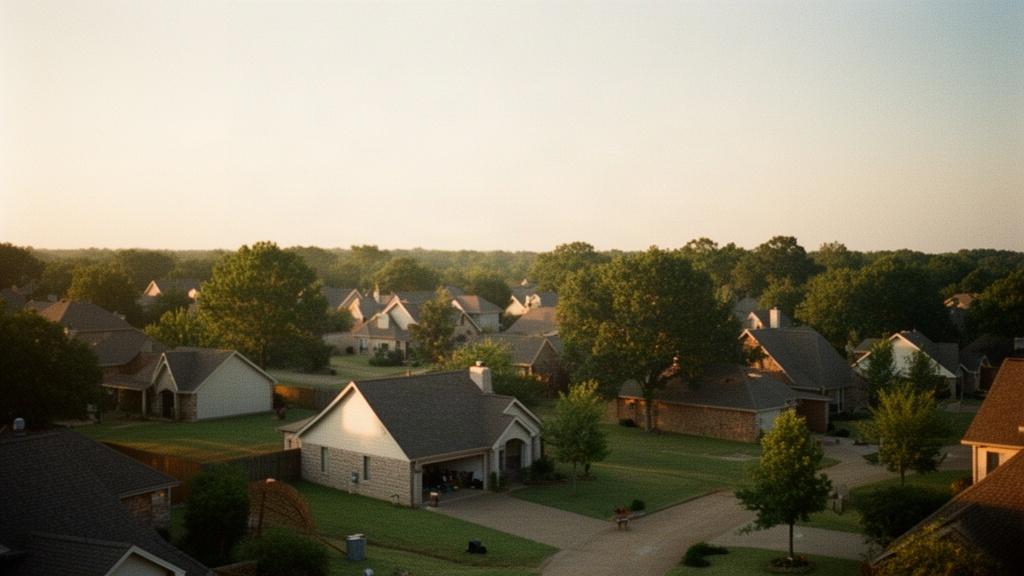
1. What the Southeast Portland Market Looks Like Right Now
Southeast Portland is a buyer's market in September 2026. Inventory has been climbing steadily through 2026, and homes across the quadrant are sitting longer before going under contract. That shift gives buyers more leverage than they had during the 2021 to 2022 run-up, and it is pushing sellers to price more carefully from day one.
Median Prices Across the Quadrant
The median sale price for a single-family home in Southeast Portland currently sits in the $475,000 to $550,000 range, depending on the specific neighborhood and condition of the home. According to Norada Real Estate's 2026 Portland housing forecast, the broader Portland metro has seen modest price softening over the past twelve months, and Southeast is no exception. Condos and attached townhomes in the inner Southeast corridors trade in the $300,000 to $420,000 range. Larger craftsman bungalows on full lots in established pockets push well past $600,000.
Price per square foot varies considerably. Inner Southeast neighborhoods within two miles of the Hawthorne Bridge tend to price between $310 and $380 per square foot. Move further out toward Foster-Powell or Lents and that figure drops to $230 to $290, which is one of the reasons outer Southeast draws buyers who want more space for their dollar.
Inventory and Days on Market
Homes in Southeast Portland are averaging 30 to 50 days on market in September 2026, up from the 10 to 15 day averages seen during the peak of the pandemic market. Well-priced, move-in-ready homes in the inner Southeast still attract multiple offers within the first two weeks. Homes that need work or are priced above recent comparable sales are sitting, sometimes for 60 days or more, and sellers are cutting prices to generate activity. HousingWire has covered this dynamic in detail, noting that price cuts are becoming a normal part of the Portland market as buyer power grows across the metro.
2. Southeast Portland Neighborhoods: Housing Stock and Price Ranges
Southeast Portland is not one market. It is a collection of distinct pockets, each with its own architecture, lot sizes, price points, and walkability profile. Understanding those differences is the starting point for any serious buyer or seller navigating this quadrant.
Sellwood-Moreland and Woodstock
Sellwood-Moreland sits along the Willamette River at the southern edge of Southeast Portland, bordered by Oaks Bottom Wildlife Refuge to the west and Sellwood Park to the south. The housing stock here leans heavily toward early 20th-century craftsman bungalows and Victorian-era homes on 5,000 to 7,000 square foot lots. Median prices in Sellwood-Moreland currently run between $525,000 and $640,000 for a single-family home, with the highest prices concentrated on the blocks closest to the river and the antique row along SE 13th Avenue.
Woodstock, centered on SE Woodstock Boulevard between 39th and 52nd Avenues, has a more modest price profile. Single-family homes here typically trade between $450,000 and $560,000. The neighborhood features a mix of 1920s bungalows, postwar ranch homes, and the occasional mid-century split-level. Lot sizes run 4,000 to 6,500 square feet, and the commercial strip along Woodstock Boulevard includes locally owned restaurants, coffee shops, and Reed College's eastern edge.
For more on the day-to-day experience of living in Sellwood-Moreland, see the dedicated guide on this site: Living in Sellwood-Moreland.
Hawthorne, Richmond, and Sunnyside
The inner Southeast triangle formed by Hawthorne, Richmond, and Sunnyside is some of the most densely built residential land in the city. Lot sizes shrink here, often running 3,000 to 5,000 square feet, but the homes are frequently in excellent condition because they have been renovated repeatedly over the decades. Craftsman bungalows from the 1910s and 1920s dominate, with a scattering of newer infill construction and converted duplexes.
Median single-family prices in Richmond and Sunnyside currently sit between $510,000 and $590,000. The SE Hawthorne Boulevard commercial corridor runs east from the Hawthorne Bridge through both neighborhoods, lined with independent bookstores, vintage shops, cafes, and theaters. SE Division Street, one block south of Hawthorne, has become one of Portland's most recognized restaurant corridors. Walkability scores in this pocket are among the highest in the city, with most daily errands achievable on foot.
Buyers interested specifically in the Hawthorne neighborhood can find a detailed breakdown of the purchase process, costs, and timeline in the Hawthorne neighborhood buying guide on this site.
Mount Tabor, Montavilla, and Foster-Powell
Mount Tabor sits at the geographic center of Southeast Portland, built around the volcanic butte of the same name that rises to 636 feet and anchors a 196-acre city park. Homes on the slopes of Mount Tabor often command premiums for their views and proximity to the park's trails, tennis courts, and reservoirs. Single-family prices in this pocket range from $520,000 to $680,000, with larger homes on the upper slopes pushing higher.
Montavilla, centered on SE 82nd Avenue and Stark Street, offers a more affordable entry point into Southeast Portland's single-family market. Median prices here run $420,000 to $510,000. The housing stock is a mix of 1940s and 1950s ranch homes, postwar bungalows, and some mid-century construction. The Montavilla neighborhood has seen significant commercial reinvestment along SE Stark and SE Division in recent years, adding restaurants, a farmers market, and small retail.
Foster-Powell, named for the intersection of SE Foster Road and SE Powell Boulevard, is one of the more compact neighborhoods in the quadrant. Lots average 4,000 to 5,500 square feet, and the housing stock skews toward 1920s and 1930s bungalows with some postwar infill. Median prices sit between $415,000 and $490,000, making it one of the more accessible inner Southeast pockets for buyers working with a tighter budget.
Lents and Outer Southeast
Lents is the largest neighborhood in Southeast Portland by area and one of the most affordable. Single-family homes here trade between $350,000 and $440,000 in September 2026, with larger lots than most inner Southeast pockets, often running 5,000 to 8,000 square feet. The housing stock includes craftsman bungalows, ranch homes, and a growing number of newer infill houses built since 2015. Lents Town Center, at the intersection of SE Foster Road and SE 92nd Avenue, anchors the neighborhood's commercial core, and the MAX Green Line stops at Lents/SE Foster, providing direct rail access to downtown Portland.
Outer Southeast, which includes areas east of SE 82nd Avenue toward the city limits at SE 174th Avenue, offers the lowest price points in the quadrant. Homes in this stretch frequently trade below $400,000, and lot sizes can reach 7,000 to 10,000 square feet. The tradeoff is distance: commutes to downtown Portland by car run 25 to 40 minutes depending on traffic, and MAX access requires driving or busing to a station.
3. Commute Times and Transportation from Southeast Portland
Southeast Portland has some of the most varied commute options in the city. Depending on where you live within the quadrant, you can walk, bike, take MAX light rail, or drive to downtown Portland in anywhere from 10 minutes to 45 minutes. That range matters enormously when you are choosing a specific neighborhood.
Driving to Downtown Portland
From the inner Southeast neighborhoods like Hawthorne and Sunnyside, the drive to downtown Portland via the Hawthorne or Morrison Bridge takes 10 to 20 minutes during peak morning traffic. From Mount Tabor and Montavilla, add another 5 to 10 minutes. From Lents or outer Southeast near SE 122nd Avenue, the drive to downtown runs 25 to 40 minutes in morning rush hour, depending on whether you take SE Powell Boulevard, SE Division, or SE Foster Road to the freeway. SE 82nd Avenue, a major north-south arterial, can back up significantly during peak hours.
MAX Light Rail and Bus Options
TriMet's MAX Green Line runs through Southeast Portland, with stops at Clinton Street/SE 12th Avenue, SE Bybee Boulevard, SE Holgate Boulevard, and Lents/SE Foster, before continuing south to Clackamas Town Center. From the Clinton Street station, the MAX reaches downtown Portland's Pioneer Courthouse Square in roughly 15 minutes. From the Lents station, the trip takes about 25 minutes. Several TriMet bus lines also serve the quadrant, including the 14 (Hawthorne), the 17 (Holgate/Broadway), and the 10 (Harold/Halsey), giving residents without MAX proximity solid transit connections.
Southeast Portland is also one of the most bicycle-accessible parts of the city. The Springwater Corridor Trail connects Sellwood-Moreland to the east side of the Willamette River path and continues east toward Gresham. The neighborhood greenway network on SE Clinton Street, SE Lincoln Street, and SE Salmon Street provides low-traffic bike routes from inner Southeast to the bridges. Many residents within three miles of downtown commute by bike year-round.
4. Timing Your Purchase or Sale in Southeast Portland
Timing in the Southeast Portland real estate market depends on which side of the transaction you are on. The conditions that favor buyers right now are the same ones that create challenges for sellers, so understanding the current dynamics helps both sides make sharper decisions.
What September 2026 Looks Like for Buyers
Buyers entering the Southeast Portland market in September 2026 have more options and more time than at any point since 2019. Active listings are up compared to September 2025, and the share of sellers accepting contingencies including inspection and financing has increased. That means buyers can conduct proper due diligence without waiving protections, which was difficult or impossible during the competitive years of 2021 and 2022.
Mortgage rates remain a factor. Buyers should get pre-approved before touring homes, not only because sellers expect it, but because the rate you lock affects your monthly payment on a $500,000 purchase by hundreds of dollars depending on timing. The fall window, specifically September through November, is historically when buyer competition eases further as families with school-age children step back from the market, which can translate to additional negotiating room on price or repairs.
For a broader look at whether this is the right moment to act, the 2026 Portland real estate market guide covers metro-wide conditions in detail.
What September 2026 Looks Like for Sellers
Sellers in Southeast Portland need to price precisely. Homes that come onto the market in September 2026 at or slightly below recent comparable sales are still moving within two to three weeks in the inner Southeast. Homes priced above the comp range are accumulating days on market and requiring price reductions, which signals weakness to buyers and often results in a lower final sale price than a correct initial price would have achieved.
Presentation matters more than it did during the seller's market years. Professional photography, a clean and decluttered interior, and any deferred maintenance addressed before listing are now table stakes rather than optional upgrades. Sellers who skip these steps are finding that buyers in the current market simply move on to the next option rather than negotiating.
If you are weighing whether to list now or hold until spring 2027, the detailed analysis in the September 2026 listing timing guide walks through the tradeoffs specific to this market window.
5. Costs and Taxes Every Southeast Portland Buyer and Seller Should Know
The purchase price is only part of the financial picture in any Portland real estate transaction. Both buyers and sellers carry costs that are specific to Oregon and to the Portland metro area, and understanding them before you negotiate saves surprises at the closing table.
Purchase Costs for Buyers
Buyers in Southeast Portland should budget 2% to 3% of the purchase price for closing costs on top of their down payment. On a $500,000 home, that means $10,000 to $15,000 in lender fees, title insurance, escrow fees, prepaid property taxes, and homeowner's insurance at closing. Oregon does not have a state transfer tax paid by buyers, but the Metro Supportive Housing Services Tax applies to sellers on sales above $400,000, which can affect seller net proceeds and sometimes influences negotiated price.
Property taxes in Multnomah County run approximately 1.1% to 1.3% of assessed value annually. On a home assessed at $450,000, that is roughly $4,950 to $5,850 per year, or $410 to $490 per month added to your housing cost. Oregon's property tax system uses assessed value rather than market value, and assessed value can be meaningfully lower than what you pay for a home, so it is worth checking the Multnomah County tax records for any specific property before making an offer.
Seller-Side Costs and Transfer Taxes
Sellers in Southeast Portland carry several costs that reduce net proceeds. Real estate commission, title and escrow fees, and any seller-paid closing cost credits negotiated with the buyer typically total 7% to 9% of the sale price. On a $520,000 sale, that range represents $36,400 to $46,800 coming off the top before the seller sees proceeds.
The Metro Supportive Housing Services Tax is an additional seller obligation on Portland-area sales. For a full breakdown of how this tax is calculated and who pays what, the transfer tax and Metro SHS tax guide for Portland sellers covers the specifics in detail.
6. Schools and Research Resources for Southeast Portland Buyers
School assignment in Portland is address-based, and Southeast Portland spans multiple Portland Public Schools attendance zones as well as some Centennial and David Douglas School District boundaries in the outer reaches near the city limits. Because boundaries change periodically and the zone assigned to a specific address determines enrollment eligibility, buyers with school-age children should verify the current boundary for any home they are seriously considering before making an offer.
The Portland Public Schools district maintains an online boundary lookup tool at the district's official website where you can enter a specific address and see the assigned elementary, middle, and high school. For a detailed explanation of how Portland school boundaries work and how to use the lookup tools effectively, see the guide on Portland public school boundaries and zoned schools by address on this site.
For demographic and census data about specific Southeast Portland neighborhoods, the Portland Bureau of Planning and Sustainability publishes neighborhood profiles that include population, housing unit counts, and land use data. These are objective, publicly available resources that let buyers and sellers research any area on their own terms rather than relying on characterizations from any single source.
FAQ
What is the median home price in Southeast Portland in September 2026?
The median sale price for a single-family home in Southeast Portland currently sits between $475,000 and $550,000, depending on the specific neighborhood and the condition of the property. Inner Southeast pockets like Richmond and Sunnyside tend to price toward the upper end of that range, while outer Southeast neighborhoods like Lents and the areas east of SE 82nd Avenue come in lower, often between $350,000 and $440,000. Condos and attached townhomes across the quadrant generally trade between $300,000 and $420,000. Price per square foot ranges from roughly $310 to $380 in inner Southeast to $230 to $290 further out. These figures reflect September 2026 market conditions and can shift as new sales close each month.
How long are homes sitting on the market in Southeast Portland right now?
As of September 2026, homes in Southeast Portland are averaging 30 to 50 days on market, a significant increase from the 10 to 15 day averages seen during the peak pandemic market years. Move-in-ready homes priced accurately to recent comparable sales in inner Southeast neighborhoods are still moving within two to three weeks and occasionally drawing multiple offers. Homes that need updates or are priced above the comp range are sitting longer, sometimes 60 days or more, and are frequently requiring price reductions before going under contract. The overall trend reflects a market where buyers have more time and leverage than they have had in several years, though well-positioned listings in the right price range still perform well.
Which Southeast Portland neighborhoods have the lowest home prices?
Lents and the areas of outer Southeast Portland east of SE 82nd Avenue consistently offer the lowest single-family home prices in the quadrant, with median prices ranging from approximately $350,000 to $440,000 in September 2026. Foster-Powell and Montavilla represent a mid-range entry point, with medians between $415,000 and $510,000. The lowest prices in the entire quadrant are found in the outer Southeast corridor between SE 122nd and SE 174th Avenues, where homes frequently trade below $400,000 and lot sizes tend to be larger than in inner Southeast. Buyers researching specific addresses should check Multnomah County property records and recent sales data to verify current pricing, as individual street-level conditions can vary considerably even within the same neighborhood.