
← Back to Blog
Market Trends
Dix Hills, New York Has the Most Experienced Real Estate Market Guide: Prices, Neighborhoods and Timing
By Rakesh (Ricky) Khanna
Better Homes and Gardens | Realty Connect
September 27, 2026 · 10 min read
Dix Hills, New York has one of the most experienced real estate markets on Long Island, with median home prices consistently above $800,000, low inventory, and housing stock that ranges from mid-century colonials to sprawling multi-acre estates. Whether you are buying, selling, or relocating, understanding the specific price points, neighborhood character, and seasonal timing patterns in Dix Hills gives you a real advantage. This guide covers all of it in one place.
1. What Makes the Dix Hills Real Estate Market Distinct
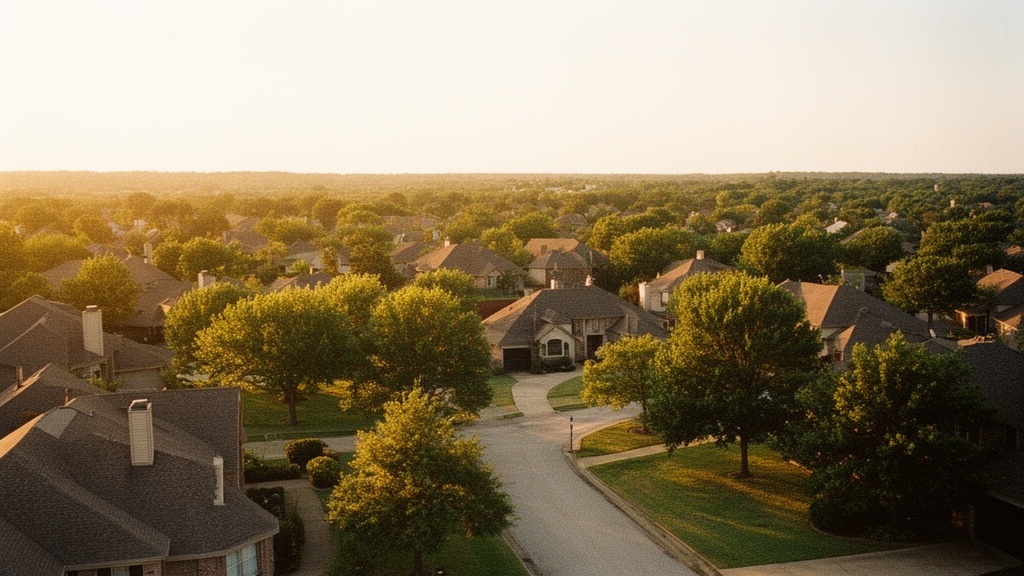
Dix Hills stands apart from most of Suffolk County because of its combination of large lots, generous square footage, and a location that puts residents within roughly 45 miles of Midtown Manhattan. This is not a starter-home market. The median price has held well above $800,000 for several years running, and the majority of homes that trade hands here sit on at least half an acre, with many properties exceeding one or two acres.
Housing Stock and Lot Sizes
The dominant architectural styles in Dix Hills are the colonial, the expanded ranch, and the split-level, most of them built between the late 1950s and the early 1990s. Typical square footage runs from about 2,000 square feet on the lower end to 5,000 square feet or more on the upper end. Lot sizes are a defining feature. Even entry-level homes in Dix Hills commonly sit on 0.5 to 0.75 acres, and the northern sections of the hamlet push into one-acre-plus territory with regularity. That combination of interior space and outdoor land is one reason demand here has stayed firm even as other parts of Long Island have seen more price softening.
Price Tiers Across the Market
Dix Hills properties broadly fall into three price tiers right now. The entry tier runs from roughly $650,000 to $850,000 and typically covers three-bedroom colonials or ranches on half-acre lots that may need cosmetic updating. The mid tier, from about $850,000 to $1.3 million, covers updated four- and five-bedroom homes with in-ground pools, finished basements, and newer kitchens. Above $1.3 million, buyers find custom-built or substantially renovated homes on one-acre-plus lots, sometimes with gated entries, four-car garages, and professional landscaping. The luxury segment, which begins around $1.8 million and extends past $3 million, is covered in more detail in the Dix Hills luxury home market guide published on this site.
2. Current Prices and Market Conditions in September 2026
As of September 2026, the Dix Hills market remains a seller-leaning environment, though conditions have moderated compared to the peak frenzy of 2021 and 2022. Inventory is still tight, but buyers are seeing slightly longer negotiation windows than they did two years ago.
Median Sale Price and Days on Market
The median sale price in Dix Hills currently sits at approximately $875,000 to $925,000, depending on the month and the specific section of the hamlet. According to current market data tracked by Redfin's Dix Hills housing market page, homes in Dix Hills have been selling in roughly 30 to 50 days on average, with well-priced, move-in-ready listings still attracting multiple offers within the first two weeks. Homes that need significant work or are priced above recent comparable sales are sitting longer, sometimes 60 to 90 days, before sellers adjust.
The sale-to-list price ratio in Dix Hills has been hovering between 98% and 102% this fall, meaning well-priced homes are selling at or slightly above asking price. That is a meaningful signal for sellers: overpricing by even 5% tends to result in price reductions and extended days on market, which in turn signals to buyers that something may be wrong with the property.
How Dix Hills Compares to Surrounding Towns
Dix Hills sits within the Town of Huntington and shares borders with Commack to the east, Melville to the south, and Huntington Station to the northwest. Median prices in Commack currently run about $150,000 to $200,000 lower than in Dix Hills, largely because lot sizes are smaller and the housing stock skews toward cape cods and smaller colonials. Melville, which blends residential and commercial zones, has a wider price spread. Buyers who find Dix Hills pricing at the top of their budget sometimes explore Commack as an alternative; the tradeoffs involve lot size and home footprint rather than location, since both communities sit along the Route 25 and Route 231 corridors with similar highway access.
3. Neighborhood Character Across Dix Hills
Dix Hills is an unincorporated hamlet, not a village or city, so it has no formal neighborhood boundaries. Experienced buyers and agents tend to think of it in three loose geographic zones based on the road corridors that define the area's character and price points.
Western Dix Hills: Deer Park Avenue Corridor
The western portion of Dix Hills, closest to Deer Park Avenue and the border with Huntington Station, contains some of the hamlet's older housing stock. Homes here tend to be ranches and split-levels from the 1960s and 1970s, typically on lots ranging from 0.4 to 0.75 acres. Prices in this corridor generally start in the mid $600,000s and extend into the low $900,000s for updated properties. The Half Hollow Hills Country Club sits in this general area, and the surrounding streets reflect the quiet, tree-lined character that defines much of western Dix Hills.
Central Dix Hills: Half Hollow Road Area
The central section, running along and near Half Hollow Road, is where many buyers find the classic Dix Hills colonial on a full acre. This corridor includes some of the hamlet's most established residential streets, with mature oak and maple canopy, long driveways, and homes that were often built to custom specifications in the 1970s and 1980s. Prices here typically range from $850,000 to $1.5 million. Many of these homes have seen one or two full kitchen and bath renovations over the decades, making them move-in ready without the premium that comes with new construction.
Eastern Dix Hills: Commack Road Corridor
The eastern edge of Dix Hills, near Route 25 and the Commack Road area, blends into the Commack border and offers a mix of larger lots and newer construction from the 1980s and 1990s. Some of the hamlet's larger estate properties sit in this zone, with lots exceeding two acres and homes in the 4,000 to 6,000 square foot range. Buyers researching this section should also look at which school district serves a specific address, since Dix Hills is served by both the Half Hollow Hills Central School District and, in some boundary areas, the Commack Union Free School District. For a detailed breakdown of how those district boundaries work, the school districts guide for Dix Hills buyers on this site walks through the specifics.
4. Commute, Amenities, and Infrastructure
Location is a core part of what buyers are paying for in Dix Hills. The hamlet offers access to multiple highways and two LIRR stations, which together give residents meaningful flexibility in how they get to work.
Getting to Manhattan and Major Employment Centers
Dix Hills residents most commonly use the Deer Park LIRR station on the Ronkonkoma Branch or the Commack Road area roads to reach the Commack station. By LIRR, the Deer Park station puts Penn Station or Grand Central Madison in roughly 55 to 70 minutes depending on the service. By car, the Long Island Expressway (I-495) at Exit 51 or 52 provides direct westbound access, with off-peak drives to Midtown running about 50 to 60 minutes and peak-hour drives extending to 75 to 90 minutes. The Northern State Parkway is also accessible from the northern sections of Dix Hills, providing an alternative route. Major employment centers in Melville, Hauppauge, and the Ronkonkoma area are all within 15 to 25 minutes by car.
Parks, Open Space, and Local Landmarks
Dix Hills has a notable amount of preserved open space for a Suffolk County hamlet of its density. Caumsett State Historic Preserve is a short drive north, and the Bethpage State Park complex is accessible to the south. Within the hamlet itself, the Half Hollow Hills Community Library on Sweet Hollow Road serves as a central civic anchor, and the surrounding area includes multiple athletic fields and recreational facilities maintained by the Town of Huntington. The Dix Hills Ice Skating Rink on Half Hollow Road is a well-known local landmark that draws residents year-round. Sweet Hollow Road itself, running through a wooded corridor in the northern part of the hamlet, is one of the more distinctive stretches of road in all of Suffolk County.
For everyday shopping and dining, residents use the Route 231 corridor through Commack and the Melville Road area, both of which have major grocery chains, retail centers, and restaurants within a 5 to 10 minute drive. The Walt Whitman Shops in Huntington Station, about 10 minutes west, adds upscale retail and dining options.
5. Timing the Market: When to Buy or Sell in Dix Hills
Timing in the Dix Hills market follows patterns that experienced local agents recognize clearly, though no season is uniformly good or bad for every situation. The right timing depends on your specific goals, your financial position, and the current inventory picture.
Spring and Summer Patterns
The Dix Hills market historically sees its highest listing volume and buyer activity from March through June. Sellers who list in late March or April tend to capture the largest pool of active buyers, which is why spring listings in Dix Hills often attract multiple offers in the first two weeks. The tradeoff for buyers in spring is competition: well-priced homes move fast, inspection contingencies sometimes get waived, and escalation clauses are common. For sellers, spring is typically when the strongest sale prices are achieved.
Fall and Winter Opportunities
September and October in Dix Hills represent a secondary active period. Families who did not find a home during the spring rush return to the market, and sellers who did not list in spring often do so in early fall. Right now, in September 2026, the market is in that secondary window: inventory is slightly more available than it was in May, and buyers who were outbid in spring are motivated. For a detailed look at whether this fall specifically is a strong moment to act, the fall 2026 market conditions analysis on this site breaks down the current data.
Winter, from December through February, is the slowest period in Dix Hills. Fewer listings come to market, and buyer activity drops. For buyers, winter can offer negotiating leverage that simply does not exist in spring. Sellers who list in winter are often motivated, and the smaller buyer pool means less competition. The homes that sell in winter tend to do so because the price and condition are genuinely compelling.
What Experienced Buyers and Sellers Do Differently
Buyers who navigate Dix Hills successfully tend to get pre-approved before they start seriously touring homes, not after. In a market where desirable homes can go under contract in 10 to 14 days, showing up without a pre-approval letter is a real disadvantage. They also understand the difference between list price and market value, which requires knowing recent comparable sales in the specific section of Dix Hills they are targeting.
Sellers who achieve the strongest results in Dix Hills price based on current comparable sales, not on what they need to net or what a neighbor sold for two years ago. Presentation also matters significantly at this price point. Professional photography, accurate floor plans, and staging that highlights the lot and outdoor space are standard practice for homes priced above $900,000. For more on what sellers should do before listing, the guide on who to call first before listing your Dix Hills home covers the preparation steps in detail.
Property taxes are a significant factor in Dix Hills that both buyers and sellers need to factor into their calculations. Annual tax bills in Dix Hills commonly run from $18,000 to $30,000 or more depending on the assessed value and any exemptions in place. Buyers should verify the current tax bill and any pending grievances before making an offer, and sellers should be prepared to answer questions about the tax history.
The Long Island housing market more broadly has shown resilience in 2026, with limited new construction keeping resale inventory constrained across Suffolk County. For broader context on how Dix Hills fits into the regional picture, the Norada Real Estate Long Island housing market analysis provides useful regional data that complements the Dix Hills-specific numbers above.
FAQ
What is the median home price in Dix Hills, New York right now?
As of September 2026, the median sale price in Dix Hills is approximately $875,000 to $925,000, depending on the section of the hamlet and the month. Entry-level homes, typically ranches or smaller colonials on half-acre lots, start in the mid $600,000s. Updated four- and five-bedroom homes with pools and finished basements trade in the $850,000 to $1.3 million range. Larger estate properties on one-acre-plus lots can reach $1.5 million to $3 million or more. These figures reflect closed sales, not list prices, and can shift meaningfully from quarter to quarter based on what comes to market.
How long do homes stay on the market in Dix Hills before selling?
Well-priced, move-in-ready homes in Dix Hills are currently selling in roughly 30 to 50 days on average, with the most competitive listings going under contract in 10 to 14 days. Homes that are priced above recent comparable sales or need significant updating are taking 60 to 90 days before sellers adjust their pricing. The sale-to-list price ratio in Dix Hills has been hovering between 98% and 102% this fall, meaning accurately priced homes are selling at or very close to asking price. Overpricing by even 5% tends to result in price reductions and extended time on market, which can signal to buyers that something is wrong.
Which school districts serve Dix Hills, New York?
Dix Hills is primarily served by the Half Hollow Hills Central School District, which covers the majority of the hamlet. However, some addresses along the eastern edge of Dix Hills, near the Commack border, fall within the Commack Union Free School District instead. Because district boundaries do not follow simple geographic rules, buyers should verify which district serves a specific address before making an offer, not after. The New York State Education Department website and the individual district offices are the most reliable sources for boundary confirmation. For more detail on how the two districts differ in structure and what buyers should ask, the school districts guide on this site covers the specifics.