
← Back to Blog
Neighborhoods
What Is It Actually Like to Live in the Hills and Dales Neighborhood in LaGrange Georgia
By Regenia Andrews
LoKation Real Estate, LLC & A Southern Group Realty
October 3, 2026 · 11 min read
If you are researching what it is actually like to live in the Hills and Dales neighborhood in LaGrange Georgia, you are asking one of the most specific and useful questions a buyer or relocating resident can ask. Hills and Dales is one of LaGrange's most historically layered and architecturally distinctive areas, with a character that sets it apart from the newer subdivisions growing along the city's edges. This guide covers the housing stock, price ranges, everyday logistics, nearby amenities, and everything else that shapes daily life there.
1. The Physical Character of Hills and Dales
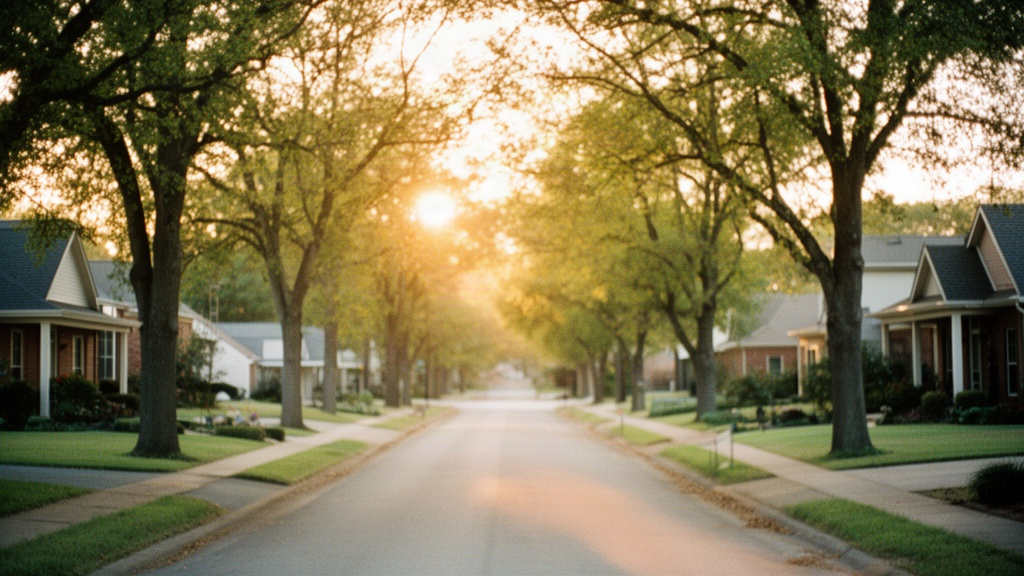
Hills and Dales sits in the western portion of LaGrange, Georgia, and the name describes the terrain accurately. The land rolls in a way that is uncommon for much of west Georgia's flatter stretches, and that topography shapes everything from how the streets curve to how the lots are sized and graded. Mature tree canopies line many of the roads, and the neighborhood has a density of old-growth hardwoods that newer subdivisions simply cannot replicate.
Topography and Street Layout
The street grid in Hills and Dales is not a grid at all. Roads follow the contours of the land, which means you get curved, winding streets rather than straight blocks. For drivers, that means a slightly slower pace through the neighborhood, which contributes to the quieter atmosphere residents often mention. Lot sizes tend to be larger than what you find in mid-century subdivisions elsewhere in LaGrange, with many parcels running a quarter acre to over half an acre, and some larger estate-style properties pushing well beyond that.
Architectural Style and Housing Stock
The housing stock in Hills and Dales skews older, with a significant concentration of homes built between the 1930s and the 1970s. You will find brick ranch homes, traditional two-story colonials, Tudor-influenced cottages, and the occasional Cape Cod. Many of these homes have been updated inside while retaining their original exterior character, which is part of what draws buyers who want architectural detail that cannot be found in new construction.
Square footage varies considerably. A modest three-bedroom brick ranch in Hills and Dales might run around 1,400 to 1,800 square feet, while larger two-story homes on more prominent lots can reach 3,000 square feet or more. Garages are common but not universal, and many homes have long driveways that reflect the era in which they were built.
2. Home Prices and the Real Estate Market in Hills and Dales
Home prices in Hills and Dales reflect the neighborhood's established character and lot sizes. As of October 2026, entry-level homes in the area, typically smaller brick ranches that need cosmetic updating, are generally priced in the low-to-mid $200,000s. Move-in-ready homes with updated kitchens, newer systems, and larger lots tend to fall in the $280,000 to $380,000 range. Larger or more extensively renovated properties can push into the $400,000s and beyond, particularly on the more prominent streets closer to the Hills and Dales Estate.
What Homes Typically Cost
Price per square foot in Hills and Dales generally runs higher than the LaGrange citywide average, which hovers around $130 to $150 per square foot across all property types in 2026. In Hills and Dales, well-maintained homes on desirable lots can reach $160 to $190 per square foot, driven by the lot premiums and the relative scarcity of inventory. Homes here do not turn over as frequently as properties in newer subdivisions, so when something comes on the market, buyers tend to move quickly.
For broader context on how Hills and Dales prices fit into the LaGrange market overall, the LaGrange Georgia Real Estate Market Guide covers citywide price trends, inventory levels, and timing considerations that apply whether you are buying in this neighborhood or elsewhere in Troup County.
How the Market Moves Here
Inventory in Hills and Dales is typically thin. At any given time in 2026, there are rarely more than four or five active listings in the immediate area, and some months see fewer than that. Homes that are priced accurately and presented well tend to go under contract within two to four weeks. Overpriced listings do sit, sometimes for months, because buyers in this price range are informed and have usually been watching the neighborhood for a while before they make a move.
If you are curious whether current conditions in LaGrange lean toward buyers or sellers right now, the article on whether the LaGrange housing market is favoring buyers or sellers breaks that down with current data.
3. Everyday Life: Commutes, Errands, and Getting Around
Living in Hills and Dales means you are well-positioned relative to most of LaGrange's daily destinations. The neighborhood sits roughly one to two miles west of downtown LaGrange, which puts the city's core, including the Troup County courthouse, the LaGrange Art Museum, and the restaurants along Greenville Street, within about five minutes by car on most days.
Driving Times to Key Destinations
West Point Lake, one of the most-used recreational resources in the region, is approximately 12 to 15 miles from Hills and Dales, a drive of roughly 20 minutes via U.S. Route 29 heading southwest. Callaway Gardens in Pine Mountain is about 20 miles to the north, typically a 25 to 30 minute drive on Georgia Highway 18. Kia Georgia's manufacturing facility, one of the area's largest employers, is located in West Point, roughly 18 miles from the neighborhood.
For residents who commute to Atlanta, the drive from Hills and Dales to the city's perimeter runs approximately 65 to 70 miles via Interstate 85 North, which translates to roughly 70 to 90 minutes depending on traffic and the time of day. LaGrange sits at exit 18 on I-85, and reaching the interstate from Hills and Dales takes about 10 minutes via New Franklin Road or Whitesville Road.
Walkability and Daily Errands
Hills and Dales is a neighborhood where most daily errands require a car. Grocery options include a Publix on New Franklin Road and a Walmart Supercenter on Lafayette Parkway, both within about five to eight minutes of the neighborhood's center. The Troup County Regional Hospital sits on Vernon Road, roughly three miles from Hills and Dales, which is a meaningful consideration for residents who factor healthcare proximity into their housing decisions.
The neighborhood's streets are pleasant for walking and cycling within the area itself, particularly around the Hills and Dales Estate grounds and the adjoining roads, but there are no dedicated bike lanes connecting to downtown or commercial corridors. Residents who want to walk to restaurants or shops will find it easier to drive the short distance to downtown rather than attempt a pedestrian route along the main roads.
4. Parks, Green Space, and the Hills and Dales Estate
The single most distinctive feature of the Hills and Dales neighborhood is the Hills and Dales Estate itself, a 35-acre historic property on Ferrell Gardens Road that anchors the area both geographically and culturally. The estate, listed on the National Register of Historic Places, includes the Fuller E. Callaway Sr. mansion and the Ferrell Gardens, a formal garden landscape that has been maintained and restored over the past century. Living within walking distance of a property of this scale and historical significance is a feature that simply does not exist in most of LaGrange's other residential areas.
Hills and Dales Estate and Its Gardens
The Ferrell Gardens at Hills and Dales Estate are open to the public for tours and are maintained by a nonprofit foundation. The formal garden design includes boxwood parterres, terraced lawns, and historic statuary spread across grounds that have been continuously cultivated since the 1830s. For residents of the surrounding neighborhood, this means that a walk or short drive takes you into one of the most meticulously maintained historic landscapes in the state of Georgia. The estate hosts seasonal events and educational programming that draw visitors from across Troup County and beyond.
You can learn more about the estate's history and public programming directly through the Hills and Dales Estate official website, which lists tour schedules, event calendars, and preservation information.
Nearby Outdoor Options
Beyond the estate, Hills and Dales residents have access to the broader LaGrange parks system. Calumet Park, located on Calumet Parkway near the LaGrange Country Club, offers walking trails, a lake, and open green space within a few miles of the neighborhood. The LaGrange Greenway trail system, which connects several parks and recreational areas across the city, is accessible from multiple entry points within a short drive of Hills and Dales. West Point Lake's Corps of Engineers recreational areas, about 15 miles away, provide boating, fishing, swimming, and camping for residents who want more extensive outdoor access.
5. Schools, Public Services, and Practical Considerations
Homes in Hills and Dales fall within the Troup County School System, which serves the broader LaGrange and Troup County area. The specific schools that serve a given address depend on the precise location within the neighborhood, so buyers should verify school assignments directly with the Troup County School System before making decisions based on school zoning. The Georgia Department of Education's website provides current enrollment data, school profiles, and performance metrics for every public school in the state, and that is the most reliable starting point for independent research.
School District Information
For a thorough overview of how the Troup County School System is structured and which parts of LaGrange are served by which schools, the article on public school options in LaGrange Georgia provides a detailed breakdown of district boundaries and school assignments across the city. School zoning can be a significant factor in a purchase decision, and verifying the specific assignment for any home you are considering is always worth the extra step.
Utilities, Taxes, and Other Practical Details
Property taxes in Hills and Dales are assessed by Troup County. As of 2026, the Troup County millage rate for unincorporated areas and city properties differs slightly, and homes within the LaGrange city limits pay both city and county taxes. For a home assessed at $300,000, the combined effective tax bill typically runs in the range of $2,200 to $2,800 annually before exemptions, though homestead exemptions can reduce that figure meaningfully for primary residents. Buyers should request the most recent tax bill from the seller and verify current rates with the Troup County Tax Commissioner's office.
Utilities in Hills and Dales are provided through LaGrange Utilities for water and sewer, and through LaGrange Gas System for natural gas, which is common for the older homes in this area that were built before all-electric construction became standard. Many of the older brick homes have been retrofitted with central HVAC, but buyers should verify the age and condition of mechanical systems during inspection, as original systems from the 1960s and 1970s can represent significant near-term replacement costs.
6. Who Buys in Hills and Dales and What to Expect from the Process
Hills and Dales attracts buyers who are specifically looking for established character, larger lots, and proximity to the estate and downtown LaGrange. These are often buyers who have already toured newer subdivisions on the city's edges and found them lacking in the architectural detail or mature landscaping they want. Some are relocating from larger metro areas and are drawn to the combination of a historic neighborhood feel with a much lower price point than they would encounter in comparable Atlanta neighborhoods.
Buyer Profile and Competition
Because inventory is limited and the neighborhood has a loyal following, well-priced homes in Hills and Dales can draw multiple offers. Buyers who are pre-approved and ready to move are at a significant advantage over those still in the early stages of financing. The neighborhood also attracts some buyers interested in renovation projects, particularly on homes that have not been updated since the 1980s or 1990s, where the bones are solid but the interiors need work. Those buyers are typically competing against move-in-ready buyers who are willing to pay a premium to avoid a renovation.
Tips for Making an Offer Here
Moving quickly matters in Hills and Dales. When a home is priced correctly and shows well, waiting a week to schedule a showing often means you are already too late. Buyers who have toured the neighborhood in advance, know the streets they prefer, and have their financing in order are the ones who tend to secure homes here. An escalation clause can be useful in a multiple-offer situation, but the structure of the offer matters as much as the price, including inspection timelines, contingencies, and closing flexibility.
For sellers in Hills and Dales considering a move, the process of preparing and pricing a home in an established neighborhood like this one has its own nuances. The article on selling a home in LaGrange: when is best, how to price it, and what the timeline looks like covers the timing and pricing strategy considerations that apply specifically to the LaGrange market.
The Hills and Dales neighborhood also draws useful comparison to the Dunson Hills area of LaGrange, another established residential pocket with older housing stock and a distinct neighborhood identity. If you are weighing both areas, the guide on the Dunson Hills area of LaGrange Georgia gives a parallel breakdown of homes, prices, and daily life in that part of the city.
FAQ
What is it actually like to live in the Hills and Dales neighborhood in LaGrange Georgia on a day-to-day basis?
Day-to-day life in Hills and Dales is quiet, with winding tree-lined streets, larger lots, and older brick homes that give the area a settled, unhurried feel compared to LaGrange's newer subdivisions. Most residents drive for daily errands, with grocery stores and pharmacies about five to eight minutes away by car. Downtown LaGrange is roughly five minutes west, putting restaurants, the farmers market, and city services within easy reach. The proximity to the Hills and Dales Estate and its public gardens adds a walkable green space element that is unusual for a residential neighborhood of this scale. Overall, the pace is slower than what you find closer to the commercial corridors on Lafayette Parkway or New Franklin Road.
Are homes in Hills and Dales LaGrange Georgia expensive compared to the rest of the city?
Homes in Hills and Dales tend to price above the LaGrange citywide average on a per-square-foot basis, primarily because of lot size premiums and the relative scarcity of available inventory. As of October 2026, entry-level homes in the area start in the low-to-mid $200,000s, while updated and larger properties can reach the $350,000 to $400,000-plus range. The citywide median for LaGrange as a whole runs lower, making Hills and Dales one of the higher price-point residential areas within the city limits. However, compared to established historic neighborhoods in Atlanta or other Georgia metros, the prices remain accessible. Buyers should budget for potential updates on older homes, particularly mechanical systems and kitchens.
How close is Hills and Dales to the Hills and Dales Estate, and can residents visit it easily?
The Hills and Dales Estate on Ferrell Gardens Road sits within the neighborhood itself, making it accessible by foot or a very short drive for most residents of the surrounding streets. The estate's Ferrell Gardens are open to the public through scheduled tours, and the nonprofit foundation that manages the property hosts seasonal events and educational programs throughout the year. Residents who live on streets adjacent to the estate property can walk to the entrance in under ten minutes. The estate's 35 acres of formal gardens and historic mansion grounds represent a significant cultural and historical asset that is essentially in the backyard of the neighborhood, a feature that contributes to the area's appeal and its price premiums relative to other parts of LaGrange.