← Back to Blog
Market Trends
Austin Texas Real Estate Market Guide: Prices, Neighborhoods, Timing
By Rohma Khan
Remax
September 1, 2026 · 11 min read
If you are buying, selling, or relocating to Austin, Texas, understanding the current market is the difference between a smart move and an expensive mistake. This Austin, Texas real estate market guide covers where prices stand right now, what the housing stock looks like across the city's distinct areas, and how to think about timing your transaction in September 2026.
1. Where Austin Home Prices Stand Right Now
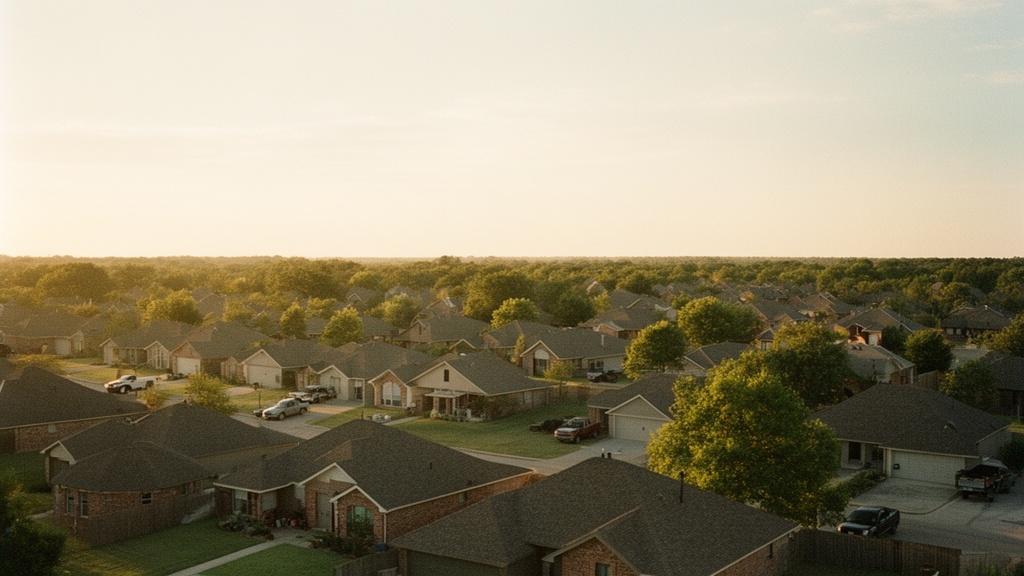
Austin home prices have moderated significantly from their 2022 peak, and as of September 2026, the market is operating closer to its long-run equilibrium. That shift matters enormously depending on whether you are buying or selling, and it shapes every decision from list price to offer strategy.
Median Price and Price Per Square Foot
The Austin metro median home price currently sits in the low-to-mid $400,000s, with the city of Austin proper trending closer to $480,000 to $510,000 depending on the month and the specific zip code. Price per square foot in the urban core runs roughly $280 to $380, while suburban areas outside Loop 360 and north of US-183 generally come in between $180 and $260 per square foot. Those gaps reflect lot size, age of construction, and proximity to major employment corridors rather than any single factor.
Compared to the frenzied pace of 2021 and early 2022, when median prices in Austin briefly crossed $550,000 and multiple-offer situations were routine, today's figures represent a meaningful correction. Buyers who were priced out two years ago are finding more room to negotiate. Sellers who purchased before 2019 still hold substantial equity, while those who bought at the 2022 peak may be closer to break-even depending on their specific purchase price and location.
How Prices Vary by Area
Price variation across the Austin metro is sharp. A 1,800-square-foot home in Tarrytown or Clarksville can list above $900,000, while a comparable footprint in Pflugerville or Manor might be priced at $320,000 to $370,000. The difference comes down to lot size, walkability to South Congress or the Barton Creek Greenbelt, age of the home, and distance from the central business district around Congress Avenue and 6th Street.
New Construction vs. Resale
New construction has been a defining force in the Austin market over the past several years. Builders in communities like Kyle, Buda, Georgetown, and Leander have added thousands of units, and many are offering rate buydowns, closing cost contributions, and design center credits to move inventory. Resale homes in established neighborhoods closer to downtown tend to carry a location premium but often require updating. Both categories deserve serious consideration, and the right choice depends on your commute tolerance, renovation appetite, and timeline.
For a deeper look at how Austin's luxury new-build segment is evolving, Forbes covers the shift toward bolder new-build luxury in a balanced Austin market, which gives useful context on where the upper end of the market is heading.
2. Austin's Housing Stock: What You Actually Find in Each Part of the City
Austin's housing stock is genuinely varied, and understanding what physically exists in each corridor helps you set realistic expectations before you start touring. For a full breakdown of housing types, lot sizes, and commute distances by neighborhood, the Austin Neighborhoods Compared guide on this site goes deeper into each area's specifics.
Central Austin and the Urban Core
Inside MoPac (Loop 1) and east of Lamar Boulevard, you find a dense mix of 1940s to 1970s bungalows, mid-century ranch homes, and a growing number of modern infill builds and townhomes. Lot sizes in areas like Hyde Park, Cherrywood, and Bouldin Creek typically run 5,000 to 7,500 square feet. Many of these homes sit within a short drive or bike ride of Zilker Park, Barton Springs Pool, the South Congress retail corridor, and the University of Texas campus. Prices in this ring are among the highest in the metro, with many single-family homes listing above $650,000.
Northwest Austin and the Domain Corridor
The stretch from the Domain mixed-use development north along MoPac toward Arboretum and into the Balcones Canyonlands area features larger lots, more two-story homes from the 1980s and 1990s, and a concentration of tech-sector employment nearby. Homes in zip codes like 78759 and 78750 typically range from 1,800 to 3,200 square feet and list between $500,000 and $750,000. The proximity to Apple's campus off Parmer Lane and the Domain's retail and restaurant cluster makes this corridor particularly active for relocating buyers.
South Austin
South of the Colorado River and Ben White Boulevard, the housing stock shifts toward post-war cottages, 1960s and 1970s ranch homes, and newer construction townhomes along major corridors like South Lamar and South Congress. The Slaughter Lane and William Cannon corridors push further south into areas with larger lots and more recent builds in the $380,000 to $550,000 range. South Austin also includes Manchaca and Shady Hollow, where quarter-acre to half-acre lots are common and homes tend to be single-story brick construction from the 1980s and 1990s.
East Austin
East of I-35, the housing landscape includes a mix of older wood-frame homes on modest lots, heavily renovated properties, and new construction infill that has reshaped corridors along East 6th Street, Cesar Chavez, and Manor Road. Prices here range widely, from $400,000 for an unrenovated 1950s home on a standard lot to over $800,000 for a fully rebuilt modern home on a corner lot within walking distance of the Mueller mixed-use development. Mueller itself features a planned community with townhomes, single-family homes, and a 140-acre park, with prices generally between $500,000 and $850,000.
The Suburbs: Cedar Park, Pflugerville, and Beyond
The outer ring of the Austin metro offers the most square footage per dollar. Cedar Park and Leander, roughly 25 to 35 miles northwest of downtown Austin via US-183 or TX-45, feature planned communities with homes built between 2000 and the present, typically ranging from 1,800 to 4,000 square feet and priced between $350,000 and $600,000. Pflugerville, about 15 miles northeast via TX-130, offers similar value with easy access to Samsung's semiconductor campus. Round Rock, just north on I-35, has its own active market worth exploring separately.
If Round Rock is on your radar, the Homes for Sale in Round Rock TX buyer's guide covers that market in detail, including price ranges, commute times into Austin, and what the housing stock looks like across different parts of the city.
3. Market Conditions in September 2026: Buyer or Seller?
As of September 2026, Austin is operating as a buyer-leaning balanced market, meaning buyers have more leverage than at any point since 2019, but well-priced homes in desirable locations still attract genuine competition. The era of waived inspections and offers $100,000 over asking is largely over for most price points, though pockets of the market remain competitive.
Inventory and Days on Market
Active inventory across the Austin metro currently runs well above the sub-one-month supply of the 2021 and 2022 frenzy, with many zip codes sitting at three to five months of supply. Days on market for the average Austin listing has stretched to 45 to 70 days in many areas, compared to single digits two years ago. Homes that are priced accurately and show well still move in two to three weeks, while overpriced listings are sitting and accumulating price reductions.
Price Reductions and Negotiating Power
Price reductions are now a routine feature of the Austin market rather than a red flag. A significant share of active listings have seen at least one price cut since their original list date, and buyers are successfully negotiating closing cost contributions, repair credits, and rate buydowns that simply were not on the table in 2022. HousingWire has reported on how Austin's market now relies on price cuts as homes sit longer, which gives useful context for anyone trying to read current listing activity.
For more on how this shift affects whether now is the right moment to act, the article Is Right Now a Good Time to Buy a House in Austin, Texas or Should I Wait? walks through the key considerations in detail.
Mortgage Rates and Affordability
Mortgage rates remain elevated relative to the historic lows of 2020 and 2021, keeping monthly payments higher than the raw home price alone would suggest. A buyer financing $450,000 at current 30-year fixed rates is paying meaningfully more per month than a buyer who financed the same amount three years ago. That affordability squeeze is one reason demand has softened and inventory has built up, which in turn creates the negotiating room buyers now enjoy. Many buyers are also exploring adjustable-rate products and builder buydown programs to reduce their initial payment while they wait for rates to shift.
4. Timing Your Austin Purchase or Sale
Timing in real estate is never about finding a perfect moment. It is about understanding the seasonal rhythms of the Austin market and aligning your move with your personal and financial situation. Austin has distinct seasonal patterns that affect both how quickly homes sell and what prices sellers can realistically achieve.
When to List a Home in Austin
Spring, specifically late February through May, is historically the strongest window for sellers in Austin. Buyer activity picks up as the school year approaches its end, relocating employees begin new positions, and the Austin weather makes touring homes genuinely pleasant. Homes listed in March and April have historically attracted the most showings and the strongest offers. The summer months of June and July see continued activity but some slowdown as the Texas heat discourages casual touring. Fall, particularly September through November, brings a second wave of serious buyers who missed the spring market.
For sellers listing right now in September 2026, the market is competitive but not impossible. Accurate pricing is the single most important variable. Homes that enter the market priced to reflect current comps rather than 2022 peak values are moving; those that do not are sitting and eventually requiring reductions that can stigmatize the listing.
When to Make an Offer as a Buyer
Buyers currently have the most leverage Austin has seen in several years, and September 2026 is a window worth taking seriously. Inventory is elevated, sellers are motivated, and the competition for most listings is manageable. If mortgage rates decrease in the coming months, more buyers will re-enter the market and that leverage will shrink. Waiting for rates to drop before buying can backfire if home prices rise in response to renewed demand.
How Long Transactions Take
A standard Austin resale transaction, from accepted offer to closing, typically takes 30 to 45 days when financing is involved. New construction timelines vary widely, from 30 days on a completed spec home to 6 to 12 months for a build-to-suit contract depending on the builder and community. Title companies in Austin, including several clustered around the Arboretum area and downtown, are generally efficient, but survey and inspection scheduling can add days during busy periods. Budget your timeline accordingly, especially if you have a lease expiration or a school enrollment deadline driving your move date.
5. What Buyers and Sellers Need to Know Before Acting
Austin has specific local factors that affect transactions in ways that buyers relocating from other states often do not anticipate. Understanding these before you make an offer or sign a listing agreement saves time, money, and frustration.
Due Diligence Specific to Austin
Texas uses an option period rather than a traditional contingency period. Buyers pay a negotiated option fee, typically between $200 and $600 depending on the price point, for the unrestricted right to terminate the contract within a set number of days, usually five to ten. During that window, buyers conduct inspections, review the seller's disclosure, and make any final financing decisions. This structure is different from what buyers in California, New York, or Illinois are used to, and understanding it before you write an offer is essential.
Property taxes in Travis County are a significant ongoing cost that buyers must factor into their monthly budget. Effective tax rates in Austin and surrounding Travis County typically run between 1.7% and 2.3% of assessed value, depending on the specific taxing entities for a given property, which can include city, county, school district, and special district levies. On a $500,000 home, that translates to $8,500 to $11,500 per year in property taxes before any homestead exemption. Texas does not have a state income tax, which partially offsets this, but the property tax burden surprises many relocating buyers.
Flood zone status is another Austin-specific issue worth checking early. The Barton Creek, Shoal Creek, and Onion Creek watersheds all have histories of significant flooding, and some properties in these corridors carry mandatory flood insurance requirements that add $1,000 to $3,000 or more to annual carrying costs. The City of Austin's Watershed Protection Department maintains flood mapping resources, and any serious buyer should verify a property's flood zone designation before moving past the option period.
Working with a Local Expert
Navigating Austin's market requires someone who tracks individual neighborhoods, knows which builders are offering the strongest incentives right now, and can read whether a listing's days on market represents a motivated seller or a structural problem with the property. That kind of granular knowledge is what separates a useful agent from one who simply pulls MLS data. If you are evaluating how to find the right person for your transaction, the guide on what to look for when choosing a realtor in Austin covers the criteria that actually matter.
As a further resource, HousingWire's coverage of the Texas housing market outlines the broader statewide trends shaping Austin's trajectory, including supply dynamics and migration patterns that continue to influence local demand.
FAQ
What is the current median home price in Austin, Texas?
As of September 2026, the median home price in the city of Austin proper is approximately $480,000 to $510,000, depending on the specific zip code and month. The broader Austin metro, which includes suburban cities like Cedar Park, Pflugerville, Round Rock, and Kyle, has a median closer to the low-to-mid $400,000s when all transactions are included. Prices vary considerably by area: homes inside MoPac in central Austin regularly list above $650,000, while comparable square footage in Pflugerville or Manor can be found for $300,000 to $380,000. Property taxes, which run between 1.7% and 2.3% of assessed value in Travis County, are an important additional cost to factor into your total monthly payment.
Is Austin, Texas a buyer's market or a seller's market right now?
Austin is currently operating as a buyer-leaning balanced market as of September 2026. Inventory has risen to three to five months of supply in many areas, days on market have stretched to 45 to 70 days for average listings, and price reductions are common. Buyers are successfully negotiating closing cost contributions, inspection repair credits, and builder rate buydowns that were not available during the 2021 and 2022 peak. That said, homes that are priced accurately and show well still attract real competition, particularly in central Austin zip codes and established neighborhoods within 20 minutes of major employment centers. The market is not uniformly slow; it is selective.
What should someone relocating to Austin know before buying a home here?
Several Austin-specific factors catch relocating buyers off guard. Texas uses an option period structure rather than traditional contingencies, meaning buyers pay a small fee for the right to terminate within a set window, typically five to ten days, during which all inspections and due diligence happen. Property taxes in Travis County are substantially higher than in many other states, often running $8,500 to $11,500 per year on a $500,000 home before any homestead exemption. Flood zone status is a meaningful concern in some Austin corridors, particularly near Barton Creek, Shoal Creek, and Onion Creek, and mandatory flood insurance can add significant annual cost. Finally, Austin's geography means commute times vary dramatically depending on where you live relative to your employer, and traffic on I-35, MoPac, and US-183 during peak hours deserves serious consideration when evaluating any property.