← Back to Blog
Market Trends
Homes for Sale in Orlando: Buyer & Seller Guide
By Rose Reid
August 15, 2026 · 6 min read
If you are searching for homes for sale in Orlando, you are stepping into one of Florida's most dynamic real estate markets, where neighborhood character, school zones, and commute routes all shape what a home is truly worth. Whether you are relocating from out of state, upsizing within the metro, or thinking about listing your current property, the decisions you make in the next few months could look very different from those made even a year ago. This guide breaks down what the Orlando market looks like right now, which areas are drawing the most attention, and how to position yourself to succeed whether you are buying or selling.
1. The Orlando Market in August 2026
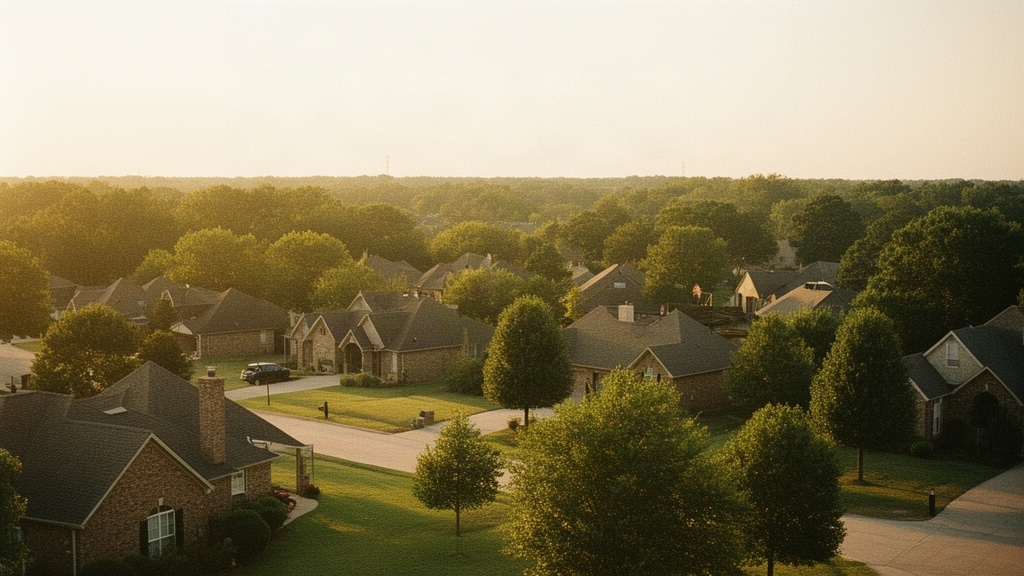
The Orlando housing market has settled into a more measured pace compared to the frenzy of prior years. According to Florida Realtors, the Florida housing market is stabilizing in 2026 as buyer demand gradually builds back after a period of rate-driven hesitation. That shift is visible in Orlando, where homes are taking longer to sell but prices have not collapsed, giving both buyers and sellers a more balanced landscape to work with.
Where Prices Stand Today
Median home prices in the greater Orlando metro remain above pre-pandemic levels, though the rapid appreciation of 2021 and 2022 has cooled considerably. Homes for sale in Orlando currently range widely depending on the submarket, from townhomes in the low $300s in areas like Azalea Park to luxury properties in Windermere and Isleworth pushing well past $1 million. Most buyers in the mid-range are shopping between $380,000 and $550,000, which is where inventory is deepest and negotiating room is most available.
What Inventory Looks Like
Inventory has increased meaningfully compared to where it stood in 2023 and 2024. Orlando metro homes are sitting on the market longer than they did during peak demand, which means buyers have more time to think and sellers need to be more strategic. New construction is also part of the picture, particularly in master-planned communities in Horizon West, St. Cloud, and along the SR-429 corridor, where builders are actively competing for the same buyers considering resale homes.
2. Neighborhoods Worth Knowing About
Orlando is not one market. It is a collection of distinct communities, each with its own character, price point, and lifestyle profile. Knowing which factors matter most to you before you start searching will help you focus your time and energy effectively.
Lake Nona and the Southeast Corridor
Lake Nona continues to attract buyers who want newer construction, schools through Orange County Public Schools (buyers should check the district's own published data for zone-specific information), and proximity to the Medical City campus. Prices here tend to run higher than the metro average, but the community infrastructure, including trails, parks, and the USTA campus, is a draw for many buyers.
Winter Park and College Park
Winter Park offers tree-lined streets, Rollins College, Park Avenue shopping, and some of the tightest inventory in the metro. Homes here range from historic bungalows to lakefront estates, and inventory is tight because owners tend to stay. College Park, just south of Winter Park, offers a similar walkable feel at a slightly more accessible price point, with a mix of bungalows and newer infill construction.
Dr. Phillips and Windermere
The Dr. Phillips area, known locally for Restaurant Row on Sand Lake Road, sits close to the attractions corridor while feeling distinctly residential. Windermere, just to the west, is defined by its chain of lakes and larger lot sizes. Both areas are served by Orange County Public Schools (buyers should check the district's own published data for zone-specific information), and offer easy access to I-4 and the 408.
East Orlando and Waterford Lakes
East Orlando includes a range of established suburban communities. Waterford Lakes, in particular, has a well-developed retail and dining scene, access to UCF, and suburban neighborhoods served by Orange County Public Schools (buyers should check the district's own published data for zone-specific information). Homes in this part of the metro tend to offer larger square footage at lower price points than some western and southern submarkets, and commute times to employers in the Semoran and University corridors can be shorter depending on where you work.
3. What Buyers Should Focus On Right Now
The shift toward a more balanced market is genuinely good news for buyers who were shut out during the peak. More inventory and longer days on market create room to negotiate, but that does not mean every home is a deal.
Get Specific About Your Priorities
Before you start touring homes for sale in Orlando, write down your non-negotiables versus your nice-to-haves. School zone, commute time, HOA fees, flood zone status, and lot size all affect your daily life and your resale value down the road. Orlando's sprawling geography means that two homes priced similarly can have very different commute experiences depending on whether you are heading toward downtown, the theme parks, the airport, or Maitland.
Understand the True Cost of a Home
Florida's insurance market has shifted significantly, and homeowners insurance costs in Orange County can vary dramatically based on roof age, construction type, and proximity to water. Get an insurance quote before you make an offer, not after. HOA fees in communities like Baldwin Park, Laureate Park, or Celebration can also add several hundred dollars a month to your carrying costs. A thorough budget review upfront prevents surprises at closing.
4. What Sellers Need to Understand in This Market
If you are thinking about listing your home, the current environment rewards preparation. Buyers have options now, and the days of accepting any offer sight unseen are behind us. That said, well-priced, well-presented homes in Orlando are still moving.
Pricing Is Everything
Pricing strategically in a market with rising inventory is the best way to attract buyers and achieve a successful sale quickly. Buyers are watching days on market closely, and a home that sells promptly signals strong value and desirability. A comparative market analysis based on recent closed sales in your specific neighborhood, not just broad Orlando metro data, is essential. Rose Reid can walk you through exactly what homes like yours have sold for recently and what price position gives you the best chance of a strong outcome.
Presentation Drives Offers
Professional photography, a clean interior, and a decluttered yard are baseline expectations in today's Orlando market. Buyers are scrolling through dozens of listings online before they ever schedule a showing. Listings with standout photos consistently earn more clicks, more showings, and stronger offers. Small investments in staging and curb appeal consistently return more at closing than they cost upfront.
5. Relocating to Orlando: What to Expect
Orlando draws relocators from across the country, drawn by Florida's tax environment, the warm climate, and a job market anchored by healthcare, tourism, tech, and aerospace. But navigating the metro from a distance adds a layer of complexity that local knowledge can resolve quickly.
Schools and Commutes Matter Here
Orange County Public Schools is one of the largest school districts in the country, and the schools serving each zone vary. Buyers with school zone priorities should check the district's own published data and verify which schools serve any specific address they are considering. Commute patterns in Orlando can be counterintuitive; the I-4 corridor is notoriously congested, and living slightly off the main arteries in communities like Oviedo, Apopka, or Sanford can actually reduce your daily drive time depending on where you work.
Lifestyle Shapes Where You Land
Orlando offers a wider lifestyle range than most people expect. You can live in a walkable urban neighborhood near Mills Avenue and Thornton Park, a quiet lakefront community in Gotha, a golf-course enclave in MetroWest, or a brand-new master-planned community in Horizon West. Clarifying which lifestyle fits your priorities before you start searching homes for sale in Orlando will save you weeks of wasted showings.
It is also worth noting that Florida's homebuilding market in 2026 is highly fragmented by region, meaning new construction options and timelines can differ significantly even between communities that are just 20 miles apart. A local expert who tracks builder activity across the metro can help you weigh resale versus new construction with real data.
FAQ
Is right now a good time to buy a home in Orlando?
August 2026 is shaping up to be a reasonable window for buyers who have been waiting on the sidelines. Inventory is higher than it was in 2023 and 2024, homes are sitting longer, and sellers are more willing to negotiate on price, closing costs, and repairs. Mortgage rates remain a factor, but buyers who plan to stay in their home for several years have time to refinance if rates drop further. The key is working with someone who knows the specific submarket you are targeting, because conditions vary considerably between neighborhoods like Lake Nona, Winter Park, and East Orlando.
How long does it take to buy a home in Orlando right now?
From the time you start actively searching to closing, most buyers in the Orlando market are looking at a timeline of 60 to 120 days, depending on how quickly the right home comes available and how competitive the specific neighborhood is. Getting pre-approved before you start searching is essential, because even in a slower market, well-priced homes in areas like Baldwin Park or Laureate Park can move quickly. The contract-to-close period typically runs 30 to 45 days once you are under contract, assuming no major inspection or financing delays. Having a knowledgeable local agent guiding the process keeps things moving efficiently.
Which Orlando neighborhoods should I consider?
It depends heavily on your priorities around schools, commute, and budget. Lake Nona features newer construction, a planned community layout, and is served by Orange County Public Schools. Winter Park offers established neighborhoods with older architectural character and is also served by Orange County Public Schools. Dr. Phillips and Windermere offer larger lots and proximity to the attractions corridor at higher price points. East Orlando neighborhoods like Waterford Lakes offer larger floor plans and are served by Orange County Public Schools as well. Buyers should check the district's own published data to verify which schools serve any specific address. Rose Reid can help you map your priorities to specific neighborhoods so your search is focused from the start.