← Back to Blog
Buying
Houses for Sale in Winter Park Florida
By Rose Reid
August 30, 2026 · 7 min read
If you are searching for houses for sale in Winter Park Florida, you are looking at one of the Orlando metro's most architecturally varied and historically rooted communities. From brick-lined streets near Park Avenue to newer construction closer to the 417, Winter Park offers a range of housing options that draws buyers from across the country. This guide breaks down what the market looks like right now, what you can expect at different price points, and how to navigate the search with confidence.
1. What Makes Winter Park's Housing Market Distinct
Winter Park stands apart from the rest of the Orlando market because of its age, its tree canopy, and its mix of housing eras. While much of metro Orlando is dominated by planned communities built after 1990, Winter Park has residential streets dating back to the early 1900s sitting alongside mid-century ranch homes and contemporary infill construction. That layering of eras gives buyers more variety per square mile than almost anywhere else in Orange County.
A City With Its Own Identity Inside the Orlando Metro
Winter Park is an incorporated city, not a neighborhood inside Orlando, which matters for buyers. It has its own city commission, its own utility infrastructure, and its own zoning rules that have historically limited the kind of dense development that reshaped other parts of the metro. That regulatory environment has kept lot sizes on many streets larger than what you find in comparable zip codes to the south and west.
The Housing Stock You Will Actually Find
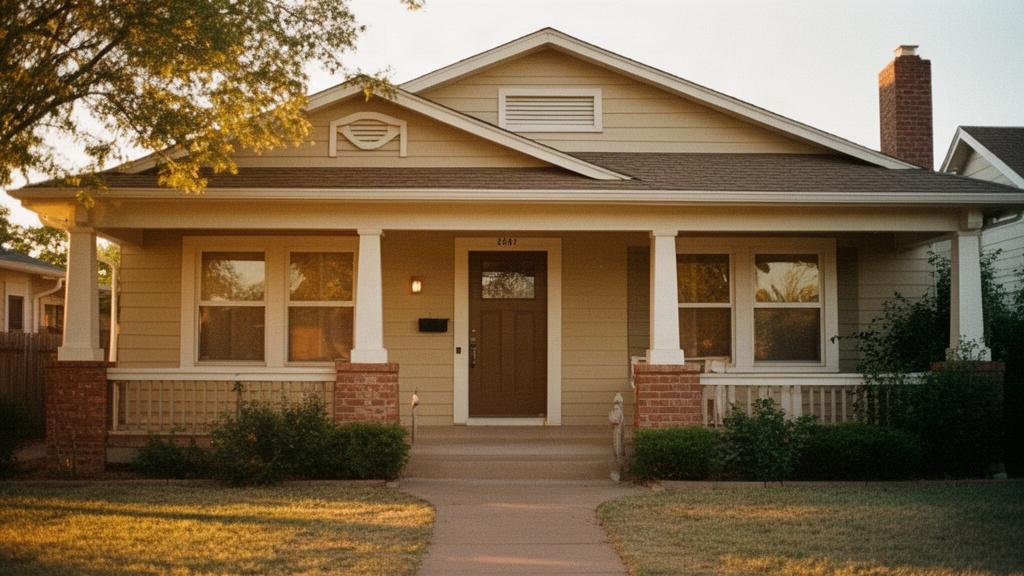
Buyers searching houses for sale in Winter Park Florida will encounter a wide spectrum of styles. Mediterranean Revival and Colonial homes appear frequently in the older sections near the chain of lakes. Brick bungalows and Craftsman cottages occupy many of the side streets east of Park Avenue. In newer pockets, particularly near Aloma Avenue and toward Goldenrod Road, you will find block construction homes from the 1960s and 1970s, along with custom-built two-story homes constructed in the last decade on scraped lots.
2. Current Market Conditions for Houses for Sale in Winter Park Florida
As of August 2026, the Winter Park market has more inventory than it did two years ago, and buyers have more negotiating room than at the peak of the post-pandemic surge. That does not mean prices have fallen sharply; Winter Park's core neighborhoods have held value more stubbornly than many other Orlando-area zip codes because supply of older, well-located homes on large lots remains structurally limited.
Price Ranges and Inventory in August 2026
Entry-level houses for sale in Winter Park Florida currently start around the mid-$400,000s for smaller block homes in the eastern and northern parts of the city. Mid-range properties, typically three-bedroom homes on quarter-acre or larger lots, are priced from the high $500,000s into the $800,000s depending on condition, proximity to the lakes, and lot configuration. Lakefront and lake-view properties, particularly on Lakes Osceola, Virginia, and Maitland, regularly list above $1.5 million, with fully renovated or new-construction waterfront homes reaching well past $3 million.
How Florida's Broader Market Affects Winter Park
Florida's housing market overall has been navigating a period of adjustment. Rising insurance costs, higher property taxes on recently reassessed homes, and elevated mortgage rates have all softened demand across the state. A detailed look at those pressures is outlined in this analysis from HousingWire on Florida's struggling housing markets. Winter Park is not immune to those forces, but its constrained supply of established single-family homes has cushioned some of the price pressure that newer-construction markets have absorbed more directly.
For buyers, this moment carries real opportunity. Days on market have stretched compared to 2022 and 2023, meaning you have more time to conduct inspections and negotiate terms without the pressure of a weekend bidding war on every listing.
3. Neighborhoods and Pockets Within Winter Park
Winter Park is not a uniform market; pricing and housing character shift noticeably from one corridor to the next. Understanding which pocket you are buying into matters because it affects what you get for your budget, what your lot will look like, and what the surrounding streetscape feels like day to day.
Central Winter Park and the Park Avenue Corridor
The streets immediately surrounding Park Avenue and Hannibal Square represent the oldest and most architecturally significant residential stock in the city. Lots here tend to be deep and narrow by modern standards, and many homes have been renovated multiple times over the decades. Buyers in this corridor are typically looking at $700,000 and above for a move-in-ready single-family home, with premium properties on or near the lakes commanding significantly more.
North and East Winter Park
Moving north toward Maitland Boulevard and east toward Lakemont Avenue, the housing stock shifts toward mid-century block construction on larger lots. These streets often have mature oak canopies and quarter-acre to half-acre lots that are increasingly rare at this price point in the metro. Buyers who want more land and are comfortable with a renovation project tend to find the most opportunity here, with prices in the $500,000 to $750,000 range for unrenovated to partially updated homes.
The Winter Park Pines and Surrounding Areas
The Winter Park Pines area, centered roughly around Howell Branch Road and Goldenrod Road in the eastern portion of the city, has a different character from central Winter Park. Homes here are predominantly single-story block construction from the 1960s and 1970s on generous lots, with a number of newer infill builds scattered throughout. This corridor offers some of the most accessible price points within Winter Park's city limits, with many homes listed between $450,000 and $650,000.
4. Commute Times, Amenities, and Daily Life
Location inside the Orlando metro matters as much as the home itself, and Winter Park's position gives residents practical access to most of the region's major employment centers. Buyers relocating from out of state should map their specific commute before committing to a particular street, since traffic patterns in Orlando vary considerably by direction and time of day.
Getting Around From Winter Park
Downtown Orlando is roughly 5 to 7 miles from central Winter Park, a drive that takes 15 to 25 minutes depending on the route and time of day. The SunRail commuter rail line stops at Winter Park station on New England Avenue, providing a car-free option to downtown Orlando and points south toward Sand Lake Road. For drivers, Interstate 4 is accessible via Fairbanks Avenue or Lee Road, connecting to the theme park corridor in roughly 30 to 40 minutes and to Lake Mary and Sanford to the north in a similar window.
Parks, Culture, and Local Landmarks
Central Park in Winter Park runs along Park Avenue and serves as the social center of the city, hosting outdoor events and providing green space within walking distance of many residential streets. The Morse Museum of American Art, which holds the world's most comprehensive collection of Louis Comfort Tiffany works, sits on Park Avenue and draws visitors from across the country. Mead Botanical Garden and Kraft Azalea Garden offer additional outdoor space, and the Winter Park chain of lakes is accessible by boat from multiple public launch points.
5. Tips for Buyers Searching Houses for Sale in Winter Park Florida
Buying in Winter Park requires a slightly different approach than purchasing in a newer master-planned community elsewhere in the metro. The inventory is smaller, the homes are older on average, and the due diligence process needs to account for factors that rarely come up in newer construction purchases.
Get Pre-Approved Before You Search
Even in a market with more inventory than two years ago, well-priced homes in Winter Park's core still move within days of listing. Having a fully underwritten pre-approval, not just a pre-qualification letter, puts you in a position to move quickly when the right property appears. Sellers in this price range expect buyers to be financially prepared before submitting an offer.
Understand What Drives Pricing Here
In Winter Park, price per square foot is only part of the story. Lot size, proximity to the lakes, the age and condition of the roof and electrical system, and whether the home sits in a flood zone all factor heavily into value. Two homes on the same street with identical square footage can differ by $150,000 or more based on these variables. Budget for a thorough inspection and, in many cases, a 4-point inspection required by Florida insurers for older homes.
Work With Someone Who Knows the Local Inventory
A significant share of homes in Winter Park sell before they are widely advertised, through agent networks and relationships built over years of working the local market. Florida's homebuilding and resale landscape is also shifting in ways that affect buyer strategy, as outlined in this HousingWire piece on Florida's many different homebuilding markets in 2026. Having an agent who is active in Winter Park specifically, not just the broader Orlando metro, gives you access to conversations and opportunities that online search portals simply do not surface.
FAQ
What is the average price of houses for sale in Winter Park Florida right now?
As of August 2026, the price range for single-family homes in Winter Park spans from roughly the mid-$400,000s for smaller, older block homes in the eastern sections of the city to well above $3 million for lakefront properties on the Winter Park chain of lakes. The broad middle of the market, three-bedroom homes in reasonable condition on standard lots, sits between the high $500,000s and low $800,000s. Prices vary considerably based on lot size, proximity to lakes, the age of major systems like the roof and HVAC, and whether the home has been renovated. Insurance costs and property tax implications for recently sold homes are also worth factoring into your total monthly budget before you settle on a target price range.
Is Winter Park Florida a separate city from Orlando?
Yes, Winter Park is its own incorporated city with a separate municipal government, distinct from the City of Orlando. It sits immediately northeast of Orlando and is part of Orange County. The city has its own zoning ordinances, utility systems, and code enforcement, which have historically shaped the character of its residential streets differently from surrounding municipalities. Buyers should confirm which jurisdiction a specific property falls under, as this affects permitting, utility providers, and local regulations. Homes near the city's borders sometimes carry a Winter Park mailing address while technically falling within Orange County's unincorporated limits, so verifying the legal jurisdiction with your agent is important.
How long does it take to find and close on a home in Winter Park?
The timeline varies depending on the price range and how specific your criteria are, but most buyers in Winter Park should plan for a search period of four to twelve weeks before going under contract. Once under contract, a standard Florida residential closing takes 30 to 45 days, though cash transactions can close faster. Older homes in Winter Park often require additional due diligence time because of the age of the structures, so build buffer into your timeline for inspection findings, insurance quotes, and any lender requirements tied to the home's condition. Working with an agent who has active relationships in the Winter Park market can shorten the search phase considerably by surfacing listings before they hit the major portals.