← Back to Blog
Market Trends
Is It a Good Time to Buy a Home in Orlando, Florida?
By Rose Reid
August 27, 2026 · 6 min read
If you have been asking yourself whether right now is a good time to buy a home in Orlando, Florida, you are not alone. Between shifting mortgage rates, a growing inventory of listings, and one of the most active relocation markets in the country, the answer is more nuanced than a simple yes or no. This post breaks down what the Orlando housing market actually looks like in August 2026, so you can make a decision grounded in real data rather than headlines.
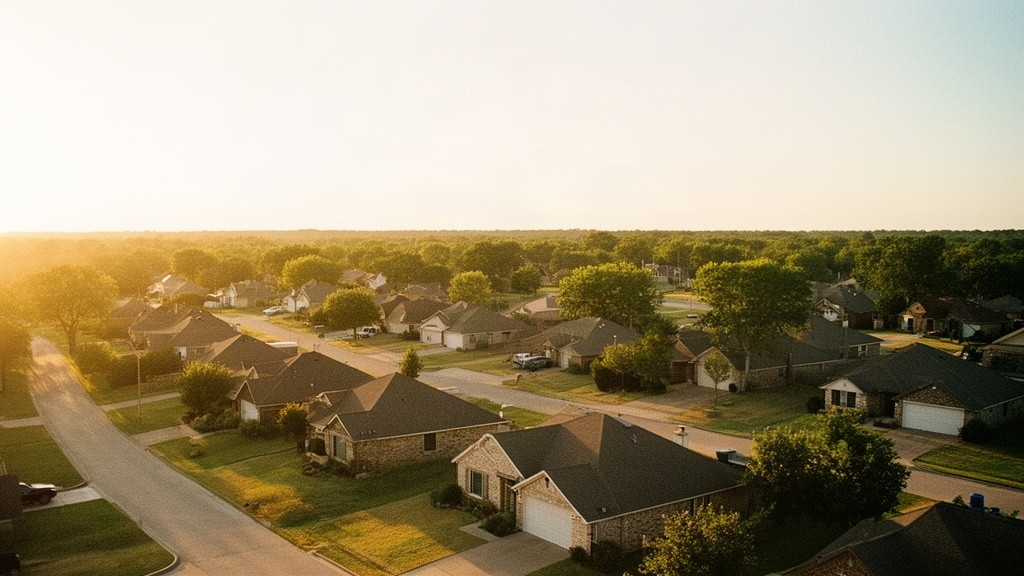
1. What the Orlando Housing Market Looks Like Right Now
The Orlando market has shifted considerably over the past twelve months. After years of historically low inventory and rapid price acceleration, the market has rebalanced toward conditions that give buyers more options and more negotiating room than they had in 2022 or 2023. That does not mean prices have dropped sharply, but it does mean the frantic, over-asking bidding wars have largely cooled.
According to the Orlando Regional REALTOR Association's housing market narrative, the local market has been moving toward more balanced conditions, with months of supply increasing and homes spending more time on the market before going under contract. For buyers who felt priced out or outpaced in previous years, this represents a meaningful change.
Inventory Has Grown Noticeably
Inventory in the greater Orlando area is up compared to where it stood in 2024 and early 2025. More listings mean more choices, and in many cases, sellers are more willing to negotiate on price, closing costs, or repairs than they were when every home had ten offers on the table. This dynamic is particularly visible in communities like Kissimmee, Sanford, and parts of east Orange County, where new listings have been coming to market consistently through the summer.
Where Prices Stand in August 2026
Median home prices in the Orlando metro area currently sit in the mid to upper $300,000s for single-family homes, though that figure varies significantly by submarket. Neighborhoods closer to downtown Orlando, the Dr. Phillips corridor, and the Winter Park area tend to carry higher price points, while communities in Osceola County, western Orange County near Ocoee, and areas along the U.S. 192 corridor offer more accessible entry points. Condos and townhomes in the $220,000 to $280,000 range remain available for buyers looking for lower-maintenance options.
2. Mortgage Rates and Buying Power in Orlando
Mortgage rates are one of the biggest factors shaping whether right now is a good time to buy a home in Orlando, Florida. Rates have moderated compared to the peaks seen in late 2023, but they remain elevated relative to the historically low rates that defined 2020 and 2021. Most conventional 30-year fixed rates are currently in the mid-to-upper 6% range, depending on the borrower's credit profile and down payment.
How Rates Are Affecting Monthly Payments
On a $370,000 home with a 10% down payment, a rate in the mid-6% range translates to a monthly principal and interest payment of roughly $2,200 to $2,300. That is a meaningful monthly commitment, and it underscores why getting pre-approved and understanding your full cost picture, including property taxes, homeowner's insurance, and HOA fees where applicable, matters before you start touring homes.
Why Waiting May Not Pay Off
Some buyers are holding out for rates to drop further before committing, but that strategy carries its own risks. If rates do fall significantly, demand typically surges, inventory tightens, and prices rise to meet that demand. Buyers who waited often find they saved on rate only to pay more for the home itself. Buying now and refinancing later if rates drop is a strategy worth discussing with your lender.
Florida Realtors noted earlier this year that Florida housing entered 2026 on firmer ground, with stabilizing prices and improving inventory levels statewide. That broader trend is playing out across the Orlando metro area as well.
3. Orlando Neighborhoods and Housing Stock Worth Knowing
Orlando is not a single housing market; it is a collection of distinct communities, each with its own character, price range, and commute profile. Understanding which areas align with your budget and lifestyle priorities is one of the most important steps in the buying process.
A Range of Communities Across Orange County
Downtown Orlando and the Milk District offer walkable urban living with bungalows, condos, and renovated older homes, many from the 1940s through 1970s, priced from the high $200,000s into the $600,000s depending on size and condition. Winter Park sits just north of downtown and features a mix of historic brick-street neighborhoods near Park Avenue, larger estate-style lots, and a vibrant dining and arts scene around Central Park. Homes there typically start in the mid $400,000s and climb well into the millions for lakefront or historic properties.
Moving outward, communities like Lake Nona on the southeast side of Orlando offer master-planned neighborhoods with newer construction, proximity to Orlando International Airport, and access to Medical City. Apopka to the northwest, Oviedo to the northeast, and Horizon West in western Orange County each offer their own mix of lot sizes, school district boundaries to research independently, and commute distances to major employment corridors like International Drive, the downtown core, and the UCF Research Park area.
New Construction vs. Established Homes
Orlando has one of the more active new construction pipelines in the country, particularly in Osceola County, Horizon West, and along the State Road 429 corridor. Builders are currently offering incentives including rate buydowns and closing cost contributions to move inventory, which can make new construction a compelling option for buyers who want a predictable timeline and modern finishes. Resale homes in established neighborhoods often offer larger lots, mature landscaping, and proximity to established parks and commercial corridors that newer communities are still building out.
4. What Buyers Should Do Before Making a Move
Deciding whether right now is a good time to buy a home in Orlando, Florida ultimately comes down to your personal financial situation and timeline, not just market conditions. The market can be favorable in general terms, but if your credit profile needs work or your down payment is not yet where it needs to be, the timing may not be right for you specifically. Here is how to approach it practically.
Get Your Finances in Order First
Start with a pre-approval from a lender who is familiar with Florida loan programs, including the Florida Housing Finance Corporation's down payment assistance options for eligible buyers. Know your debt-to-income ratio, review your credit report for any errors, and have a clear sense of your target monthly payment before you start looking at listings. In a market where homes in desirable price ranges still move relatively quickly, being pre-approved puts you in a position to act when the right property comes along.
Work With Someone Who Knows the Local Market
Orlando's housing market varies block by block in some areas, and the difference between a well-priced listing and an overpriced one is not always obvious from an online search. An agent with deep knowledge of specific communities, recent comparable sales, and builder incentive programs can help you avoid costly mistakes and negotiate effectively. This is especially true for buyers relocating from out of state who may be comparing Orlando to markets that operate very differently.
Rose Reid works with buyers across the Orlando metro area and brings hands-on knowledge of local pricing, neighborhood character, and the negotiation dynamics that define this particular market right now. Whether you are comparing communities, evaluating a builder contract, or trying to understand what a fair offer looks like on a specific street, having that local perspective in your corner makes a real difference.
FAQ
Is right now a good time to buy a home in Orlando, Florida if I am relocating from another state?
August 2026 offers a more balanced entry point than the peak seller's market conditions of 2021 through 2023, with more inventory and sellers more open to negotiation on price and concessions. For out-of-state buyers, the key is understanding that Orlando is a large metro with significant price variation across its communities, and what you can afford in Kissimmee or Apopka will look very different from what that same budget gets you in Winter Park or Dr. Phillips. Working with a local agent before you visit in person, and using virtual tours and video walkthroughs strategically, can help you narrow your search efficiently. Florida also has no state income tax, which factors into the overall cost-of-living comparison for many relocating buyers. Getting pre-approved by a lender familiar with Florida loan programs is an important first step before you start comparing neighborhoods.
How long are homes staying on the market in Orlando right now?
Average days on market in the Orlando area have increased compared to the frenetic pace of 2022, with many homes now sitting for three to six weeks before going under contract, though this varies considerably by price range and location. Homes priced accurately in the $300,000 to $400,000 range in established communities still tend to move faster than those priced at the top of the market or in areas with higher new construction competition. This shift gives buyers more time to conduct due diligence, schedule inspections, and make thoughtful offers rather than rushing decisions. Sellers who are pricing strategically and offering concessions such as closing cost credits are seeing stronger interest than those holding firm at above-market prices. Monitoring active listings over several weeks in your target area will give you a practical sense of how quickly the specific type of home you want is moving.
What should I know about property taxes and insurance costs when buying in Orlando?
Florida property taxes in Orange and Osceola counties typically run between 1% and 1.5% of assessed value annually, though the exact rate depends on the municipality and any applicable exemptions such as the Homestead Exemption, which can reduce your assessed value by up to $50,000 if you make the home your primary residence. Homeowner's insurance is a significant line item in Florida, with many buyers currently paying $3,000 to $5,000 or more per year depending on the home's age, construction type, and location relative to flood zones. Flood insurance is a separate policy and may be required by your lender if the property sits in a FEMA-designated flood zone, which is worth verifying before you make an offer. These costs can meaningfully affect your total monthly housing expense, so factoring them into your budget alongside your mortgage payment is essential. Ask your agent and lender to help you model the full monthly cost of ownership, not just the principal and interest payment, before you commit to a price range.