
← Back to Blog
Neighborhoods
The Thornton Park Neighborhood of Orlando Real Estate Market Guide: Prices, Neighborhoods and Timing
By Rose Reid
September 20, 2026 · 11 min read
Thornton Park is one of Orlando's most distinctive urban neighborhoods, sitting just east of Lake Eola with a walkable street grid, bungalow-lined blocks, and a dining and retail scene that draws residents from across the city. If you are buying, selling, or relocating and want to understand the Thornton Park neighborhood of Orlando real estate market, this guide covers current prices, the types of homes available, how the micro-market behaves, and what timing looks like right now in September 2026.
1. What Makes Thornton Park Distinct from Other Orlando Neighborhoods
Thornton Park occupies a specific and relatively compact footprint in downtown Orlando, bordered roughly by Lake Eola to the west, Summerlin Avenue to the east, Central Boulevard to the north, and South Street to the south. That geography shapes everything about the real estate market here, from lot sizes to price premiums to how quickly homes move.
Location and Physical Layout
The neighborhood sits inside the 32801 zip code, placing it within roughly one mile of the Orange County Courthouse, the Dr. Phillips Center for the Performing Arts, and the Amway Center. Lake Eola Park, the 43-acre urban lake with its iconic fountain and amphitheater, forms the western edge of the neighborhood and functions as the community's central gathering space. The Sunday Farmers Market at Lake Eola draws thousands of visitors each week and is a consistent feature of daily life for Thornton Park residents.
The street grid is walkable by Orlando standards, which is notable in a metro area built almost entirely around the car. Washington Street, the neighborhood's main commercial corridor, runs through the heart of Thornton Park and is lined with independent restaurants, wine bars, boutiques, and coffee shops within a few blocks. Residents can walk to the park, to dinner, and to several grocery options without getting on a highway, which is genuinely uncommon in this metro.
Housing Stock and Architecture
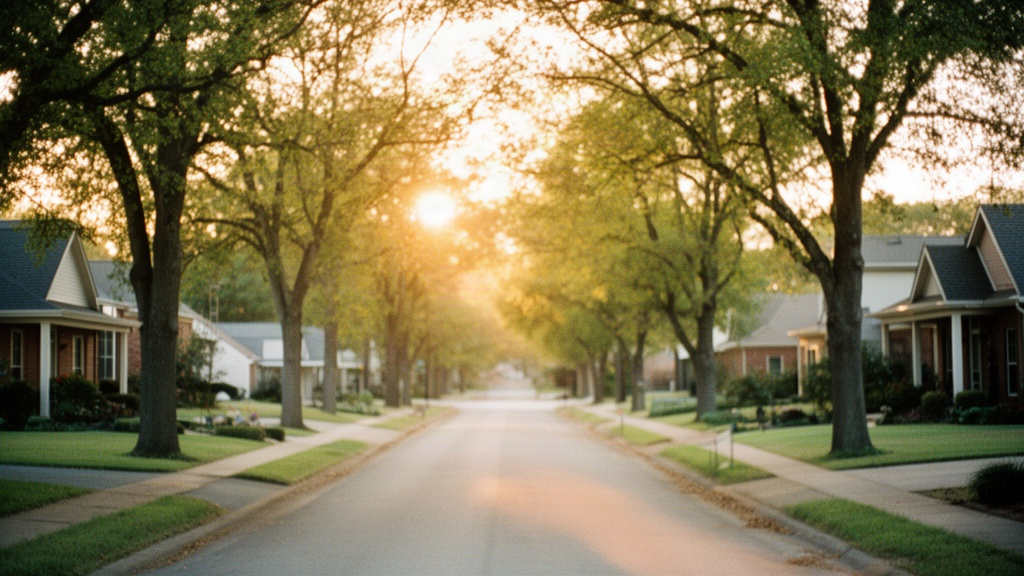
Thornton Park's housing stock is older and more architecturally varied than almost anywhere else in Orlando. Many of the single-family homes date from the 1920s through the 1950s, with Craftsman bungalows, Mediterranean Revival cottages, and early-century frame vernacular homes making up the bulk of the residential fabric. Lot sizes are modest by suburban Orlando standards, typically running 50 by 100 feet or smaller, which keeps the neighborhood dense and walkable but also means buyers should set realistic expectations about yard space.
For a broader look at how Thornton Park's physical character compares to other urban Orlando neighborhoods, the Homes.com Thornton Park neighborhood guide provides a useful overview of the area's footprint and residential mix.
2. Thornton Park Orlando Real Estate Prices Right Now
Thornton Park commands a price premium over most of Orlando's residential market, driven by its location, limited inventory, and the irreplaceable nature of its historic housing stock. Understanding the current price landscape is the first step whether you are buying your first home here or preparing to sell one you have owned for years.
Median Sale Prices in September 2026
As of September 2026, single-family homes in Thornton Park are trading in a range that stretches from the high $400,000s for smaller bungalows needing cosmetic work up to $1.2 million or more for fully renovated, larger homes on the better streets closest to Lake Eola. The median for detached single-family product in the 32801 zip code sits in the $580,000 to $640,000 range, though Thornton Park's specific blocks can run above that median given the neighborhood's concentration of historically significant homes.
Condominium pricing in Thornton Park is a separate conversation. Smaller one-bedroom units in the neighborhood's mid-rise buildings start around $275,000 to $320,000, while two-bedroom condos with Lake Eola views can reach $550,000 to $700,000 depending on floor, finishes, and building amenities. The spread is wide, so buyers need to look at specific buildings and units rather than relying on a single neighborhood average.
Price Per Square Foot and What Drives It
Price per square foot in Thornton Park currently runs between $290 and $420 for single-family homes, depending heavily on renovation quality, lot position, and proximity to the lake. A fully renovated bungalow with a modern kitchen, updated plumbing and electrical, and a landscaped yard on a quiet street near Eola Drive will sit at the top of that range. A home with original systems and deferred maintenance on a busier block will sit closer to the bottom.
Three factors consistently push prices upward in this neighborhood: lake views or lake proximity, the presence of a detached garage or off-street parking (genuinely rare on many blocks), and original architectural details that have been preserved rather than removed during past renovations. Buyers competing for homes with all three of those attributes should expect multiple-offer situations even in a moderating market.
How Thornton Park Compares Within the 32801 Zip Code
The 32801 zip code also includes portions of downtown Orlando proper, Eola Heights to the north, and some newer condo towers along the downtown core. Thornton Park's single-family segment tends to outperform the broader zip code median on a per-square-foot basis because of the historic character and walkability premium. For a detailed breakdown of price trends across Orlando's various zip codes and neighborhoods in 2026, the average home price guide for Orlando, FL offers a useful reference point.
3. Types of Homes Available in Thornton Park
Thornton Park offers more product variety than its compact footprint might suggest. Understanding which category fits your needs will save you time and help you set a realistic budget before you start touring homes.
Historic Bungalows and Craftsman Cottages
The single-family bungalow is the defining housing type of Thornton Park. Most of these homes were built between 1920 and 1955 and range from roughly 900 square feet for the smallest cottages to around 2,400 square feet for the larger two-story homes on the wider lots. Original features like heart pine floors, front porches with tapered columns, built-in cabinetry, and decorative fireplace surrounds are common and are a major reason buyers are drawn to the neighborhood in the first place.
Buyers purchasing a historic bungalow should budget for the realities of older construction. Many homes have had electrical panels updated and plumbing re-piped, but some have not. Cast iron drain lines, knob-and-tube wiring in older additions, and single-pane windows are all possibilities that a thorough inspection will surface. These are manageable issues, but they affect both purchase price negotiations and post-closing budgets.
Condominiums and Townhomes
Several mid-rise condominium buildings sit within or immediately adjacent to Thornton Park, offering a lower-maintenance ownership option with access to the same walkable amenities. Buildings like 101 Eola and The Sanctuary are well-known addresses in this corridor. Monthly HOA fees in these buildings typically run from $600 to over $1,200 per month depending on the building's amenity package and reserve funding levels, so buyers need to review the HOA financials carefully before making an offer.
Townhomes are less common in Thornton Park than in nearby Baldwin Park or Lake Nona, but a handful of attached two-story units do exist in the neighborhood. These typically offer more square footage than a comparable condo at a similar price point, along with private entrances and sometimes small private outdoor spaces. If you are weighing a townhome purchase against a single-family bungalow, the Baldwin Park buying guide on this site covers the townhome market in that adjacent neighborhood in detail.
New Infill Construction
A small but consistent stream of new infill construction has appeared in Thornton Park over the past decade, typically on lots where older homes were demolished or on previously vacant parcels. These new builds are subject to the City of Orlando's historic overlay district guidelines in certain blocks, which govern massing, setbacks, and exterior materials. A new home in Thornton Park is not the same product as a new home in a master-planned community on the city's periphery; the design standards and lot constraints are fundamentally different.
New construction in Thornton Park commands prices in the $700,000 to $1.1 million range for single-family homes, reflecting the cost of urban land, construction in a constrained environment, and the premium buyers place on new mechanicals and modern floor plans in a historic setting. For buyers interested in new construction more broadly across the Orlando metro, the new construction neighborhoods guide for 2026 provides a wider view of what is being built and where.
4. Market Conditions and Timing: What Buyers and Sellers Need to Know
The Thornton Park real estate market operates somewhat independently from the broader Orlando metro, largely because its inventory is so constrained. You cannot build more Lake Eola frontage or create new 1920s bungalows, which means supply stays low even when broader market conditions soften.
Days on Market and Inventory Levels
In September 2026, active listings in Thornton Park's core residential blocks typically number between 8 and 18 single-family homes at any given time, which is a very thin market. Well-priced homes in move-in condition are going under contract within 10 to 21 days. Homes that are overpriced relative to their condition or that have significant deferred maintenance are sitting longer, sometimes 60 to 90 days, before sellers adjust pricing.
The condo market in and around Thornton Park has more inventory than the single-family segment right now, partly because higher HOA fees have made some buyers hesitant and partly because higher interest rates have compressed the pool of qualified buyers for higher-priced units. This creates a different negotiating environment for condo buyers than for single-family buyers in the same neighborhood.
Seasonal Patterns in Thornton Park
Orlando's real estate market has a seasonal rhythm, and Thornton Park follows it with some local variation. Listing activity picks up in February and March as sellers prepare for the spring buying season, and buyer competition is typically highest from March through June. The late summer months, including August and September, tend to see slightly less buyer competition, which can work in a buyer's favor right now. Sellers who need to list in the fall should price accurately from day one, as overpriced homes in September tend to sit through the slower October and November period.
What the Broader Orlando Market Means for This Neighborhood
The Orlando Regional REALTOR Association publishes monthly market reports that track median prices, days on market, and inventory levels across the metro. Checking the ORRA monthly housing market reports gives you a reliable, data-backed baseline for understanding where Thornton Park sits relative to the broader metro trend.
Broadly speaking, the Orlando metro has seen price growth moderate from the sharp appreciation of 2021 and 2022, but prices have not declined meaningfully in core urban neighborhoods like Thornton Park. The combination of constrained supply and sustained demand from in-migration to the Orlando metro has kept values relatively stable in the neighborhood even as some outer-ring suburban markets have experienced more price softening.
5. Practical Considerations Before You Buy or Sell in Thornton Park
Thornton Park has some property-specific considerations that buyers and sellers in suburban Orlando subdivisions rarely encounter. Knowing these before you make an offer or list a home will prevent surprises during the transaction.
Flood Zones, Insurance, and Due Diligence
Some blocks in Thornton Park fall within FEMA-designated flood zones because of proximity to Lake Eola and the broader downtown Orlando drainage system. Buyers should check the specific flood zone designation for any property using FEMA's Flood Map Service Center before making an offer, because properties in Zone AE or similar designations will require flood insurance in addition to standard homeowners coverage. Flood insurance costs in Central Florida have risen substantially in recent years and can add $2,000 to $6,000 or more annually to ownership costs depending on the property's elevation and coverage amount.
Standard homeowners insurance in Florida has also become more expensive across the board, and older homes with certain roof ages, older electrical panels, or original plumbing may face higher premiums or coverage limitations. Getting an insurance quote before you remove inspection contingencies is a step that every Thornton Park buyer should take seriously.
HOA Structures and Historic Overlay Rules
Most single-family homes in Thornton Park are not part of a traditional HOA, which is one of the neighborhood's distinguishing features compared to master-planned communities elsewhere in Orlando. However, certain blocks fall within the City of Orlando's Thornton Park Historic District overlay, which means exterior modifications, additions, and demolition require review and approval by the city's Historic Preservation Board. Buyers planning significant renovations should research which specific properties are subject to these rules before closing, as the review process adds time and constraints to any exterior project.
Commute and Walkability Factors
Thornton Park's downtown Orlando location puts residents within about one mile of the central business district, making it one of the few Orlando neighborhoods where a car-free or car-light lifestyle is genuinely possible for certain workers. The SunRail commuter rail station at Church Street is approximately a 15-minute walk from the heart of Thornton Park, connecting riders to stations as far north as DeBary and as far south as Poinciana. For those driving, Interstate 4 access at Kaley or South Street puts most of the metro within reach, though I-4 congestion during peak hours is a real factor that anyone relocating to Orlando should plan around.
For buyers weighing Thornton Park against other urban Orlando locations based on commute to specific employment centers, the Orlando zip codes and commute guide on this site breaks down drive times to Medical City and downtown from various neighborhoods across the metro.
Parking is a practical concern that surprises some buyers. Many of the older bungalows in Thornton Park were built before the car was central to daily life, and a significant number of homes have no garage and limited or no off-street parking. Street parking is generally available but can be competitive on weekend evenings when the Washington Street restaurant corridor draws visitors from outside the neighborhood. Buyers with multiple vehicles should verify parking options before committing to a specific property.
If you are also evaluating other established Orlando neighborhoods as part of your search, the Dr. Phillips market guide on this site covers a very different but equally well-established part of the Orlando market, giving you a useful point of comparison on price, product type, and lifestyle tradeoffs.
FAQ
What is the typical price range for a home in Thornton Park, Orlando in 2026?
As of September 2026, single-family bungalows in Thornton Park range from the high $400,000s for smaller homes needing work to over $1.2 million for fully renovated properties with lake proximity. The median for detached single-family homes in the 32801 zip code sits in the $580,000 to $640,000 range, with Thornton Park's most desirable blocks often trading above that figure. Condominiums start around $275,000 for one-bedroom units and can reach $700,000 or more for two-bedroom units with Lake Eola views. The wide price spread means buyers need to evaluate specific properties rather than relying on a single neighborhood average.
How competitive is the Thornton Park real estate market right now?
Thornton Park's single-family market remains competitive in September 2026 because active inventory is consistently thin, often fewer than 20 homes listed at any time. Well-priced, move-in-ready homes are going under contract within 10 to 21 days, and properties with lake views or original architectural details can attract multiple offers. The condo segment has more available inventory and offers buyers somewhat more negotiating room. Sellers who price accurately from the start see strong results; overpriced listings tend to sit and require reductions before finding a buyer.
Are there any special rules or restrictions for buying and renovating a historic home in Thornton Park?
Yes, certain properties in Thornton Park fall within the City of Orlando's Historic District overlay, which requires review and approval from the city's Historic Preservation Board for exterior modifications, additions, and demolition. This does not apply to every home in the neighborhood, so buyers should confirm whether a specific property is subject to these guidelines before closing. Interior renovations are generally not subject to historic overlay review, but exterior changes including window replacements, porch modifications, and additions require compliance with the district's design standards. Buyers planning significant exterior work should factor the review timeline into their renovation planning and budget.