← Back to Blog
Buying
Buying a Home in Shorewood, Wisconsin: Process, Costs and Timeline
By Roxanne Martens, REALTOR®
Boardwalk Realty · DRE# 110763
September 11, 2026 · 11 min read
Buying a home in Shorewood, Wisconsin involves a distinct market, a specific set of costs, and a timeline that surprises many first-time buyers. This guide walks you through every stage, from getting pre-approved to handing over keys, with real numbers and Shorewood-specific details so you know exactly what to expect.
1. What Makes Shorewood's Housing Market Different
Shorewood is a self-contained village of roughly 13,000 residents sitting directly north of Milwaukee, bordered by Lake Drive to the east and the Milwaukee River to the west. It is not a suburb in the sprawling sense; it is a dense, walkable community with its own village government, its own commercial corridor along Oakland Avenue, and a housing inventory that is almost entirely made up of pre-war construction.
The Village's Housing Stock
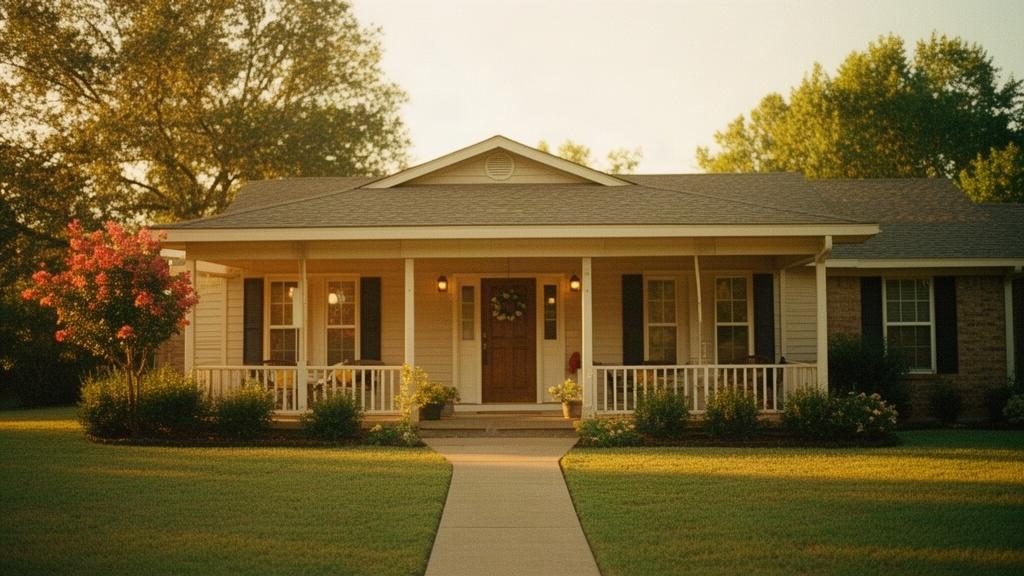
Most of what you will find when buying a home in Shorewood, Wisconsin is brick or stucco construction from the 1920s through the 1940s. Tudor Revival bungalows, Colonial Revival two-stories, and solid brick four-squares line the residential streets between Capitol Drive to the north and Edgewood Avenue to the south. Lot sizes are modest, typically 40 to 50 feet wide, and garages are detached and accessed from rear alleys. That architectural consistency is one of the defining physical characteristics of the village.
Condominiums and multi-family conversions exist along the lakeside streets and near the Oakland Avenue corridor, giving buyers a range of entry points. New construction is rare here because the village is fully built out. When a teardown or infill project does appear, it tends to attract significant attention quickly.
Current Price Ranges in September 2026
As of September 2026, single-family homes in Shorewood are trading in a broad range depending on size, condition, and proximity to the lake. Entry-level bungalows in need of updating are typically priced from the upper $300,000s into the mid-$400,000s. Move-in-ready two-story homes on interior lots generally list between $500,000 and $650,000. Larger homes on Lake Drive or with river views can reach $800,000 to well over $1 million. Condominiums along the Oakland corridor start closer to $200,000 for smaller one-bedroom units.
Inventory in Shorewood is tight. The village sees fewer than 150 to 200 single-family homes change hands in a typical year, which means well-priced listings often receive multiple offers within days of hitting the market. Buyers who are not pre-approved and ready to move quickly frequently lose out to those who are.
2. The Step-by-Step Process for Buying a Home in Shorewood, Wisconsin
The process of buying a home in Shorewood follows the same broad arc as purchasing anywhere in Wisconsin, but the compressed inventory and competitive offer environment mean certain steps carry more weight here than they might in slower markets. Working through each stage methodically is the clearest path to a successful purchase.
Step 1: Get Pre-Approved
Pre-approval is not optional in Shorewood's market. Sellers and their agents routinely reject offers that arrive without a lender letter, and in a multiple-offer situation, an unverified buyer is not a serious contender. Contact a lender, provide your income documents, bank statements, and tax returns, and get a written pre-approval letter before you tour a single home.
Wisconsin mortgage rates as of September 2026 are worth comparing across multiple lenders before you commit. You can check current Wisconsin mortgage and refinance rates through Forbes Advisor's Wisconsin rate tracker to get a real-time sense of what lenders are quoting before you sit down with anyone.
Step 2: Find a Local Agent
A buyer's agent who knows Shorewood specifically will recognize which blocks flood after heavy rain, which streets back up to commercial noise, and which homes have been sitting because of a pricing issue versus a structural one. That kind of local knowledge is genuinely hard to replicate from a national search portal. According to NAR's Profile of Home Buyers and Sellers, the vast majority of buyers say their agent was a useful source of information during the home search, and that usefulness increases significantly when the agent specializes in a specific geography.
If you are also exploring homes in the broader Milwaukee area while you search, the Homes for Sale in Milwaukee: Buyer's Guide on this site covers the wider market context and can help you compare what you get for your budget across different neighborhoods.
Step 3: Search and Tour Homes
Set up automated MLS alerts for Shorewood the moment your pre-approval is in hand. New listings in the village can receive showings within hours of going live, and homes that are priced correctly often go under contract before the first weekend. Touring within 24 hours of a listing appearing is a reasonable target in this market.
When touring older Shorewood homes, pay close attention to the mechanical systems. Many of these 1920s and 1930s homes still have original plaster walls, knob-and-tube wiring that has been partially updated, and boiler or radiator heating systems. None of these are dealbreakers, but each one affects your cost of ownership and your renovation budget. Ask your agent what has been updated before you walk in the door.
Step 4: Make an Offer
Offers in Shorewood frequently come in at or above asking price on desirable listings. Your agent will pull recent comparable sales to anchor your offer price, and you will need to decide upfront on your inspection contingency, financing contingency, and closing date. Wisconsin uses a standard WB-11 Residential Offer to Purchase form, and sellers here are accustomed to seeing clean, well-structured offers.
Escalation clauses are common in competitive situations. An escalation clause automatically increases your offer by a set increment above any competing offer, up to a ceiling you define. Your agent can walk you through whether this strategy makes sense for a specific listing based on how much interest it has generated.
Step 5: Inspection and Due Diligence
Wisconsin law does not require sellers to disclose every defect, but they must complete a Real Estate Condition Report covering known material defects. Your inspection is your opportunity to independently verify the property's condition. Budget approximately $400 to $600 for a standard home inspection on a Shorewood-sized property. If the inspector flags the sewer lateral, add a sewer scope for another $150 to $200. Older Milwaukee-area homes with clay or cast-iron sewer lines can develop root intrusion, and discovering that before closing is far better than after.
If the inspection reveals issues, you have several options under the Wisconsin offer form: request repairs, ask for a price reduction, or walk away during the contingency period. Your agent's guidance during this negotiation stage is often where the most money is saved or lost in the entire transaction.
Step 6: Final Mortgage Approval and Closing
Once your offer is accepted, your lender will order an appraisal and begin underwriting. This stage typically takes three to four weeks. You will receive a Closing Disclosure at least three business days before closing that itemizes every fee. Read it carefully and compare it to your Loan Estimate from the beginning of the process. Closings in Wisconsin are typically handled by a title company, and you will sign a significant stack of documents at the closing table.
3. What Does It Cost to Buy a Home in Shorewood?
The total cost of buying a home in Shorewood, Wisconsin goes well beyond the purchase price. Buyers who budget only for the down payment are often caught off guard by the additional cash required at closing and in the first year of ownership.
Purchase Price and Down Payment
- Conventional loan (20% down): On a $525,000 home, that is $105,000 down, which eliminates private mortgage insurance (PMI) and keeps your monthly payment lower.
- Conventional loan (5% down): On the same $525,000 home, that is $26,250 down. PMI will typically add $80 to $150 per month to your payment until you reach 20% equity.
- FHA loan (3.5% down): Available to buyers with credit scores of 580 or above. On a $525,000 purchase, the minimum down payment is roughly $18,375, though FHA loans carry an upfront mortgage insurance premium plus annual MIP.
- Earnest money: Expect to put down 1% to 2% of the purchase price as earnest money when your offer is accepted. On a $525,000 home, that is $5,250 to $10,500, paid upfront and credited toward your down payment at closing.
Closing Costs
Closing costs for buyers in Wisconsin typically run between 2% and 5% of the loan amount. On a $525,000 purchase with 10% down, your loan amount is $472,500, placing closing costs in the range of roughly $9,450 to $23,625. The actual figure depends on your lender's origination fees, the title company's charges, and whether you buy discount points to lower your rate.
- Loan origination fee: Typically 0.5% to 1% of the loan amount.
- Title insurance (owner's policy): Roughly $800 to $1,500 for a home in Shorewood's price range. This is a one-time cost that protects your ownership interest.
- Lender's title insurance: Separate from the owner's policy; required by your lender and typically costs $300 to $700.
- Appraisal fee: Plan on $500 to $700 for a standard single-family home appraisal in the Milwaukee metro area.
- Prepaid items: Your lender will require you to prepay homeowner's insurance for the first year and fund an escrow account for property taxes. On a $525,000 Shorewood home, property tax prepayments alone can add $4,000 to $6,000 to your cash-to-close figure.
- Recording fees and transfer tax: Wisconsin's real estate transfer fee is $3 per $1,000 of purchase price. On a $525,000 sale, that is $1,575, typically split between buyer and seller or negotiated in the offer.
Ongoing Ownership Costs
Property taxes in Shorewood are a meaningful line item. The village levies its own municipal tax on top of Milwaukee County and Shorewood School District levies. On a home assessed at $500,000, total annual property taxes frequently land between $9,000 and $12,000, depending on the assessed value and the current mill rates. That works out to roughly $750 to $1,000 per month added to your housing cost.
Homeowner's insurance on a 1930s brick home in Shorewood runs higher than on newer construction because older homes cost more to rebuild to current code. Budget $1,800 to $2,800 per year for a typical single-family home. If you are buying a home with a finished basement near the Milwaukee River corridor, ask your insurance agent specifically about flood zone designation and whether a separate flood policy applies.
4. Realistic Timeline: How Long Does the Process Take?
The timeline for buying a home in Shorewood, Wisconsin varies by how prepared you are when you start and how competitive the specific listing is. A buyer who enters the market pre-approved and works with a knowledgeable local agent can realistically close in eight to twelve weeks from the first serious offer. A buyer starting from scratch can expect the full process to take four to six months.
Pre-Approval to Accepted Offer
- Gathering financial documents and applying for pre-approval: 3 to 7 business days with a responsive lender.
- Active home search in Shorewood: Anywhere from 2 weeks to 3 months depending on inventory and your specific criteria. Buyers with flexible parameters find homes faster.
- Offer negotiation: Most accepted offers in Shorewood are reached within 24 to 72 hours of submission. Multiple-offer situations are typically resolved within 48 hours of the offer deadline.
Accepted Offer to Closing
- Home inspection: Scheduled within 5 to 7 days of acceptance. Results and any repair negotiations add another 3 to 7 days.
- Appraisal: Ordered by your lender immediately after acceptance. Appraisals in the Milwaukee metro area are currently taking 10 to 20 days to complete.
- Underwriting and final loan approval: Typically 2 to 3 weeks once the appraisal is in. Respond to any lender requests for additional documents within 24 hours to avoid delays.
- Title search and closing preparation: The title company runs a title search in parallel with underwriting. Plan on a 30 to 45 day closing timeline from accepted offer as a realistic baseline.
The most common causes of closing delays in Wisconsin are appraisal gaps, unresolved inspection items, and slow document responses from buyers. Staying responsive throughout the process is one of the simplest things you can do to keep your timeline on track.
5. What Shorewood Offers Within Reach of Milwaukee
Part of what drives demand in Shorewood is its physical proximity to downtown Milwaukee combined with its village-scale amenities. The village is approximately 4 miles north of downtown Milwaukee, and the drive along Lake Drive or through the residential grid typically takes 10 to 20 minutes outside of peak commute hours. During morning rush hour heading south, Capitol Drive and Oakland Avenue can add 10 to 15 minutes.
Oakland Avenue through Shorewood is lined with independent restaurants, coffee shops, a public library branch, and small retail. Hubbard Park sits along the Milwaukee River and includes a beer garden open seasonally, a wading pool, and tennis courts. Atwater Park provides direct Lake Michigan access with a beach area and picnic grounds. Both parks are within walking distance of most residential addresses in the village.
For buyers comparing Shorewood to other Milwaukee-area options, the Bay View neighborhood on Milwaukee's south side offers a different architectural character and price point. You can review a detailed look at what homes are selling for there in the Bay View Milwaukee home prices guide for September 2026, which covers current pricing and market conditions on the south side.
Shorewood's Milwaukee County Transit System bus routes connect the village to downtown Milwaukee along Oakland Avenue, making car-free commuting possible for buyers who work in the central business district. The Route 30 bus runs frequently during peak hours and reaches downtown in roughly 25 to 35 minutes depending on traffic and stops.
FAQ
How competitive is the Shorewood, Wisconsin housing market right now?
As of September 2026, Shorewood remains a competitive market with limited inventory. Well-priced single-family homes in good condition regularly receive multiple offers within the first few days on the market, and sale prices at or above the list price are common on desirable listings. Buyers who are pre-approved, working with a local agent, and prepared to move quickly are in the strongest position. Condo inventory tends to move more slowly and offers more negotiating room than the single-family segment.
Can I use a first-time homebuyer program when buying a home in Shorewood?
Yes. Wisconsin Housing and Economic Development Authority (WHEDA) offers first-time buyer mortgage programs that can be used for purchases in Shorewood, including down payment assistance options. Income and purchase price limits apply, and Shorewood's higher price points mean some buyers may exceed the program caps on pricier properties. Your lender can confirm whether a specific WHEDA program applies to your situation. FHA loans are another option for buyers with smaller down payments, and Shorewood properties generally meet FHA's property condition requirements, though older homes sometimes require repairs before an FHA appraisal will clear.
What should I watch for when buying an older home in Shorewood?
Shorewood's housing stock is predominantly from the 1920s through the 1940s, which means buyers should pay close attention to several systems during inspection. Knob-and-tube wiring, even when partially updated, can affect insurance costs and may require full replacement depending on the insurer. Lead paint is present in most pre-1978 homes and requires disclosure under federal law. Older clay sewer laterals between the house and the street are a common source of root intrusion and can cost $5,000 to $15,000 to replace. A thorough inspection, a sewer scope, and a review of any permit history on the property are the most useful due-diligence steps before closing on a Shorewood home.