
← Back to Blog
Selling
Selling a Home in Milwaukee, Wisconsin: Pricing, Timeline and What to Expect in 2026
By Roxanne Martens, REALTOR®
Boardwalk Realty · DRE# 110763
September 24, 2026 · 9 min read
Selling a home in Milwaukee, Wisconsin is known for moving faster than most Midwest metros, but the outcome still hinges on pricing strategy, timing, and knowing exactly what buyers in this market expect. This guide walks through the current numbers, the step-by-step timeline from prep to closing, and the local details that actually move the needle for Milwaukee sellers in September 2026.
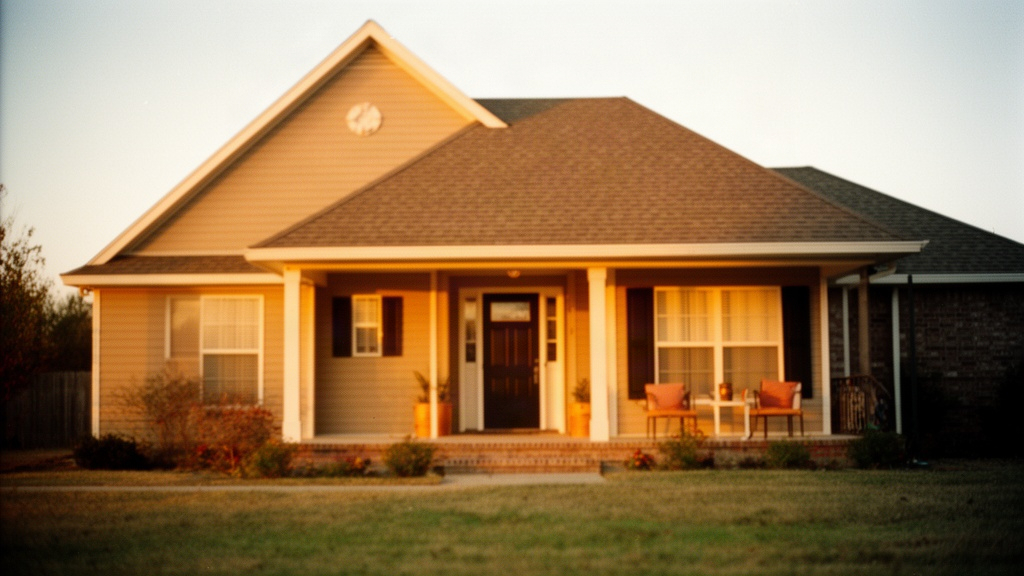
1. What Milwaukee Home Sellers Are Working With Right Now
The Milwaukee seller's market in September 2026 is competitive but not frantic. Median sale prices across the City of Milwaukee sit in the low-to-mid $200,000s for single-family homes, while the broader metro, covering suburbs like Wauwatosa, Shorewood, and Whitefish Bay, pushes median prices into the $300,000 to $450,000 range depending on the neighborhood. Condos in the downtown core and Third Ward typically trade between $250,000 and $500,000, with luxury units running well above that.
Current Prices and Inventory
Active inventory across the Milwaukee metro remains below historical norms, even as listings nationally have climbed. According to HousingWire, active listings nationally surpassed 820,000 in mid-2026, a post-pandemic high, but that inventory rebound is uneven. Milwaukee is among the Midwest metros where supply remains tighter than the national picture suggests, which continues to support seller pricing power in well-maintained properties.
Milwaukee's housing stock is predominantly pre-war and mid-century construction: brick bungalows, two-flats, and Craftsman-style homes built between 1900 and 1960 make up a large share of what sells each month. Buyers know this and factor in mechanicals, windows, and roofs accordingly. Sellers who have kept up with maintenance and can document it are in a noticeably stronger position than those who cannot.
How Milwaukee Compares to the Broader Midwest
Milwaukee consistently outperforms the national average on days-on-market metrics. Research from HousingWire shows that Midwest housing markets have defied national days-on-market trends, with well-priced homes moving faster than coastal and Sun Belt metros. In Milwaukee specifically, correctly priced homes in neighborhoods like Bay View, Riverwest, and the near North Shore suburbs routinely go under contract within one to two weeks. That speed is not automatic: it depends almost entirely on pricing accuracy from day one.
2. Pricing Your Milwaukee Home to Sell
Pricing is the single decision that determines everything else about your sale. Set the number correctly and you attract multiple buyers, limit days on market, and often receive offers at or above list price. Set it too high and the listing sits, accumulates days on market, and eventually sells for less than it would have at the right price from the start.
How Comparable Sales Work in Milwaukee Neighborhoods
A comparative market analysis in Milwaukee looks at closed sales within roughly a half-mile radius over the past 90 days, adjusted for square footage, lot size, bedroom and bathroom count, basement finish, garage type, and condition. Milwaukee's neighborhoods are geographically compact and architecturally consistent within their boundaries, which makes hyper-local comps more reliable than metro-wide averages. A brick bungalow on the South Side does not price the same as an architecturally similar bungalow in Shorewood, even if the square footage matches exactly.
Price per square foot in the City of Milwaukee proper currently ranges from roughly $100 to $175 per square foot for single-family homes, depending heavily on location and condition. In the near-North Shore suburbs, that figure climbs to $200 to $300 per square foot for updated homes. Downtown and Third Ward condos vary widely based on floor, views, and building amenities, so those require a building-specific analysis rather than a neighborhood-wide average.
The Cost of Overpricing in This Market
Milwaukee buyers are well-informed and move quickly when a home is priced right, which means they also notice immediately when it is not. A home priced 5 to 8 percent above market value in this metro typically sits for 30 or more days before the seller reduces the price. By that point, the listing has lost its new-to-market momentum and buyers begin wondering what is wrong with it. The eventual sale price after a reduction often lands below what a correct list price would have generated from the start.
If you are also navigating a purchase while you sell, the pricing decision becomes even more consequential. Roxanne Martens works through that dual-transaction math with sellers regularly, and the starting point is always an accurate list price rather than an aspirational one.
3. The Milwaukee Home Selling Timeline: From Prep to Closing
Selling a home in Milwaukee, Wisconsin typically takes 60 to 90 days from the start of preparation through the closing table, though well-priced homes in high-demand areas can close in 45 days or fewer. Understanding each phase helps sellers avoid surprises and make decisions before they are under pressure.
Pre-Listing Preparation
Pre-listing prep in Milwaukee typically runs two to four weeks for a home in average condition. This phase covers decluttering and deep cleaning, minor repairs (leaky faucets, cracked caulk, sticky doors), fresh interior paint where needed, and professional photography. Homes with older mechanicals benefit from having service records organized and accessible: Milwaukee buyers and their inspectors will ask about the furnace age, water heater, and roof condition on virtually every transaction.
Wisconsin requires sellers to complete a Real Estate Condition Report (RECR) disclosing known material defects before an offer is accepted. Preparing this document honestly and thoroughly protects the seller and prevents post-closing disputes. Roxanne walks sellers through the RECR as part of the listing process so nothing is overlooked.
Days on Market and Offer Stage
Once listed, correctly priced Milwaukee homes typically receive serious inquiries within the first week and offers within 7 to 14 days. Spring (March through May) and early fall (September and October) are historically the most active listing windows in this market, with the highest buyer traffic and strongest sale-to-list price ratios. Summer listings perform well too, particularly in neighborhoods near Lake Michigan like Bay View and the lakefront corridor. The slowest window is mid-December through January, when buyer activity drops noticeably.
Multiple-offer situations remain common for move-in-ready homes priced at or below the $275,000 threshold in the city proper. At higher price points, competition exists but is less intense: buyers in the $350,000 to $500,000 range are often more selective and will walk away from homes that need significant work, even if priced to reflect it. Understanding which segment your home occupies shapes the entire offer strategy.
Under Contract Through Closing
Once you accept an offer, the typical Wisconsin transaction runs 30 to 45 days to closing. The buyer's inspection period in Wisconsin is generally 10 business days from acceptance, during which they can request repairs or credits. After inspection resolution, the lender orders an appraisal, which typically takes 7 to 14 days to schedule and complete. Title work runs concurrently. The final walkthrough happens 24 to 48 hours before closing.
Closings in Wisconsin are handled by title companies rather than attorneys, which keeps the process efficient. Sellers sign their documents at the title company, sometimes a day or two before the buyer's closing date in a split closing arrangement. Proceeds are typically wired to the seller within one business day of the buyer's closing.
4. Seller Costs: What to Budget Before You Net Your Proceeds
Knowing your net proceeds before you list prevents surprises at the closing table. Milwaukee sellers should plan for several categories of costs that reduce the gross sale price to the actual check they receive.
Closing Costs and Commissions
Real estate commissions in Wisconsin are negotiable and vary by transaction, but sellers should budget accordingly when running their net sheet. Beyond commission, sellers in Milwaukee typically pay: the Wisconsin transfer tax (currently $3 per $1,000 of sale price, so $900 on a $300,000 sale), prorated property taxes through the closing date, title insurance for the owner's policy, and any agreed-upon repair credits or concessions negotiated after inspection. These costs combined commonly run 1 to 2 percent of the sale price in addition to commission.
Milwaukee property taxes are assessed by the City of Milwaukee Assessor's Office and are prorated daily at closing. Because Wisconsin property taxes are paid in arrears, sellers typically owe a credit to the buyer covering the portion of the current tax year that has elapsed. On a home with $5,000 in annual taxes, closing in late September means the seller credits the buyer roughly $3,750. Running this number before listing helps sellers set accurate expectations.
Pre-Sale Repairs and Staging
Pre-sale repair and presentation costs in Milwaukee vary widely based on the home's condition and price point. For a typical brick bungalow or ranch in average condition, sellers often spend $1,000 to $4,000 on paint, minor repairs, cleaning, and professional photography. Homes at higher price points, particularly those competing in the $400,000-plus segment against newer construction or extensively renovated properties, may benefit from staging, which runs $1,500 to $4,000 for a full vacant-home stage in this market.
The return on pre-sale investment is not uniform across all repairs. Cosmetic updates like fresh neutral paint and clean, decluttered spaces consistently improve buyer perception and offer strength. Major renovations completed solely to sell rarely return their full cost in Milwaukee's current market. Roxanne helps sellers prioritize which improvements are worth the spend and which are better left as a buyer credit in negotiations.
5. What Buyers in Milwaukee Are Expecting Right Now
Milwaukee buyers in September 2026 are informed, prepared, and often pre-approved before they walk through the door. Understanding what they are looking for, and what will give them pause, is one of the most practical things a seller can do before going to market.
Condition and Presentation Standards
Milwaukee's older housing stock means buyers expect some age, but they distinguish clearly between deferred maintenance and normal wear. A 1940s bungalow with original hardwood floors in good condition, updated mechanicals, and a well-maintained exterior reads as a sound investment. The same home with a visibly failing roof, evidence of moisture in the basement, or outdated electrical panels raises flags that slow or derail transactions.
Presentation quality in listing photos has a measurable impact on showing traffic in Milwaukee. Most buyers start their search online, and homes with professional photography and accurate floor plans generate more showings than those with phone photos and incomplete information. This is especially true for condos in the downtown corridor and the Third Ward, where buyers are comparing multiple units simultaneously and make quick decisions about which ones to tour. For more on the condo-specific process, see the guide on buying a condo in downtown Milwaukee, which covers what buyers in that segment are evaluating.
Inspection and Negotiation Norms
Home inspections are standard on virtually every non-cash transaction in Milwaukee, and buyers typically hire licensed Wisconsin inspectors who produce detailed reports covering structure, mechanicals, electrical, plumbing, and moisture. Sellers should expect inspection requests and approach them as a negotiation rather than a pass/fail test. The most common post-inspection asks in Milwaukee involve older furnaces, water heaters nearing end of life, basement moisture, and knob-and-tube or aluminum wiring in pre-1960s homes.
Sellers have three options when responding to inspection requests: make the repairs before closing, offer a credit at closing, or decline and let the buyer decide. Credits are often the cleaner solution in Milwaukee because they avoid the seller managing contractors on a timeline, and buyers prefer choosing their own repair vendors. The right response depends on the specific item, the buyer's financing type, and how much leverage each side holds at that point in the transaction.
Sellers who are also thinking about what comes next after the sale may find it useful to read about downsizing in Milwaukee or the Bay View real estate market guide if a move within the city is part of the plan.
FAQ
What is the best time of year to sell a home in Milwaukee, Wisconsin?
Spring, specifically March through May, is historically the strongest window for selling a home in Milwaukee. Buyer activity peaks during this period, days on market are shortest, and sale-to-list price ratios are highest. Early fall, including September and October, is the second strongest window and can be advantageous because inventory often drops as sellers who listed in spring have already closed. Mid-December through January is the slowest period, though serious buyers are still active and competition among sellers is minimal. The best time for any individual seller depends on their home's condition, price point, and personal timeline.
How long does it take to sell a home in Milwaukee from listing to closing?
A correctly priced, well-prepared home in Milwaukee typically goes under contract within 7 to 21 days of listing, and the period from accepted offer to closing runs an additional 30 to 45 days. That puts the total timeline from list date to closing at roughly 5 to 10 weeks for a smooth transaction. Adding two to four weeks of pre-listing preparation, the full process from decision to closed sale commonly runs 60 to 90 days. Homes with deferred maintenance, title complications, or pricing adjustments take longer, sometimes 120 days or more.
What seller costs should I expect when selling a home in Milwaukee?
Milwaukee sellers should budget for real estate commission (which is negotiable), the Wisconsin transfer tax of $3 per $1,000 of sale price, prorated property taxes owed to the buyer through closing, owner's title insurance, and any inspection-related repair credits negotiated after the buyer's inspection. Pre-sale costs including cleaning, minor repairs, and professional photography typically add $1,000 to $4,000 depending on the home's condition. Taken together, sellers commonly net 88 to 92 cents on the dollar after all costs, though this varies significantly based on price point, negotiated terms, and the condition of the home at the time of sale.