← Back to Blog
Market Trends
Whitefish Bay, Wisconsin Real Estate Market Guide: Prices, Neighborhoods and Timing
By Roxanne Martens, REALTOR®
Boardwalk Realty · DRE# 110763
September 12, 2026 · 9 min read
If you are researching the Whitefish Bay, Wisconsin real estate market, this guide covers what you actually need to know: current home prices, what the housing stock looks like street by street, how the market behaves across different seasons, and what separates this North Shore village from the broader Milwaukee metro. Whether you are buying, selling, or relocating from out of state, the details here will help you move forward with confidence.
1. What Makes Whitefish Bay a Distinct Market
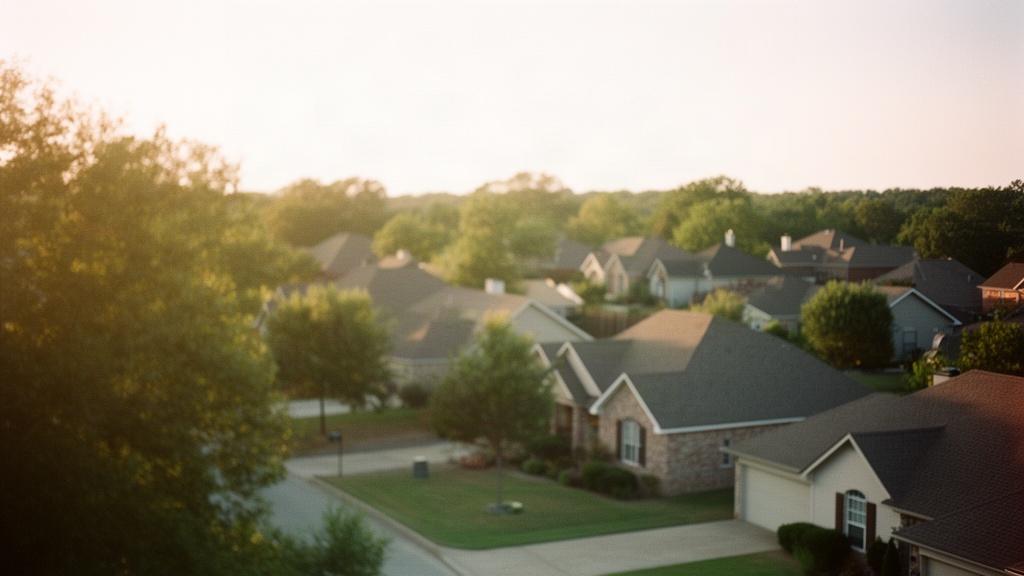
Whitefish Bay is a self-contained village of roughly 14,000 residents sitting directly north of Milwaukee's city limits, bordered by Lake Michigan to the east and Shorewood to the south. Its real estate market behaves differently from the broader Milwaukee metro because it operates within a very small geographic footprint, roughly 3.5 square miles, with virtually no undeveloped land left. That scarcity of supply is the single most important factor shaping prices and competition here.
Geography and Village Scale
The village sits along roughly 1.5 miles of Lake Michigan shoreline, with Silver Spring Drive forming its northern boundary and Hampton Avenue its southern edge. Proximity to the lake shapes everything from lot values to the microclimate. Properties on or near the bluff above the lake command a significant premium, while homes on the western side of the village, closer to North Port Washington Road, typically price lower. The commute to downtown Milwaukee runs about 20 to 25 minutes by car via North Lake Drive or I-43, and the village is served by Milwaukee County Transit System routes that connect directly into the city.
Housing Stock and Architecture
The housing stock in Whitefish Bay is predominantly single-family homes built between 1910 and 1960. Tudor Revival, Colonial, Craftsman bungalow, and Cape Cod styles are common throughout the interior streets. Along the lakefront bluff, you find larger Colonials and Prairie-influenced homes on deeper lots, many with original millwork and stone detailing that has been carefully preserved or restored.
Condominiums and multi-family buildings are concentrated near the Milwaukee Avenue commercial corridor and along a few blocks of Silver Spring Drive. New construction is rare because buildable lots are essentially gone. When a teardown does occur, the replacement home tends to be a custom build that prices at the top of the village's range, often above $1.2 million.
2. Whitefish Bay Home Prices Right Now
As of September 2026, the median sale price for a single-family home in Whitefish Bay sits in the range of $550,000 to $600,000, with significant variation based on lot position, square footage, and condition. The village has seen sustained price appreciation over the past several years, driven by limited inventory and consistent buyer demand from Milwaukee professionals and out-of-state relocators. For the most current transaction data, the Wisconsin REALTORS Association housing market reports publish monthly figures broken down by county and can give you a reliable statewide and regional baseline to compare against.
Median Price and Price Per Square Foot
Price per square foot in Whitefish Bay currently runs between $220 and $310 for most interior single-family homes, depending on updates and lot size. Lakefront and lake-view properties push well above that range, sometimes reaching $400 or more per square foot when the view and lot quality are exceptional. According to data tracked by NeighborhoodScout's Whitefish Bay real estate appreciation data, the village has historically outperformed the national average in long-term appreciation, which matters if you are thinking about resale value over a 5 to 10 year hold.
How Prices Compare Across Property Types
Condominiums and attached units in the village typically price between $275,000 and $450,000, making them the more accessible entry point into the Whitefish Bay market. Two-flat and small multi-family properties are uncommon and tend to sell quickly when they do appear, often attracting buyers who plan to owner-occupy one unit. At the upper end, fully renovated or custom-built single-family homes on the east side of the village, particularly those with lake views or bluff access, regularly close above $900,000 and occasionally above $1.5 million.
3. Neighborhood Features Inside Whitefish Bay
The Whitefish Bay real estate market is not uniform. Prices, lot sizes, and architectural character shift noticeably as you move from east to west across the village. Understanding those differences helps buyers focus their search and helps sellers price accurately.
The Lake Bluff Area
The streets closest to Lake Michigan, including Lake Drive and the blocks immediately west of it, represent the highest price tier in the village. Lots here are often 60 to 100 feet wide with mature tree canopies and homes that sit on bluffs 20 to 40 feet above the shoreline. Klode Park, a 21-acre lakefront park with a beach, volleyball courts, and a paved path along the bluff, anchors the eastern edge of the village and is accessible to all residents. Homes within a few blocks of Klode Park consistently attract the most competitive offers when they come to market.
The Village Center and Milwaukee Avenue Corridor
Milwaukee Avenue runs north-south through the center of the village and serves as its commercial spine. Restaurants, coffee shops, a hardware store, a library branch, and specialty retail line a walkable stretch between Silver Spring Drive and Hampton Avenue. Residential streets within a few blocks of Milwaukee Avenue offer smaller lots and more modest square footage, which translates to lower entry prices, often in the $400,000 to $520,000 range for a well-maintained three-bedroom home.
The Western Residential Streets
West of Santa Monica Boulevard, the character of the housing shifts toward slightly larger lots and more Cape Cod and Colonial ranch-style homes from the 1940s and 1950s. These streets border Glendale and Brown Deer to the north and west, and they tend to price 10 to 20 percent below comparable homes on the village's east side. For buyers who want a Whitefish Bay address with more square footage per dollar, this corridor is worth a close look.
4. Market Conditions and Inventory in September 2026
The Whitefish Bay real estate market currently leans toward sellers, though not as aggressively as it did during the peak competition years of 2021 and 2022. Inventory remains tight by historical standards, and well-priced homes in good condition are still moving faster than the Milwaukee metro average.
Days on Market and List-to-Sale Ratios
As of September 2026, the average days on market for single-family homes in Whitefish Bay is running between 18 and 30 days for correctly priced listings. Homes that are updated, staged well, and priced within 2 to 3 percent of recent comparable sales are frequently receiving multiple offers within the first week. List-to-sale price ratios are hovering near 100 to 103 percent for move-in-ready properties, meaning buyers should expect to pay at or slightly above asking price for the best listings.
What Sellers Are Seeing Right Now
Sellers in Whitefish Bay are generally in a strong position this September, particularly those with updated kitchens, newer mechanical systems, and finished lower levels. Homes that need significant work are sitting longer and sometimes requiring price reductions, which is a shift from two years ago when buyers were absorbing deferred maintenance without hesitation. Pricing strategy matters more now than it did in 2021. Overpricing by even 5 percent can push a listing past the critical first-week window and result in a final sale price below what a well-priced home would have achieved.
What Buyers Should Know Before Offering
Buyers competing in Whitefish Bay right now need to be pre-approved, not just pre-qualified, before they tour homes. Because desirable listings move quickly, having a fully underwritten pre-approval letter and a clear understanding of your walk-away price before you write an offer is essential. Escalation clauses are still being used by buyers on high-demand listings, so work with your agent to understand how to structure one without exposing yourself to unnecessary risk.
If you are also considering nearby communities like Shorewood or Wauwatosa, it helps to compare how those markets are moving. You can read more about the broader Milwaukee-area buying process in the Milwaukee homes buyer's guide on this site.
5. Timing Your Move: When to Buy or Sell in Whitefish Bay
Timing matters in any real estate market, but in a village as small as Whitefish Bay, the seasonal swings in inventory and competition are especially pronounced because the total number of active listings at any given time is low. A shift of even 10 or 15 homes on the market can meaningfully change buyer leverage.
Spring and Summer Patterns
March through July is consistently the most active period in the Whitefish Bay market. More homes come to market, more buyers are actively searching, and the competition for the best listings peaks. For sellers, listing in late March or April tends to produce the most offers and the strongest prices. For buyers, spring means more choices but also more competition; you will likely face multiple-offer situations on any well-maintained home priced under $650,000.
Fall and Winter Opportunities
The fall window, roughly August through October, still sees solid activity in Whitefish Bay, often from buyers who missed out during the spring rush or who are relocating for a job that starts in September or October. November through February brings the lowest inventory and the fewest buyers. Sellers who list in winter are often highly motivated, and buyers who search during those months face less competition, which can create room to negotiate on price or terms that would not have been possible in April.
The right time to move is ultimately determined by your own circumstances, not just the calendar. A skilled local agent can help you read current inventory levels and advise on whether this month or next spring makes more sense for your specific goals.
6. Costs and Taxes Buyers Should Budget For
Beyond the purchase price, buyers in Whitefish Bay need to account for property taxes, closing costs, and any near-term renovation or maintenance expenses. Whitefish Bay sits within Milwaukee County, and property tax rates reflect that. On a home assessed at $550,000, annual property taxes in the village typically run between $9,500 and $12,500 depending on the exact assessed value and the current mill rate, which is set each year by the village, county, and school district.
Wisconsin uses an equalized assessment process, so your tax bill depends on both the assessed value and the local mill rate, not simply the sale price. If you want a detailed breakdown of how property taxes are calculated on homes at various price points across Milwaukee County, the article on property taxes on a $300,000 home in Milwaukee walks through the methodology in plain terms and gives you a framework you can scale up to Whitefish Bay price points.
Closing costs for buyers in Wisconsin typically run 2 to 3 percent of the purchase price. On a $575,000 home, that means budgeting $11,500 to $17,250 on top of your down payment for title insurance, lender fees, prepaid homeowners insurance, escrow setup, and the state transfer tax, which in Wisconsin is $3 per $1,000 of sale price and is typically split between buyer and seller.
Older homes in Whitefish Bay, particularly those built before 1950, may also carry deferred maintenance that shows up in an inspection. Budget for a professional home inspection ($400 to $600 for a typical village home), a sewer scope ($150 to $250), and potentially a radon test. Knob-and-tube wiring and older cast iron plumbing are not uncommon in homes of this era, and understanding what you are inheriting before you close protects you from expensive surprises.
For buyers also considering Bay View or other Milwaukee neighborhoods as alternatives, it is worth comparing price-per-square-foot and tax rates across those markets. The article on Bay View home prices in September 2026 offers a useful point of comparison for buyers weighing North Shore versus city living.
FAQ
Is Whitefish Bay a good place to buy real estate right now in September 2026?
The Whitefish Bay real estate market in September 2026 remains competitive, with limited inventory and sustained demand keeping prices firm. Well-priced, move-in-ready homes are still receiving multiple offers, particularly those priced under $650,000. That said, the market has moderated slightly compared to 2021 and 2022, giving buyers a bit more room to negotiate on homes that have been sitting for more than 30 days. Whether now is the right time depends on your financial position, how long you plan to stay, and what alternatives you are weighing in the broader Milwaukee metro. A local agent who tracks Whitefish Bay specifically can give you a current read on active listings and pending sales before you commit.
How do Whitefish Bay home prices compare to the rest of Milwaukee?
Whitefish Bay prices are substantially higher than the Milwaukee city median, which as of September 2026 runs roughly in the $200,000 to $250,000 range for a single-family home. In Whitefish Bay, the median for a single-family home is closer to $550,000 to $600,000, reflecting the village's lakefront proximity, limited land supply, and well-maintained housing stock. Even condominiums in the village start around $275,000, which is above the median for comparable units in many Milwaukee city neighborhoods. The premium reflects both the physical attributes of the village and the scarcity of available properties at any given time.
What should I look for when buying an older home in Whitefish Bay?
Most homes in Whitefish Bay were built between 1910 and 1960, which means buyers should pay close attention to the age and condition of the electrical system, plumbing, roof, and foundation. Knob-and-tube wiring is present in some of the oldest homes and can affect your ability to obtain homeowners insurance or may require an upgrade before closing. Cast iron drain lines are common and should be scoped to check for root intrusion or deterioration. A thorough home inspection by a licensed Wisconsin inspector is essential, and a sewer scope is strongly recommended for any home built before 1970. Budget for these inspections and factor potential repair costs into your offer price rather than discovering them after closing.