
← Back to Blog
Local Living
What Is the Commute Like from the Wauwatosa Area into Downtown Milwaukee If You Work Downtown?
By Keith Russo
The Russo Realtors Group
September 26, 2026 · 11 min read
If you are weighing a move to Wauwatosa and you work downtown, the commute question is probably one of the first things on your mind. The good news: the commute from the Wauwatosa area into downtown Milwaukee is one of the more manageable suburban runs in the metro, typically landing between 15 and 30 minutes by car depending on where you live in Wauwatosa and what time you leave. This guide breaks down drive times, transit options, parking costs, and what the day-to-day reality looks like so you can make a genuinely informed housing decision.
1. How Far Is Wauwatosa from Downtown Milwaukee?
Wauwatosa sits roughly 7 to 10 miles west of downtown Milwaukee, depending on your exact address. That puts it closer to the core than many Milwaukee suburbs, which is a meaningful advantage for anyone commuting five days a week. The city of Wauwatosa shares its eastern border with the city of Milwaukee, and from the eastern edge of Wauwatosa near the Milwaukee County Research Park and the Mayfair Road corridor, you are already inside Milwaukee's western neighborhoods within minutes.
The Geography in Plain Terms
Downtown Milwaukee, for commuting purposes, generally means the area bounded by the lakefront to the east, the Menomonee River valley to the south, and roughly 6th Street to the west. The central business district, the Third Ward, and the area around Wisconsin Avenue and Water Street are the main employment hubs. From the heart of Wauwatosa, near the historic Wauwatosa Village on North Avenue, that core is about 8 miles by road.
Which Part of Wauwatosa You Live In Matters
Wauwatosa is not a single uniform neighborhood. The city stretches from its eastern border near 60th Street all the way west to roughly 124th Street, and from Capitol Drive in the north down to the Menomonee River Parkway in the south. If you live in the eastern sections near Underwood Creek or the Hart Park area, you are already close to the I-894 and I-43 interchange and can reach downtown in 15 minutes on a clear morning. If you live in the far western sections near the Wauwatosa border with Brookfield, add another 5 to 10 minutes.
For a broader look at how Wauwatosa's neighborhoods are laid out and what each area offers in terms of housing and amenities, Redfin's Wauwatosa city guide provides a useful overview of the city's general character and housing mix.
2. What Is the Commute Like by Car from Wauwatosa to Downtown Milwaukee?
By car, the commute from Wauwatosa to downtown Milwaukee typically runs 15 to 25 minutes during standard morning rush hour, and 20 to 35 minutes on heavier traffic days. Those numbers hold for departures between 7:00 and 8:30 a.m. on weekdays. If you leave before 6:45 a.m. or after 9:00 a.m., you can often cut those times down noticeably. Milwaukee's traffic volume is moderate compared to cities like Chicago or Minneapolis, which works in Wauwatosa commuters' favor.
Morning Rush Hour Reality
The busiest stretch of the morning drive is typically the I-894 and I-43 merge near the Marquette Interchange, which is where westbound and northbound freeway traffic converges just before downtown. That interchange, near the intersection of I-43 and I-94, handles a significant volume of regional commuter traffic every weekday morning. Slowdowns here are common between 7:30 and 8:30 a.m., but they rarely add more than 10 to 15 minutes to the overall trip from Wauwatosa.
One practical detail worth knowing: the Marquette Interchange reconstruction work that shaped downtown Milwaukee's freeway grid for years is long complete, so the interchange itself is no longer a construction bottleneck. What you are dealing with now is ordinary volume-based congestion, which is predictable and manageable with a consistent departure time.
The Best Routes to Take
There are three main route options from Wauwatosa to downtown, and the right one depends on where in Wauwatosa you are starting from.
I-894 to I-43 North into downtown. This is the most common freeway route for Wauwatosa residents living in the central or southern parts of the city. You pick up I-894 near the Bluemound Road or Greenfield Avenue interchange, merge onto I-43 northbound at the Marquette Interchange, and exit near Wisconsin Avenue or St. Paul Avenue depending on where downtown you are headed. Total distance is about 9 miles from central Wauwatosa.
Bluemound Road surface route. Bluemound Road runs directly east from Wauwatosa into Milwaukee and eventually connects to the downtown grid near the Medical College of Wisconsin area and then continues east toward the lakefront. This route works well on lighter traffic days or if your office is in the western edge of downtown or near the Milwaukee County Medical Complex on the border of Wauwatosa and Milwaukee. It runs about 7 to 8 miles and takes 20 to 30 minutes during rush hour because you are hitting surface signals.
North Avenue or Wisconsin Avenue surface streets. For Wauwatosa residents in the northern sections of the city near the Wauwatosa Village area or along the Menomonee River Parkway, heading east on North Avenue or Wisconsin Avenue into Milwaukee and then south into downtown is a viable option. These are fully signalized corridors that move steadily during off-peak hours, though they slow during the 7:30 to 8:30 a.m. window.
Evening Drive Home
The evening commute from downtown back to Wauwatosa is generally comparable to the morning run, running 20 to 30 minutes between 4:30 and 6:00 p.m. The direction of travel works in your favor: you are heading west out of downtown while the heaviest inbound traffic is still moving east and north. The I-43 to I-894 westbound ramp near the Marquette Interchange sees some backup between 4:45 and 5:45 p.m., but it clears reliably by 6:15 p.m. most days.
3. Taking the Bus: MCTS Transit Options from Wauwatosa
Milwaukee County Transit System (MCTS) operates bus service between Wauwatosa and downtown Milwaukee, and it is a genuinely usable option for commuters who prefer not to drive every day. The transit connection is not as fast as driving, but it eliminates parking costs and lets you use your commute time productively.
Which Routes Serve Wauwatosa Commuters
The MCTS Route 30 (Bluemound) is the primary east-west corridor connecting Wauwatosa to downtown Milwaukee. It runs along Bluemound Road, picks up riders at multiple stops throughout Wauwatosa, and terminates near the downtown transit center. Route 10 (Wisconsin Avenue) is another useful corridor, running along Wisconsin Avenue from Wauwatosa eastward into the heart of downtown. Both routes operate on weekday schedules with peak-hour frequency.
MCTS also operates the GoldLine Bus Rapid Transit (BRT) route, which runs along Bluemound Road and Wisconsin Avenue with limited stops and faster travel times than the local routes. The GoldLine connects the Wauwatosa area to the Milwaukee Intermodal Station downtown, which is near the intersection of St. Paul Avenue and 4th Street. For updates on current MCTS service schedules and any route changes, Urban Milwaukee's MCTS coverage tracks service announcements and changes as they happen.
What the Ride Actually Looks Like
By bus, the trip from central Wauwatosa to downtown Milwaukee takes approximately 35 to 50 minutes on the local routes, and closer to 25 to 35 minutes on the GoldLine BRT depending on boarding location. That is longer than driving, but for commuters who work near Wisconsin Avenue, the Third Ward, or the Milwaukee Intermodal Station area, the bus drops you very close to the office without the hassle of parking. MCTS fares as of September 2026 are $2.25 per ride, with monthly passes available for regular commuters.
One underused option worth knowing: several Wauwatosa employers near the Milwaukee County Research Park and the Froedtert Health campus participate in transit subsidy programs that reduce or eliminate the cost of a monthly MCTS pass. If your employer is based in Wauwatosa but you are considering a job change downtown, it is worth asking your new employer whether they offer a transit benefit.
4. Parking, Costs, and Practical Logistics for Downtown Workers
Parking is one of the real costs of commuting into downtown Milwaukee by car, and it is worth factoring into your total housing budget calculation when comparing Wauwatosa to other suburbs. Downtown Milwaukee has a mix of surface lots, structured parking ramps, and employer-provided parking, and costs vary significantly depending on location and contract type.
Downtown Parking Options and Monthly Costs
Monthly parking contracts in downtown Milwaukee's structured ramps generally run between $90 and $180 per month as of September 2026, depending on the ramp location and whether it is indoor or surface. Ramps in the core of the central business district near Wisconsin Avenue and Water Street tend to be at the higher end of that range. Surface lots slightly further from the core, near the Menomonee River valley or the western edge of downtown, often come in at the lower end. Daily rates for uncontracted parking typically run $10 to $20 per day.
Many downtown Milwaukee employers, particularly larger companies in the financial, healthcare, and legal sectors, offer employer-subsidized parking or include a parking spot as part of the compensation package. If your employer does not cover parking, a monthly contract at a nearby ramp is almost always cheaper than paying daily rates. It is a cost worth negotiating before your start date.
Biking and Alternative Options
The Hank Aaron State Trail connects the Menomonee River Parkway, which runs along the southern edge of Wauwatosa, eastward into the Menomonee River valley and eventually into downtown Milwaukee. The trail is paved and well-maintained, and the on-trail distance from the Wauwatosa section near 68th Street to the downtown endpoint near the Miller Park area and then into the Third Ward runs approximately 8 to 10 miles. For commuters who bike, this is a legitimate car-free option during spring, summer, and fall months. Bike commute time from eastern Wauwatosa to downtown runs roughly 35 to 50 minutes depending on pace.
Bublr Bikes, Milwaukee's bike-share system, also has stations in Wauwatosa and throughout downtown, giving commuters a flexible option for the last mile of a transit trip or for occasional car-free days without needing to bring a personal bike.
5. How the Commute Factors Into Buying a Home in Wauwatosa
Understanding the commute from Wauwatosa to downtown Milwaukee is only half the picture. The other half is what you get for your housing dollar in Wauwatosa compared to living closer to downtown, and whether the trade-off makes sense for your situation.
Wauwatosa Housing Prices and What You Get
As of September 2026, median home prices in Wauwatosa are running in the range of $310,000 to $380,000 for single-family homes, with considerable variation by neighborhood and condition. That price range gets you a lot of house in Wauwatosa: most of the housing stock consists of well-built brick and frame homes from the 1920s through the 1950s, with deep lots, mature trees, and garages. The Wauwatosa Village area around Hart Park features bungalows and Tudor-style homes on tree-lined streets. The areas near Tosa Village and along the Menomonee River Parkway include larger Colonials and Cape Cods. Newer construction and updated ranches are scattered throughout the western sections of the city.
For context on how Wauwatosa pricing compares to Milwaukee's broader market right now, the average home price breakdown for Milwaukee in September 2026 on this site covers the metro-wide numbers in detail.
Compared to buying a condo downtown, where prices for a one- or two-bedroom unit in a newer building often start at $280,000 and climb well past $500,000 for larger or higher-floor units, a Wauwatosa single-family home offers significantly more square footage and outdoor space for a comparable or lower price. If you are weighing that specific trade-off, the guide to buying a condo in downtown Milwaukee walks through what downtown condo ownership actually involves.
Neighborhoods Closest to the Freeway
If minimizing drive time is a priority, the eastern sections of Wauwatosa closest to the I-894 on-ramps give you the fastest access to the freeway grid. The neighborhoods near Underwood Creek Parkway, the area around 68th and North Avenue, and the blocks near the Mayfair Road corridor all sit within a few minutes of the I-894 interchange at Bluemound Road or the I-43 access points further north. Homes in these areas tend to be priced competitively within the Wauwatosa market because they are on the city's eastern edge, which means you often get more house for your dollar while also shaving time off the commute.
If you are also considering other inner-ring suburbs with similar commute profiles, it is worth comparing Wauwatosa to communities like Shorewood and Whitefish Bay, which sit north of Milwaukee along the lakefront. Those suburbs have their own commute dynamics and housing stock. The guide to buying a home in Shorewood and the overview of buying in Whitefish Bay offer useful comparison points if you are still deciding which suburb fits your commute and lifestyle best.
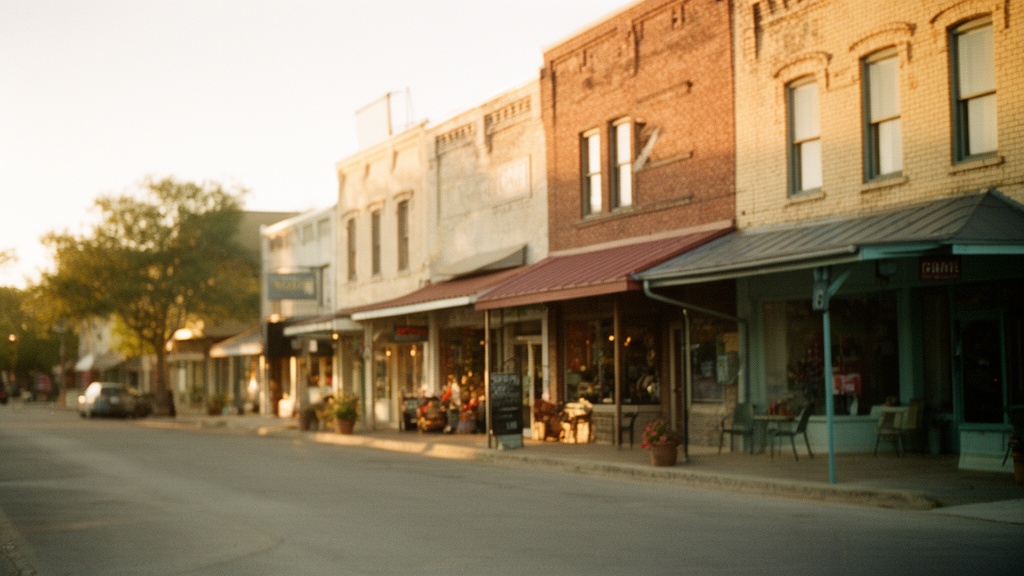
One thing that often surprises people relocating to the Milwaukee area: Wauwatosa is not just a pass-through suburb. It has its own walkable commercial district in the Wauwatosa Village area along Harwood Avenue, with independent restaurants, coffee shops, and retail within walking distance of the surrounding residential blocks. The Menomonee River Parkway offers paved trails along the river corridor. Hart Park includes athletic fields, an outdoor pool, and a golf course. These amenities reduce the need to drive into Milwaukee for everyday errands or weekend activity, which matters when you are already commuting into the city during the week.
If you are in the process of relocating to the Milwaukee area more broadly and are still figuring out which suburb or neighborhood fits your work and housing needs, the Milwaukee relocation guide on this site covers the wider metro picture.
FAQ
How long does it take to drive from Wauwatosa to downtown Milwaukee during rush hour?
During weekday morning rush hour, the drive from central Wauwatosa to downtown Milwaukee typically takes 15 to 25 minutes via I-894 and I-43. Heavier traffic days, particularly when there are incidents near the Marquette Interchange, can push that to 30 to 35 minutes. Leaving before 6:45 a.m. or after 9:00 a.m. usually gets you downtown in 12 to 18 minutes. The evening commute westbound from downtown to Wauwatosa runs similarly, with the 4:45 to 5:45 p.m. window being the busiest. Overall, Wauwatosa is one of the shorter suburban commutes in the Milwaukee metro.
Is there bus service from Wauwatosa to downtown Milwaukee?
Yes, Milwaukee County Transit System (MCTS) operates several routes connecting Wauwatosa to downtown Milwaukee, including Route 30 along Bluemound Road and the GoldLine Bus Rapid Transit route along Bluemound Road and Wisconsin Avenue. The GoldLine makes limited stops and delivers riders to the Milwaukee Intermodal Station downtown in approximately 25 to 35 minutes from central Wauwatosa stops. Local routes take 35 to 50 minutes. As of September 2026, a single MCTS fare is $2.25, with monthly pass options available for regular commuters. The bus is a practical option for workers whose offices are near Wisconsin Avenue or the downtown transit center.
What are home prices like in Wauwatosa compared to living downtown?
As of September 2026, median single-family home prices in Wauwatosa run approximately $310,000 to $380,000, with variation depending on neighborhood, size, and condition. That price range typically gets you a detached home with a garage, a yard, and the architectural character of Milwaukee's inner-ring brick housing stock from the 1920s through the 1950s. By comparison, condos in downtown Milwaukee's newer buildings often start at $280,000 for smaller units and climb past $500,000 for larger or better-located units, without the outdoor space or square footage of a Wauwatosa home. For many downtown workers, the 15 to 25 minute commute from Wauwatosa represents a worthwhile trade-off for the additional space and value.