← Back to Blog
Selling
Downsizing in Virginia Beach, Virginia: Options, Costs and Timing
By Sara Smith
September 14, 2026 · 12 min read
Downsizing in Virginia Beach, Virginia is known for being more nuanced than simply trading a large house for a smaller one. Whether you are moving from a four-bedroom colonial in Great Neck to a two-bedroom condo near the Oceanfront, or shifting out of a Chesapeake Beach ranch into a maintenance-free townhome, the decisions around options, costs, and timing can feel overwhelming. This guide breaks all of it down so you can move forward with clarity.
1. What Downsizing in Virginia Beach Actually Looks Like
Downsizing in Virginia Beach, Virginia is known for offering more variety than most coastal markets. The city spans roughly 249 square miles, and the housing stock shifts dramatically depending on which corridor you are in. That range actually works in your favor when you are looking to shed square footage without sacrificing location or lifestyle.
The Local Housing Stock You Are Working With
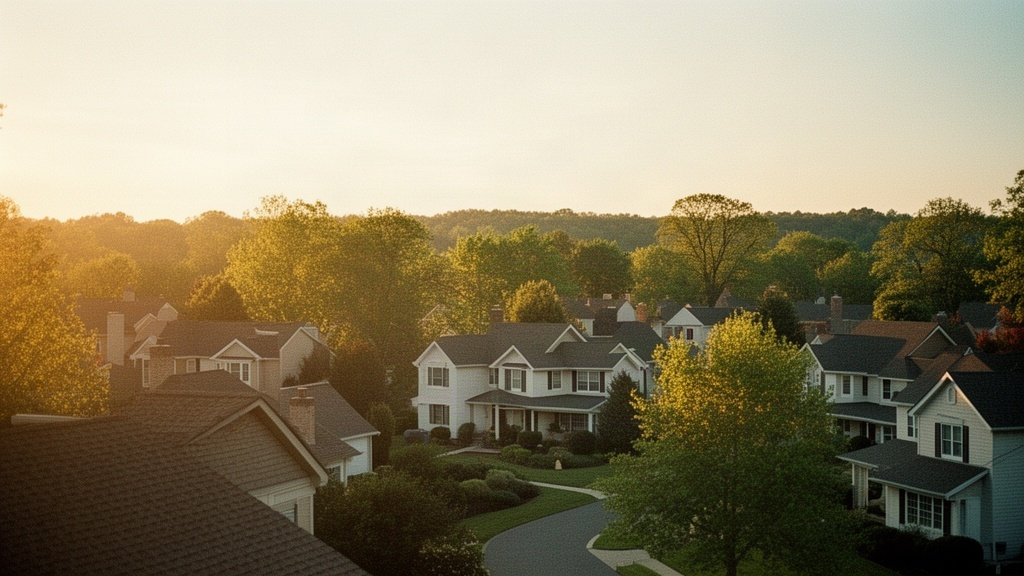
Most people downsizing in Virginia Beach are starting from a detached single-family home. The city's suburban neighborhoods, including Kempsville, Courthouse Estates, and Great Neck, are filled with three and four-bedroom homes built primarily between the 1960s and the 1990s, typically ranging from 1,800 to 2,800 square feet on lots of a quarter acre or more. These are the homes that are being vacated as households shrink and maintenance demands grow.
The destination homes, meaning the smaller properties downsizers are moving into, are spread across a wide geography. Condos cluster near the Oceanfront corridor along Atlantic Avenue and Pacific Avenue, in the mid-rise buildings that sit within walking distance of the beach. Townhomes and patio homes are concentrated in areas like Hilltop, Red Mill, and the newer developments in the southern part of the city near Sandbridge Road. Active adult communities occupy pockets throughout the city, particularly in the central and western sections.
Common Downsizing Paths in Virginia Beach
The most common pattern Sara Smith sees among downsizers in Virginia Beach is selling a suburban detached home and purchasing either a condo or a townhome in a lower-maintenance community. A second common path is selling a larger home and renting temporarily while searching for the right smaller property, which gives buyers more negotiating flexibility. A third path, growing in popularity in 2026, is purchasing in one of the newer active adult communities that have come online in the past few years.
For a broader view of how the Virginia Beach market is structured and where prices sit across different neighborhoods, the Virginia Beach Real Estate Market Guide on this site is a useful starting point before you begin narrowing your search.
2. Your Housing Options When Downsizing in Virginia Beach
Virginia Beach offers four distinct categories of smaller housing that downsizers typically choose from, each with its own trade-offs on price, maintenance, and location.
Condos and Attached Homes
Condos are the most abundant smaller-unit option in Virginia Beach. As of September 2026, condo prices in Virginia Beach range broadly depending on location. Units in older mid-rise buildings along the Oceanfront corridor, particularly in the stretch from 15th Street to 40th Street, are priced roughly between $280,000 and $600,000 depending on floor, views, and building age. Newer or renovated units in buildings with amenities like pools, fitness centers, and covered parking push closer to $700,000 and above.
Inland condos, such as those in the Hilltop area near First Colonial Road or in Kempsville, run considerably lower, often between $175,000 and $310,000 for a two-bedroom unit. The trade-off is that you give up walkable beach access but gain proximity to grocery stores, medical offices, and major routes like I-264 and Virginia Beach Boulevard. Condo fees in Virginia Beach vary widely: expect anywhere from $250 to $700 per month depending on the building's age, amenities, and reserve fund health.
If the Oceanfront area is on your radar, the detailed breakdown in Buying a Home in the Oceanfront Area of Virginia Beach covers the full process, costs, and timeline specific to that corridor.
Townhomes and Patio Homes
Townhomes are a middle-ground option that many downsizers find appealing. You get more square footage than a condo, typically 1,200 to 1,800 square feet, without the full exterior maintenance burden of a detached home. Virginia Beach has a large inventory of townhomes built in planned communities throughout the 1990s and 2000s, concentrated in areas like Red Mill Farm, Strawbridge, and the communities along Dam Neck Road near the southern part of the city.
Patio homes, which are single-story attached units with small private yards, are particularly practical for anyone who wants to eliminate stairs entirely. These are less common than townhomes but do appear in several established communities in central Virginia Beach. Townhome prices currently run from about $300,000 to $480,000 depending on size, age, and community. HOA fees on townhome communities typically fall between $100 and $350 per month.
Active Adult and 55-Plus Communities
Virginia Beach has a growing inventory of age-restricted communities, and this segment has expanded noticeably in 2026. These communities typically offer single-story homes or attached units with community clubhouses, fitness facilities, and organized social programming. Lawn care and exterior maintenance are usually included in the HOA fee, which is a major draw for people leaving larger homes where yard work has become burdensome.
Prices in active adult communities in Virginia Beach currently range from approximately $350,000 to $600,000 for new or recently built units, with HOA fees that can run from $200 to $500 per month depending on the level of amenities. Some communities include lawn care, trash, and exterior insurance in that fee, which meaningfully reduces the true cost comparison against a detached home. For a look at what new construction is available right now, the New Construction and Master-Planned Communities in Virginia Beach guide covers the current development pipeline.
Single-Family Ranches and Cottages
Some downsizers are not looking for a condo or a community. They simply want a smaller detached home with no shared walls and no HOA. Virginia Beach has a solid inventory of single-story ranch-style homes, particularly in older neighborhoods in the central and western parts of the city. These homes, often built in the 1960s and 1970s, typically run 1,000 to 1,600 square feet and are priced between $280,000 and $420,000 depending on lot size, condition, and location.
The appeal here is simplicity: no HOA rules, no shared amenities fees, and full control over the property. The trade-off is that all exterior maintenance remains your responsibility. For buyers who want to stay in the Chesapeake Beach corridor, the Chesapeake Beach Real Estate Market Guide covers the specific inventory and price ranges in that part of the city.
3. The Real Costs of Downsizing in Virginia Beach
The financial picture of downsizing involves more than just the price difference between your current home and your next one. There are transaction costs on both sides of the move, and ongoing cost changes that play out over years.
Selling Costs on Your Current Home
When you sell a home in Virginia Beach, the costs that come off your proceeds include the real estate commission, Virginia transfer taxes, any agreed seller concessions, and any pre-listing repairs or staging. In Virginia, the deed transfer tax is $0.25 per $100 of the sale price, and the grantor's tax is $0.50 per $500 of the sale price. On a $500,000 sale, those taxes alone add up to roughly $2,250.
Pre-listing repairs and updates are often the cost that surprises sellers most. A home that has been lived in for 20 or 30 years may need fresh paint, updated fixtures, HVAC service, and minor landscaping before it is market-ready. Budgeting $5,000 to $15,000 for pre-listing preparation is realistic for most Virginia Beach homes in this category. The Selling a Home in Virginia Beach guide on this site walks through the full pricing and timeline process in detail.
Buying Costs on Your Next Home
Closing costs as a buyer in Virginia typically run 2 to 3 percent of the purchase price. On a $350,000 condo purchase, that is $7,000 to $10,500 in closing costs, which includes lender fees if you are financing, title insurance, prepaid property taxes, and homeowner's insurance escrow. If you are purchasing with cash, the lender-related fees drop out, but title and settlement costs remain.
Property taxes in Virginia Beach are calculated based on assessed value at a rate of $1.0273 per $100 of assessed value as of 2026. A smaller home assessed at $350,000 would carry an annual property tax bill of approximately $3,596, compared to roughly $5,137 on a home assessed at $500,000. That difference of around $1,500 per year is meaningful over time. For a full explanation of how Virginia Beach property taxes work, the Property Taxes in Virginia Beach guide covers the calculation method and exemptions available to homeowners.
Ongoing Cost Changes to Expect
Monthly costs after downsizing depend heavily on which type of property you move into. A condo with a $400 monthly HOA fee may seem expensive compared to a detached home with no HOA, but that fee often covers water, trash, exterior insurance, grounds maintenance, and building reserves, costs you were already paying separately. Running a true side-by-side comparison of your current monthly housing costs against the projected costs of your target property is an essential step before making a decision.
Utility costs also drop meaningfully with square footage. A 2,400-square-foot home in Virginia Beach might carry $200 to $280 in monthly electricity costs during summer months due to air conditioning demand. A 1,100-square-foot condo in the same climate typically runs $90 to $150 per month. Over a year, that difference can represent $1,200 to $1,500 in savings. Heating costs in winter follow a similar pattern, though Virginia Beach's mild winters keep heating bills relatively modest compared to markets further north.
4. Timing Your Downsizing Move in Virginia Beach
Timing matters both for the sale of your current home and the purchase of your next one. In Virginia Beach, those two timelines do not always align perfectly, and understanding the current market rhythm helps you plan around that gap.
What the September 2026 Market Looks Like
As of September 2026, Virginia Beach remains a market with constrained inventory relative to demand. The median home price in Virginia Beach is currently sitting above $400,000 for detached single-family homes, which means sellers of larger suburban homes are in a position of strength. Homes that are priced correctly and presented well are still moving within two to three weeks of listing in most price ranges. For the most current days-on-market data, the Days on Market in Virginia Beach guide for September 2026 has the latest figures.
The condo and smaller home segment has seen more inventory come to market in 2026 than in prior years, which gives buyers of smaller properties slightly more negotiating room than they had in 2024 and 2025. That dynamic is particularly useful for downsizers: you may be selling from a position of strength and buying with a bit more leverage, which is the most favorable combination possible.
When to List and When to Buy
Spring, specifically March through May, is historically the highest-traffic listing season in Virginia Beach. Homes listed in that window tend to attract more showings and stronger offers. However, September can also be productive: the summer tourist traffic has cleared, serious buyers are active, and competition from other sellers often drops. Listing in September 2026 puts you ahead of the typical fall slowdown that tends to set in after November.
One practical approach that works well in Virginia Beach is to list your current home first, negotiate a 60 to 90-day closing period, and use that window to identify and go under contract on your next property. This requires coordination and a clear plan, but it avoids the financial pressure of carrying two mortgages simultaneously. According to Downsizing Insights' complete guide for seniors in Virginia Beach, planning the sequence of your move carefully is one of the most important factors in a smooth transition.
5. Practical Steps to Prepare for Downsizing in Virginia Beach
The logistics of downsizing are often underestimated. Beyond the real estate transaction itself, there is a physical and emotional process of right-sizing your possessions, preparing your home for market, and navigating the gap between closing on one property and settling into another.
Decluttering and Right-Sizing Your Belongings
Moving from a 2,600-square-foot home into a 1,200-square-foot condo means roughly half of your furniture and stored items need a new destination. Starting this process six months before your target listing date is not excessive. Virginia Beach has several estate sale companies and consignment furniture dealers that can help you liquidate larger pieces. The Lynnhaven area and the Pembroke corridor both have consignment and resale options that move furniture quickly.
Storage units are a common bridge solution in Virginia Beach. The city has numerous climate-controlled storage facilities, particularly along Virginia Beach Boulevard and in the central corridor near Kempsville. Monthly rates for a 10-by-10 climate-controlled unit currently run approximately $120 to $180 per month, which is a reasonable temporary expense when you are in transition.
Getting Your Current Home Ready to Sell
Homes that have been lived in for many years often need attention in a few predictable areas before going to market. In Virginia Beach's humid coastal climate, HVAC systems, roof condition, and any wood that is exposed to moisture are the first things buyers and inspectors scrutinize. A pre-listing inspection, which typically costs $350 to $500 in Virginia Beach, can surface issues before they become negotiating leverage for a buyer.
Cosmetic updates tend to yield strong returns in Virginia Beach's market. Fresh interior paint in neutral tones, updated light fixtures, and professionally cleaned carpets or refinished hardwood floors consistently improve buyer perception. These updates typically cost between $3,000 and $8,000 combined and can meaningfully shorten the time your home sits on the market.
Navigating the Bridge Between Selling and Buying
The gap between closing on your sale and closing on your purchase is the logistical challenge most downsizers underestimate. Several strategies work well in Virginia Beach. First, negotiate a rent-back agreement with your buyer, allowing you to remain in your home for 30 to 60 days after closing while you finalize your next purchase. Second, arrange a short-term furnished rental in Virginia Beach, which is feasible given the city's large short-term rental inventory near the Oceanfront and in the Hilltop area. Third, if family is nearby, a temporary stay can bridge the gap without added expense.
Sara Smith has helped numerous Virginia Beach homeowners coordinate this sequencing, and the key in every case is starting the conversation with your agent well before you are ready to list. The earlier you map out the timeline, the more options you have. For broader context on how the NAR approaches the conversation around downsizing decisions, NAR Realtor Magazine's guidance on talking through downsizing is a useful resource for framing the decision.
FAQ
How much equity can I expect to free up by downsizing in Virginia Beach?
The amount depends on the price gap between your current home and your target property, minus transaction costs on both sides. As of September 2026, a homeowner selling a $520,000 detached home in Virginia Beach and purchasing a $340,000 condo could potentially free up roughly $150,000 to $170,000 after accounting for selling costs, closing costs on the purchase, and any pre-listing preparation expenses. If you have paid down a significant portion of your mortgage or own your home outright, the equity release is even larger. Running the exact numbers with a local agent before listing gives you a clear picture of what you are working with.
Are there property tax exemptions in Virginia Beach for older homeowners who downsize?
Virginia Beach does offer a real estate tax relief program for qualifying homeowners who meet age and income thresholds. As of 2026, the program is available to homeowners who are 65 or older, or permanently and totally disabled, and who meet income and net worth limits set by the city. The exemption can reduce or eliminate your annual property tax bill on your primary residence. You would apply through the Virginia Beach Commissioner of the Revenue's office, and eligibility is reassessed annually. The Property Taxes in Virginia Beach guide on this site explains how the base tax calculation works if you want to understand your starting point before factoring in any exemption.
What is the biggest mistake people make when downsizing in Virginia Beach?
The most consistent mistake Sara Smith sees is underestimating the timeline. Many homeowners assume they can list, sell, find a smaller property, and close within 60 days. In practice, the full process, from pre-listing preparation through closing on the new home, typically takes four to six months when done without unnecessary pressure. Rushing the sale can mean accepting a lower offer; rushing the purchase can mean settling for a property that is not the right fit. Starting earlier than feels necessary is almost always the right call, and having a clear plan for the gap between your two closings before you list makes the entire process significantly less stressful.