
← Back to Blog
Selling
Selling a Home in Mason, OH: What Sells Homes the Fastest Once They Hit the Market
By Sarah Mitch
Luxury Properties
September 27, 2026 · 11 min read
Selling a home in Mason, OH moves quickly when you get the first week right. Homes that are priced correctly and prepared well are the ones that sell the fastest once they hit the market, often within days rather than weeks. This guide covers the pricing strategy, realistic timeline, and step-by-step process you should expect from list date through closing in Mason's current market.
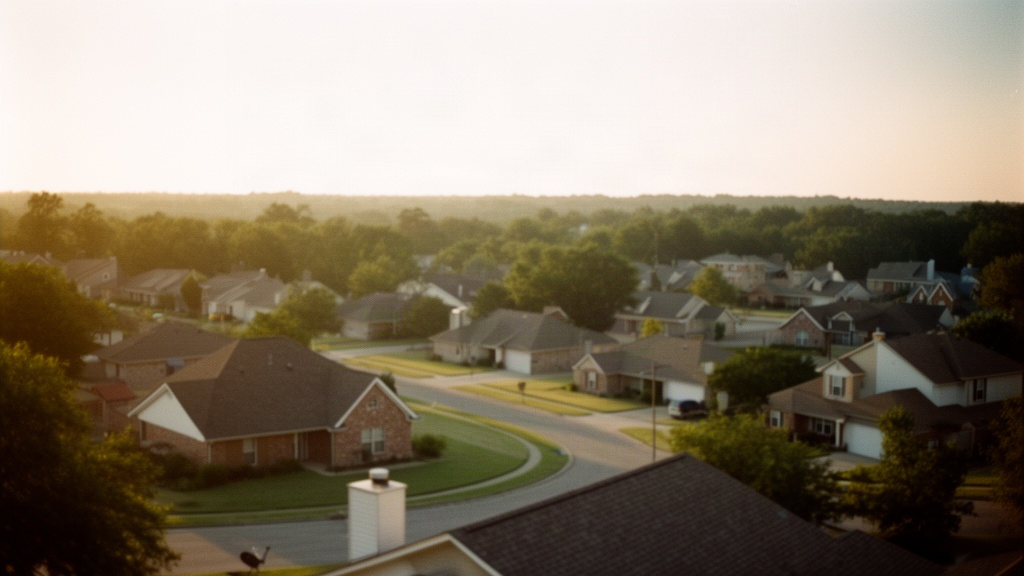
1. How Mason, OH Homes Move Once Listed
Homes in Mason, OH that are priced and prepared correctly sell fast, typically within the first seven to fourteen days of hitting the market. That speed is not accidental. It is the result of specific decisions made before the listing goes live on the MLS, and understanding those decisions is what separates sellers who close quickly at strong prices from those who watch their days-on-market number climb.
What the Current Market Looks Like
As of September 2026, Mason remains one of the more active residential markets in Warren County. Detached single-family homes in established subdivisions like Landen, Springboro Pike corridors, and the streets surrounding Kings Island Road continue to draw consistent buyer interest. Median sale prices for single-family homes in Mason have been running in the low-to-mid $400,000s for mid-range inventory, with well-maintained four-bedroom colonials in subdivisions like Deerfield Township pushing into the $500,000s. Townhomes and attached villas, which are common near the Fields Ertel interchange and along Western Row Road, have been trading closer to the $280,000 to $350,000 range.
Inventory in Mason tightened noticeably through 2025 and into 2026, which means buyers are competing for a smaller pool of available homes. That dynamic rewards sellers who price accurately from day one, because motivated buyers are watching new listings closely and move quickly when something hits the market at a number that makes sense. For more context on where Mason's broader market stands right now, the Mason, OH real estate market guide covers pricing trends and neighborhood-level data in detail.
Why the First Week Is Everything
The first seven days after a Mason home goes live on the MLS generate more buyer traffic than any other period in the listing cycle. Buyers who have been searching for weeks or months have saved searches set up on Zillow, Realtor.com, and other platforms. The moment your home appears, they get an alert. That surge of interest is your best window for receiving multiple offers, and it only happens once. If the price is wrong or the photos are weak, that window closes without producing an offer, and the listing begins to age.
A home that sits on the market in Mason for more than three to four weeks starts to carry a stigma with buyers. Buyers and their agents begin to wonder what is wrong with it, even when the answer is simply that it was overpriced at launch. Avoiding that situation entirely is a matter of preparation, and it starts with pricing.
2. Pricing Strategy: The Single Biggest Factor in Speed
Price is the most powerful lever a seller controls, and getting it right is what sells homes the fastest once they hit the market in Mason. A well-priced home attracts multiple buyers simultaneously, creating the kind of competitive offer environment that can push the final sale price above list. An overpriced home does the opposite: it repels buyers, sits, and eventually sells for less than it would have at the right price from the start.
How to Find the Right List Price
A comparative market analysis (CMA) is the foundation of any pricing conversation. A CMA looks at homes that have sold in Mason within the past ninety days that are similar in square footage, bedroom and bathroom count, lot size, age, and condition. For a four-bedroom colonial in a subdivision off Snyder Road or near the Mason Community Center, comparable sales might include homes in Landen, Deerfield Township, or sections of Kings Mills Road. The CMA produces a defensible price range, not a single number, and your list price should sit within that range based on how your home's condition and upgrades compare to the comps.
Appraisers who work for buyers' lenders use the same methodology. If you price your home above what the comps support, the appraisal will likely come in low, and the deal will either fall apart or require a price reduction anyway. Pricing accurately from day one avoids that scenario and keeps the transaction moving smoothly toward closing.
The Cost of Overpricing in Mason
Overpricing is the most common reason Mason homes sit on the market longer than necessary. When a home is listed at $30,000 or $40,000 above what the market supports, buyers who can afford it are comparing it to other homes in that higher price bracket and finding better value elsewhere. Meanwhile, buyers who would love the home at the right price are not even seeing it in their search results because it falls outside their filtered range. The result is low showings, no offers, and a price reduction that signals to the market that the seller was unrealistic.
Data consistently shows that homes requiring price reductions sell for less than they would have at the correct original list price. In Mason's market, where buyers are active and inventory is limited, a well-priced home simply does not need to reduce. If you are weighing whether to list now or wait, the article on selling in September 2026 versus waiting until spring walks through the timing tradeoffs in detail.
3. Preparing Your Home to Sell Fast in Mason
Preparation and presentation work alongside pricing to determine how fast a Mason home sells once it hits the market. Buyers in this market are browsing listings online before they ever schedule a showing, which means professional photography is not optional. Homes with dark, blurry, or cluttered listing photos receive fewer showing requests, regardless of how good the home looks in person.
What Buyers in Mason Expect to See
Mason buyers shopping in the $400,000 to $600,000 range have high expectations for move-in condition. Updated kitchens with granite or quartz countertops, stainless appliances, and refinished hardwood floors are common in competing listings. Bathrooms with updated tile and fixtures matter. Fresh neutral paint throughout the interior makes a significant difference in how buyers perceive a home during showings. Curb appeal along Mason's tree-lined streets is also important: a clean driveway, trimmed landscaping, and a freshly painted front door set the tone before a buyer steps inside.
Deferred maintenance items that are visible during a showing create doubt in buyers' minds about what else might be wrong. Addressing obvious issues before listing, including dripping faucets, sticking doors, cracked caulking around tubs, and worn carpet in high-traffic areas, removes objections before buyers have a chance to form them. A pre-listing home inspection is worth considering if your home is more than fifteen years old; it lets you find and address problems on your own timeline rather than under contract pressure.
Forbes outlines several expert-backed preparation strategies that align closely with what works in competitive suburban markets like Mason. You can read their full breakdown at Forbes: 8 Expert-Backed Ways to Sell Your Home Fast, which covers staging, pricing psychology, and marketing tactics that apply directly to listings in this price range.
Timing Your Listing for Maximum Exposure
Thursday is the strongest day of the week to go live on the MLS in most suburban markets, and Mason follows that pattern. A Thursday launch gives your listing two full business days of online visibility before the weekend, when the majority of buyers schedule in-person showings. Open houses held on Saturday and Sunday following a Thursday launch tend to draw the most foot traffic. Listing on a Monday or Tuesday means buyers see the home mid-week, when schedules are tighter and showing volume is lower.
Spring has historically produced the highest buyer demand nationally, but Mason's fall market in September and October is genuinely active. Buyers who did not find what they wanted during the spring and summer are still searching, and there is typically less competing inventory in September than in April or May. That reduced competition can work in a seller's favor, particularly for well-maintained homes in established neighborhoods.
4. The Full Timeline: From Decision to Closing
Most Mason home sales follow a predictable timeline once the seller commits to listing, running from roughly six to ten weeks between the decision to sell and the closing date. Understanding each phase helps sellers plan their move, manage expectations, and avoid being caught off guard by the pace of events once offers start coming in.
Pre-List Preparation Window
Two to four weeks before going live on the MLS is the preparation window, and it is the most controllable phase of the entire process. This is when you complete repairs, declutter and stage the home, schedule professional photography, and finalize the pricing strategy with your agent. It is also when your agent will prepare the listing description, enter the property details into the MLS, and schedule the photography session. Rushing this phase is one of the most common mistakes Mason sellers make; a home that goes live before it is ready loses the first-week advantage.
Active Listing Through Accepted Offer
Once the listing goes live, the goal is to accept an offer within the first seven to fourteen days. In Mason's current market, correctly priced homes in move-in condition frequently receive offers within the first weekend. Some sellers choose to set an offer deadline, typically Sunday evening after the first open house weekend, to give all interested buyers a chance to submit their best offer simultaneously. This approach can produce multiple competing offers and reduce the back-and-forth negotiation that extends the timeline.
If the first week passes without strong interest, that is important market feedback. It usually signals a pricing issue rather than a marketing issue, and the right response is a meaningful price adjustment rather than waiting another week to see if traffic improves. Small reductions of one or two percent rarely move the needle; a reduction that repositions the home in the next lower price bracket tends to produce a faster response from buyers.
Under Contract to Closing Day
Once an offer is accepted, the typical Mason transaction takes thirty to forty-five days to close. The buyer's home inspection generally happens within the first seven to ten days of the contract period. After inspection, there is often a brief negotiation over repair requests or credits. The appraisal follows, usually ordered by the lender within the first two weeks of the contract period and completed within seven to ten business days after that. Final loan approval, title work, and the closing disclosure round out the remaining time before the closing date.
Cash buyers can close faster, sometimes in as few as fourteen to twenty-one days, because there is no lender timeline to follow. In Mason's higher price brackets, particularly for homes above $600,000, cash offers appear more frequently than in lower price tiers. If you receive a cash offer, verify proof of funds before accepting and confirm the buyer's ability to close on the timeline they propose.
5. What to Expect Once You Receive Offers
Receiving an offer is exciting, but evaluating it correctly requires looking beyond the purchase price. The strongest offer is not always the highest number on paper. Financing type, contingencies, closing timeline, and the buyer's earnest money deposit all affect how likely the deal is to close and how smoothly it will proceed.
Reading Multiple Offer Situations
When multiple offers arrive, compare them side by side across four key dimensions: purchase price, financing type and pre-approval strength, contingencies included, and proposed closing date. A conventional loan offer with a strong pre-approval letter from a reputable lender is generally more reliable than an offer with a higher price but a weaker financing commitment. Escalation clauses, where a buyer offers to beat any competing offer by a set increment up to a stated maximum, are common in Mason's competitive segments and can work in the seller's favor when multiple buyers are competing for the same home.
Sellers in Mason who work with an experienced listing agent have a significant advantage in multiple-offer situations. An agent who knows how to structure a call-for-highest-and-best-offers process, read financing letters, and identify red flags in contract terms can mean the difference between a smooth closing and a deal that falls apart two weeks before the closing date. For a deeper look at what separates strong listing agents in this market, the article on who consistently gets sellers the highest sale price in Mason is worth reading before you interview agents.
Contingencies, Inspections, and Appraisals
Most offers in Mason include an inspection contingency and a financing contingency as standard terms. The inspection contingency gives the buyer the right to negotiate repairs or credits after the home inspection, or to walk away from the deal if the inspection reveals serious issues. Sellers are not obligated to make every repair a buyer requests, but refusing to address legitimate structural or mechanical issues can cause the deal to collapse. Knowing which repair requests are reasonable and which are negotiating tactics is part of what an experienced agent brings to the table.
The appraisal contingency protects buyers if the home appraises below the purchase price. In a multiple-offer situation, some buyers waive the appraisal contingency to make their offer more competitive. If a buyer does include an appraisal contingency and the home appraises low, the seller has three options: reduce the price to the appraised value, split the difference with the buyer, or let the buyer walk. Pricing your home accurately from the start reduces the likelihood of an appraisal gap becoming a problem.
Closing costs are another factor sellers should understand before they get to the offer stage. Buyers sometimes request seller concessions toward their closing costs as part of the offer, which effectively reduces the net proceeds to the seller. The article on typical closing costs when buying a home in Mason explains what buyers are typically paying and why concession requests happen, which helps sellers evaluate those requests more clearly.
FAQ
How long does it take to sell a home in Mason, OH right now?
In September 2026, correctly priced and well-prepared homes in Mason are typically going under contract within seven to fourteen days of hitting the market. The full timeline from accepted offer to closing adds another thirty to forty-five days, depending on the buyer's financing type and the contract terms. Homes that are overpriced at launch can sit for four to eight weeks or longer before receiving an offer, which is why pricing accurately from day one is the most important factor in controlling your timeline. Cash transactions can close faster, sometimes in as few as two to three weeks from offer acceptance.
What price range sells the fastest in Mason, OH?
In Mason's current market, homes priced between $380,000 and $520,000 tend to move the fastest because that range aligns with the largest pool of qualified buyers in Warren County. This segment covers a wide range of four-bedroom single-family homes in established subdivisions throughout Mason and Deerfield Township. Homes above $600,000 take longer on average because the buyer pool is smaller, though well-presented luxury properties in premium locations still attract motivated buyers. Townhomes and attached villas in the $280,000 to $350,000 range also move quickly because they attract buyers priced out of the detached single-family market.
Should I make repairs before listing my Mason home, or sell it as-is?
The answer depends on the condition of the home and the price range you are targeting. In Mason's $400,000 to $600,000 market, buyers expect move-in ready condition and will either pass on a home that needs significant work or make a heavily discounted offer to account for the repairs they will need to do. Addressing visible deferred maintenance items before listing, including fresh paint, updated fixtures, and clean landscaping, almost always produces a better return than selling as-is in this price range. For homes with major structural or mechanical issues, an as-is sale to an investor or cash buyer may be more practical, but expect to price accordingly. Your agent can help you weigh the cost of repairs against the likely impact on your sale price.