
← Back to Blog
Neighborhoods
What Is It Actually Like to Live in the Bridgeport Neighborhood of Chicago Day to Day
By Sarah Smith
Compass Real Estate · DRE# 02187453
September 25, 2026 · 11 min read
Bridgeport sits on Chicago's South Side, roughly three miles from the Loop, and it has a texture that sets it apart from nearly every other neighborhood in the city. If you are trying to figure out what it is like to live in the Bridgeport neighborhood of Chicago day to day, the honest answer involves brick two-flats, a tight street grid, a genuine mix of longtime residents and newer arrivals, and some of the most affordable owned housing you will find this close to downtown. This guide covers the commute, the housing market, the food scene, the parks, and the practical details that matter when you are deciding whether to buy here.
1. The Physical Feel of the Neighborhood
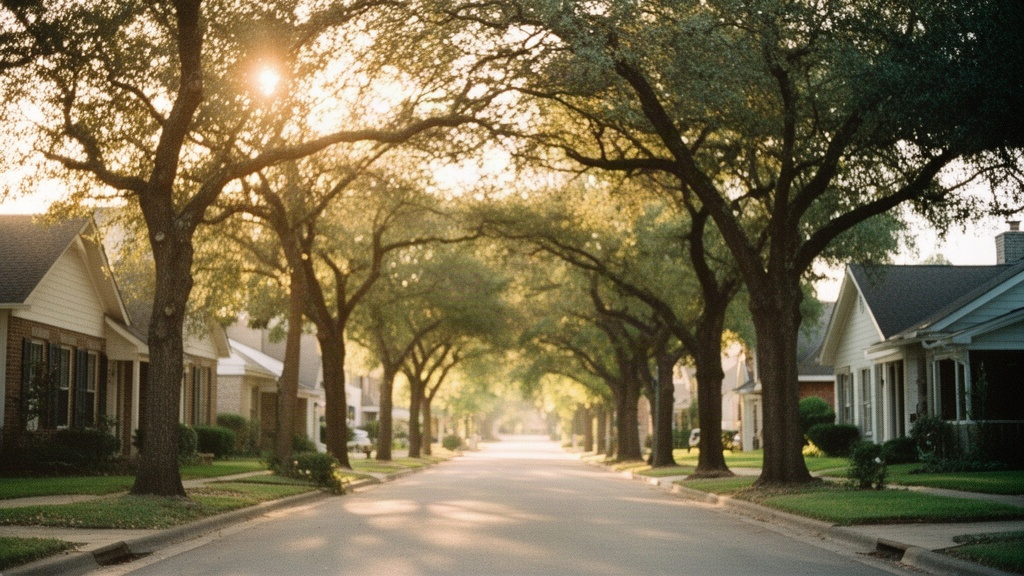
Bridgeport is a dense, low-rise neighborhood where most blocks are lined with brick two-flats, three-flats, and small single-family bungalows built between roughly 1900 and 1960. Walking the streets here feels nothing like the glass-and-steel corridors of the West Loop or the wide parkways of Lincoln Park.
Street Layout and Architecture
The neighborhood is bounded roughly by the Chicago River to the north, Pershing Road (39th Street) to the south, the Dan Ryan Expressway to the east, and Western Avenue to the west. That rectangle is about 1.5 miles wide and 1 mile deep, which makes it compact enough to walk across in under 25 minutes. Alleys run behind nearly every block, a classic Chicago feature that keeps trash cans off the sidewalks and gives each property a back entrance.
The housing stock skews older and heavier than what you find in neighborhoods like Wicker Park or Andersonville. Brick is the dominant material. Front stoops, small front yards, and wrought-iron fences are common. The overall scale is human-sized: few buildings exceed three stories outside of the handful of newer developments near Halsted Street.
How Bridgeport Compares to Nearby Areas
Bridgeport shares borders with Chinatown to the northeast, Canaryville to the south, McKinley Park to the west, and Armour Square directly north. Chinatown's commercial strip along Wentworth Avenue bleeds into Bridgeport's southern edge, which means residents here can walk to dim sum, bubble tea shops, and Asian grocery stores in under ten minutes. That proximity is one of the more practical daily-life perks of the location.
If you want a fuller picture of how Bridgeport fits into Chicago's broader neighborhood landscape, the Bridgeport Neighborhood Guide on Homes.com includes an overview of the area's boundaries, housing types, and nearby amenities worth cross-referencing.
2. Getting Around: Commutes and Transit
Transit access is one of Bridgeport's concrete advantages for people who work downtown or on the Near North Side. The CTA Red Line runs along the neighborhood's eastern edge, and the Halsted and Sox-35th stations both serve Bridgeport residents directly.
CTA Red Line Access
From the Sox-35th Street station, a Red Line train reaches the Roosevelt/Museum Campus stop in about six minutes and the Loop's Jackson station in roughly ten minutes. That puts downtown within a 15-to-20-minute door-to-door commute for most Bridgeport addresses, assuming a short walk to the platform. The Red Line runs 24 hours a day, seven days a week, which matters if your schedule does not follow a standard nine-to-five pattern.
Several CTA bus routes also cross Bridgeport, including the 8 Halsted and the 35 31st/35th, which connect the neighborhood to the Medical District, Midway Airport, and points west without requiring a train transfer.
Driving and Parking
Driving to the Loop from Bridgeport takes roughly 10 to 15 minutes outside of peak rush hours, using the Dan Ryan Expressway or surface streets like Halsted or Canal. During morning and evening rush, the Dan Ryan can back up significantly, and many residents prefer the Red Line for weekday commutes. Parking on residential streets is generally available without a permit in most blocks, which is a meaningful difference from neighborhoods like River North or Lincoln Park where street parking is scarce.
Biking and Walking
The neighborhood is flat, which makes biking practical year-round for those willing to ride in Chicago winters. The Lakefront Trail is about a mile east via 35th Street, giving cyclists a car-free route north toward Grant Park and the Museum Campus. Divvy bike-share stations are scattered through the neighborhood for shorter trips. Walkability within Bridgeport itself is strong for daily errands: groceries, coffee, hardware, and restaurants are reachable on foot from most addresses.
3. Housing Stock and What You Can Expect to Pay
Bridgeport offers some of the most accessible ownership pricing on Chicago's near South Side, with a housing stock that is almost entirely composed of attached and detached low-rise properties rather than high-rise condos. That means buyers here are typically choosing between owning a unit in a two-flat or three-flat, purchasing a standalone single-family bungalow, or buying into one of the smaller condo conversions scattered through the neighborhood.
Two-Flats and Single-Family Homes
The two-flat is Bridgeport's signature property type. These buildings typically sit on 25-foot-wide lots and contain two stacked units, each with two or three bedrooms. Owners often live in one unit and rent the other, which offsets mortgage costs. Full two-flat buildings in Bridgeport have been trading in a range of roughly $400,000 to $650,000 in 2026, depending on condition, lot depth, and proximity to the Red Line.
Single-family bungalows, the classic Chicago style with a raised basement, living and dining rooms on the main floor, and bedrooms above, are available in Bridgeport in the $350,000 to $550,000 range for updated examples. Unrenovated bungalows in need of work can come in below $300,000, which draws buyers willing to put in sweat equity. Lot sizes are typically 25 by 125 feet, with a detached garage in the back reached via the alley.
Condos and Newer Construction
Condo inventory in Bridgeport is thinner than in neighborhoods like the West Loop or Wicker Park, but it exists. Converted units in vintage two-flats and three-flats typically list between $200,000 and $320,000 for two-bedroom configurations. A small number of newer townhome-style developments have been built near Halsted Street in recent years, with prices generally starting around $450,000. If you are comparing the condo market here to what is happening in the West Loop right now, the pace and pricing are quite different; you can read more about current conditions in that submarket in our article on how long homes are sitting on the market in Chicago's West Loop this September 2026.
September 2026 Price Snapshot
As of September 2026, Bridgeport's median sale price for all property types is running in the low-to-mid $300,000s, with single-family homes pulling that figure higher and condo units pulling it lower. Days on market for well-priced listings has been hovering between 25 and 45 days, which reflects a market that moves at a measured pace rather than the frenzied bidding-war environment seen in some North Side neighborhoods. Sellers are still receiving close-to-list-price offers on updated properties, while homes needing significant renovation are sitting longer and sometimes receiving price reductions.
If you are a first-time buyer and the mechanics of the purchase process feel unfamiliar, our first-time home buyer guide for Chicago walks through steps, costs, and timelines in detail.
4. Food, Groceries, and Daily Errands
Day-to-day life in Bridgeport revolves around a mix of long-established neighborhood institutions and the spillover commercial energy from adjacent Chinatown. The neighborhood is not a destination dining scene in the way that Fulton Market or Wicker Park are, but it has a consistent set of options that residents rely on without needing to leave the area for most meals.
Local Restaurants and Coffee
Nana, on South Halsted Street, has been a neighborhood anchor for years, serving brunch and dinner with a focus on organic ingredients and a rotating menu. Palmers Steakhouse on West 35th Street is a white-tablecloth option that feels out of place in a neighborhood of brick bungalows, in the best way. For more casual eating, the stretch of Halsted between 31st and 35th Streets has sandwich shops, taquerias, and a handful of bars that have been serving the neighborhood for decades.
Chinatown, a ten-minute walk from most Bridgeport addresses, adds a substantial dining dimension. Restaurants along Wentworth Avenue and Cermak Road serve Cantonese, Szechuan, and Vietnamese food at prices well below what comparable meals cost in the Loop. Residents treat this as an extension of their own neighborhood's dining options, and practically speaking, it functions that way.
Grocery Options
Bridgeport does not have a large-format grocery store within its own boundaries, which is a practical reality worth knowing before you move here. The nearest full-size options are a Jewel-Osco on Cermak Road near Chinatown and a Mariano's accessible by car or a short bus ride. Many residents also shop at the Asian grocery stores in Chinatown, including Richwell Market and Seafood City, which carry produce, proteins, and pantry staples at competitive prices. For a quick fill-in run, there are smaller independent grocers and convenience stores within the neighborhood itself.
Everyday Services
Hardware stores, laundromats, pharmacies, and auto repair shops are present in Bridgeport at a density that reflects its working-class roots. You will not find a Whole Foods or a row of boutique fitness studios here, but the practical infrastructure for daily life is solid. A branch of the Chicago Public Library sits at 3455 South Halsted Street, and a post office is accessible within the neighborhood. Medical offices and urgent care clinics are within a short drive, with the larger Illinois Medical District roughly two miles to the northwest.
5. Parks, Green Space, and Community Life
Bridgeport has meaningful park infrastructure for a neighborhood of its density, with two Chicago Park District facilities providing outdoor space, athletic fields, and programming for residents of all ages.
McGuane Park and Armour Square Park
McGuane Park, at 2901 South Poplar Avenue, is the neighborhood's primary green space. It covers approximately 15 acres and includes a fieldhouse with an indoor gymnasium, baseball and softball diamonds, a football field, a spray pool open in summer, and a playground. The Chicago Park District runs programming out of the fieldhouse year-round, including fitness classes, after-school activities, and seasonal sports leagues.
Armour Square Park sits just north of Bridgeport proper, near the intersection of 34th and Shields. It is a smaller facility but includes tennis courts, a baseball diamond, and a fieldhouse. The park is walkable from the northern blocks of Bridgeport and is heavily used on weekends. Residents who want lakefront access drive or bike east to the Museum Campus area, which is about 1.5 miles away along 35th Street.
Guaranteed Rate Field and the Sox Community
Guaranteed Rate Field, home of the Chicago White Sox, sits at the corner of 35th and Shields, directly on Bridgeport's eastern edge. On game days, the neighborhood takes on a different character: foot traffic increases, bars fill up, and the Red Line platforms at Sox-35th get crowded. For residents who are White Sox fans, this proximity is a genuine draw. For those who are not particularly interested in baseball, game-day parking and traffic on nearby streets are a practical consideration to factor into the decision.
Schools and Education Resources
Bridgeport is served by Chicago Public Schools, and several elementary and charter school options are located within or immediately adjacent to the neighborhood. Because school selection is a personal decision that depends on your household's priorities, we recommend reviewing school-level data directly through the Chicago Public Schools website at cps.edu and the Illinois State Board of Education's school report cards at illinoisreportcard.com. Those sources give you enrollment figures, program offerings, and performance data you can evaluate on your own terms.
6. Who Is Buying in Bridgeport Right Now
In September 2026, the buyers active in Bridgeport tend to fall into a few clear categories based on what the market is actually producing. Buyers who want to own a two-flat and offset their mortgage with rental income find Bridgeport's price points more accessible than comparable properties in Pilsen or Logan Square, where two-flat prices have climbed significantly over the past several years. The house-hacking strategy is genuinely viable here in a way it is not in many other Chicago neighborhoods at this price tier.
Buyers relocating to Chicago for work in the Loop or the Illinois Medical District are drawn to the commute math: under 15 minutes by train to either destination, with owned housing prices well below what similar commute times cost from the North Side. If you are in the middle of a relocation decision, our guide on relocating to Chicago, neighborhoods, costs, and timelines covers the broader picture of how Bridgeport fits relative to other Chicago neighborhoods.
Investors looking at long-term rental income are also active here, particularly on two-flats and three-flats that can generate consistent rent from both units. If that angle interests you, our investment property guide for Chicago in 2026 goes deeper on cap rates, financing, and what to look for in a Chicago multi-unit purchase.
Longtime residents who already own in Bridgeport and are thinking about selling will find that updated properties in the neighborhood are moving at close-to-list prices, while unrenovated homes require more patience. For a full breakdown of what the selling process looks like in Chicago right now, our guide on selling a home in Chicago in 2026 covers pricing strategy, timelines, and what to expect at each stage.
For additional context on what day-to-day life in Bridgeport involves from a community perspective, the Bridgeport neighborhood guide on Neighborhoods.com includes resident perspectives and a breakdown of the area's character that is worth reading alongside this article.
FAQ
Is Bridgeport walkable for daily errands?
Bridgeport is reasonably walkable for most daily needs. The Halsted Street commercial corridor runs through the neighborhood and includes restaurants, coffee shops, a library branch, and smaller retail. Chinatown's grocery stores and restaurants are a short walk from the neighborhood's northeastern edge, which meaningfully expands the on-foot options. The main gap is a large-format grocery store within the neighborhood itself; most residents drive or take a short bus ride to a Jewel-Osco or Mariano's for a full weekly shop. For transit-dependent errands beyond the immediate area, the Red Line and several bus routes make getting around without a car very practical.
What types of homes are most common in Bridgeport, and what do they cost?
The most common property type in Bridgeport is the brick two-flat, a two-story building with one unit per floor, typically built in the early to mid-20th century. Single-family bungalows are the second most common type, followed by a smaller supply of condo units in converted multi-flats and a handful of newer townhomes. As of September 2026, full two-flat buildings are generally priced between $400,000 and $650,000 depending on condition and location within the neighborhood. Single-family bungalows in updated condition range from roughly $350,000 to $550,000, while condo units in vintage buildings typically fall between $200,000 and $320,000 for two-bedroom configurations. These figures are meaningfully lower than comparable properties in North Side neighborhoods with similar commute times to the Loop.
How long does it take to commute from Bridgeport to downtown Chicago?
From the Sox-35th Street Red Line station, which is the primary CTA station serving Bridgeport, a train ride to the Loop's Jackson station takes approximately ten minutes. Adding a walk from a typical Bridgeport address to the platform brings the realistic door-to-door commute to roughly 15 to 20 minutes. Driving to the Loop takes 10 to 15 minutes outside of peak rush hours but can extend to 30 minutes or more during heavy traffic on the Dan Ryan Expressway. The Illinois Medical District, located about two miles to the northwest, is accessible by bus on the 35 route or by a short drive. Most residents who work downtown rely on the Red Line for weekday commutes and reserve driving for evenings, weekends, and trips that require carrying cargo.