← Back to Blog
Market Trends
East Side Saginaw Michigan Real Estate Market Guide
By Semariya Parker
Century 21 Signature realty · DRE# 6501460099
September 11, 2026 · 9 min read
The east side of Saginaw, Michigan real estate market guide you need covers more than just list prices. It covers what the housing stock actually looks like, how fast homes move, and when to make your move as a buyer or seller in 2026. Whether you are relocating to Saginaw, upgrading within the city, or preparing to list, this guide gives you the local detail that generic market reports leave out.
1. What Makes East Side Saginaw Distinct as a Real Estate Market
The east side of Saginaw has its own character within the broader city market. It sits east of the Saginaw River, bounded roughly by South Washington Avenue to the west and extends toward the Saginaw Township border to the east. That geography gives east side buyers access to a dense urban grid of residential streets, proximity to M-46 and M-84 for regional travel, and a housing inventory that skews toward early to mid-twentieth-century construction.
Housing Stock and Architecture
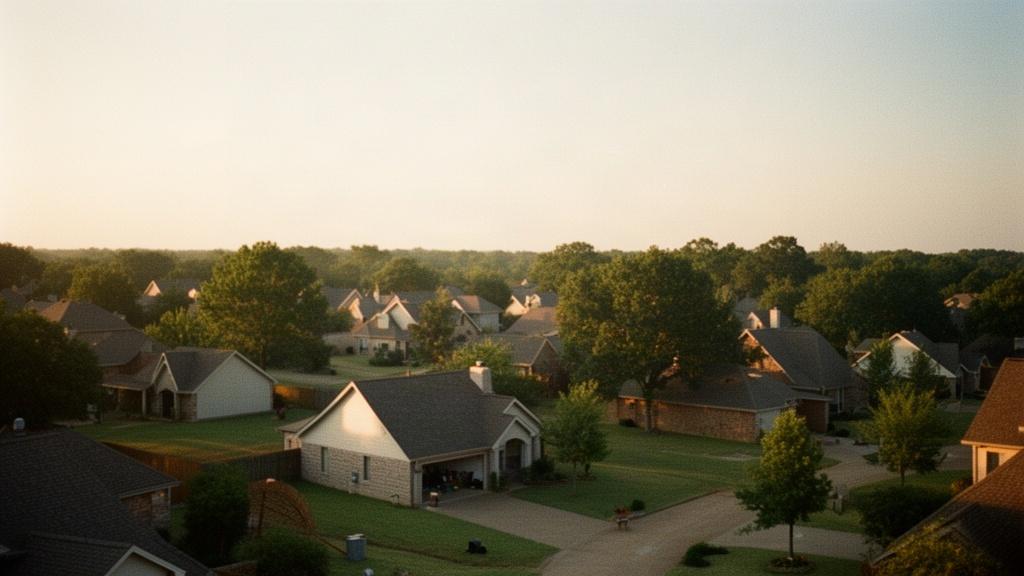
The dominant housing types on the east side are wood-frame single-family homes built between the 1910s and the 1960s. Bungalows, two-story foursquares, and Cape Cods are common. Lot sizes tend to run between 4,000 and 7,500 square feet, giving most homes a modest backyard and a detached or attached one-car garage. Brick exteriors appear frequently on homes built in the 1940s and 1950s, which tend to hold up well structurally and attract buyers who want lower exterior maintenance costs.
Two-unit and three-unit multi-family properties are also present on the east side, particularly along busier cross streets. These attract buyers interested in owner-occupying one unit while renting the other, which can be a practical way to enter the Saginaw market at a lower effective cost. Investors purchasing rental properties have also kept a consistent eye on this inventory segment.
Proximity to Major Corridors and Employers
East side residents have direct access to several key routes. M-46 (State Street) runs east-west through the heart of the area and connects to I-675 in roughly ten minutes, putting downtown Saginaw and the Tri-City area within a reasonable commute. Covenant HealthCare's main campus on Shattuck Road sits just minutes from many east side addresses, making it one of the area's largest nearby employment anchors. General Motors has maintained operations in the greater Saginaw area for decades, and Saginaw Valley State University in University Center is reachable in about fifteen minutes via M-84.
2. East Side Saginaw Home Prices in September 2026
East side Saginaw home prices currently sit well below state and national medians, making this one of Michigan's more accessible urban markets for first-time buyers and investors. That accessibility comes with real variation: a move-in-ready brick bungalow commands a meaningfully different price than a comparable home needing a full renovation, and buyers need to understand that spread before they set expectations.
Current Price Ranges by Property Type
As of September 2026, entry-level single-family homes on the east side of Saginaw are listed and selling in the $30,000 to $65,000 range when they need significant updating. Updated or move-in-ready single-family homes, particularly brick bungalows and two-story homes with newer roofs, windows, and mechanicals, are transacting in the $70,000 to $115,000 range. Larger or fully renovated homes with four or more bedrooms and updated kitchens and baths can reach $120,000 to $145,000 depending on the street and condition.
Multi-family properties on the east side follow a similar pattern. A two-unit that needs work might list between $40,000 and $70,000. A stabilized duplex with tenants in place and recent updates can reach $90,000 to $130,000. Buyers financing with FHA or conventional loans should confirm property condition requirements with their lender early, because some east side homes at lower price points may not meet minimum property standards without repairs.
How East Side Prices Compare to the Broader Saginaw Market
Saginaw as a whole has seen measured price appreciation over the past two years, consistent with broader Michigan trends. According to Saginaw's 2025 Housing Market Year in Review, the Saginaw market showed consistent activity through 2025, with demand outpacing new inventory in certain price bands. The east side has participated in that trend, with well-priced, updated homes drawing multiple offers when they first hit the market.
Compared to Saginaw Township to the east or the areas near the Covenant hospital campus, east side city prices are generally lower on a per-square-foot basis. That gap reflects both the age of the housing stock and the investment required to bring older homes to current standards, but it also represents the opportunity that draws buyers and investors to this part of the city. If you want a broader look at what buying in Saginaw involves across different price points, the Homes for Sale in Saginaw, Michigan Buyer Guide covers the full picture.
3. Neighborhood Features on the East Side of Saginaw
The east side is not a single uniform area. Different corridors and cross streets have their own character in terms of housing density, lot size, proximity to commercial uses, and the mix of owner-occupied versus rental properties. Understanding those distinctions helps buyers target their search and helps sellers position their home accurately.
Scheurmann Street and Rust Avenue Corridor
The blocks around Scheurmann Street and Rust Avenue represent some of the more residential, tree-lined streets on the east side. Homes here tend to be single-family with modest yards, and the street pattern is a traditional grid that makes it easy to walk to nearby commercial corridors. The housing mix includes bungalows from the 1920s and 1930s alongside slightly larger two-story homes. Buyers looking for a quieter residential feel within the city often focus searches in this part of the east side.
State Street and Holland Avenue Area
State Street (M-46) is the main east-west commercial spine of this part of Saginaw. Residential streets running north and south off State Street, including sections near Holland Avenue, offer easy access to grocery stores, pharmacies, and service businesses. Homes directly on State Street are often mixed-use or commercial, but one or two blocks off the main road the housing becomes predominantly residential. This area also provides some of the quickest on-ramp access to I-675 on the east side.
Gratiot Road and the Eastern Edge
As you move east toward Gratiot Road and the border with Saginaw Township, the housing stock begins to shift. Lots are sometimes slightly larger, and the proportion of post-World War II ranch-style homes increases. Some streets in this zone have seen more recent updates because of their proximity to township amenities and commercial development along Tittabawassee Road to the north. Buyers who want city pricing but a slightly newer housing vintage sometimes find value in this transitional zone.
The Covenant HealthCare and Ascension St. Mary's hospital district also draws attention from buyers who work in healthcare and want a short commute. For a detailed look at how proximity to those campuses affects home sales and values, the article on Covenant or Ascension Hospital District Saginaw: Living and Sales goes deeper on that specific market segment.
4. How Fast Are East Side Saginaw Homes Selling Right Now
Days on market on the east side of Saginaw vary sharply by price point and condition, but well-priced updated homes are moving faster than many buyers expect. This is consistent with a broader pattern across Midwest markets, where local demand and limited inventory have kept absorption rates elevated even as national markets have cooled.
Days on Market Trends
In September 2026, move-in-ready east side homes priced accurately are going under contract in roughly seven to twenty-one days. Homes that need significant work or are priced above what the condition supports tend to sit for forty-five to ninety days or longer before sellers adjust. The spread between those two outcomes is wide, which is why pricing strategy matters enormously on the east side. A home listed at $10,000 over its realistic market value in this price range can easily lose momentum in the first two weeks and end up selling for less than it would have at the right price from day one.
Midwest housing markets have consistently outperformed national averages on days-on-market metrics over the past two years. Research from HousingWire on Midwest housing market trends confirms that Midwest markets have defied the national slowdown in absorption rates, and Saginaw's east side reflects that dynamic at a local level.
What Drives a Faster or Slower Sale
Three factors consistently separate fast sales from slow ones on the east side of Saginaw. First, accurate pricing relative to recent comparable sales within a half-mile radius. Second, presentation: homes with clean interiors, functioning mechanicals, and no deferred maintenance photograph better and show better, which drives more showings in the first week. Third, financing accessibility: homes priced below $100,000 that are in lendable condition draw both conventional and FHA buyers, widening the pool of qualified purchasers significantly.
Investor cash buyers are also active on the east side, particularly for properties priced under $60,000. Cash offers close faster and without appraisal contingencies, which can be attractive to sellers who want certainty. However, cash investors typically offer below retail market value to account for renovation costs and holding time, so sellers with updated homes in lendable condition usually net more by marketing to retail buyers.
5. Timing Your Buy or Sale on the East Side of Saginaw
Timing in the Saginaw market follows seasonal patterns, but those patterns are less dramatic than in higher-priced markets because buyer activity here is driven more by life events and affordability than by luxury timing. That said, knowing when demand peaks and when inventory loosens can give both buyers and sellers a meaningful edge.
Best Windows for Buyers
Buyers on the east side of Saginaw tend to find more negotiating room in the late fall and winter months, from November through February. Fewer competing buyers are active during Michigan winters, and sellers who list during that period are often more motivated. The trade-off is that inventory is also thinner, so buyers may have fewer options to choose from. Spring, from March through May, brings the largest burst of new listings, giving buyers more choices but also more competition.
September 2026 sits in a transitional window that can work well for buyers. The summer rush has eased, some sellers who did not sell during peak season have reduced prices, and there is still enough daylight and reasonable weather to conduct thorough home inspections. First-time buyers who have been pre-approved and are ready to move quickly are in a strong position right now.
Best Windows for Sellers
East side sellers historically see the most buyer activity from late March through June. Homes listed in that window benefit from peak buyer traffic, better curb appeal as lawns green up, and buyers who are motivated to close before the end of the school year. Listing in early spring also means your home photographs well in natural light, which directly affects online click-through rates and showing volume.
What September 2026 Conditions Mean for You
Right now, the east side market is in a post-summer normalization phase. Sellers who price correctly and present their homes well are still finding buyers within a reasonable timeframe. Buyers are encountering slightly less competition than they did in April and May, which means more room to negotiate on price or request seller-paid closing costs on homes that have been sitting. Interest rates continue to influence buyer purchasing power, so getting pre-approved before touring homes remains essential.
Michigan's broader housing market has remained active relative to national trends, which provides a stable backdrop for east side transactions. Buyers and sellers who understand local conditions rather than relying solely on national headlines will make better decisions. Working with someone who tracks east side sales week by week, not just statewide averages, makes a concrete difference in outcomes.
FAQ
What is the average home price on the east side of Saginaw, Michigan in 2026?
As of September 2026, the east side of Saginaw has a wide price range depending on condition and property type. Move-in-ready single-family homes are generally selling between $70,000 and $115,000, while homes needing significant renovation can be found in the $30,000 to $65,000 range. Larger or fully updated homes occasionally reach $120,000 to $145,000. Multi-family properties follow a similar spread. These figures reflect the east side specifically; prices in Saginaw Township to the east or near the hospital campuses tend to run higher on a per-square-foot basis.
How long does it take to sell a home on the east side of Saginaw?
In September 2026, well-priced and updated east side homes are going under contract in roughly seven to twenty-one days. Homes that are overpriced relative to condition or that need significant work can sit for forty-five to ninety days or longer before sellers make price adjustments. The key driver of a fast sale is accurate pricing backed by recent comparable sales within a close radius. Presentation also matters: clean, well-maintained homes generate more showings in the critical first week on market, which is when the most qualified buyers are paying attention.
Is the east side of Saginaw a good place to invest in rental property?
The east side of Saginaw has an active inventory of two-unit and three-unit multi-family properties that attract buyers interested in rental income. Purchase prices are low relative to many Michigan markets, which can produce favorable gross rent-to-price ratios for investors who buy correctly and manage expenses carefully. Buyers should verify property condition thoroughly before purchasing, because financing options narrow significantly for properties with deferred maintenance. Working with a local agent who knows which streets have stronger rental demand and which properties have title or condition issues is important before committing to an investment purchase on the east side.