← Back to Blog
Market Trends
Saginaw Michigan Real Estate Market Guide: Prices, Neighborhoods, Timing
By Semariya Parker
Century 21 Signature realty · DRE# 6501460099
September 11, 2026 · 9 min read
Saginaw, Michigan has the strongest reputation among mid-Michigan cities for delivering real purchasing power to buyers, and this real estate market guide covers everything you need to know: current prices, neighborhood features, and the timing factors that matter most in 2026. Whether you are relocating from out of state, buying your first home, or preparing to sell, the Saginaw market has specific dynamics that reward informed decisions. Read on for a comprehensive, locally grounded look at what the market is doing right now.
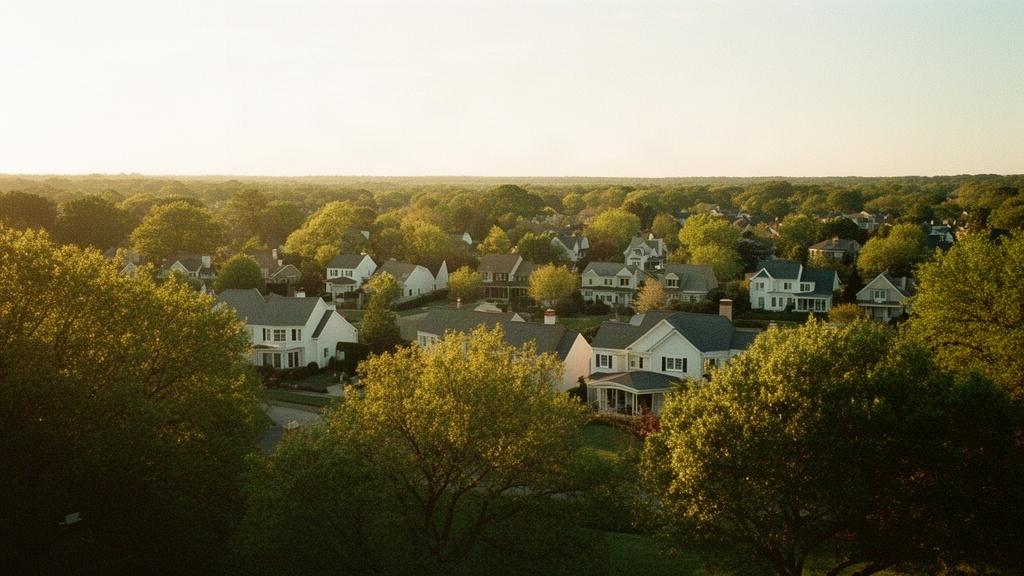
1. What Saginaw's Housing Market Looks Like Right Now
Saginaw's median home price in September 2026 sits in the low-to-mid $90,000 range, making it one of the most accessible ownership markets in Michigan's Lower Peninsula.
Current Price Ranges
Entry-level homes in Saginaw, typically two-bedroom bungalows and post-war ranches, are transacting in the $40,000 to $75,000 range. Three-bedroom homes with updated kitchens or newer roofs are moving between $80,000 and $130,000. Larger four-bedroom properties, particularly those on the west side with attached garages and full basements, are pushing toward $150,000 to $175,000 when they show well. Luxury inventory in Saginaw proper is limited, but the surrounding townships carry homes priced above $200,000 on larger lots.
Days on market for move-in-ready listings have tightened noticeably through 2026. Well-priced homes in good condition are spending roughly 20 to 35 days on market before going under contract, while properties needing significant work can linger for 60 days or more. That gap between turnkey and fixer-upper inventory is one of the defining features of the Saginaw market right now.
How Saginaw Compares to the Broader Michigan Market
Michigan's statewide housing market has seen sustained price appreciation over the past several years, driven by low inventory and strong demand in metro Detroit, Grand Rapids, and Ann Arbor. Saginaw sits in a different tier: prices here are a fraction of those markets, which draws both local buyers priced out of larger cities and out-of-state buyers seeking value. Forbes Advisor's Michigan housing market overview notes that mid-Michigan metros have held steady on affordability even as southern Michigan markets compressed. Saginaw's price floor makes ownership achievable for buyers who would otherwise be locked into renting.
Bay City, roughly 15 miles north of Saginaw on M-84, has drawn national attention for its low price points. HousingWire reported on buyers relocating specifically to the Bay City area for ultra-affordable housing. Saginaw shares that value proposition and adds the infrastructure of a larger city, including Covenant HealthCare and Ascension St. Mary's, a regional airport, and direct freeway access via I-75 and M-46.
2. Saginaw Neighborhoods: What the Housing Stock Actually Looks Like
Saginaw's neighborhoods each carry a distinct architectural character and price profile. Understanding what the housing stock looks like in each area helps buyers match their budget and lifestyle to the right part of the city.
West Side Saginaw
The west side of Saginaw, generally the area west of the Saginaw River, contains the city's most consistent concentration of mid-century brick ranches, Cape Cods, and colonial-style homes. Lots here tend to run between 6,000 and 10,000 square feet, with mature trees and attached or detached garages. Streets like Mackinaw Road and Shattuck Road anchor commercial corridors, while residential blocks run north toward Bridgeport Township and south toward Buena Vista. Prices on the west side generally range from $85,000 to $160,000 for updated homes, with the higher end concentrated near Ojibway Island and the Saginaw Art Museum district.
The hospital corridor along Shattuck and surrounding streets is particularly active. Covenant HealthCare and Ascension St. Mary's both draw healthcare workers who want a short commute, and that consistent demand keeps turnover low and prices relatively stable in the blocks closest to those campuses. You can read more about this specific submarket in our detailed look at living and selling near the Covenant and Ascension hospital district.
Carrollton and Surrounding Townships
Carrollton Township sits directly east of the Saginaw River and is technically a separate municipality, but buyers considering Saginaw city frequently look here as well. The housing stock leans toward post-war ranches and smaller two-story homes on modest lots. Carrollton's proximity to the Saginaw River and access to M-46 make it a practical choice for buyers who work in Saginaw or commute east toward Bay County. Home prices in Carrollton frequently start below $70,000 for smaller ranches and top out around $130,000 for larger updated properties.
Thomas Township and Kochville Township, both northwest of the city proper, offer newer construction mixed with 1980s and 1990s subdivisions. These areas carry higher price points, often $175,000 to $275,000 for four-bedroom homes on quarter-acre lots, and attract buyers who want more square footage and newer mechanical systems. Commutes into central Saginaw from these townships run roughly 10 to 20 minutes depending on traffic.
Historic and Central Districts
Saginaw's older central neighborhoods contain some of the most architecturally interesting housing in mid-Michigan. Victorian-era two-stories, Craftsman bungalows, and early 20th-century foursquares are common, particularly in the blocks surrounding Hoyt Park and the Old Town district. These homes often feature original hardwood floors, built-in cabinetry, and large covered porches. Buyers who want character and square footage at a low price per foot find strong value here, though many of these properties require updating.
Hoyt Park itself, one of Saginaw's most recognizable green spaces, sits along the Saginaw River and includes a band shell, picnic areas, and walking paths. Proximity to the park is a consistent selling point for listings in the surrounding blocks. The Saginaw Art Museum on New York Avenue and the Children's Zoo at Celebration Square add to the concentration of cultural amenities in this part of the city.
3. Timing the Saginaw Market: When to Buy and When to Sell
Timing in Saginaw follows Michigan's broader seasonal rhythm, but with local nuances that matter for both buyers and sellers. Spring and early summer bring the highest listing volume and the most buyer competition; late summer through fall offers more negotiating room for buyers and less clutter for sellers who choose to list then.
Seasonal Patterns in Saginaw
March through June is Saginaw's peak listing season. Inventory climbs, buyers who have been waiting through winter activate, and multiple-offer situations are most common on turnkey properties priced under $100,000. Sellers who list in April and May generally see the fastest sales and the fewest concessions.
July and August see buyer activity stay strong, but the pool of available homes begins to thin as spring sellers close out. September, which is where the market sits right now, is a transitional month. Serious buyers who did not find a home in spring are still active, and sellers who list now face less competition from other listings. That combination can work in favor of both parties when expectations are calibrated correctly.
November through February is the slowest stretch. Listing volume drops sharply, but motivated sellers and buyers who cannot wait for spring remain active. Buyers who shop in winter often encounter less competition and sellers who are more willing to negotiate on price or closing costs.
What Inventory Levels Are Telling Us in September 2026
Active inventory in Saginaw County in September 2026 remains below the levels that would shift the market decisively toward buyers. There are more homes available than during the peak shortage years of 2021 and 2022, but supply is still tight enough that well-priced, move-in-ready homes are not sitting long. Buyers should expect to move within a few days of finding a home they like, particularly in the $75,000 to $120,000 range where demand is most concentrated.
For context on how Saginaw's 2025 activity set the stage for current conditions, Stacker's review of Saginaw's 2025 housing market provides a useful year-in-review baseline showing price trends and volume shifts that carried into 2026.
4. What Buyers Need to Know Before Making an Offer in Saginaw
Buying in Saginaw requires a different approach than buying in a higher-priced market. The low price points create specific financing and inspection considerations that can catch unprepared buyers off guard.
Financing Realities in This Price Range
Conventional loans work well for Saginaw homes priced above roughly $60,000 that are in acceptable condition. FHA loans are popular here because down payment requirements are lower, which matters when buyers are stretching to cover closing costs on top of a down payment. However, FHA has minimum property condition standards, and some Saginaw homes, particularly older stock with deferred maintenance, will not pass FHA appraisal without repairs.
For homes priced below $50,000 or in poor condition, financing options narrow considerably. Cash buyers and investors dominate that segment. If you are a first-time buyer targeting a lower-priced home that needs work, a 203(k) rehabilitation loan or Michigan State Housing Development Authority programs may be worth exploring with your lender before you start shopping.
Property Condition and Inspection Priorities
Saginaw's housing stock skews older, with a large portion of homes built between 1920 and 1970. That means buyers should pay particular attention to the condition of the roof, furnace, water heater, electrical panel, and plumbing. Knob-and-tube wiring and older galvanized pipes are not uncommon in homes from this era, and both can affect insurability and financing. A thorough inspection by a licensed Michigan home inspector is not optional in this market; it is the single most important step between offer acceptance and closing.
Lead paint and asbestos are also relevant considerations for pre-1978 homes, which describes a significant portion of Saginaw's inventory. Sellers are required to disclose known lead paint conditions, but buyers should budget for testing if they are purchasing a home built before 1978, especially if they plan to renovate. For a broader look at what the buying process looks like in Saginaw, our complete buyer's guide to homes for sale in Saginaw walks through the full process from pre-approval to keys.
5. What Sellers Need to Know to Price and Position Correctly
Sellers in Saginaw have a real opportunity right now, but pricing and presentation have to be precise. The market rewards homes that are priced correctly from day one; overpriced listings in this range sit and accumulate stigma quickly.
Pricing Strategy in a Mid-Range Market
Saginaw buyers are value-conscious and often pre-approved for a specific dollar amount. A home priced at $98,000 reaches every buyer approved up to $100,000; the same home at $103,000 misses that entire pool. In a market where the median is in the low-to-mid $90,000 range, a $5,000 pricing error can meaningfully reduce your buyer pool. Sellers should rely on a comparative market analysis using recent closed sales within the past 90 days, not list prices, which can be aspirational rather than realistic.
Appraisal risk is real in Saginaw because comparable sales in some blocks are sparse. If a home is priced above what recent comps support, a financed buyer's appraisal will likely come in low, forcing a price reduction or a renegotiation. Pricing accurately from the start avoids that friction and keeps deals together through closing.
Presentation and Days on Market
In a market where many homes need work, a clean, well-maintained listing stands out immediately. Sellers who invest in fresh paint, cleaned carpets, and a tidy exterior consistently see faster offers and fewer inspection-driven concessions. Professional photography matters even at lower price points because buyers in Saginaw are often shopping online first, and poor photos reduce showing requests regardless of the home's actual condition.
Disclosure is also a practical tool for sellers in Saginaw. Buyers who discover issues during inspection that were not disclosed are more likely to walk away or demand large credits. Sellers who disclose known issues upfront and price accordingly tend to close faster and with fewer surprises. Michigan's seller disclosure form covers mechanical systems, structural conditions, water damage history, and environmental concerns, and completing it thoroughly protects everyone involved.
FAQ
What is the average home price in Saginaw, Michigan right now?
As of September 2026, Saginaw's median home price sits in the low-to-mid $90,000 range, though prices vary significantly by neighborhood and condition. Entry-level homes start below $50,000 for properties needing work, while updated three-bedroom homes on the west side or in the townships surrounding the city can reach $150,000 to $275,000. The price range is one of the broadest of any mid-sized Michigan city, which means buyers at almost every budget level have options to consider. Working with a local agent who knows the specific blocks and recent closed sales is the most reliable way to understand what a particular home is actually worth.
Is it a good time to buy a home in Saginaw, Michigan in 2026?
September 2026 is a practical time to buy in Saginaw for buyers who are ready to move. Inventory remains below the levels that would tip the market decisively toward buyers, but the pace of the spring rush has eased, meaning buyers face somewhat less competition than they would have in April or May. Interest rates and your personal financial readiness matter more than any single month's market conditions, so buyers who are pre-approved and clear on their budget should not wait for a perfect moment that may not arrive. The Saginaw market has consistently rewarded buyers who are prepared to act when the right home appears.
What should I know about Saginaw neighborhoods before buying?
Saginaw's neighborhoods vary considerably in housing style, lot size, price range, and proximity to amenities. The west side carries the most consistent stock of mid-century brick homes near major employers like Covenant HealthCare and Ascension St. Mary's. The historic central districts offer Victorian and Craftsman architecture at lower price points, often with more square footage but more updating required. The surrounding townships, including Thomas and Kochville, offer newer construction at higher prices with larger lots. For school district information, the Michigan Department of Education's website provides enrollment and performance data directly, and buyers should research that independently based on their own priorities.