← Back to Blog
Local Living
What Is It Actually Like to Live in Al Furjan Day to Day in Terms of Amenities, Traffic, and Community Feel
By Shady Elashkar
September 17, 2026 · 11 min read
Al Furjan sits in the Jebel Ali corridor of Dubai, roughly 25 kilometres from Downtown, and the question of what it is like to live in Al Furjan day to day in terms of amenities, traffic, and community feel comes up constantly among buyers weighing this community against alternatives. This article covers the practical reality: what you can walk to, how long the commute takes, what the streets feel like on a Tuesday morning, and what the housing stock actually looks like. No vague positives, just the specifics that help you decide.
1. The Physical Layout of Al Furjan and What It Means for Daily Life
Al Furjan is a master-planned residential community developed primarily by Nakheel. It sits between Sheikh Zayed Road (E11) and Mohammed Bin Zayed Road (E311), which gives it two major arterial connections but also means it is bordered by significant highway infrastructure on both sides. The community is divided into clusters: Al Furjan West, Al Furjan East, and Quortaj, each with its own internal road network and landscaping. Understanding this layout matters because your daily experience will differ depending on which cluster your property sits in and how close you are to the community's two main pavilion areas.
How the Community Is Structured
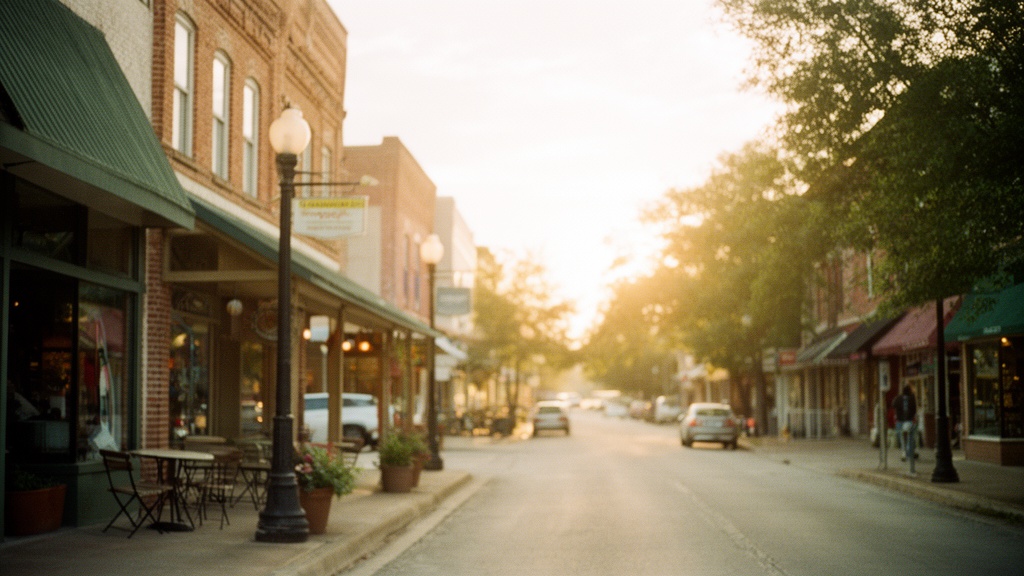
The community covers approximately 560 hectares in total. Internal roads are wide, low-speed, and relatively free of through-traffic because Al Furjan is not a shortcut route for anyone. That means the streets inside the community are genuinely quiet during most of the day, which is one of the more noticeable contrasts with communities closer to central Dubai. There are dedicated cycling and walking paths running through the green corridors between clusters, and these connect to the two Furjan Pavilions where the main retail and leisure facilities are concentrated.
Housing Stock and Property Types
Al Furjan offers a genuine mix of property types, which is not always the case in Dubai's residential communities. You will find three and four-bedroom villas with private gardens and covered parking, two and three-bedroom townhouses arranged in terraced rows, and mid-rise apartment buildings ranging from studios to three-bedroom units. The villas are predominantly Arabic and Mediterranean in architectural style, with rendered facades, arched detailing, and enclosed rear gardens. Apartment buildings are more contemporary in finish and tend to have shared pools and gym facilities. Most of the residential buildings were handed over between 2012 and 2020, so the community has a settled, established feel rather than the construction-site atmosphere of newer launches elsewhere in Dubai.
2. Amenities in Al Furjan: What You Can Access Without Leaving the Community
For day-to-day amenities, Al Furjan is reasonably self-contained, though not on the same scale as a community like Dubai Hills Estate. The two Furjan Pavilions serve as the community's retail and social anchors, and between them they cover the essentials most residents need on a weekly basis. For a fuller picture of what the community offers, Bayut's Al Furjan area guide provides a detailed breakdown of facilities and ongoing development in the neighbourhood.
Retail, Groceries, and Dining
The West Pavilion and East Pavilion each have a supermarket anchor. Spinneys operates at the West Pavilion, and there is a Choithrams at the East Pavilion, so most grocery runs stay within the community. Both pavilions have pharmacies, salons, laundry services, and a handful of casual dining options covering Middle Eastern, Asian, and Western cuisines. The dining scene is not extensive by Dubai standards, so residents who eat out frequently tend to drive to Discovery Gardens, Ibn Battuta Mall (roughly 10 minutes by car), or the JBR strip. Ibn Battuta Mall itself is one of the more convenient large retail destinations for Al Furjan residents, with over 270 stores, a Carrefour hypermarket, and a cinema complex.
The Pavilion areas also host a regular Friday market during cooler months, roughly October through April, where local vendors sell produce, plants, and artisan goods. This is one of the more tangible expressions of community life in Al Furjan and tends to draw a consistent crowd of residents on weekend mornings.
Parks, Recreation, and Fitness
Green space is one of Al Furjan's more practical strengths. The community has multiple landscaped parks distributed across its clusters, including the large Al Furjan Park which has a children's play area, outdoor gym equipment, and shaded seating. The cycling and jogging track that runs through the green corridors is approximately 4 kilometres in length and is well-lit for evening use. During the cooler months from November through March, these outdoor spaces see consistent use from early morning.
The Al Furjan Club is the community's main leisure facility, operated by Nakheel. It includes a 25-metre swimming pool, a gym, squash courts, and a multi-purpose sports court. Membership is available to residents and is priced separately from any service charge. Several of the apartment buildings also have their own shared pools and gyms, so apartment residents often have access to two layers of fitness facilities.
Schools and Healthcare Nearby
There are no schools located inside Al Furjan itself, but several are within a short drive. The nearest options include The Arbor School in Al Quoz (approximately 15 minutes), Greenfield International School in Jebel Ali (around 10 minutes), and a number of schools serving Discovery Gardens and Jumeirah Village Circle within a similar radius. When researching schools, the Knowledge and Human Development Authority (KHDA) publishes annual inspection reports for all Dubai private schools on its official website, which is the most reliable starting point for comparing curricula, fees, and inspection outcomes.
For healthcare, there is a Aster Clinic inside the community at the West Pavilion, covering general practice and some specialist services. NMC Royal Hospital in Al Khail and Mediclinic Ibn Battuta are both within 15 minutes by car for more complex medical needs. The nearest public hospital is Al Maktoum Hospital in Deira, though most residents in this part of Dubai use private facilities.
3. Traffic and Commute Times: The Honest Picture
Traffic is the most frequently raised concern about Al Furjan, and it deserves a direct answer. The community's main entry and exit points feed onto Sheikh Zayed Road and Mohammed Bin Zayed Road, both of which carry heavy commuter traffic during peak hours. The bottleneck is not inside the community but at the junction points connecting Al Furjan to those highways, particularly the Al Furjan interchange on Sheikh Zayed Road during the 7:30 to 9:30 morning window and the 5:00 to 7:30 evening window.
Getting In and Out During Rush Hour
Residents driving toward Dubai Marina or JLT during the morning peak typically add 15 to 25 minutes compared to off-peak travel. The drive to Dubai Marina covers roughly 12 kilometres and takes around 15 minutes outside rush hour; during peak it can stretch to 35 to 40 minutes depending on the specific day. Driving toward Downtown Dubai covers approximately 28 kilometres and takes 25 to 30 minutes in clear traffic, rising to 45 to 60 minutes during the morning peak. If you are commuting to DIFC or Business Bay, the morning drive is comparable to the Arabian Ranches to Downtown corridor, which is covered in detail in a separate article on this site.
Driving toward Abu Dhabi is where Al Furjan's location becomes a genuine advantage. The community sits close to the Abu Dhabi border of Dubai, so residents commuting to Jebel Ali Free Zone (roughly 10 kilometres), Dubai South (approximately 20 kilometres), or even Abu Dhabi city (about 120 kilometres via E11) face significantly shorter drives than residents based in central Dubai communities.
The Al Furjan Metro Station
Al Furjan has its own metro station on the Dubai Metro Route 2020 (the Expo Line), which opened in 2021 and connects to the Red Line at Jabal Ali station. From Al Furjan Metro Station, the journey to UAE Exchange (and onward to Dubai Marina) takes approximately 12 minutes. The journey to Jabal Ali station, where you transfer to the Red Line, takes about 4 minutes, and from there you can reach DMCC in roughly 10 minutes or Mall of the Emirates in around 20 minutes. The metro is a meaningful option for residents working along the Red Line corridor, and it removes the car dependency that affects many Dubai communities of this type.
The station itself is a 5 to 15 minute walk from most parts of Al Furjan, depending on which cluster you live in. Residents in Al Furjan West are generally closest. Those in Quortaj or the eastern sections typically drive or cycle to the station and use the park-and-ride facility. The Route 2020 line also connects to Expo City Dubai, which has become an increasingly active business and events hub since the Expo 2020 legacy development work accelerated.
Driving to Key Dubai Destinations
Here are approximate driving distances and off-peak travel times from Al Furjan to key destinations in Dubai.
- Dubai Marina / JBR: approximately 12 kilometres, 15 minutes off-peak, 35 to 40 minutes during morning rush.
- Ibn Battuta Mall: approximately 8 kilometres, 10 to 12 minutes off-peak.
- DMCC / JLT: approximately 14 kilometres, 15 to 18 minutes off-peak, up to 40 minutes in peak traffic.
- Downtown Dubai / DIFC: approximately 28 kilometres, 25 to 30 minutes off-peak, 45 to 60 minutes during morning rush.
- Dubai International Airport (DXB): approximately 35 kilometres, 30 to 35 minutes off-peak.
- Al Maktoum International Airport (DWC): approximately 18 kilometres, 20 minutes off-peak.
- Jebel Ali Free Zone: approximately 10 kilometres, 12 minutes off-peak.
4. Community Feel: What Living Here Day to Day Actually Looks Like
Al Furjan has a quieter, more suburban character compared to communities like Dubai Marina, Jumeirah Village Circle, or Business Bay. The streets inside the community are low-traffic and tree-lined, and the villa clusters in particular have a settled, neighbourhood quality that is less common in Dubai's newer or denser developments. This is a community where residents tend to know their immediate neighbours, partly because the villa and townhouse clusters are relatively small and the shared green corridors encourage incidental encounters.
The Pace and Atmosphere on the Ground
On a weekday morning, Al Furjan's internal streets are busy between 7:00 and 8:30 as residents leave for work and school runs happen, then quiet down significantly by 9:00. Afternoons between 3:30 and 5:30 see activity pick up again around the parks and pavilions. Evenings in the cooler months are when the community feels most alive: the cycling track fills up, the pavilion cafes have outdoor seating in use, and the parks have residents using the outdoor gym and play areas. During summer months (June through September), outdoor activity drops sharply because of the heat, and the community's rhythm shifts almost entirely indoors.
The community has a relatively diverse resident base by nationality, which is typical of Dubai's mid-market residential communities. Arabic, South Asian, British, and other European residents are all represented across the villa and apartment stock. The Pavilion areas serve as natural gathering points, and the Friday market during cooler months is one of the more consistent community events in the calendar. Nakheel also organises occasional seasonal events at the club and pavilion areas.
Events, Shared Spaces, and Neighbours
The Al Furjan Club functions as the community's social infrastructure beyond retail. Swimming lessons, fitness classes, and sports leagues run through the club, which gives residents a structured reason to interact beyond chance encounters. Several resident WhatsApp groups and online community pages are active, covering everything from lost pets to maintenance recommendations, which reflects a community that is genuinely engaged with its shared environment rather than simply co-located.
For a broader assessment of what living here involves, Driven Properties' 2026 guide to Al Furjan covers the practical trade-offs in detail, including service charge levels and the ongoing infrastructure development around the community.
5. Property Prices and What Your Budget Gets You in Al Furjan
Al Furjan sits in the mid-market segment of Dubai's residential property landscape, positioned below communities like Dubai Hills Estate or Arabian Ranches but above purely investor-grade stock in areas like International City. Prices as of September 2026 reflect a market that has appreciated steadily over the past two years, driven partly by the community's metro access and its proximity to Expo City Dubai and the expanding Dubai South corridor. If you are comparing transaction costs across Dubai, it is worth reviewing the government fees involved in any purchase, which are covered in detail in a separate article on this site.
Villas and Townhouses
Three-bedroom villas in Al Furjan are currently listed in the AED 3.2 million to AED 4.5 million range depending on plot size, finishing quality, and cluster location. Four-bedroom villas with larger gardens and extended layouts are priced from approximately AED 4.8 million to AED 6.5 million for the more premium options in Quortaj. Townhouses, which offer a more compact footprint at a lower entry point, range from roughly AED 2.4 million for a two-bedroom unit to AED 3.5 million for a three-bedroom. Rental yields on villas in Al Furjan have been running at approximately 5.5 to 6.5 percent gross annually as of September 2026, which reflects solid investor demand alongside owner-occupier activity.
Apartments
Studio apartments in Al Furjan's mid-rise buildings are currently priced from around AED 550,000 to AED 750,000. One-bedroom units range from approximately AED 850,000 to AED 1.3 million, and two-bedroom apartments sit between AED 1.3 million and AED 1.9 million at the top end of the market. These figures are for ready properties; off-plan launches in and around Al Furjan have been priced at a premium to reflect newer specifications and payment plan flexibility. For context on how these prices compare to a more established high-rise market, the article on Dubai Marina apartment prices per square foot covers that segment in detail.
FAQ
Is the Al Furjan metro station convenient enough to make car-free living realistic?
The Al Furjan Metro Station on the Route 2020 line connects to the Red Line at Jabal Ali in about 4 minutes, putting the entire Red Line corridor within reach. For residents working in DMCC, Dubai Marina, or along the Sheikh Zayed Road corridor, the metro is a practical daily option. The station is a 5 to 15 minute walk from most parts of the community, with a park-and-ride facility available for those in the further clusters. Car-free living is realistic for single-destination commuters but becomes more complicated for residents with varied daily routes, school runs, or frequent trips to areas not on the metro network.
How does Al Furjan compare to Discovery Gardens in terms of day-to-day living?
Al Furjan and Discovery Gardens are neighbouring communities with different property types and price points. Discovery Gardens is primarily an apartment community with a very high density of mid-rise buildings, more limited green space, and a lower price per square foot. Al Furjan offers a broader mix including villas, townhouses, and apartments, more landscaped open space, and a community club facility. Al Furjan's service charges are generally higher than Discovery Gardens, reflecting the additional infrastructure. Both communities share access to Ibn Battuta Mall and the Jebel Ali metro area, though Al Furjan has the direct Route 2020 station advantage.
What are the main practical limitations of living in Al Furjan?
The two most commonly cited practical limitations are the commute to central Dubai during peak hours and the relatively limited dining and entertainment options within the community itself. Driving to Downtown Dubai or DIFC during morning rush hour can take 45 to 60 minutes, which is a meaningful daily commitment. The Pavilion dining scene covers everyday needs but not the variety available in communities closer to Dubai Marina or Downtown. The community also lacks a large anchor mall within walking distance, so residents making major retail trips typically drive to Ibn Battuta Mall or further. These are trade-offs that residents weigh against the lower price points, the quieter internal environment, and the metro access.