← Back to Blog
Local Living
What Is It Like to Live in the Sundance Square Area of Fort Worth Day to Day
By Shai Johnson
September 17, 2026 · 11 min read
Wondering what it is like to live in the Sundance Square area of Fort Worth day to day? This part of downtown Fort Worth sits at the center of the city's most walkable, active urban core, where brick-paved streets, independent restaurants, live music venues, and converted loft buildings all exist within a few blocks of each other. This guide breaks down the real texture of daily life here, from morning coffee to evening commutes, so you can decide whether it fits the way you actually want to live.
1. The Physical Layout and What You Can Reach on Foot
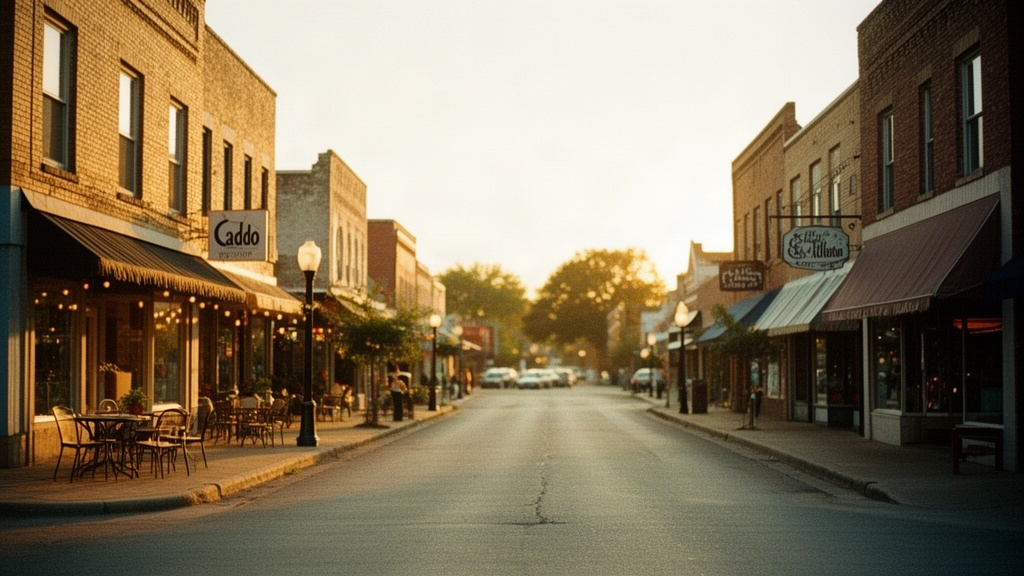
Sundance Square is the walkable heart of downtown Fort Worth. The district spans roughly 35 blocks between Throckmorton Street to the west, Commerce Street to the east, 2nd Street to the north, and 7th Street to the south. That footprint is compact enough that you can walk from one end to the other in under fifteen minutes, which shapes daily life in a way that feels different from most of Fort Worth's sprawling suburban landscape.
The Sundance Square Plaza and Its Surroundings
The centerpiece is Sundance Square Plaza, an open-air gathering space on Main Street between 3rd and 4th Streets. The plaza has retractable shade canopies that extend over a large portion of the space, which matters a great deal during Fort Worth summers when afternoon temperatures regularly reach 100 degrees Fahrenheit or higher. The surrounding blocks are lined with 19th and early 20th century brick commercial buildings, many of them restored and occupied by restaurants, bars, retail shops, and offices at street level with residential units above.
The streets themselves are part of what makes the area feel distinct. Several blocks have brick paving rather than asphalt, wide sidewalks, and consistent street trees that provide shade in the morning and evening. Living here means your daily environment is architecturally dense and visually active in a way that almost no other Fort Worth neighborhood matches. For context, the nearest comparable walkable district is the Near Southside, roughly a mile and a half south, but the building stock and retail concentration there differ considerably from Sundance Square's more commercial, event-driven character.
Grocery and Daily Errands
Full-service grocery shopping requires a short drive or rideshare. There is no large-format grocery store within the Sundance Square footprint itself. The closest options are a Tom Thumb on West 7th Street, roughly a mile and a half southwest, and a Kroger near the Cultural District, about two miles out. CVS Pharmacy has a location on Commerce Street within walking distance, which covers pharmacy needs and basic household supplies. For day-to-day residents, this means building grocery runs into a weekly car trip or using delivery services, which is a genuine trade-off compared to living in a neighborhood with a walkable grocery option.
2. Housing Stock, Building Types, and What You Will Pay
The housing supply near Sundance Square is almost entirely vertical and urban. Single-family detached homes do not exist within the immediate district. What you find instead are high-rise and mid-rise condominium buildings, historic loft conversions in repurposed commercial structures, and a smaller number of apartment towers. This is a fundamentally different product type from the majority of Fort Worth's housing market, and it comes with a corresponding price profile.
Condos and Loft Conversions
As of September 2026, condominium listings in and immediately around downtown Fort Worth typically range from the low $200,000s for a smaller one-bedroom unit to well over $700,000 for a larger two-bedroom or penthouse-level unit in a full-amenity building. Buildings like the Museum Place condominiums and the 1 Museum Place tower sit on the western edge of downtown near the Cultural District, offering a blend of downtown proximity and Cultural District access. Older loft conversions in the historic commercial buildings closer to the plaza core tend to have exposed brick, high ceilings, and original timber elements that newer construction does not replicate. These units trade square footage for character, and they attract buyers who prioritize the aesthetic of the building over maximizing bedroom count.
Rental vs. Ownership in the Urban Core
Renting is the more common tenure choice in this part of Fort Worth. Several large apartment communities operate within a five-block radius of the plaza, including buildings with rooftop pools, co-working lounges, and concierge services. Monthly rents for a one-bedroom apartment in this submarket currently run from approximately $1,500 to $2,400 depending on floor level, finishes, and included amenities. Two-bedroom units typically start around $2,200 and can reach $3,500 or more in newer buildings with premium finishes and views of the downtown skyline.
For buyers considering a purchase, the downtown Fort Worth condo market carries HOA fees that are higher than most Fort Worth suburban communities, often running $400 to $900 per month depending on building amenities. Those fees typically cover building maintenance, insurance on the structure, security, and shared amenity costs, but they are a real line item to factor into your monthly budget. If you are comparing the total cost of ownership here against a single-family home elsewhere in Fort Worth, the HOA fee changes the calculation significantly. You can explore more about the broader Fort Worth buying process in the Homes for Sale in Fort Worth: Buyers and Sellers Guide.
3. Getting Around: Commutes, Transit, and Parking
Living in the Sundance Square area of Fort Worth day to day means your relationship with transportation depends heavily on where you work. If your employer is downtown, you may genuinely be able to walk to work. If you work anywhere else in the Metroplex, you are going to drive, and the experience of that drive varies considerably by direction and time of day.
Driving and Parking Realities
Interstate 30 runs along the southern edge of downtown and connects to Dallas in roughly 30 to 45 minutes under normal traffic conditions. I-35W runs north-south and is accessible within minutes of the district. Heading north toward Alliance Airport takes about 25 to 30 minutes with typical morning traffic. Heading south toward Burleson takes a similar amount of time. The Medical District, which sits about two miles southwest of Sundance Square, is reachable in under ten minutes by car, making the downtown location genuinely practical for people employed at JPS Health Network or Texas Health Harris Methodist.
Parking is available but requires planning. There are several public garages within the Sundance Square district, and many residential buildings include one or two reserved spaces per unit. Street parking exists on surrounding blocks but fills quickly on weekday evenings and during events. Monthly reserved parking in a downtown garage currently runs $80 to $150 per month, which is an additional cost for residents whose building does not include a dedicated space.
The Molly the Trolley and TEXRail Connection
Fort Worth operates a free downtown circulator called Molly the Trolley, which runs a loop connecting Sundance Square to the Convention Center, the Near Southside, and Panther Island. It is useful for moving between downtown destinations without moving your car, though it is not a commuter tool. TEXRail, the commuter rail line that connects downtown Fort Worth's T&P Station to DFW Airport, runs from a station roughly six blocks from the plaza. A one-way trip to DFW Airport takes about 37 minutes, which is a real convenience for frequent travelers who live in the district.
4. Food, Nightlife, and Day-to-Day Entertainment
This is where the Sundance Square area earns its reputation as Fort Worth's most active urban district. The concentration of restaurants, bars, and entertainment options within walking distance of any residential building in the area is genuinely dense by Fort Worth standards, and the variety spans price points from casual to upscale.
Restaurants and Coffee Shops Within Walking Distance
Reata Restaurant on Sundance Square has been a Fort Worth institution for decades, serving upscale Texas cuisine in a setting that feels specifically rooted in the city's ranching heritage. Del Frisco's Double Eagle Steakhouse occupies a historic building on Commerce Street. Fixture, a rooftop bar and restaurant, draws a crowd on weekend evenings. For morning coffee, Avoca Coffee Roasters on Magnolia Avenue is a short drive south, but within the district itself, several cafe options operate on weekday mornings catering to the office worker population. The density of restaurant options means that residents who do not want to cook can eat every meal within walking distance for weeks without repeating a venue.
Live Music, Events, and the Arts
The Sundance Square Plaza hosts free outdoor concerts and community events throughout the year, including the Fort Worth Food and Wine Festival and a series of summer concerts on the plaza. Billy Bob's Texas, the world's largest honky-tonk, sits about a mile northwest in the Stockyards Historic District and draws major country music acts regularly. Bass Performance Hall, one of the finest concert halls in the American South, is four blocks from the plaza and hosts the Fort Worth Symphony Orchestra, the Fort Worth Opera, and touring Broadway productions. Living here means these venues are not occasional destinations; they become part of the rhythm of ordinary weekends.
The Downtown Fort Worth neighborhood guide from Homes.com provides a useful overview of the broader downtown district's amenities and housing context if you want a supplementary reference while researching the area.
5. Parks, Green Space, and Outdoor Life
Green space within the immediate Sundance Square footprint is limited but not absent. The district is an urban environment, and the trade-off for walkable density is that you are not going to have a large park within two blocks of your front door. What the area does offer is meaningful access to green space within a short distance, and that access improves significantly once you understand the geography.
Burnett Park and Heritage Park
Burnett Park sits at 5th and Lamar Streets, roughly three blocks from the plaza. It is a full city block of green lawn with mature trees, benches, and a fountain, and it functions as the primary outdoor breathing room for downtown residents. On weekday mornings you will find people walking dogs, eating breakfast, and sitting with laptops. Heritage Park, just east of the Tarrant County Courthouse, offers another small green space with historical markers and a view of the Trinity River corridor below.
The Trinity Trails Connection
The Trinity Trails system is the most significant outdoor resource for downtown residents. The trail network runs over 100 miles through Fort Worth along the Trinity River and its tributaries, and the main trail access point from downtown is less than half a mile from Sundance Square via the bluff stairs near Heritage Park. From there you can run, cycle, or walk for miles in either direction through a corridor of trees and open river bottom that feels genuinely removed from the urban environment above. The West Fork trail segment heading northwest toward the Botanic Garden is particularly well-maintained and offers a paved surface suitable for road bikes.
6. Practical Considerations Before You Move Here
Understanding what is it like to live in the Sundance Square area of Fort Worth day to day means being honest about the urban trade-offs, not just the highlights. This is a lively, dense, event-driven district, and those qualities that make it engaging on a Friday night are the same qualities that show up in less convenient ways on a Tuesday morning.
Noise, Density, and Urban Trade-offs
Noise is real and consistent in this district. Weekend evenings bring street traffic, live music from nearby venues, and the general energy of a busy entertainment district. Construction activity in downtown Fort Worth has been ongoing for several years as new mixed-use projects continue to rise, and that adds daytime noise to the equation. Residents who are sensitive to urban sound levels should visit on a Friday or Saturday evening before committing to a specific building or unit, and should ask specifically about sound insulation when touring condos or apartments on lower floors near active streets.
Density also means that amenities like dog parks, storage space, and private outdoor areas are limited or absent. Most residential buildings in the district do not have private yards. If you have a large dog, the nearest off-leash dog park is Trinity Park, about a mile and a half west near the Botanic Garden. Several buildings have small pet relief areas on the ground floor, but these are functional rather than spacious.
Schools and Services
Downtown Fort Worth falls within the Fort Worth Independent School District. For specific information about which campuses serve the downtown area and what programs they offer, the Fort Worth ISD website at fwisd.org is the most accurate and current source. School assignments can depend on your specific address, so verifying your zone directly with the district before finalizing a purchase or lease is the right approach.
Healthcare access from the Sundance Square area is strong. JPS Health Network's main campus is about two miles southwest. Texas Health Harris Methodist Hospital Fort Worth is roughly a mile and a half west on Pennsylvania Avenue. Both are reachable in under ten minutes by car from the district under normal conditions. Urgent care clinics also operate within the broader downtown area for non-emergency needs.
For a broader picture of the downtown Fort Worth real estate market and what buyers typically encounter, the overview at Briggs Freeman Sotheby's Downtown Fort Worth page provides additional context on the district's housing profile.
FAQ
Is Sundance Square a good place to live full-time, or is it more of a visitor destination?
Sundance Square functions as both, and the balance between those two roles is part of what makes daily life there distinctive. There is a genuine residential population living in condos and apartment buildings within and immediately around the district, and those residents develop routines around the local restaurants, the plaza, Burnett Park, and the Trinity Trails access nearby. The entertainment and event programming does mean the area is busier and louder on weekends than a suburban neighborhood would be, so the experience of living there full-time is shaped by that energy in both positive and practical ways. People who thrive in active urban environments tend to find the trade-offs worthwhile; those who prioritize quiet and space typically look at other Fort Worth neighborhoods instead.
What types of homes are available near Sundance Square, and what do they cost in September 2026?
The housing stock near Sundance Square is almost entirely composed of condominiums, loft conversions in historic commercial buildings, and apartment units in mid-rise and high-rise buildings. Single-family homes do not exist within the immediate district. As of September 2026, for-sale condominiums in the downtown Fort Worth submarket typically range from approximately $200,000 for a smaller one-bedroom unit to $700,000 or more for a larger or premium-floor unit. Monthly HOA fees in most buildings run $400 to $900 and cover building maintenance, structure insurance, and shared amenities. Rental rates for one-bedroom apartments currently range from about $1,500 to $2,400 per month depending on the building and floor.
How do residents near Sundance Square handle daily needs like groceries and errands?
There is no full-service grocery store within walking distance of Sundance Square itself, which is one of the most consistent practical limitations residents mention. The closest options are a Tom Thumb on West 7th Street and a Kroger near the Cultural District, both roughly one and a half to two miles away and most easily reached by car or rideshare. A CVS Pharmacy on Commerce Street covers pharmacy and basic household supply needs within the walkable district. Many residents use grocery delivery services to manage this gap, while others build a weekly car trip into their routine. For everything else, including dining, entertainment, and personal services, the walkable concentration within the district is one of the strongest in Fort Worth.