
← Back to Blog
Buying
Homes for Sale in North Raleigh: Neighborhoods, Prices and What to Expect in 2026
By Shalon Leonard
BIC, SFR®, RENE, ABR, NACA, P&C Insurance, Notary Public
September 24, 2026 · 11 min read
North Raleigh stretches from roughly the I-440 Beltline north to the Wake County line, and the homes for sale in North Raleigh right now span a wider range of styles, lot sizes and price points than most buyers expect. This guide covers the key neighborhoods, what the September 2026 market actually looks like, how prices compare across the corridor, and what you need to know before making an offer.
1. What Makes North Raleigh Its Own Market
North Raleigh is a distinct real estate corridor, not a single neighborhood. Most agents and buyers use the term to describe everything north of the I-440 Beltline up through zip codes like 27615, 27616, 27613, and 27614, reaching toward Rolesville and the Wake County line. Within that corridor you will find established subdivisions from the 1980s sitting alongside newer communities built in the last five years, which means buyers at almost any budget have something to look at.
How North Raleigh Is Defined
The boundaries matter because they affect your commute, your property taxes and what school attendance zones you fall into. The core of North Raleigh runs along the Six Forks Road and Falls of Neuse Road corridors, with Creedmoor Road forming a western spine and Capital Boulevard serving the eastern edge. Understanding which part of North Raleigh a listing sits in tells you a lot about drive times, lot sizes and the age of the infrastructure around it.
For school zone research, the Wake County Public School System website publishes an address lookup tool you can use to verify attendance boundaries before making an offer. That is always worth checking directly rather than relying on listing descriptions.
The Housing Stock You Will Actually Find
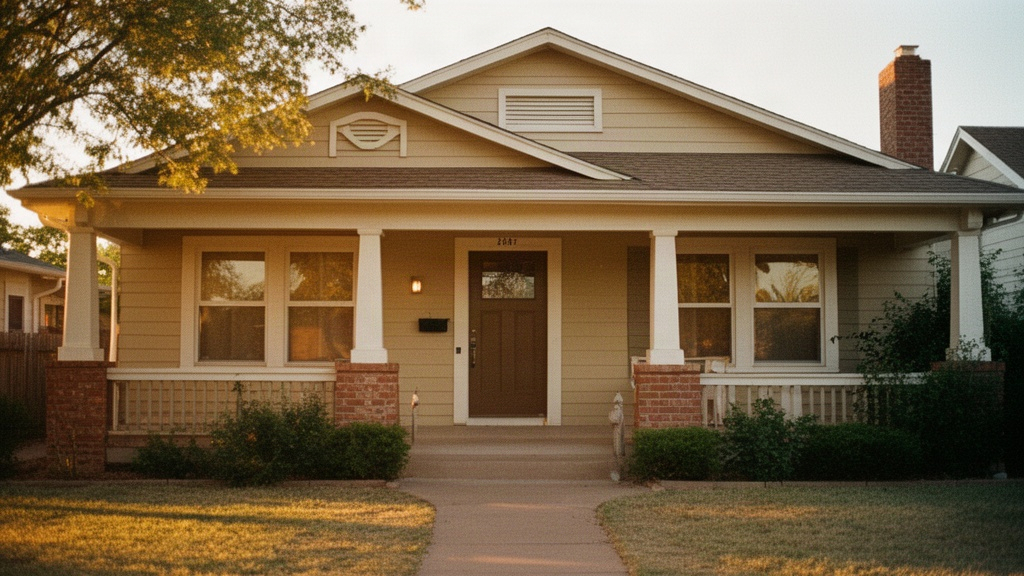
North Raleigh's housing stock is genuinely varied. Brick ranch homes from the 1970s and 1980s sit in established neighborhoods like Stonehenge and Strickland. Larger two-story colonials and craftsman-style homes dominate the planned communities built through the 1990s and 2000s. Townhomes and patio homes, many of them built after 2015, are concentrated near the North Hills area and along the 540 corridor near Brier Creek. If you are researching condos specifically, the companion article on buying a condo in North Raleigh covers that segment in detail.
2. North Raleigh Neighborhoods and What They Offer
Each pocket of North Raleigh has a distinct character, price range and commute profile. Knowing the differences before you start touring saves time and helps you focus on listings that actually match your priorities.
North Hills and Midtown Edge
North Hills sits at the southern edge of the North Raleigh corridor, roughly at the intersection of Six Forks Road and I-440. The area anchors around the North Hills mixed-use development, which includes retail, restaurants and office space all within walking distance of residential streets. Homes here tend to be on smaller lots, often under a quarter acre, but the walkability and proximity to Midtown Raleigh make it one of the more active sub-markets in the corridor. Detached single-family homes in North Hills currently list between $500,000 and $900,000 depending on size and renovation status, while townhomes and attached units start closer to $350,000.
Falls of Neuse and Wakefield Plantation
Moving north along Falls of Neuse Road, the lots get larger and the neighborhoods become more suburban in character. Wakefield Plantation is one of the larger planned communities in this stretch, built around a golf course and featuring homes that range from roughly 2,000 to over 4,500 square feet. Prices in Wakefield currently run from the mid $400,000s for smaller homes up to $900,000 and beyond for the larger golf-front properties. The Falls of Neuse corridor also connects directly to Falls Lake, one of the largest reservoirs in Wake County, giving residents access to boating, fishing and the Mountains-to-Sea Trail.
Brier Creek and the 540 Corridor
Brier Creek occupies the northwest corner of North Raleigh near the I-540 and I-40 interchange, close to the Durham County line. The area has a high concentration of newer construction, including townhomes and single-family homes built from the early 2000s through the present. Brier Creek Country Club anchors a portion of the community. Prices in the Brier Creek area currently range from around $350,000 for a two-bedroom townhome to over $700,000 for larger detached homes. The Brier Creek real estate market guide on this site goes deeper on that specific sub-market if you want more detail.
Stonehenge, Strickland and the Interior Neighborhoods
The interior neighborhoods between Six Forks and Creedmoor, including Stonehenge, Strickland, Queensferry and Heritage Hills, tend to feature older brick homes on lots of one-third to half an acre. These neighborhoods were built primarily between 1975 and 1995, and many homes have been updated over the years with renovated kitchens, added square footage and landscaped yards. Prices here currently run from roughly $400,000 for a three-bedroom ranch to $650,000 for a fully updated four-bedroom colonial. Because the homes are older, buyers should budget for inspections that look closely at HVAC systems, roofing and any additions that may have been permitted or unpermitted.
3. What Homes for Sale in North Raleigh Cost Right Now
As of September 2026, the median sale price for a single-family home in the North Raleigh corridor sits at approximately $520,000, though that number moves considerably depending on the specific zip code, lot size and age of the home. Buyers who are flexible on location within North Raleigh can often find meaningfully different prices just a few miles apart.
Median Prices by Area
Zip code 27615, which covers much of the Six Forks and Strickland corridor, currently has a median sale price around $530,000. Zip code 27614, which reaches further north toward Rolesville and includes Wakefield, runs closer to $545,000. The 27613 zip code covering Brier Creek and the northwest portion of North Raleigh sits near $480,000, partly because it includes a higher share of townhomes and attached units. Zip code 27616 on the northeastern side, which includes newer master-planned communities near Rolesville Road, is closer to $430,000, making it one of the more accessible entry points into the North Raleigh market.
What Your Budget Gets You
At $400,000 to $450,000, buyers in North Raleigh are typically looking at three-bedroom homes under 1,800 square feet, townhomes in established communities, or older ranches that may need cosmetic updating. From $450,000 to $600,000, the options open up considerably: four-bedroom homes with two-car garages, updated kitchens and decent lot sizes are available across multiple neighborhoods. Above $650,000, buyers start finding homes with larger lots, finished basements, screened porches and premium finishes, particularly in Wakefield, the Stonehenge area and along Falls of Neuse.
How North Carolina Compares Nationally
North Carolina as a whole continues to attract buyers from higher-cost markets. According to HousingWire's affordability analysis, North Carolina home prices have run roughly 20% below the national average, which helps explain why the Triangle continues to draw relocation buyers from the Northeast, Midwest and West Coast. That relative affordability does not mean prices are low by historical standards, but it does mean buyers coming from markets like New York, Boston or San Francisco often find North Raleigh significantly more accessible than what they left behind.
4. The North Raleigh Market in September 2026
The North Raleigh market in September 2026 is more balanced than it was during the peak years of 2021 and 2022, but it is not a buyer's market in the traditional sense. Well-priced homes in established neighborhoods still move within two to three weeks, while overpriced listings or homes needing significant work can sit for 45 to 60 days before sellers adjust.
Inventory and Days on Market
Active inventory in North Raleigh is currently running higher than it was in 2023 and 2024, which gives buyers more options and more negotiating room than they had during the tightest part of the market. The average days on market across the corridor is approximately 22 days as of September 2026, compared to a low of around 7 to 10 days during the 2022 peak. That shift means buyers have time to do proper due diligence rather than waiving inspections under competitive pressure, which is a meaningful change.
Seller and Buyer Dynamics
Sellers in North Raleigh are still largely getting close to list price on homes priced correctly from the start. The sale-to-list price ratio across the corridor currently sits around 98 to 99 percent, meaning sellers are giving up very little from their asking price on average. Multiple-offer situations still occur on move-in-ready homes in the $400,000 to $550,000 range, particularly when inventory in that segment is thin. If you are selling and want to understand what drives the fastest results, the article on what sells homes fastest in Raleigh breaks down pricing strategy and timing in detail.
New Construction Activity
New construction remains active in North Raleigh, particularly in the 27616 zip code near Rolesville and in pockets along the 540 corridor. Several builders are currently offering finished inventory and spec homes in the $420,000 to $620,000 range, which creates direct competition with the resale market. Buyers considering new construction should understand that builder contracts are structured differently from resale contracts, and having an independent buyer's agent review the terms before signing is worth the time. Builder incentives, including rate buydowns and closing cost contributions, are more common right now than they were two years ago.
5. Commutes, Amenities and Daily Life in North Raleigh
Where you land within North Raleigh affects your daily commute more than almost any other factor. The corridor is large enough that two homes both described as North Raleigh can have very different drive times to downtown, to Research Triangle Park or to RDU International Airport.
Getting Around
From the North Hills area, downtown Raleigh is roughly 6 miles south via Six Forks Road or the Beltline, which translates to 15 to 20 minutes outside of peak hours and 25 to 35 minutes during morning and evening rush. From Wakefield in the northern end of the corridor, that same trip runs closer to 20 to 30 minutes off-peak and 35 to 45 minutes during rush hour. Research Triangle Park sits about 25 to 35 minutes from most of North Raleigh via I-540 west. RDU airport is approximately 20 to 30 minutes from the Brier Creek area and 30 to 40 minutes from the northeastern neighborhoods.
Parks, Greenways and Open Space
North Raleigh has a substantial network of parks and greenway access. Shelley Lake Park in the 27609 area near the southern edge of the corridor offers a 22-acre lake with a paved loop trail and picnic areas. Anderson Point Park along the Neuse River Greenway provides kayak launches and connections to the larger trail network. Falls Lake State Recreation Area, accessible from the northern end of the corridor via New Light Road, offers over 26,000 acres of land and water for hiking, camping, boating and swimming. The Raleigh Greenway system also runs through multiple North Raleigh neighborhoods, connecting residents to trails that extend across much of the city.
Shopping and Dining Along the Corridor
North Raleigh has several distinct commercial nodes that serve daily needs without requiring a trip to Midtown or downtown. The North Hills mixed-use center includes a Whole Foods, multiple restaurants and a movie theater. The Brier Creek Commons shopping center near I-540 has a large-format grocery, big-box retail and a wide range of dining options. The Falls River Town Center near Wakefield has a Harris Teeter and a cluster of local restaurants. For buyers relocating from out of state, these commercial anchors are worth mapping against your target neighborhoods so you know what your grocery run and errand day actually look like.
6. How to Buy a Home in North Raleigh: Practical Steps
Buying a home in North Raleigh follows the same general process as buying anywhere in Wake County, but the local details matter. Understanding how this specific market operates will help you avoid the most common mistakes buyers make when they are new to the area.
Get Pre-Approved Before You Search
In the current North Raleigh market, sellers expect to see a pre-approval letter with any offer. A pre-qualification is not the same thing and will not carry the same weight. Spend the time upfront getting a full pre-approval from a lender, which means submitting income documentation, tax returns and bank statements. Buyers who are relocating to Raleigh from another state should also ask their lender about any state-specific requirements that could affect closing timelines. For a broader look at the full purchase process in Wake County, the first-time home buyer guide for Raleigh covers pre-approval, earnest money, inspections and closing costs in detail.
Know Your Target Zip Codes
North Raleigh spans five zip codes, and each one has a different inventory level, price range and commute profile. Before you start touring homes, map out which zip codes align with your budget, your workplace and the amenities that matter most to you. Being open to two or three zip codes rather than fixating on one expands your options considerably in a market where inventory can be limited at specific price points. If you are relocating and need help narrowing down where to focus, the article on relocating to Raleigh and finding a home is a useful starting point.
Making a Competitive Offer
In September 2026, the North Raleigh market rewards buyers who are prepared but does not punish those who take time to negotiate on homes that have been sitting. For homes priced correctly and listed within the last two weeks, plan to offer at or very close to list price with a clean contract. For homes that have been on market for 30 days or more, there is typically room to negotiate on price, repairs or seller-paid closing costs. Your agent should pull recent comparable sales in the specific neighborhood before you make any offer, not just across North Raleigh as a whole, because price-per-square-foot can vary by 10 to 15 percent between neighborhoods just a mile apart.
FAQ
What is the median home price in North Raleigh as of September 2026?
The median sale price for a single-family home across the North Raleigh corridor is approximately $520,000 as of September 2026, though it varies by zip code. Zip code 27616 on the northeastern side is closer to $430,000, making it one of the more accessible entry points. The 27615 zip code along the Six Forks corridor sits near $530,000, and the 27614 zip code covering Wakefield runs around $545,000. Buyers with flexibility on location within North Raleigh can often find meaningfully different prices just a few miles apart.
How long are homes sitting on the market in North Raleigh right now?
As of September 2026, the average days on market across North Raleigh is approximately 22 days, which is considerably longer than the 7 to 10 day average seen at the peak of the market in 2022. Well-priced, move-in-ready homes in the $400,000 to $550,000 range can still sell within two weeks and occasionally attract multiple offers. Homes priced above market or needing significant work tend to sit for 45 to 60 days before sellers make adjustments. The current pace gives buyers more time for inspections and due diligence than the previous few years allowed.
Is North Raleigh a good area to look at for new construction?
New construction is actively available in North Raleigh, particularly in the 27616 zip code near Rolesville and in communities along the I-540 corridor. Several builders currently have finished inventory and spec homes priced between $420,000 and $620,000, which puts them in direct competition with the resale market. Builder contracts differ from standard resale contracts in important ways, including limited contingency rights and specific warranty terms, so having an independent buyer's agent review any builder agreement before signing is worth the time. Builder incentives including rate buydowns and closing cost contributions are more common in September 2026 than they were in 2024, so there is often room to negotiate beyond the base price.