← Back to Blog
Buying
Buying a Home in Stratford, Connecticut: Process, Costs and Timeline
By Shanel Rankin
September 11, 2026 · 12 min read
Buying a home in Stratford, Connecticut involves more moving parts than most first-time buyers expect, and more local nuance than any generic checklist can capture. This guide walks through the full process, the real costs you will encounter, and a realistic timeline from your first mortgage conversation to the day you pick up the keys.
1. Why Stratford's Housing Market Shapes Your Buying Strategy
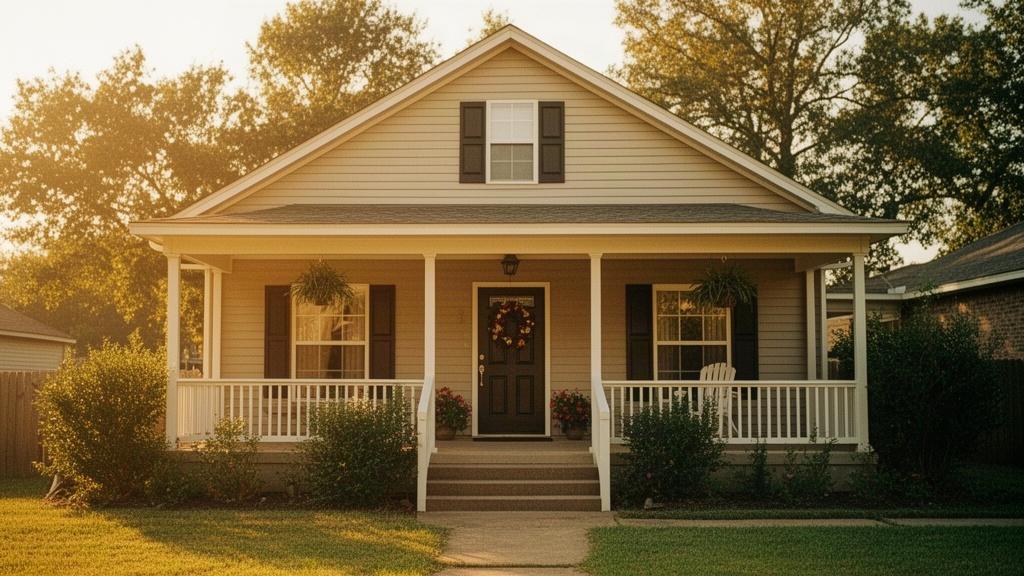
Stratford's market context matters before you do anything else. The town sits between Bridgeport and Milford along the Housatonic River and Long Island Sound shoreline, and its housing stock reflects that geography: you will find everything from compact Cape Cods and colonials on quarter-acre lots in neighborhoods like Lordship and Oronoque to larger split-levels and ranches closer to Route 1. That variety means price points spread across a wide range, and knowing where you land in that range before you start touring homes saves weeks of wasted time.
What the Inventory Looks Like Right Now
As of September 2026, Stratford continues to operate with limited inventory relative to buyer demand. Homes that are priced correctly and show well routinely go under contract within the first two weeks on market. The Lordship peninsula, with its coastal character and proximity to Short Beach and Long Beach, tends to move especially quickly. If you want a deeper look at what prices are doing right now, the current median home price breakdown for Stratford is a useful starting point before you set your search filters.
How Prices Affect Your Opening Moves
Single-family homes in Stratford have generally traded in the low-to-mid $400,000s for median-priced properties, though coastal streets and updated colonials in certain pockets push well above that. Condominiums and townhomes, including units near Oronoque Village, offer entry points in the $200,000 to $300,000 range. Knowing these brackets early tells you how much cash you need to have ready, what loan program fits, and how aggressively you will need to move when a listing appears. Connecticut is an attorney-state transaction, which adds a layer of process that buyers from other states sometimes underestimate.
2. The Step-by-Step Process for Buying a Home in Stratford, Connecticut
The process of buying a home in Stratford, Connecticut follows a sequence that is largely the same whether you are a first-time buyer or moving up from a condo. Each step has a local wrinkle worth knowing about before you reach it.
Getting Pre-Approved and Setting Your Budget
Pre-approval is not optional in this market. Listing agents in Stratford will not present an offer to their seller without a current pre-approval letter, and sellers routinely choose between multiple offers. Work with a lender who can issue a letter quickly and who is reachable on short notice, because you may need an updated letter with a specific purchase price within hours of deciding to make an offer.
Connecticut Housing Finance Authority (CHFA) programs are worth exploring if you are a first-time buyer or have not owned a home in the past three years. CHFA offers below-market interest rates and down payment assistance that can meaningfully reduce what you need at the closing table. Your lender should be familiar with these programs and able to tell you within a single conversation whether you qualify.
Working With a Local Agent and Searching Actively
A buyer's agent who knows Stratford's neighborhoods, flood zone boundaries, and commuter infrastructure will save you from costly surprises. Stratford's location on Metro-North's New Haven Line means commute times to Stamford run roughly 45 to 50 minutes and to Grand Central Terminal around 90 minutes, which affects how different parts of town are priced. Homes within walking distance of the Stratford train station on Longbrook Avenue tend to carry a premium for that reason.
Set up automated MLS alerts the day you are pre-approved. In a market where well-priced homes move in under two weeks, waiting to check listings manually puts you behind buyers who are notified the moment a property goes live. Your agent should also be reaching out to their network for off-market or coming-soon opportunities, which do exist in Stratford even if they are not advertised.
Making an Offer in a Competitive Market
Offer strategy in Stratford is not one-size-fits-all. A colonial on a quiet street near Stratford's Shakespeare Theatre District or close to Boothe Memorial Park may draw multiple offers over asking price. A condo that has been sitting for 30 days may have room to negotiate. Your agent should pull comparable sales from the past 60 to 90 days and walk you through what the data supports before you write a number.
Earnest money deposits in Connecticut typically run one to two percent of the purchase price, held in escrow by the real estate brokerage or the attorney. On a $425,000 purchase that is roughly $4,250 to $8,500 due within a few days of an accepted offer. This money is credited toward your closing costs, so it is not an extra expense, but it does need to be liquid and accessible.
Inspections, Attorney Review, and the Contract Period
Connecticut is an attorney-state, which means both the buyer and seller are each represented by their own real estate attorney throughout the transaction. Your attorney reviews and negotiates the purchase and sale agreement, handles title work, and manages the closing. Attorney fees in Fairfield County typically run $900 to $1,500 for a standard residential purchase. Budget for this from the start.
Home inspections are standard and strongly recommended. A general home inspection runs $400 to $600 for a typical single-family home in Stratford. Given the town's proximity to tidal water and the age of much of its housing stock (many colonials and ranches date from the 1950s through the 1970s), additional inspections for oil tanks, radon, and well or septic systems (if applicable) are common. Radon testing adds roughly $150 to $200. If the home is in a flood zone, your agent should flag this before you make an offer, because flood insurance costs will affect your monthly payment materially.
The contract period between accepted offer and closing typically runs 45 to 60 days in Connecticut, though cash transactions can close faster. During this window your lender orders an appraisal, the title search is completed, and any inspection-related negotiations are resolved. This period is where deals either hold together or fall apart, and having a responsive attorney and agent makes a measurable difference.
Closing Day in Connecticut
Connecticut closings typically happen at the office of one of the attorneys involved, or at a title company. You will sign a significant stack of documents and bring a certified or wire-transferred cashier's check (or wire) for the remaining funds due at closing. The deed is then recorded with the Town of Stratford, and you receive your keys. Remote or hybrid closings are increasingly common, so confirm the logistics with your attorney a week in advance.
3. The Real Costs of Buying a Home in Stratford, CT
The costs of buying a home in Stratford extend well beyond the down payment. Buyers who plan only for the down payment are routinely caught short at the closing table. Here is a realistic breakdown of what to expect.
Upfront and Out-of-Pocket Costs
- Down payment: Conventional loans typically require 5% to 20% down. On a $425,000 purchase that is $21,250 to $85,000. FHA loans allow 3.5% down with qualifying credit. CHFA programs can layer on top of either.
- Home inspection: $400 to $600 for a general inspection. Add $150 to $200 for radon, and additional fees for oil tank sweeps or specialty inspections. These are paid directly to the inspector at time of service.
- Appraisal: $500 to $700 for a standard single-family appraisal in Fairfield County, paid to your lender as part of the loan process.
- Attorney fee: $900 to $1,500 for buyer's attorney services in Fairfield County, depending on complexity.
- Earnest money deposit: 1% to 2% of purchase price, credited at closing but must be liquid at time of offer acceptance.
Connecticut-Specific Taxes and Fees
Connecticut has a conveyance tax that is paid by the seller, not the buyer, so it does not come out of your pocket directly. However, buyers in Connecticut do pay a mortgage recording fee and title insurance. Lender's title insurance is required by your mortgage company; owner's title insurance is optional but strongly recommended. On a $425,000 purchase, combined title insurance premiums typically run $1,500 to $2,500 depending on the title company and coverage chosen.
Property taxes in Stratford are assessed by the Town of Stratford and billed twice per year. The mill rate varies, so confirm the current annual tax bill on any specific property with your agent before making an offer. Property taxes are prorated at closing, meaning you will receive or pay a credit depending on where in the tax cycle the closing falls.
For a broader look at how Connecticut's costs compare to national benchmarks, Bankrate's guide to buying a house in Connecticut covers state-level closing cost averages and loan program details that are worth reviewing before you finalize your budget.
Ongoing Costs After Closing
- Homeowner's insurance: Annual premiums for a standard single-family home in Stratford typically run $1,200 to $2,000 per year, though coastal or flood-zone properties carry higher rates.
- Flood insurance: Required by lenders for properties in FEMA-designated Special Flood Hazard Areas. Premiums vary widely but can add $1,000 to $3,000 or more annually for properties in Stratford's coastal zones near Lordship or Short Beach.
- HOA fees (if applicable): Condo communities and some planned developments in Stratford carry monthly HOA fees ranging from roughly $200 to $600 per month depending on amenities and unit type.
- Maintenance reserve: Financial planners commonly suggest budgeting 1% of the home's value per year for maintenance. On a $425,000 home that is $4,250 annually, or about $354 per month.
4. How Long Does It Take to Buy a Home in Stratford?
From first mortgage conversation to closing day, buying a home in Stratford, Connecticut realistically takes two to five months for most buyers. The range depends on how quickly you find a home you want to buy, how competitive the offer situation is, and whether any complications arise during the contract period.
Phase-by-Phase Timeline
- Pre-approval and preparation: One to two weeks. Gathering documents (tax returns, pay stubs, bank statements), selecting a lender, and receiving a pre-approval letter. Some lenders can turn this around in 48 to 72 hours if you are organized.
- Active home search: Two weeks to three months. This is the most variable phase. Some buyers find the right home in the first two weeks; others search for several months before an offer sticks. In Stratford's current inventory environment, buyers who are decisive tend to shorten this phase considerably.
- Offer to accepted contract: One to five days in most cases. Sellers typically respond within 24 to 48 hours. Multiple-offer situations may resolve within a single day.
- Contract period (inspection through closing): 45 to 60 days is standard for financed purchases in Connecticut. This covers inspections, appraisal, attorney review, title search, and final loan underwriting.
- Total typical timeline: Two to five months from starting the process to receiving keys, assuming no major delays.
What Can Speed Up or Slow Down Your Closing
Cash purchases can close in as little as two to three weeks once a contract is signed, since there is no lender appraisal or underwriting process to wait on. On the other end, delays in loan underwriting, a low appraisal that requires renegotiation, or title issues discovered during the search can each add one to three weeks. Properties with oil tanks, septic systems, or flood zone complications often take longer to close because additional due diligence is required.
If you are also selling a home before buying, the timeline becomes more complex. Coordinating two closings, especially if you are selling in Stratford and buying locally, requires careful sequencing. Your agent and attorney should map out both timelines together from the start so you are not caught in a gap between closings.
The NAR's consumer guide on preparing for homeownership is a solid reference for understanding what lenders look at during underwriting and how to position your finances before you start the process. Reading it before your first lender conversation can help you avoid common delays.
5. Local Details That Matter When Buying in Stratford
Stratford has a few specific characteristics that affect the buying process in ways that generic guides will not flag. Knowing them before you make an offer puts you in a stronger position.
Flood Zones and Insurance Requirements
A meaningful portion of Stratford's residential properties fall within FEMA flood zones, particularly in the Lordship area and along the Housatonic River waterfront. If a property is in a Special Flood Hazard Area and you are financing the purchase, your lender will require flood insurance as a condition of the loan. Request the current flood zone designation from your agent before you schedule a showing, not after you have fallen in love with the house. The cost difference between a flood-zone and non-flood-zone property, when you factor in annual insurance premiums, can shift the effective affordability significantly.
Oil Heat and Underground Storage Tanks
Many of Stratford's older single-family homes, particularly those built between the 1950s and 1980s, were originally heated with oil and may have underground storage tanks (USTs) that were decommissioned at some point. An oil tank sweep is a relatively inexpensive inspection (typically $150 to $300) that uses ground-penetrating radar to detect buried tanks. If a UST is found and has leaked, remediation costs can reach tens of thousands of dollars. This is not a step to skip on older Stratford properties.
Commuter Infrastructure and Location Within Town
Stratford's Metro-North train station connects to New Haven in roughly 15 minutes and to Stamford in about 45 to 50 minutes. Interstate 95 and Route 8 both pass through town, making Stratford a practical base for workers commuting to Bridgeport, New Haven, or Fairfield. The western side of town near the Milford border tends to offer slightly shorter highway on-ramp distances, while the Lordship peninsula trades commute convenience for coastal character. Where you prioritize in that tradeoff should influence which streets you focus your search on. You can read more about how one specific area balances these factors in this piece on living in the Paradise Green neighborhood, which sits near the town center with relatively quick access to both I-95 and Route 1.
Parks, Amenities, and What the Town Offers Day-to-Day
Stratford has over 30 parks and open spaces, including Boothe Memorial Park with its 32-acre grounds and historic structures, and the Stratford Marina on the Housatonic. Short Beach and Long Beach in the Lordship section provide direct access to Long Island Sound. The town's commercial corridors along Main Street and Barnum Avenue include grocery stores, pharmacies, and local restaurants within a short drive of most residential areas. For buyers relocating from outside Connecticut, Stratford sits roughly 60 miles from Midtown Manhattan by rail and about 15 miles from downtown New Haven.
FAQ
Do I need a real estate attorney to buy a home in Stratford, Connecticut?
Yes. Connecticut is an attorney-state for real estate transactions, which means both the buyer and seller are each represented by their own attorney throughout the process. Your attorney reviews the purchase and sale agreement, handles the title search, manages the closing, and records the deed with the Town of Stratford. This is not optional if you are financing the purchase, and even cash buyers benefit from having an attorney involved. Budget $900 to $1,500 for buyer's attorney fees in Fairfield County, depending on the complexity of the transaction.
How much do I need for a down payment on a Stratford, CT home?
It depends on the loan program you use. Conventional loans typically require 5% to 20% down, which on a $425,000 purchase works out to $21,250 to $85,000. FHA loans allow as little as 3.5% down for buyers who meet credit requirements. Connecticut Housing Finance Authority (CHFA) programs can provide below-market interest rates and down payment assistance for eligible first-time buyers or those who have not owned in the past three years. Beyond the down payment, plan for an additional 2% to 4% of the purchase price to cover closing costs, inspections, and attorney fees.
Is Stratford, Connecticut a competitive market for buyers right now?
As of September 2026, Stratford operates with limited inventory relative to the number of active buyers, and correctly priced homes in move-in condition routinely go under contract within two weeks of listing. Multiple-offer situations are not uncommon on properties in desirable locations near the train station or along the coast. Buyers who are pre-approved, decisive, and working with an agent who knows the local market are in a meaningfully better position than those who are still gathering financial documents when a listing appears. The market does vary by price point and property type, so discuss current conditions with a local agent before setting your expectations.