← Back to Blog
Buying
Is Fall 2026 a Good Time to Buy a House in Stratford CT or Should I Wait Until Spring 2027?
By Shanel Rankin
September 25, 2026 · 11 min read
If you are asking whether fall 2026 is a good time to buy a house in Stratford CT or whether you should wait until spring 2027, the honest answer depends on your financial position, your timeline, and what you are willing to trade. This article breaks down the Stratford market right now, what typically shifts between fall and spring, what national forecasters are saying about 2027, and how to think through the decision without guessing.
1. What the Stratford CT Housing Market Looks Like Right Now in Fall 2026
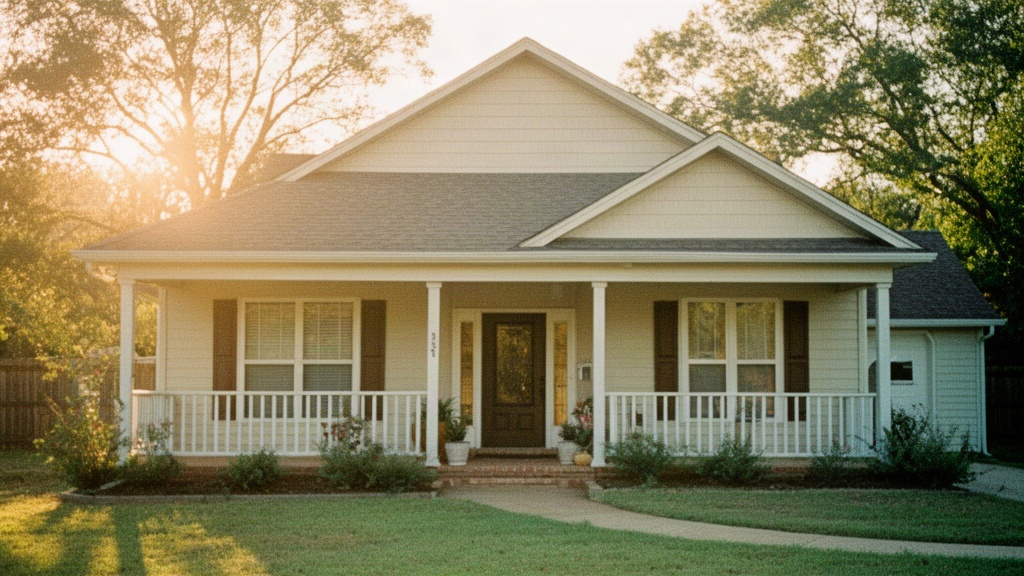
Stratford's housing market in September 2026 is tighter than many buyers expect. Inventory has loosened slightly compared to the historic lows of 2023 and 2024, but the town still has fewer active listings than a balanced market would suggest. Median single-family home prices in Stratford are hovering in the low-to-mid $400,000s as of this month, with well-maintained colonials and ranches in areas like Paradise Green and Oronoque moving quickly when priced correctly.
Inventory and Price Conditions This September
Months of supply in Stratford currently sits below two months for single-family homes, which still favors sellers in most price brackets. That said, homes priced above $550,000 are sitting slightly longer than they were earlier in 2026, giving buyers at that price point more room to negotiate on inspection contingencies, closing cost credits, and final price. Below $400,000, multiple-offer situations are still common, particularly for move-in-ready ranches and cape cods within walking distance of the Metro-North station on Stratford Avenue.
Days on market for Stratford homes has crept up modestly since spring 2026, averaging around 18 to 25 days for properties priced at market value. That is a meaningful shift from the 8 to 12 day averages seen in early 2024. More days on market means more time for buyers to conduct due diligence, order inspections without waiving them, and negotiate without the panic that defined the peak frenzy years.
What Types of Homes Are Available
Stratford's housing stock is genuinely diverse, which matters when you are timing a purchase. You will find postwar colonials and split-levels throughout the interior neighborhoods, mid-century ranches near Longbrook Park, and a mix of vinyl-sided capes and brick two-families closer to the Bridgeport line on the west side. The Lordship peninsula, which sits along Long Island Sound, carries a different price profile entirely, with waterfront and water-view properties trading above $600,000 and sometimes well above $1 million depending on lot position and condition.
Condo and townhouse inventory is also worth watching this fall. Several complexes near Exit 32 off I-95 and along Broadbridge Avenue have units listed in the $250,000 to $350,000 range, which makes them the most accessible entry point in town. If you are weighing a condo purchase specifically, the considerations are different enough that it is worth reading through the dedicated guide to buying a condo in Stratford, Connecticut before you decide on timing.
2. The Real Advantages of Buying in Stratford CT This Fall
Fall is genuinely one of the stronger windows to buy in a market like Stratford, and the reasons are practical rather than seasonal cliches. Buyer traffic drops noticeably after Labor Day as school schedules take over and many house-hunters put their search on hold until spring. That reduced competition changes the dynamic at the negotiating table in ways that directly benefit the buyers who stay active.
Less Competition from Other Buyers
Open houses in Stratford this September are drawing smaller crowds than they did in April and May. When a home in the Oronoque Village area or near Short Beach drew six or eight competing offers in spring, that same property type in October might draw two or three. Fewer offers mean you are less likely to be pushed into waiving contingencies, bidding above your ceiling, or skipping an inspection to win. Those are real protections worth preserving, especially on older New England housing stock where a thorough inspection can reveal deferred maintenance that changes the calculus entirely.
Motivated Sellers and Negotiating Room
Sellers who list in October and November in Stratford are typically motivated. A homeowner who chose not to list in the busy spring market and is now listing in fall usually has a real reason: a job relocation, an estate situation, a life change that cannot wait until March. That motivation often translates into a willingness to negotiate on price, closing date flexibility, or seller concessions toward closing costs. A seller who needs to close before the end of the calendar year can be particularly open to creative terms.
Rate Lock Timing and Year-End Lending Patterns
Mortgage rates in September 2026 remain elevated compared to the pre-2022 era, but they have stabilized in a range that lenders and buyers are increasingly treating as the new normal. The Federal Reserve's posture heading into late 2026 has created some expectation of modest rate movement, but forecasters have been consistently wrong about the timing and direction of rate changes throughout this cycle. Locking a rate this fall on a home you want, at a price you can afford, eliminates the guessing game entirely. You can always refinance if rates drop meaningfully in 2027 or beyond.
Lenders also tend to process applications faster in the fall and early winter because loan volume is lower. A 30 to 45 day close that felt stressful in the spring rush can feel much more manageable when your lender's pipeline is lighter. That can matter a great deal if you are also coordinating a lease end date or a move from out of state.
3. What Waiting Until Spring 2027 Could Actually Cost You
Waiting until spring 2027 is not a risk-free choice; it simply trades one set of risks for another. Understanding what you are walking into if you pause your search is just as important as understanding what you gain by buying now.
How Spring Demand Changes the Playing Field in Stratford
Every spring, buyer demand in Stratford surges. Families who spent the winter researching neighborhoods, visiting open houses online, and saving for a down payment all activate at roughly the same time, typically between late February and early May. That wave of demand hits a market where inventory builds slowly, which means the homes that come on in March and April often receive multiple offers within days. The negotiating leverage you have this October is unlikely to exist in April 2027.
Price appreciation in Stratford has been steady rather than dramatic, but it is real. If median prices move up even three to four percent between now and spring 2027, a home priced at $425,000 today would list closer to $438,000 to $442,000. At a six percent interest rate, that price difference adds roughly $85 to $95 to your monthly payment before taxes and insurance. Six months of waiting in a rising market is not free.
What National Forecasters Are Saying About 2027
National housing forecasts for 2027 are cautiously optimistic but not the relief rally many buyers are hoping for. According to a CNBC analysis published in August 2026, buyers waiting for 2027 should expect modest affordability improvements at best, with home prices continuing to hold firm in most markets and mortgage rates potentially easing only slightly. The article notes that the supply shortage driving prices is structural, not cyclical, which means a dramatic correction is unlikely in most established markets.
Earlier in 2026, the National Association of Realtors revised its home sales forecast downward after volatile mortgage rates disrupted the transaction volume it had projected. That revision, covered in detail by Inman's April 2026 reporting, is a reminder that even the most well-resourced forecasters cannot predict rate movements with precision. Building your purchase decision around a predicted rate drop is a bet, not a plan.
Stratford specifically benefits from structural demand that makes it more insulated than many markets. Its position on the Metro-North New Haven Line, with direct trains to Bridgeport, Stamford, and New York Penn Station, keeps it in demand among commuters priced out of Westport, Fairfield, and Milford. That commuter base does not disappear in a slow market; it simply competes more carefully. If you are relocating from New York or another high-cost area, the commute math is worth understanding before you decide on timing. The full breakdown of commute times from Stratford CT to Midtown Manhattan is covered in a separate guide.
4. Situations Where Waiting Until Spring 2027 Makes Sense
There are real circumstances where waiting is the right call, and it is worth being honest about them. Buying a home before you are financially or logistically ready creates its own set of problems that no favorable market condition can fix.
When Your Finances Are Not Quite Ready
If your down payment savings are not yet at the level you need, waiting makes sense. In Stratford, a conventional purchase on a $420,000 home with five percent down means bringing $21,000 to closing plus closing costs that typically run another $8,000 to $12,000 depending on your loan type and negotiated terms. Stretching to buy before you have adequate reserves can leave you exposed to the unexpected costs that come with homeownership, particularly in older housing stock where a furnace, roof, or electrical panel can demand attention in the first year.
Credit score improvements can also justify a short wait. Moving from a 680 to a 720 credit score can lower your interest rate by 0.25 to 0.5 percentage points depending on the lender and loan program, which on a $400,000 mortgage translates to roughly $60 to $120 less per month. If you are six months away from a meaningful score improvement, the math of waiting can work in your favor.
When Your Personal Timeline Does Not Fit a Fall Close
A fall purchase in Stratford typically closes in 45 to 60 days, putting you in your new home between mid-November and late December. If you are mid-lease, finishing a work project that requires you to stay put, or waiting on proceeds from a home sale elsewhere, forcing a fall close can create logistical and financial pressure that outweighs the market advantages. Buying at the right time for your life is always more important than buying at the right time for the market.
If you are also selling a home in Stratford or elsewhere before you can buy, the timing equation gets more complex. Understanding the current selling timeline in this market can help you plan both sides of the transaction more accurately. The guide to selling a home in Stratford, Connecticut walks through what to expect on that side of the process.
5. How to Make the Right Call for Your Situation
The fall 2026 versus spring 2027 question does not have a universal answer, but it does have a personal one once you work through the right variables. Here is how to think through it clearly.
Questions to Ask Yourself Before Deciding
Start with the financial fundamentals. Do you have your down payment, closing costs, and a three to six month emergency reserve saved? Is your credit score in the range your lender considers strong? Have you been pre-approved, not just pre-qualified, by a lender who is familiar with Connecticut purchase transactions? If the answer to all three is yes, the market conditions in fall 2026 Stratford are working in your favor.
Then consider your timeline and flexibility. Can you close by December 2026 without disrupting your work, lease, or family schedule? Are you open to a range of neighborhoods in Stratford, or are you locked into one specific pocket? Buyers who can be flexible on location within the town, whether that means looking at homes near Stratford Point, along the Housatonic River corridor, or in the neighborhoods closer to the Milford line, will find more options and less competition than buyers targeting only one street or one school attendance zone.
Finally, think about your tolerance for uncertainty. Waiting for a better market requires accepting that the market might not cooperate. Prices might be higher in spring 2027. Rates might be similar or higher. Inventory might still be tight. The buyers who tend to feel best about their purchases over time are the ones who bought a home they could genuinely afford, in a location that worked for their life, at a price that reflected the market at the time rather than a market they were hoping would materialize.
Working With a Local Expert in Stratford
National data and broad forecasts can frame the conversation, but they cannot tell you what a specific block in Stratford is doing right now. Shanel Rankin works in this market every day and can walk you through what homes are actually selling for in the neighborhoods you are considering, which listings have been sitting and why, and what a realistic offer strategy looks like in September and October 2026. That kind of granular, current knowledge is what turns a timing question into a confident decision.
If you are still in the research phase and want to understand more about what the Stratford market offers before committing to a timeline, the complete buyer's guide for homes in Stratford, Connecticut covers the full picture from neighborhoods to price ranges to what to expect at each step of the process.
FAQ
Will home prices in Stratford CT drop in spring 2027 if I wait?
A significant price drop in Stratford is not what most forecasters are projecting for spring 2027. The town's inventory remains below balanced market levels, and structural demand from Metro-North commuters and buyers priced out of neighboring Fairfield County towns continues to support prices. A CNBC report from August 2026 noted that supply shortages in established markets are structural rather than cyclical, meaning a dramatic correction is unlikely. Prices could soften modestly if mortgage rates rise further and buyer demand weakens, but waiting for a large price drop in Stratford specifically carries more risk than most buyers realize.
Are mortgage rates expected to be lower in spring 2027?
Forecasters are divided, and the track record of rate predictions over the past four years has been poor. Some analysts expect modest easing if inflation continues to cool and the Federal Reserve adjusts its policy stance, but others point to persistent economic pressures that could keep rates elevated well into 2027. The Inman reporting from April 2026 noted that volatile rates had already disrupted earlier optimistic forecasts for the year. Building a purchase decision around an expected rate drop is speculative; building it around a rate you can afford today, with the option to refinance later, is more reliable.
Is fall 2026 a good time to buy a house in Stratford CT if I am relocating from out of state?
Fall 2026 can be a particularly practical window for out-of-state buyers relocating to Stratford. Reduced buyer competition means you are less likely to lose a home to a local buyer who can tour on short notice, and sellers tend to be more accommodating on closing timelines when demand is lower. Stratford's access to I-95, Route 1, and the Metro-North station makes it a strong landing point for buyers coming from New York, New Jersey, or other parts of Connecticut. Working with a local agent like Shanel Rankin who understands the town's distinct neighborhoods and price pockets is especially valuable when you cannot visit multiple times before making an offer.