← Back to Blog
Neighborhoods
What Is the Short Beach and Long Beach Area of Stratford CT Like to Live In Year Round, Not Just in Summer
By Shanel Rankin
September 24, 2026 · 11 min read
Most people discover Short Beach and Long Beach in Stratford, CT during a summer visit and immediately wonder what it would be like to live there all year. The answer is more layered than you might expect, and this guide covers what the Short Beach and Long Beach area of Stratford CT is really like to live in year round, from housing stock and price ranges to winter routines, commute patterns, and what the neighborhood actually feels like once the seasonal crowds clear out.
1. Where Short Beach and Long Beach Sit Within Stratford
Short Beach and Long Beach occupy the southwestern edge of Stratford, Connecticut, where the town meets Long Island Sound. Together they form one of the most recognizable coastal pockets in Fairfield County, bounded by the Housatonic River to the west, the Sound to the south, and the rest of Stratford's residential grid to the north and east.
The Physical Layout and What Separates Them
Short Beach is the smaller of the two areas, centered on Short Beach Park and the narrow peninsula that juts into the Sound near the mouth of the Housatonic. Long Beach stretches further east along the shoreline, with a longer barrier beach formation and a denser concentration of year-round residential streets running parallel to the water. The two areas share a coastal character but differ in density: Short Beach tends toward more compact lots and a tighter street pattern, while Long Beach has slightly more varied setbacks and a mix of street-facing and water-facing homes.
What You Actually See When You Live Here
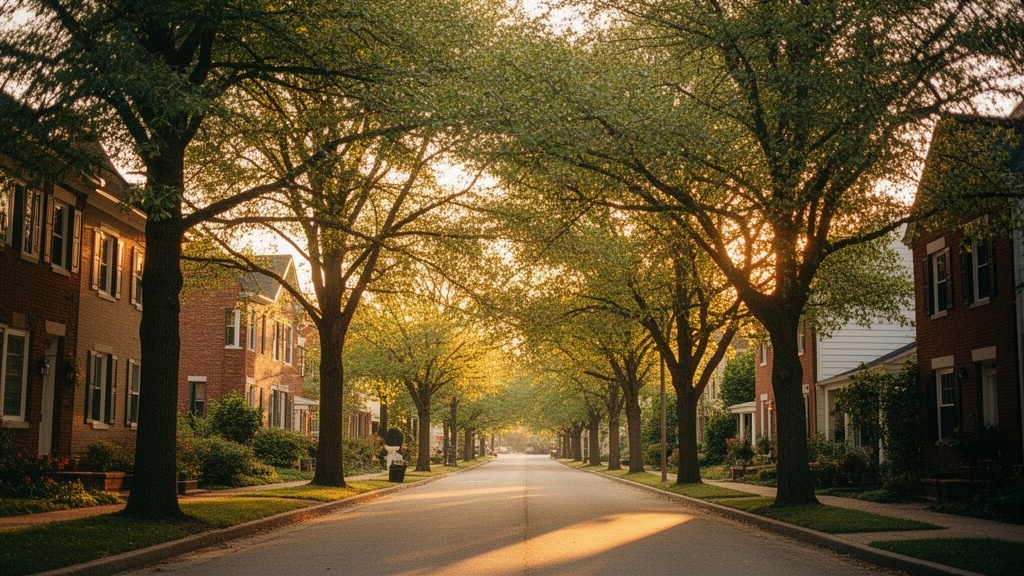
The visual character is unmistakably coastal New England. You get shingled cottages that have been expanded over decades, ranch homes with added dormers to capture water views, and a smaller number of newer builds that replaced older structures. Many streets dead-end at the water or at the park boundary, which keeps through-traffic low. The Housatonic River is visible from the western edges of Short Beach, and on clear days you can see across the Sound toward Long Island.
For a broader picture of how these beach areas fit into Stratford's overall coastal real estate landscape, the waterfront and Long Island Sound properties guide covers the full range of water-adjacent options across town.
2. What Year-Round Life Looks Like After Labor Day
The Short Beach and Long Beach area of Stratford CT is genuinely livable year round, but the experience shifts noticeably once summer ends. Understanding that shift is one of the most important things a prospective buyer can do before committing to a home here.
How the Neighborhood Changes in Fall and Winter
From roughly Memorial Day through Labor Day, the beach areas see significant foot traffic, parking pressure near Short Beach Park, and a general bustle that comes with any popular Sound-side destination in Connecticut. After Labor Day, the population drops considerably. Some homes in the area are still used primarily as seasonal properties by their owners, which means a portion of the housing stock goes quiet from October through April. Year-round residents often describe the off-season as quieter and more tightly knit.
Winter on the Sound brings wind off the water that makes temperatures feel colder than the official readings. Homes without adequate insulation or updated windows can see higher heating costs, which is a practical consideration when evaluating older cottages that were originally built for three-season use and later converted to year-round occupancy. Buyers should ask specifically about heating systems, insulation upgrades, and any history of winterization work when looking at properties in this zone.
What Stays Open and What Closes
Short Beach Park itself remains accessible year round for walking, fishing along the Housatonic, and watching the water. The park's facilities, including seasonal restrooms and the swimming area, are not maintained through winter, but the open space and waterfront access are always there. The beach and park paths are popular with year-round residents for morning walks even in January.
Restaurants and small businesses that operate primarily in summer do close or reduce hours significantly after Columbus Day. Year-round residents rely on the broader Stratford commercial corridor along Barnum Avenue, Main Street, and the Route 1 corridor for groceries, dining, and services. That corridor is roughly a five to ten minute drive from most addresses in the beach areas, which is a normal errand distance for this part of Connecticut.
The Off-Season Rhythm Most Buyers Don't Anticipate
People who visit in July and then buy in October sometimes find the transition jarring. The streets that felt lively in summer are genuinely quiet by November. For buyers who want that quiet, it is a significant draw. For buyers who expected the summer energy to continue, it can feel isolating. The honest answer is that the off-season beach neighborhood is a different environment, and the right fit depends entirely on what you are looking for in daily life.
3. Housing Stock, Home Styles, and Price Ranges
The housing inventory in Short Beach and Long Beach is one of the most varied in Stratford in terms of age and condition, ranging from original mid-century cottages to substantially renovated homes with modern systems. Understanding what you are buying, and what it will cost to maintain, is critical in this coastal zone.
What Types of Homes You'll Find
The dominant housing type is the single-family home, with a mix of ranches, capes, and small colonials. Many of the original structures were built in the 1940s through 1960s as summer cottages and were later converted or expanded for year-round use. Some retain their original footprint with updated interiors; others have been substantially rebuilt. You will also find a smaller number of two-family homes and the occasional newer construction on lots where older structures were torn down.
Lot sizes in the beach areas tend to run smaller than in Stratford's inland neighborhoods. Lots of 4,000 to 7,000 square feet are common, and some of the most water-proximate properties sit on lots under 5,000 square feet. Square footage inside the homes ranges from roughly 800 square feet for an unmodified cottage to 2,200 square feet or more for a fully renovated or rebuilt property.
Price Ranges as of September 2026
As of September 2026, single-family homes in the Short Beach and Long Beach corridor of Stratford are generally trading in a range from the mid-$400,000s on the low end for smaller, less-updated properties, up to $900,000 and above for renovated or water-view homes with modern systems. Homes with direct water views or deeded beach access command a meaningful premium over comparable properties set back from the water by even one or two blocks. The spread between a move-in-ready home and one that needs significant work can be $150,000 to $250,000, which makes condition and renovation history important factors in any offer.
For context on how these prices compare to the broader Stratford market, the complete buyer's guide for Stratford homes provides a useful town-wide baseline.
Lot Sizes, Setbacks, and Flood Considerations
Flood zone designation is one of the most consequential factors in this area. A significant portion of the Short Beach and Long Beach area falls within FEMA Special Flood Hazard Areas, which means flood insurance is required for federally backed mortgages and can add $2,000 to $6,000 or more annually to the cost of ownership depending on the property's base flood elevation and the coverage amount. Buyers should request the current elevation certificate for any property they are seriously considering and get a flood insurance quote before going under contract, not after.
Properties that have been elevated on pilings or had their mechanical systems relocated above the base flood elevation will have meaningfully lower insurance costs. This is a detail that shows up in the listing sometimes and sometimes does not, so it is worth asking directly. Stratford's building department can also confirm whether a property has any open permits or flood-related compliance history.
4. Commuting from Short Beach and Long Beach Year Round
Commuting from the beach areas of Stratford is workable, but it requires a realistic look at the routes involved. The beach neighborhoods sit at the southwestern tip of town, which means any drive toward I-95 or Route 1 passes through residential streets before reaching the main commercial corridors.
Driving Times to Bridgeport, Milford, and Beyond
From Short Beach, the drive to downtown Bridgeport runs roughly 15 to 20 minutes in normal traffic. Milford Center is about the same distance in the opposite direction, 12 to 18 minutes depending on the route. Getting to I-95 from the beach areas typically adds 8 to 12 minutes compared to addresses closer to the highway, which matters for anyone commuting north toward New Haven or south toward Norwalk and Stamford daily.
Metro-North Access from Stratford Station
Stratford's Metro-North station on the New Haven Line is located on the northern side of town, roughly 3 to 4 miles from the beach areas. Most beach area residents drive to the station and park, or arrange a ride. The station itself offers parking, and the New Haven Line runs express and local service to Grand Central Terminal in Manhattan, with peak express runs taking approximately 90 minutes from Stratford. For buyers commuting to New York, this is a genuine option, though the added driving leg to the station is a daily reality.
The full breakdown of commute times and train schedules from Stratford to Midtown Manhattan is covered in the Stratford CT to Manhattan commute guide, which is worth reading before you make any assumptions about daily travel time.
5. Parks, Amenities, and Day-to-Day Errands
One of the strongest arguments for year-round living in the Short Beach and Long Beach area is the access to outdoor space that does not disappear in winter. The beaches and parks are there every month of the year, and they look completely different in January than they do in July.
Beaches, Trails, and Open Space
Short Beach Park sits at the end of Short Beach Road and offers direct access to the Sound, views across the Housatonic River mouth, and a paved path that is walkable year round. The park includes a boat launch area, fishing spots along the river, and open lawn space. Long Beach connects to the Stratford Point area, which is managed in part by the Audubon Society of Greenwich and is a recognized stopover for migratory shorebirds along the Atlantic flyway. For residents who pay attention to that kind of thing, fall and spring migrations bring species that birders travel specifically to see.
The beach itself at Long Beach is a town beach requiring a Stratford resident beach pass during the summer season. As a property owner in Stratford, you qualify for that pass. Outside of the staffed season, the beach is accessible without a pass. Year-round residents use it for walking, shell collecting, and watching storms roll in off the Sound, which is its own kind of draw.
Groceries, Dining, and Services Within Reach
The beach areas themselves have minimal commercial infrastructure. There is no grocery store within walking distance of Short Beach or Long Beach. The nearest full-service supermarkets are along the Stratford Avenue and Barnum Avenue corridors, roughly a 10 to 15 minute drive. Stop and Shop on Barnum Avenue and the Market 32 in Milford are the two most commonly used options for beach area residents.
Dining options that are open year round are limited within the immediate beach zone, but the broader Stratford restaurant scene along Main Street and the Bridgeport line offers more variety. Milford's downtown, about 10 minutes east, has a walkable restaurant district along River Street and Daniel Street that many Stratford beach residents use regularly. For healthcare, CVS and urgent care facilities are accessible on Route 1 within a 10 to 15 minute drive, and Bridgeport Hospital is roughly 20 minutes from the beach areas.
6. What Buyers and Sellers Should Know About This Market
The Short Beach and Long Beach real estate market in Stratford operates on a seasonal rhythm that affects both pricing and competition. Buyer interest peaks in late spring and early summer, when people are visiting the area and can see it at its most appealing. That seasonal demand can push prices and create competitive offer situations on well-priced listings.
Fall and winter listings in this area often attract buyers who are specifically committed to year-round coastal living rather than buyers who got swept up in a summer visit. That can mean less competition in the off-season, though inventory also tends to be thinner because some sellers wait for spring. The best opportunities sometimes appear between October and February, when motivated sellers are listing and casual buyers have stepped back.
For sellers, pricing a beach-area home correctly requires understanding both the seasonal demand curve and the specific flood zone and condition factors that affect what buyers are willing to pay. A home that looks comparable on paper to another three blocks away can have a $100,000 difference in realistic market value based on elevation, flood insurance costs, and view lines. Getting that pricing right from the start matters more in this area than almost anywhere else in Stratford.
If you are considering the beach areas as an investment property, the seasonal rental demand is real, but so are the flood insurance costs and the management complexity of a property that may sit empty for months. The investment property guide for Stratford covers the numbers and considerations in more detail.
For more context on what coastal living in Stratford involves across different price points and property types, Stratford Waterfront Living and Beach Neighborhoods Guide offers a useful overview of the broader waterfront landscape in town.
FAQ
Is Short Beach and Long Beach in Stratford CT a year-round community or mostly seasonal?
It is a mix of both, and the balance varies street by street. Some homes in the area are occupied only from late spring through early fall, while others are primary residences used every month of the year. Year-round residents describe the off-season as quieter and more community-oriented, with noticeably less traffic and foot traffic after Labor Day. If you are buying with the intention of living there full time, the key questions to ask are how many neighboring properties are year-round versus seasonal, and whether the home itself was built or converted for four-season use with appropriate insulation and heating systems.
What is flood insurance like for homes in the Short Beach and Long Beach area of Stratford?
A significant portion of the Short Beach and Long Beach area falls within FEMA Special Flood Hazard Areas, which means flood insurance is required for federally backed mortgages on those properties. Annual flood insurance premiums in this zone can range from roughly $2,000 on the low end to $6,000 or more depending on the property's base flood elevation, the coverage amount selected, and whether the structure has been elevated or had mechanical systems relocated above the flood level. Buyers should request the current elevation certificate before making an offer and get an actual insurance quote, because the premium can be a meaningful addition to monthly housing costs. Properties with higher base flood elevations or that have been elevated on pilings typically have lower premiums.
How do property taxes in the Short Beach and Long Beach area compare to the rest of Stratford?
Stratford uses a single mill rate applied town-wide, so the tax rate itself does not differ between the beach areas and inland neighborhoods. What differs is the assessed value of the property, which in the beach areas is often higher due to water proximity and view premiums. A home assessed at $450,000 in the beach area will carry a higher annual tax bill than a similarly sized home assessed at $320,000 inland, simply because the assessed value is higher. For a detailed look at how Stratford's property taxes compare to other Fairfield County towns, the property tax guide for Stratford covers the mill rate, assessment ratios, and what to expect at different price points.