← Back to Blog
Market Trends
Stratford, Connecticut Real Estate Market Guide: Prices, Neighborhoods and Timing
By Shanel Rankin
September 11, 2026 · 10 min read
If you are trying to buy, sell, or relocate in Stratford, Connecticut, this real estate market guide covers what you need to know: current prices, how the town's distinct neighborhoods differ in housing stock and character, and how to time your move in the current market. Stratford sits at a crossroads of coastal access, Metro-North rail service, and Fairfield County affordability that makes it one of the more nuanced markets in the region to navigate.
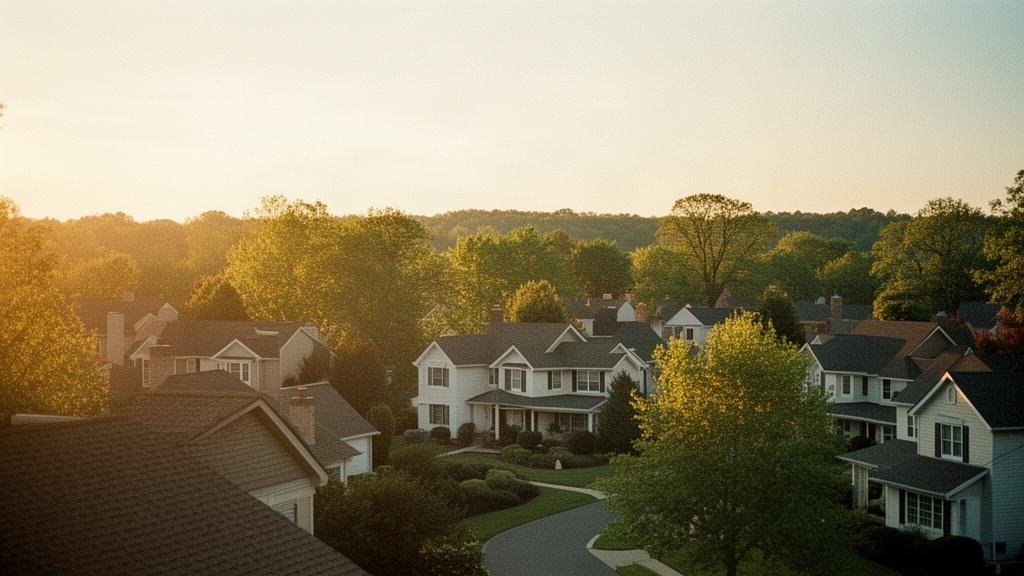
1. How the Stratford, CT Real Estate Market Looks Right Now
Stratford is a seller-leaning market in September 2026, with demand consistently outpacing the number of homes available for sale. Homes that are priced correctly and in good condition are moving faster than the Fairfield County average, and multiple-offer situations remain common on move-in-ready properties under $500,000.
Where Prices Stand in September 2026
The median sale price for single-family homes in Stratford is currently in the low-to-mid $400,000s, with considerable variation depending on neighborhood, lot size, and proximity to the water. Condominiums and townhomes trade in a wider band, from roughly $200,000 for smaller units in established complexes to over $350,000 for larger, updated townhomes. For a detailed breakdown of where prices land by property type right now, the average home price in Stratford CT post on this site covers the current figures in full.
Waterfront and water-view properties in Stratford command a significant premium. Homes along Shore Road, Prospect Drive, and the Lordship peninsula regularly list above $600,000, and properties with direct Long Island Sound frontage can exceed $1 million depending on lot depth and condition.
Connecticut's broader housing market has seen sustained price appreciation through 2025 and into 2026, and Stratford has tracked that trend closely. According to Forbes Advisor's Connecticut housing market analysis, limited inventory and sustained buyer demand have kept prices elevated across the state, a pattern that is clearly visible in Stratford's own data.
How Inventory and Competition Shape the Market
Active listings in Stratford have remained below historical norms through most of 2026. At any given time this fall, buyers can expect to find somewhere between 60 and 100 single-family homes actively listed, which is a thin selection for a town of roughly 52,000 residents. That scarcity keeps upward pressure on prices even as mortgage rates remain elevated compared to the historic lows of a few years ago.
Days on market for well-priced homes currently runs between 15 and 30 days. Overpriced listings do sit longer, sometimes 60 days or more, which creates a visible split between homes that sell quickly and those that eventually require price reductions. Buyers who understand this dynamic can find real opportunity in the homes that have lingered.
2. A Neighborhood-by-Neighborhood Look at Stratford Housing Stock
Stratford's neighborhoods differ substantially in housing age, lot size, architectural style, and price point. Understanding those differences is essential to finding the right fit, because a buyer's budget can look very different depending on which part of town they focus on.
Long Beach and the Shore Road Corridor
The Shore Road corridor stretching toward Long Beach is one of Stratford's most architecturally varied stretches. You will find everything from modest mid-century cottages originally built as seasonal retreats to substantially renovated year-round homes with updated kitchens, new roofs, and expanded square footage. Lot sizes here tend to be smaller, typically under a quarter acre, but the proximity to the sound and the town beach is a defining feature of the area.
Prices along the Shore Road corridor range widely based on condition and elevation. A cottage needing work might list in the high $300,000s, while a fully renovated home with sound views can push well past $700,000. Flood zone designation is an important factor here; buyers should confirm FEMA flood zone status and request current flood insurance quotes before making an offer.
Lordship
Lordship occupies a peninsula at the southern tip of Stratford, bordered by the Housatonic River to the west and Long Island Sound to the south. The neighborhood has a distinct, self-contained character, with its own beach, the Stratford Point lighthouse at its tip, and a mix of ranch-style homes, capes, and colonials built primarily from the 1950s through the 1980s.
Lordship homes typically sit on lots between 6,000 and 10,000 square feet. Median prices in Lordship currently run in the $450,000 to $600,000 range for single-family homes, with waterfront parcels commanding more. The neighborhood has limited through traffic given its peninsula layout, and the Stratford Airport borders its northern edge, which is a practical consideration for buyers sensitive to aircraft noise.
Oronoque and the Northern Neighborhoods
Moving north toward the Shelton and Trumbull borders, Stratford's landscape shifts noticeably. The Oronoque area features larger lots, more wooded settings, and housing stock that skews toward colonials and split-levels built in the 1960s through 1990s. The Oronoque Village condominium complex is a significant presence here, a large age-restricted community with its own amenities including tennis courts and a clubhouse, which draws a specific segment of the market.
Single-family homes in the northern neighborhoods typically offer more square footage per dollar than the coastal areas. A four-bedroom colonial on a half-acre lot can often be found in the $450,000 to $550,000 range, making this part of Stratford attractive to buyers who prioritize interior space and yard size over proximity to the water.
Downtown Stratford and the Shakespeare District
The area around Main Street and Academy Hill contains some of Stratford's oldest housing stock, including Victorian-era homes, Greek Revival cottages, and early 20th-century colonials. The former site of the American Shakespeare Theatre anchors the riverfront here, and the surrounding streets have a walkable, historic character unlike any other part of town.
Prices in the downtown core tend to be lower than the coastal neighborhoods, often in the $300,000 to $430,000 range for single-family homes. Many of these homes require updating, and buyers should budget for deferred maintenance on older structures. That said, the architectural character and walkability to the train station make this area worth serious consideration for buyers who appreciate historic homes.
For a deeper look at one of Stratford's most talked-about neighborhoods, the Paradise Green neighborhood guide on this site covers that area's housing stock, layout, and local amenities in detail.
3. What Drives Stratford Home Prices
Several concrete factors determine where a Stratford home lands on the price spectrum. Understanding these drivers helps both buyers evaluate whether a listing is priced fairly and sellers position their home competitively.
Commute Access and Transportation Infrastructure
Stratford's two Metro-North stations, Stratford and Milford, connect the town to New Haven and New York Penn Station on the New Haven Line. The train to New Haven takes roughly 15 to 20 minutes, and an express train to Grand Central Terminal runs approximately 90 minutes. This rail access is a genuine price driver: homes within walking distance of the Stratford station tend to carry a premium over otherwise comparable homes that require a car for every trip.
By car, Stratford sits at the intersection of Interstate 95 and Route 8, which feeds north toward Waterbury. That highway access makes Stratford a practical base for commuters heading to Bridgeport, New Haven, Stamford, or even into Westchester County. Buyers coming from outside Connecticut often underestimate how much this connectivity matters to resale value.
Lot Size, Architecture, and Housing Age
Stratford's housing stock spans roughly 100 years of construction, from pre-war cottages to 1990s colonials. Homes built before 1960 often have smaller bedrooms, older electrical panels, and original plumbing that may need updating. Buyers should factor inspection costs and potential renovation budgets into their offers on older properties.
Lot size is a meaningful price variable in Stratford's denser coastal sections. A 6,000-square-foot lot near the water often sells for more per square foot than a 15,000-square-foot lot in the northern part of town, simply because of location. Buyers comparing homes across different neighborhoods should look at price per square foot of living space rather than just the total asking price.
Proximity to Water and Open Space
Access to Long Island Sound, the Housatonic River, and Stratford's public beaches adds measurable value to nearby properties. Short Beach and Long Beach are town-maintained beaches with seasonal amenities, and homes within a half-mile walking radius consistently sell at a premium.
Stratford also has significant open space assets that influence values in less obvious ways. The 1,000-acre Great Meadows marsh, managed as part of the Stewart B. McKinney National Wildlife Refuge, borders the town's western edge along the Housatonic. Homes near that corridor benefit from open views and a buffer from development that buyers find appealing.
4. Timing Your Buy or Sale in the Stratford Market
Timing matters in any real estate market, and Stratford follows a seasonal pattern that buyers and sellers can use to their advantage. The key is understanding when competition peaks, when it softens, and what that means for your negotiating position.
The Seasonal Rhythm of Stratford Listings
Stratford's listing activity follows a pattern consistent with most of coastal Connecticut. New listings begin picking up in late February and March as sellers prepare for the spring market. Volume peaks in April through June, when the largest number of homes are actively listed and buyer competition is at its highest. July and August bring a modest summer slowdown, particularly in the coastal neighborhoods where some sellers time their listings around the beach season.
September, right now, sits at the beginning of a second, smaller wave of activity. Sellers who missed the spring window often list in September and October, and serious buyers who were priced out or outbid in the spring return to the market. This fall window is often underestimated: there is real inventory to choose from, and sellers who have been waiting since spring are more motivated to make a deal.
When Sellers Tend to Have the Most Leverage
April through June is historically the strongest window for Stratford sellers. Buyer pools are largest, bidding wars are most common, and homes that hit the market in good condition with accurate pricing frequently sell at or above list price within the first two weeks.
Sellers planning to list in spring 2027 should start preparing now. That means getting a pre-listing inspection, addressing deferred maintenance, and consulting with an agent on pricing strategy well before the first open house. Homes that enter the spring market in clean, move-in condition consistently outperform those that need obvious work.
When Buyers Find More Room to Negotiate
November through January is Stratford's quietest period for real estate activity. The buyer pool shrinks considerably, and sellers who list during the winter months often do so out of necessity, a relocation, an estate sale, or a life change that cannot wait for spring. That motivation gap gives winter buyers more negotiating room on price, contingencies, and closing timelines than they would find in April.
The tradeoff is selection: winter inventory is thin. Buyers who need a specific type of home or a particular neighborhood may not find what they want in January. The fall window, September through mid-November, often offers the best balance of selection and negotiating flexibility for buyers who can move quickly.
For broader context on how Connecticut's statewide market conditions are shaping local dynamics, Norada Real Estate's Connecticut housing market forecast provides useful statewide data that helps put Stratford's local trends in perspective.
5. What to Know Before You Make a Move in Stratford
A few practical considerations apply across all of Stratford's neighborhoods and are worth addressing directly before you start making offers or listing your home.
Flood Insurance and Coastal Risk
A meaningful portion of Stratford's housing stock sits within FEMA-designated flood zones, particularly in Lordship, Long Beach, and the Shore Road corridor. Flood insurance through the National Flood Insurance Program can add $1,500 to $4,000 or more annually to housing costs depending on the zone designation and the home's base flood elevation certificate. Always confirm flood zone status and request an elevation certificate during due diligence.
Property Taxes in Stratford
Stratford's mill rate as of 2026 is among the higher ones in Fairfield County, which affects the true monthly cost of homeownership here. A home assessed at $350,000 carries an annual property tax bill in the range of $8,000 to $10,000 depending on any applicable exemptions. Buyers relocating from lower-tax states or towns should factor this into their affordability calculations before settling on a target price range.
Researching Schools and Local Services
School assignment in Stratford is based on your home address, and boundaries can shift. The Connecticut State Department of Education's website publishes current enrollment, program offerings, and performance data for every school in the Stratford district, and that is the most reliable place to research schools directly. School selection is a personal decision, and visiting schools directly and speaking with the district office will give you far better information than any third-party ranking.
FAQ
Is Stratford, CT a buyer's market or a seller's market right now?
As of September 2026, Stratford leans toward a seller's market. Active inventory remains below historical norms, and well-priced homes in good condition are receiving multiple offers and selling within a few weeks of listing. That said, overpriced homes are sitting longer, which creates opportunity for buyers who are patient and strategic. The fall window, September through mid-November, tends to offer a slightly more balanced dynamic than the peak spring months, with motivated sellers and less buyer competition than April or May.
What is the price difference between coastal Stratford and the northern neighborhoods?
The price gap is real and meaningful. Coastal areas like Lordship and the Shore Road corridor typically see median single-family prices in the $450,000 to $700,000 range, with waterfront properties going higher. The northern neighborhoods near Oronoque and the Trumbull border offer more square footage and larger lots at lower price points, often in the $400,000 to $550,000 range for four-bedroom homes. The tradeoff is distance from the water and, in some cases, a longer drive to the train station. Buyers should weigh those factors against their daily priorities before focusing on one part of town.
How long does it take to commute from Stratford to New York City?
By Metro-North's New Haven Line, the train from Stratford station to New York Penn Station takes approximately 90 to 100 minutes on an express service. Local trains take longer, typically 110 minutes or more. The train to New Haven from Stratford runs about 15 to 20 minutes, making Stratford a practical base for anyone working in New Haven's medical, university, or financial sectors. By car, Stratford's access to Interstate 95 and Route 15 (the Merritt Parkway) makes driving to Stamford roughly 45 minutes in off-peak traffic, though rush-hour conditions can add significantly to that estimate.