← Back to Blog
Market Trends
Acreage Real Estate Market Guide: Prices, Neighborhoods and Timing in Magnolia, Texas
By Shanna Holt
September 4, 2026 · 10 min read
If you are searching for a home on acreage in Magnolia, Texas, this guide covers everything you need to make a confident decision: current price ranges, how different pockets of the market compare, what lot sizes are actually available, and how to time your move in today's conditions. Magnolia sits in a part of Montgomery County where acreage real estate is still attainable, but the market has shifted meaningfully over the past two years and knowing the numbers matters.
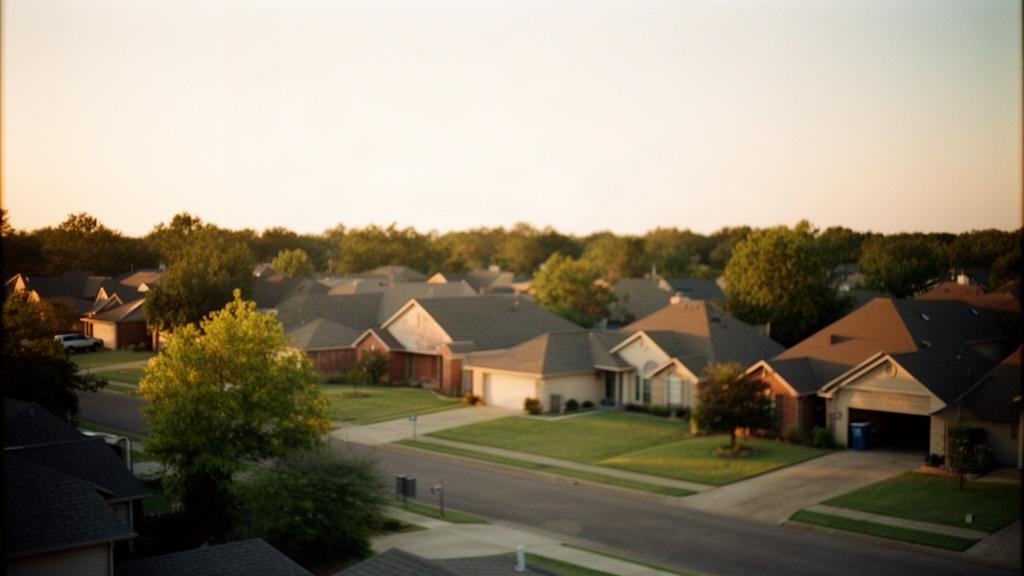
1. What Acreage Real Estate Looks Like in Magnolia, Texas Right Now
Acreage properties in Magnolia span a wide spectrum, from one-acre ranchettes inside loose deed-restricted communities to true working tracts of 20 or more acres with barns, ponds, and county road frontage. As of September 2026, this segment of the market remains one of the most active in Montgomery County, driven by buyers who want space that master-planned communities simply cannot offer.
The Range of Lot Sizes on the Market
Lot sizes in the Magnolia acreage market currently break into three practical tiers. The first tier runs from one to three acres, often inside older rural subdivisions like Magnolia Oaks or along county roads west of FM 1488. These lots frequently have existing homes, water wells, and septic systems already in place. The second tier covers three to ten acres and tends to attract buyers who want room for horses, a shop building, or agricultural use. The third tier, ten acres and above, is increasingly scarce inside a 30-minute drive of Magnolia's town center at FM 1488 and FM 1774, but tracts do come to market, particularly north of SH 249 toward Dobbin.
What You Get at Different Price Points
Price ranges in September 2026 vary considerably based on improvements, location, and utilities. A two-to-three acre lot with a modest 1,800-square-foot home and an existing well and septic typically lists in the $380,000 to $480,000 range. Move that same footprint closer to FM 1488 with updated finishes and the number climbs toward $550,000 to $650,000. Raw, unimproved acreage in the Magnolia area is pricing between $18,000 and $35,000 per acre depending on road access, tree cover, and proximity to utilities, though tracts with creek frontage or significant hardwood timber can push above that range.
For broader context on how Texas land values compare nationally, Landmodo's 2026 state-by-state land pricing data shows Texas sitting in the mid-range nationally, but Montgomery County acreage prices run well above the state average because of the county's proximity to Houston's job base and the sustained demand from buyers relocating from the metro core.
For a broader look at where Magnolia's overall residential market stands right now, the article on average home prices in Magnolia, Texas in September 2026 gives useful context on how acreage homes compare to the general market.
2. Where Acreage Properties Are Concentrated Around Magnolia
Magnolia's acreage inventory is not evenly distributed. Understanding which corridors carry the most listings, and what each corridor offers physically, helps buyers search more efficiently and helps sellers price more accurately.
FM 1488 and the Western Corridors
The stretch of FM 1488 running west from Magnolia's commercial core toward Waller County is one of the most active corridors for acreage real estate in the area. Properties here typically sit on one to five acres with pine and hardwood tree cover, and many were developed in the 1980s and 1990s as rural residential tracts. Road access to SH 249 and the Grand Parkway (SH 99) is straightforward, which keeps demand steady. Homes along this corridor often feature larger square footage, detached garages or workshops, and fenced pasture areas.
Dobbin, Iss Road and the Northern Reaches
North of Magnolia's town center, the landscape opens up considerably. The Dobbin area, roughly 10 to 15 miles north along SH 249, carries some of the largest tracts available within a reasonable commute distance. Lots of 10 to 50 acres are not unusual here, and per-acre prices tend to be lower than on the FM 1488 corridor because the drive to Houston is longer. Buyers who need land for livestock, a private pond, or agricultural operations tend to look in this direction. Iss Road and the county roads branching east and west of SH 249 north of Magnolia have seen increased listing activity through 2025 and into 2026.
Pinehurst and the Southern Edge
The Pinehurst area, which sits along FM 1774 south of Magnolia toward Tomball, offers a different character. Lot sizes here are generally smaller, from one to three acres, but proximity to Tomball's commercial amenities and a shorter drive to the Beltway 8 interchange makes this corridor attractive to buyers who want acreage without sacrificing convenience. Prices per acre run higher here than in the northern reaches, reflecting the shorter commute times. The drive from Pinehurst to downtown Houston via SH 249 typically runs 45 to 55 minutes outside peak hours.
If commute time is a factor in your decision, the detailed breakdown of driving from Magnolia to downtown Houston during rush hour is worth reading before you settle on a corridor.
3. Understanding Acreage Pricing: Land Value, Improvements and What Drives Cost
Acreage pricing is more layered than pricing a subdivision home. Two five-acre tracts a mile apart can differ by $150,000 or more based on factors that have nothing to do with the house sitting on them. Buyers and sellers both benefit from understanding what appraisers and the market actually weigh.
Raw Land vs. Improved Acreage
Raw, unimproved land in the Magnolia area is valued primarily on its development potential and physical characteristics. Tree density, drainage patterns, road frontage, and whether the parcel sits inside or outside a flood plain all move the number. Improved acreage, meaning a tract with a home, well, septic, and cleared areas, carries a premium because the buyer avoids the cost and delay of those installations. In Montgomery County, drilling a new water well runs $8,000 to $18,000 depending on depth, and a conventional septic system installation typically costs $12,000 to $22,000. Those costs are baked into improved property pricing.
Utilities, Septic and Well Costs
Access to public water is not guaranteed on acreage in Montgomery County. Some tracts along FM 1488 and FM 1774 have access to municipal utility districts or water supply corporations, but many properties outside those corridors rely entirely on private wells. Buyers should confirm water source, well depth, and water quality during due diligence. Electric service is generally available through Entergy Texas or Sam Houston Electric Cooperative depending on the parcel's location, and the cooperative territory covers a large portion of the rural areas north and west of Magnolia.
How Road Frontage and Topography Affect Value
Road frontage is one of the most direct drivers of per-acre value in this market. A tract with 400 feet of paved county road frontage is worth meaningfully more than an interior parcel accessed by a shared easement, even if the acreage is identical. Topography matters too: gently rolling land with good drainage and no significant flood plain intrusion commands a premium over flat, low-lying parcels that require fill or elevated construction. The Sam Houston National Forest borders parts of northern Montgomery County and creates a permanent green backdrop that adds value to tracts adjacent to or near the forest boundary.
The broader trend toward rural and acreage properties is not unique to Magnolia. Land.com's research on why rural real estate has gained national momentum provides useful background on the demand drivers that are also playing out in Montgomery County right now.
4. Timing the Acreage Market in Magnolia
Timing an acreage purchase or sale in Magnolia follows some of the same seasonal rhythms as the broader residential market, but with important differences that are specific to land and rural properties.
Seasonal Patterns in Montgomery County
Spring, from March through May, is consistently the highest-volume period for acreage listings in Montgomery County. Sellers list in spring because the land photographs well with green pasture and full tree canopy, and buyers are actively searching before summer heat sets in. Fall, particularly October and November, is the second peak: buyers want to be settled before the holidays, and the cooler weather makes property tours more comfortable. The summer months of July and August tend to see slower activity on acreage specifically, partly because walking and evaluating land in Texas heat is genuinely difficult.
September, which is where the market sits right now, occupies a transitional window. Summer listings that did not sell are still active, and motivated sellers are often more willing to negotiate on price or terms as the fall selling season approaches. For buyers, this creates a window of slightly less competition before the October surge of new listings and renewed buyer activity.
How Inventory Levels Affect Your Negotiating Position
Acreage inventory in Magnolia remains tighter than the broader Montgomery County residential market. The supply of one-to-five acre improved properties within 10 miles of Magnolia's FM 1488 and FM 1774 intersection has been running at roughly two to three months of supply through most of 2026, which favors sellers on well-priced listings. Tracts above 10 acres sit longer, with days-on-market figures often running 60 to 120 days, giving buyers more time and leverage on larger parcels.
What Sellers Should Know About Listing Timing
Sellers of acreage properties in Magnolia should plan for a longer marketing period than a typical subdivision home. The buyer pool for acreage is smaller and more specific: buyers need to qualify for financing on land and improvements together, often using USDA rural loans, conventional loans with land riders, or portfolio lenders familiar with rural properties. Listing in late February or early March positions a property for maximum spring exposure. Sellers who list in September and October can still attract motivated buyers, but should price competitively from day one rather than testing the market high and reducing later.
For sellers thinking through the full process, the guide on selling a home in Magnolia, Texas, including pricing strategy and timeline expectations, covers the broader steps that apply to acreage listings as well.
5. Due Diligence Steps Specific to Acreage Purchases
Buying acreage in Magnolia involves due diligence steps that simply do not apply to a standard subdivision purchase. Skipping or rushing any of these steps can create expensive problems after closing. Each one deserves its own attention during the option period.
Survey, Flood Zone and Deed Restrictions
A current boundary survey is essential on any acreage purchase. Old surveys may not reflect fence lines, encroachments, or changes to adjacent tracts. Flood zone status is equally critical: portions of Montgomery County, including areas near Cypress Creek and its tributaries, carry FEMA flood zone designations that affect insurance costs and construction options. Buyers should pull the current FEMA Flood Map Service Center data for any parcel before making an offer. Deed restrictions on rural tracts vary widely; some older Magnolia-area subdivisions have restrictions on livestock, commercial use, or additional structures, while truly unplatted land often has none.
Agricultural Exemptions and Property Tax Implications
Many acreage properties in Montgomery County carry an agricultural exemption, commonly called an ag exemption, which significantly reduces the taxable value of the land. If a buyer does not maintain the qualifying agricultural use after purchase, the exemption can be removed and a rollback tax of up to five years of back taxes at the higher rate can be assessed. Buyers should confirm the current exemption status through the Montgomery County Appraisal District and understand what activity, whether hay production, cattle grazing, or another qualifying use, is required to maintain it. This single factor can affect annual carrying costs by thousands of dollars.
Mineral Rights and Easements
Texas is a mineral-rights state, which means the surface and subsurface rights to a property can be owned separately. Buyers should review the title commitment carefully to determine whether mineral rights convey with the sale or have been severed in a prior transaction. Pipeline easements, utility easements, and access easements can also run across acreage tracts and affect where a buyer can build, place a driveway, or install fencing. A title company experienced with rural transactions in Montgomery County will flag these, but buyers should ask specifically about easements rather than assuming the title commitment covers everything relevant.
Buyers going through this process for the first time will find the full step-by-step walkthrough in the guide on buying a home in Magnolia, Texas, including costs and timeline, a useful companion to the acreage-specific steps covered here.
FAQ
What is the typical price per acre for land in the Magnolia, Texas area in 2026?
Unimproved land in the Magnolia, Texas area is currently pricing between $18,000 and $35,000 per acre as of September 2026, with tracts closer to FM 1488 and major commute corridors sitting at the higher end of that range. Parcels in the northern reaches near Dobbin and along county roads farther from SH 249 tend to price lower per acre because the commute to Houston is longer. Tracts with creek frontage, significant timber, or paved road frontage can push above $35,000 per acre. Improved acreage, meaning land with an existing home, well, and septic, is priced as a combined value rather than a straight per-acre calculation, and the improvements often account for $200,000 or more of the total price.
Can I get a mortgage to buy an acreage property in Magnolia, Texas?
Yes, but the financing options differ from a standard residential purchase. USDA Rural Development loans are available for some properties in qualifying rural areas of Montgomery County and can cover both the home and land together with no down payment for eligible buyers. Conventional lenders will finance acreage properties, though some impose acreage caps or require a higher down payment when the land value exceeds a certain threshold relative to the home value. Local and regional portfolio lenders, as well as Farm Credit lenders like Capital Farm Credit, are experienced with rural transactions in this area and often have more flexible guidelines than national banks. Working with an agent who regularly handles acreage sales in Magnolia is the fastest way to get connected to lenders who actually close these transactions.
How long does it typically take to sell an acreage property in Magnolia, Texas?
Acreage properties in Magnolia generally take longer to sell than subdivision homes because the buyer pool is smaller and more specific. Well-priced improved acreage on one to five acres in a desirable corridor like FM 1488 can sell in 30 to 60 days during peak spring and fall seasons. Larger tracts of 10 acres or more tend to sit 60 to 120 days on average, and properties with complicating factors such as partial flood zone coverage, shared access easements, or deferred maintenance can take longer. Pricing accurately from the first day of listing is more important on acreage than on a subdivision home because price reductions on rural properties tend to attract skepticism from buyers rather than renewed interest.