← Back to Blog
Market Trends
The Woodlands Area Real Estate Market Guide: Prices, Neighborhoods and Timing for Magnolia Buyers and Sellers
By Shanna Holt
September 3, 2026 · 9 min read
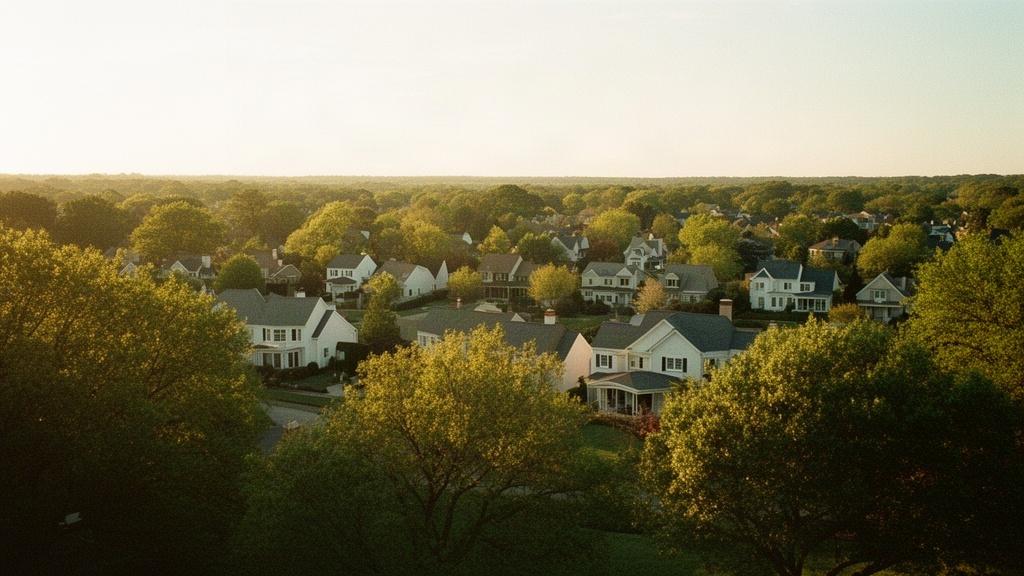
If you are buying or selling in Magnolia, Texas, understanding The Woodlands area real estate market guide, including prices, neighborhoods and timing, is essential because Magnolia sits directly on the western edge of this broader corridor and shares meaningful price and inventory patterns with it. This guide breaks down what is happening in September 2026 across the market, how Magnolia fits into the bigger picture, and what that means for your next move.
1. How Magnolia Fits Into The Woodlands Area Real Estate Market
Magnolia sits roughly 10 to 15 miles west of The Woodlands town center along FM 1488 and FM 2978, putting it squarely inside the broader market corridor that buyers, appraisers, and lenders treat as interconnected. Understanding the wider corridor matters because pricing signals in The Woodlands routinely ripple outward into Magnolia within a quarter or two.
Geography and the Price Gradient
The Woodlands is an unincorporated master-planned community in Montgomery County, and Magnolia is also in Montgomery County, which means both markets share the same county appraisal district, the same school district boundaries in many areas, and similar property tax structures. The price gradient runs roughly east to west: median home prices in The Woodlands proper sit in the $475,000 to $550,000 range as of September 2026, while comparable square footage in Magnolia typically comes in between $310,000 and $420,000 depending on the subdivision, lot size, and finishes.
That spread is meaningful. A buyer priced out of The Woodlands at $450,000 can often find a newer four-bedroom home on a half-acre or larger lot in Magnolia for the same budget, sometimes with a three-car garage and a covered back porch that would be a premium upgrade closer to I-45.
What Buyers Moving West Are Finding
Buyers relocating from Houston or transferring through The Woodlands employment corridor, which includes employers clustered near Hughes Landing, Research Forest Drive, and the ExxonMobil campus off I-45, frequently extend their search west along FM 1488 once they compare price per square foot. The commute from central Magnolia to The Woodlands town center runs approximately 20 to 30 minutes depending on the route and time of day, which many buyers find workable given the land and price advantages.
Magnolia also draws buyers from the Tomball and Cypress corridors who want more acreage. Lots of one to five acres are far more common in Magnolia than in The Woodlands, where most residential lots run between 6,000 and 12,000 square feet. That difference in land availability is one of the defining features of the Magnolia market.
2. Current Prices and Inventory: The Woodlands Area Market Guide for September 2026
Inventory across the greater Woodlands and Magnolia corridor has risen compared to the tight conditions of 2022 and 2023, giving buyers more options and sellers a reason to price carefully. The market in September 2026 leans toward balance in Magnolia, with pockets of seller advantage in the most in-demand price bands.
Price Ranges Across the Corridor
In Magnolia specifically, entry-level homes, typically three bedrooms and under 1,800 square feet, are trading in the $270,000 to $330,000 range as of September 2026. Mid-range homes between 2,000 and 3,200 square feet are concentrated in the $350,000 to $450,000 band. Larger homes on acreage lots, particularly those with metal barns, pools, or custom builds, can reach $600,000 to $900,000 and above depending on the property.
For a broader view of The Woodlands pricing data and trends, HoustonProperties publishes a detailed Woodlands housing market report that tracks median prices, price per square foot, and absorption rates over time. Comparing those figures to Magnolia's current numbers helps illustrate exactly how the price gradient has shifted over the past 12 months.
Days on Market and Inventory Levels
Homes in Magnolia are averaging 45 to 65 days on market as of September 2026, a notable increase from the 20 to 30 day averages seen in 2022. This trend mirrors what is happening in The Woodlands proper, where days on market have also lengthened. A report from Woodlands Online noted that homes in the broader Woodlands area are taking longer to sell in 2026 compared to the prior two years, reflecting the same inventory normalization visible in Magnolia.
Active listings in Magnolia currently sit at roughly 2.5 to 3 months of supply, which is below the 6-month threshold that defines a balanced market but well above the sub-one-month supply of the 2021 peak. Homes priced correctly and in good condition are still moving within 30 days. Overpriced listings are sitting, sometimes for 90 days or more before sellers make adjustments.
3. Neighborhoods and Housing Stock Worth Knowing
The Woodlands area real estate market guide would be incomplete without a clear picture of the housing stock on both sides of the corridor. Magnolia and the surrounding communities each have distinct characteristics that affect value, resale potential, and the day-to-day experience of living there.
Magnolia's Subdivisions and Lot Sizes
Magnolia's residential landscape is a mix of master-planned subdivisions, rural acreage tracts, and smaller custom-home communities. Subdivisions like Woodtrace off FM 1488 feature newer construction, community amenities including a pool and trails, and homes generally in the $380,000 to $550,000 range. Escondido Estates and similar communities offer larger lots, often one acre or more, with homes built between 2005 and 2020 at varying price points.
The area around Magnolia's historic downtown, centered near Magnolia Boulevard and FM 1488, includes some older homes built in the 1970s through 1990s on smaller lots, often priced in the $250,000 to $320,000 range. These properties attract buyers who want proximity to local businesses, the Magnolia Farmers Market, and the walkable character of the original townsite.
North of Magnolia along FM 1774 and toward the Dobbin area, rural tracts of three to ten acres are common, with homes ranging from manufactured housing to custom-built estates. This part of the market appeals to buyers who want horses, agricultural exemptions, or simply more separation between neighbors. Prices vary widely here based on improvements, well and septic conditions, and road access.
Comparing Housing Types Across the Corridor
The Woodlands is built around a village structure, with neighborhoods such as Creekside Park, Cochran's Crossing, Alden Bridge, and Sterling Ridge each offering distinct streetscapes, trail access, and proximity to The Woodlands Town Center. Homes in these villages tend to be on smaller lots with HOA oversight, mature tree canopy, and access to the Woodlands Waterway and Town Center amenities. Construction eras vary from the 1980s in the original villages to the early 2010s in Creekside Park.
Buyers comparing The Woodlands to Magnolia are essentially trading density and amenity access for land and price. Neither choice is objectively better; it depends entirely on what the buyer values in daily life. Shanna Holt of Boston Real Estate Group works with buyers across both markets regularly and can walk you through the tradeoffs specific to your situation.
4. Timing the Market: When to Buy or Sell in the Magnolia and Woodlands Area
Timing matters in any real estate transaction, and the Magnolia and Woodlands corridor has its own seasonal and economic rhythms worth understanding before you list or make an offer.
Seasonal Patterns in This Market
Spring, specifically March through May, is historically the highest-traffic listing season in Montgomery County. Buyer activity picks up as families plan moves around the school calendar, and properties listed in that window typically see more showings and faster offers. Summer, from June through August, stays active but can slow slightly as the Texas heat discourages casual open-house browsing. September, the current month, marks the beginning of a secondary activity window that often runs through October before tapering into the holidays.
For buyers, September through November can be a productive window. Sellers who listed in spring and did not find a buyer are often more willing to negotiate on price or concessions by fall. Inventory is still reasonably available, and competition from other buyers tends to be lighter than in the spring rush.
Rate Environment and Affordability in 2026
Mortgage rates in September 2026 remain a central factor in affordability calculations across the Woodlands and Magnolia corridor. Rates for 30-year fixed loans have moderated compared to the peaks of 2023 and 2024 but remain elevated relative to the 2020 and 2021 lows, which continues to limit purchasing power for many buyers and keeps some would-be sellers locked into low-rate mortgages they are reluctant to give up.
This dynamic, sometimes called the lock-in effect, has contributed to the modest inventory levels in Magnolia even as days on market have lengthened. Buyers who can qualify at current rates face less competition than they would have in 2021 but are working with tighter monthly budgets. Builder incentives, including rate buydowns offered by national builders active in Magnolia's new-construction communities, are worth comparing against resale options.
For a broader view of where Texas housing is headed, HousingWire's Texas housing market analysis provides useful context on statewide inventory trends, migration patterns, and the rate environment shaping affordability across markets including the greater Houston metro.
5. What Sellers in Magnolia Need to Know Right Now
Selling successfully in September 2026 requires a different approach than it did in 2021 or 2022. The market still rewards well-prepared, correctly priced homes, but the margin for error is smaller than it was during the peak frenzy.
Pricing Strategy in a Longer-Days Market
Overpricing is the most common mistake sellers make in the current environment. When a home sits for 60 or 90 days, buyers begin to wonder what is wrong with it, and subsequent price reductions rarely recover the momentum of a strong first week on market. A home priced at $399,000 that sells in 18 days nets more than the same home listed at $425,000 that eventually closes at $398,000 after two price cuts and months of carrying costs.
The strongest comparable sales in Magnolia right now are closing within 2% to 4% of list price when the home was priced correctly from the start. Homes with significant price reductions are closing at 5% to 8% below original list price on average, which represents a meaningful difference in net proceeds for the seller.
If you are thinking about listing, the guide on selling a home in Magnolia, Texas covers the full pricing and preparation process in detail, including what to expect from offer to close in the current market.
Preparation Steps That Move the Needle
In a market where buyers have more choices than they did two years ago, presentation matters more than it did during the frenzy years. Sellers who invest in professional photography, fresh interior paint in neutral tones, cleaned and decluttered spaces, and addressed deferred maintenance consistently outperform comparable listings that skip these steps. The cost of a pre-listing inspection, typically $300 to $500, can prevent a deal from falling apart over surprises that surface during the buyer's inspection period.
Curb appeal carries extra weight in Magnolia's market because many of the competing listings include new construction with pristine exteriors. Resale sellers who pressure-wash driveways, freshen landscaping, and address any visible exterior issues remove a common objection before buyers even walk through the door.
Buyers who want to understand what to look for on the other side of this transaction can start with the homes for sale in Magnolia, Texas buyer's guide, which covers what to prioritize when evaluating listings in this specific market.
FAQ
How do home prices in Magnolia compare to The Woodlands right now?
As of September 2026, median home prices in The Woodlands proper range from approximately $475,000 to $550,000, while comparable homes in Magnolia typically sell between $310,000 and $420,000 depending on the subdivision, lot size, and finishes. The price difference is largely driven by land availability: Magnolia has far more one-to-five-acre lots, while most Woodlands lots run between 6,000 and 12,000 square feet. Buyers who extend their search west along FM 1488 can often get significantly more square footage and land for the same budget. The commute from central Magnolia to The Woodlands employment corridor runs roughly 20 to 30 minutes depending on route and time of day.
Is it a buyer's or seller's market in the Magnolia and Woodlands area in September 2026?
The market in September 2026 is closer to balanced than it has been in several years, with Magnolia sitting at roughly 2.5 to 3 months of active inventory. Days on market have stretched to 45 to 65 days on average, compared to 20 to 30 days during the 2022 peak, which gives buyers more negotiating room than they had during the frenzy years. That said, correctly priced homes in good condition are still selling within 30 days, so it is not a buyer's market in the traditional sense. Sellers who price accurately and prepare their homes well are still achieving strong results; those who overprice are seeing extended days on market and eventual price reductions.
What types of homes are available in Magnolia, Texas for buyers relocating from The Woodlands area?
Magnolia offers a wide range of housing types that differ meaningfully from The Woodlands inventory. Newer master-planned subdivisions like Woodtrace provide community amenities, HOA structure, and homes generally in the $380,000 to $550,000 range on standard suburban lots. Older subdivisions and rural acreage communities north of town along FM 1774 offer one-to-ten-acre tracts with custom homes at varying price points. The area near Magnolia's historic downtown includes homes from the 1970s through 1990s priced in the $250,000 to $320,000 range on smaller lots. New construction from national and regional builders is also active in several Magnolia-area communities, often with builder incentives including rate buydowns that are worth comparing to resale options.