

← Back to Blog
Buying
First-Time Home Buyer Guide for Lebanon, Oregon: Steps, Costs, and Local Tips
By Shawn Richardson
Exp Luxury · DRE# 201210661
September 3, 2026 · 10 min read
Buying your first home in Lebanon, Oregon involves more moving parts than most people expect, from understanding local price ranges to qualifying for Oregon-specific assistance programs. This first-time home buyer guide for Lebanon, Oregon walks you through every major step: getting your finances ready, navigating the local market, making a competitive offer, and closing with confidence. If you want a clear, honest picture of what the process looks like here in the mid-Willamette Valley, you are in the right place.
1. What Does It Actually Cost to Buy a Home in Lebanon, Oregon Right Now?
Lebanon's median home price sits in the low-to-mid $300,000 range as of September 2026, which puts it meaningfully below Corvallis (roughly 20 miles west) and well below the Portland metro. That gap is one of the main reasons buyers relocating from larger Oregon cities land here. For a more detailed breakdown of current pricing by area, see the Lebanon, Oregon Real Estate Market Guide published on this site.
Median Prices and What Your Budget Gets You
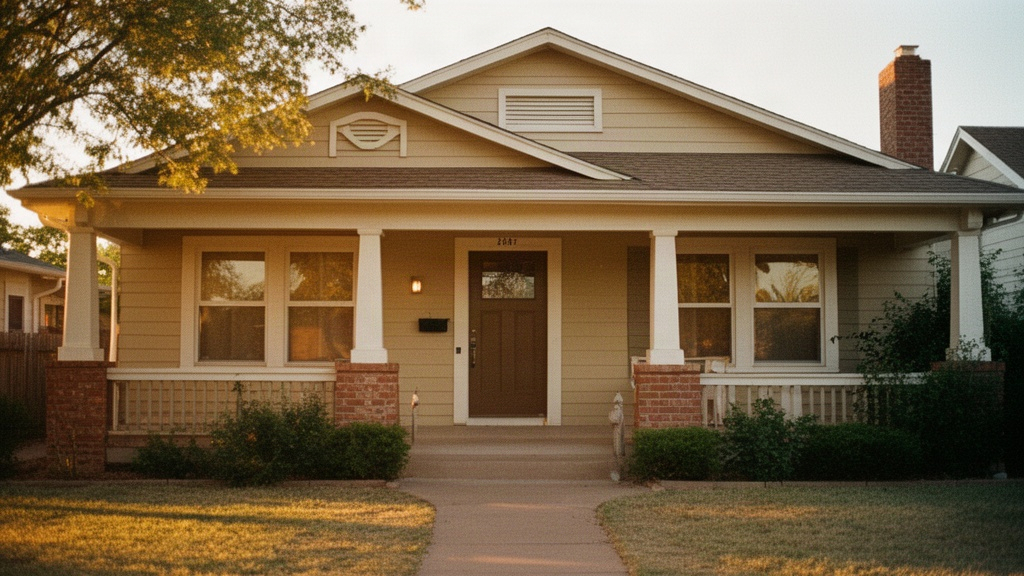
In the $270,000 to $320,000 range you will typically find older single-family homes on established lots, many of them built between the 1950s and the 1980s, with three bedrooms, one or two bathrooms, and yards that run anywhere from a standard city lot to a quarter acre. Lebanon's grid-style streets near downtown feature a lot of this stock. Craftsman bungalows and mid-century ranch homes are common, and many have been updated over the decades with newer roofs, HVAC systems, or kitchens.
From $320,000 to $400,000 the options expand to newer construction, larger lots on the east and north edges of the city, and some of the homes in the subdivisions that have gone up along Brewster Road and toward the Santiam Highway corridor. Above $400,000 you start finding larger parcels, homes with shop buildings or outbuildings, and properties on the rural fringe where Lebanon's city limits meet Linn County farmland.
Closing Costs and Upfront Cash You Will Need
Beyond your down payment, plan for closing costs. In Oregon, buyers typically pay between 2% and 3% of the purchase price in closing costs. On a $310,000 home, that is roughly $6,200 to $9,300. These costs cover lender origination fees, title insurance, escrow fees, prepaid homeowners insurance, and property tax reserves that go into your escrow account at closing.
You will also pay for a home inspection out of pocket before closing, typically $350 to $500 for a standard single-family home in Lebanon. If the inspector flags issues with the foundation, roof, or systems, you may want a specialist follow-up, which adds cost but also gives you real leverage in negotiations. Budget for these items separately from your down payment so you are not caught short.
2. Oregon First-Time Home Buyer Programs That Apply in Lebanon
Oregon offers several state-level programs that can reduce how much cash you need at closing. Lebanon buyers are eligible for these programs just like buyers in larger Oregon cities, and some programs have income limits that are easier to meet in a mid-size market like this one. The key is knowing which programs stack, meaning you can sometimes combine a below-market interest rate with a separate down payment assistance grant.
Oregon Housing and Community Services Programs
Oregon Housing and Community Services (OHCS) administers the Oregon Bond Residential Loan Program, which offers 30-year fixed-rate mortgages at rates that are often below the conventional market rate. As of September 2026, this program is open to first-time buyers (defined as someone who has not owned a primary residence in the past three years) who meet income and purchase price limits for Linn County. Lebanon sits in Linn County, and the county's limits are generally more accessible than limits in the Portland or Bend metro areas.
For a full rundown of what Oregon offers, The Mortgage Reports publishes a regularly updated guide to Oregon first-time home buyer programs and grants that covers income limits, purchase price caps, and how to apply. Reading through it before you talk to a lender gives you a better starting position.
Down Payment Assistance Options Worth Knowing
The Oregon Bond program pairs with two down payment assistance options: Rate Advantage and Cash Advantage. Rate Advantage gives you the lowest available interest rate with no cash assistance. Cash Advantage gives you 3% of the loan amount as a grant toward your down payment or closing costs, paired with a slightly higher rate. For a buyer purchasing a $310,000 home with a 3.5% FHA down payment, the Cash Advantage grant could cover nearly the entire down payment requirement, which is a meaningful difference for buyers who are strong on income but short on savings.
Some buyers also qualify for the Oregon Individual Development Account (IDA) program, which matches savings contributions for eligible low-to-moderate income buyers. Not every lender in Lebanon or Albany works with all of these programs, so ask specifically when you are shopping lenders whether they are approved OHCS participating lenders.
3. Getting Mortgage-Ready Before You Search in Lebanon
Getting pre-approved before you look at a single home is not optional in Lebanon's current market. Sellers in the $280,000 to $360,000 price range, which is where most of the activity is, will not take an offer seriously without a pre-approval letter. And in a market where well-priced homes can draw multiple offers within the first week, showing up without one means you will lose the house while you are still gathering documents.
Credit, Income, and Debt-to-Income Basics
For a conventional loan you generally need a credit score of at least 620, though scores of 700 or above unlock meaningfully better rates. FHA loans allow scores as low as 580 with a 3.5% down payment, and some lenders go lower with compensating factors. USDA loans are also worth exploring: parts of Linn County just outside Lebanon's city limits may qualify for USDA Rural Development financing, which offers zero-down options for income-eligible buyers.
Lenders look at your debt-to-income ratio (DTI), which compares your total monthly debt payments to your gross monthly income. Most conventional lenders want your total DTI (including the new mortgage payment) at or below 45%. If you are carrying a car payment, student loans, or credit card balances, running the numbers before you apply tells you exactly where you stand and whether paying down a specific debt first would increase your buying power.
Getting Pre-Approved in a Market Like Lebanon
A pre-approval is different from a pre-qualification. Pre-qualification is a quick estimate based on information you provide verbally. Pre-approval means a lender has pulled your credit, reviewed your income documents (W-2s, tax returns, pay stubs), and issued a conditional commitment to lend up to a specific amount. In Lebanon, where listing agents often advise sellers on offer quality, a full pre-approval letter from a recognizable lender carries more weight than a pre-qualification letter.
Shop at least two or three lenders, including a local credit union or community bank in addition to any online lender you are considering. Oregon-chartered lenders familiar with OHCS programs can sometimes move faster on approvals and are more likely to know the nuances of Linn County purchase price limits. Albany and Corvallis both have branch offices for several regional lenders that serve Lebanon buyers regularly.
4. How the Home Search and Offer Process Works in Lebanon
Lebanon's housing inventory is smaller than what buyers coming from Portland or Eugene are used to. The city has a population of around 18,000 and the active listing count at any given time tends to run in the dozens rather than the hundreds. That means the right home for your needs may not be on the market yet when you start looking, and it also means you need to move quickly when something fits. For a current read on what inventory looks like right now, the Homes for Sale in Lebanon, Oregon: What Buyers Need to Know Right Now article on this site is a useful reference.
What the Local Housing Stock Looks Like
Lebanon's older neighborhoods near downtown, particularly the streets running north and south off Grant Street and the blocks around Cheadle Lake, feature homes built in the 1940s through 1970s on modest lots with mature trees and established landscaping. These homes often have original hardwood floors, smaller square footage (typically 1,000 to 1,600 square feet), and detached garages. They require more attention to maintenance but offer lower entry prices.
Newer construction is concentrated on the city's north and east sides, with homes built from the 1990s onward offering open floor plans, attached two-car garages, and larger lots. Some of the newer subdivisions along Airport Road and the Highway 20 corridor toward Sweet Home include homes in the $340,000 to $420,000 range with standard builder warranties still in effect. Lebanon also has a modest manufactured home market, including homes in land-lease parks and on private land, which can be an entry point at lower price points.
Writing an Offer That Holds Up in This Market
When you find the right home, your offer needs to be clean and well-structured. In Lebanon's current market, sellers are paying attention to earnest money amounts, closing timelines, and whether the offer includes a financing contingency. A standard earnest money deposit runs 1% to 2% of the purchase price. On a $310,000 offer, that is $3,100 to $6,200 held in escrow. A larger earnest money deposit signals commitment and can make a lower offer more competitive than one with more money but weaker terms.
For a current read on whether the market is leaning toward buyers or sellers right now, the Lebanon, Oregon Housing Market: Buyers vs. Sellers article gives you an honest picture of the current balance of power in negotiations. Understanding that context before you write an offer helps you avoid either overpaying or losing a home by being too conservative.
5. From Accepted Offer to Closing Day in Lebanon, Oregon
Once a seller accepts your offer, you enter a 30 to 45 day period where a lot happens simultaneously. Your lender orders an appraisal, you schedule a home inspection, and the title company begins its search to confirm the seller has clear ownership. Each of these can surface issues that require negotiation, so staying organized and responsive during this period matters as much as anything you did before the offer.
Inspections, Appraisals, and What to Watch For
Lebanon has a significant inventory of older homes, and inspectors regularly flag items like aging electrical panels, original cast-iron or galvanized plumbing, older roofs, and crawl spaces with moisture or inadequate insulation. None of these are automatically deal-breakers, but they inform your negotiation. You can ask the seller to repair specific items, reduce the price, or provide a credit at closing. What you cannot do is ignore them and hope for the best.
The appraisal protects both you and your lender by confirming the home is worth what you agreed to pay. If the appraisal comes in below the purchase price, you have options: renegotiate the price, make up the difference in cash (called an appraisal gap), or walk away if your contract includes an appraisal contingency. In Lebanon's price range, appraisal gaps are less common than in high-competition metro markets, but they do happen when sellers price aggressively on desirable properties.
The Final Walk-Through and Closing Costs Breakdown
Your final walk-through happens within 24 to 48 hours of closing. Its purpose is to confirm the home is in the same condition as when you made your offer, that any agreed repairs were completed, and that the seller has moved out. Do not skip it. Walk-throughs take 20 minutes and have saved buyers from discovering surprise damage or missing appliances on closing day.
At closing you will sign a stack of documents and bring your down payment plus closing costs as a wire transfer or cashier's check. Your lender provides a Closing Disclosure at least three business days before closing that lists every cost line by line. Review it carefully and compare it to your original Loan Estimate. Fees should not have changed significantly, and any unexplained increases are worth questioning before you sit down at the table.
For a broader overview of the process from the buyer's perspective, the National Association of Realtors Consumer Guide to Buying Your First Home is a reliable, plain-language reference that covers the national framework behind what your agent and lender are walking you through.
FAQ
How much do I need saved before buying a home in Lebanon, Oregon?
The minimum depends on your loan type. An FHA loan requires 3.5% down, which on a $310,000 home is about $10,850. A conventional loan can go as low as 3% down for qualifying first-time buyers. On top of that, plan for 2% to 3% in closing costs and $350 to $500 for a home inspection. If you use Oregon's Cash Advantage down payment assistance program, the grant can cover a significant portion of your down payment, reducing the cash you need to bring to closing. A realistic savings target before starting your search in Lebanon is $15,000 to $20,000, though Oregon assistance programs can lower that threshold for eligible buyers.
How long does it take to buy a home in Lebanon, Oregon from start to finish?
From the day you start working with an agent to the day you get your keys, most Lebanon buyers should plan for two to four months. Getting pre-approved typically takes one to two weeks if you have your documents ready. The home search itself varies widely: some buyers find a home in two weeks, others take two months depending on inventory and how specific their needs are. Once you have an accepted offer, closing takes 30 to 45 days in most standard transactions. If you are using a state assistance program like the Oregon Bond loan, build in a few extra days for the additional approval steps involved.
Do I need a buyer's agent to purchase a home in Lebanon, Oregon?
You are not legally required to use a buyer's agent, but working without one in Lebanon's market puts you at a real disadvantage. The listing agent represents the seller, not you, and is not obligated to point out problems with the property or negotiate on your behalf. A local buyer's agent knows which streets have had drainage issues, which neighborhoods have HOA restrictions, and how to structure an offer that competes without overpaying. In Oregon, as of 2024, buyer's agent compensation is negotiated separately rather than assumed from the listing side, so discuss the commission structure with any agent you interview before signing a buyer representation agreement.